





 English
  Francês
  Alemão
  Italiano
  Japonês
  Norueguês
  Portuguese
  Spanish
  2 min of reading



Developing energy in the oil sector requires a set of high-performance technological tools. It relies on detailed geological surveys to find high-performance drilling platforms to access oil and gas and, ultimately, the ability to transport raw or natural gas responsibly.
- Jurong Shipyard in Espírito Santo Acquires $500 Million Financing Contract
- Post-Pandemic Macaé: Large Offshore Selection Process for Production Shutdown Signals Return of Operations in the City
- Oil Multinational Initiates URGENT Offshore Selection Process with Curriculum Registration for Electrical and Electronic Technician
The ExxonMobil, the leading U.S. oil company, stated that energy companies also rely on powerful supercomputers to successfully operate their oil and gas fields. Utilizing oil and gas stored in hard-to-reach areas, the algorithms of supercomputers increase the chances of operating safe and commercially successful wells.
-
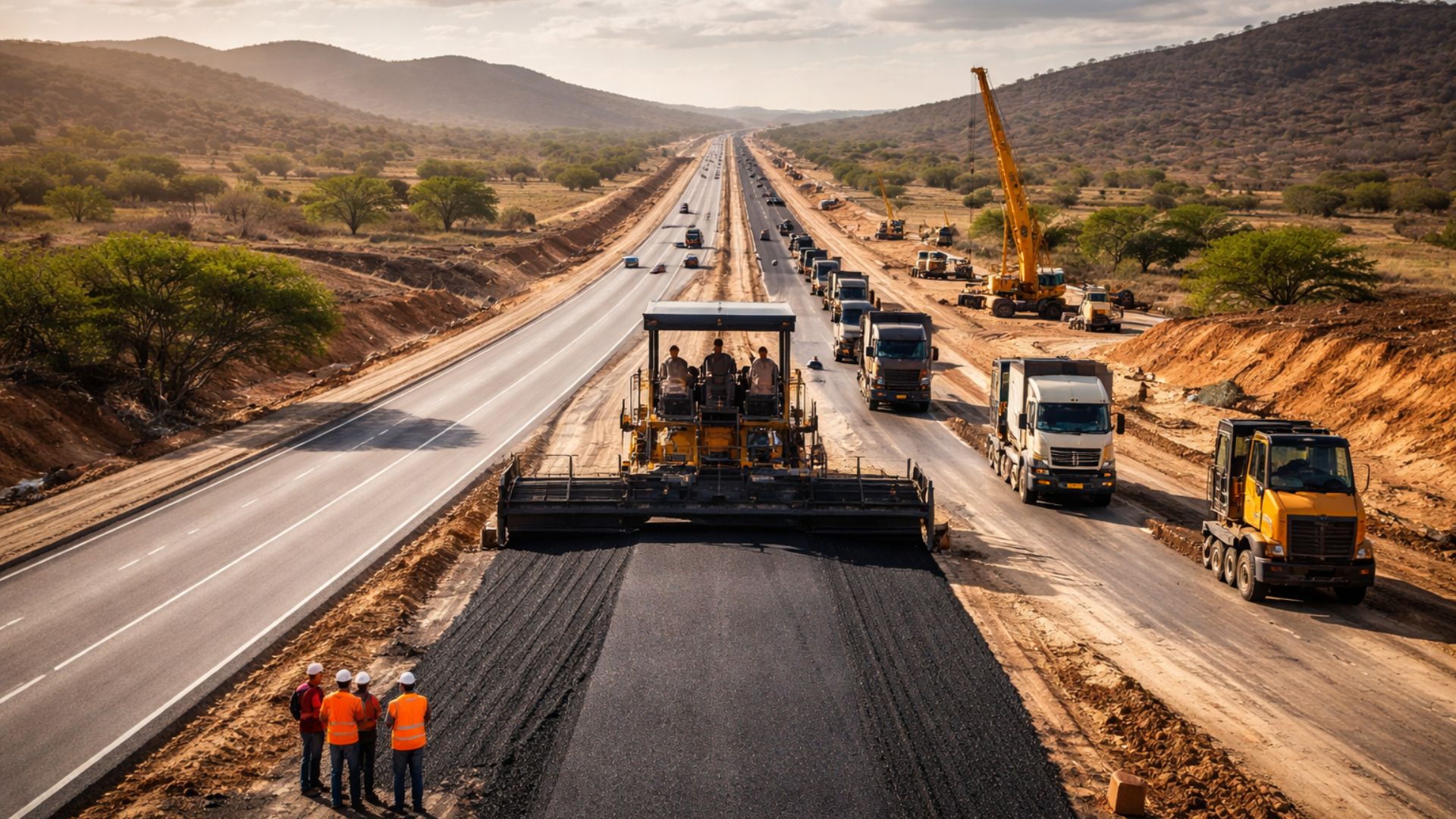
Government unlocks R$ 554 million for a highway that has been requested for decades and accelerates the duplication of BR.
-
Without bricks, without cement, and without endless construction: the cardboard house that is assembled in modules and can be moved.

-
Billions of barrels on the equatorial margin could lead Amapá to double its oil production in Brazil — the state aims to enter the route of companies in the Campos Basin, attract investments, and boost jobs and businesses in the oil and gas sector.

-
Without bricks, without cement, and without endless construction: the cardboard house that is assembled in modules and can be moved.

These complex models, based on large amounts of data, take a long time to build. But a group of scientists at ExxonMobil developed innovative software capable of developing the models in minutes, not days.
This milestone was achieved at the National Center for Supercomputing Applications at the University of Illinois, home to one of the most powerful supercomputers in the world, known as Blue Waters. In addition to energy, the platform supports advanced research in fields ranging from physics to volcano studies.
The ExxonMobil research project involved more than 22,000 computers, which together had over 700,000 processors. This is computing power sufficient to perform 1 quadrillion calculations per second. The computer’s disk storage space is large enough to store all the printed documents in all the libraries in the world.
The achievement, however, is not just about the raw power of the supercomputer, but also the ability to refine these individual machines to effectively communicate with each other and, ultimately, build reservoir models quickly and accurately.
The innovation will accelerate the development of oil and gas reserves that will help meet the growing global demand for safe and reliable energy.







Seja o primeiro a reagir!