





 English
  Francês
  Alemão
  Italiano
  Japonês
  Norueguês
  Portuguese
  Spanish
 3 min of reading


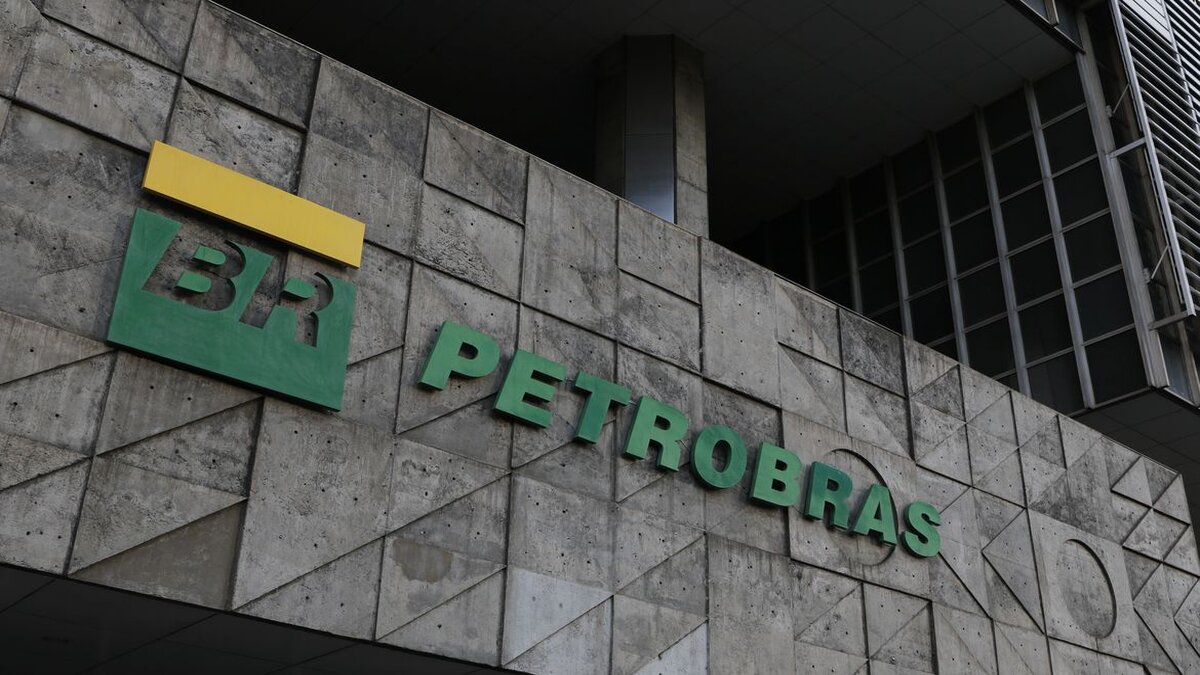
The Week Started Off Bustling for Petrobras, as the State-Owned Company Decided to Postpone the Planned Maintenance Process of the Diesel Treatment Unit at the Henrique Lage Refinery (Revap), in São José dos Campos (SP), Which Was Scheduled for the Second Half of This Year.
On Tuesday, (07/05), at the request of the National Agency of Petroleum, Natural Gas and Biofuels (ANP), Petrobras Announced the Measure That Suspends the Maintenance of the refinery, This to Avoid That Brazil Faces Risks of Diesel Shortage in This Second Half of 2022. The Current Scenario of National and International Diesel Reserve Levels Is Concerning, Discouraging, and Not Optimistic.
Refinery Maintenance Was Scheduled for November 2022
According to the Company Petrobras, the Maintenance of the Henrique Lage Refinery (Revap) Was Originally Scheduled for the Second Half of This Year, in November. However, with the Measure Adopted This Tuesday, the Process Is Expected to Be Carried Out in the First Quarter of 2022. This, however, May Not Be the Only Change in the Company’s Refining Maintenance Schedule.
Thus, Petrobras, Through a Statement, Informed That: “It Is Also Continuing to Evaluate the Postponement of the Shutdown of the Presidente Bernardes Refinery (SP), From November 2022 to 2023, Considering the Operational Conditions and Integrity of the Processing Units and Current Legislation.”
-
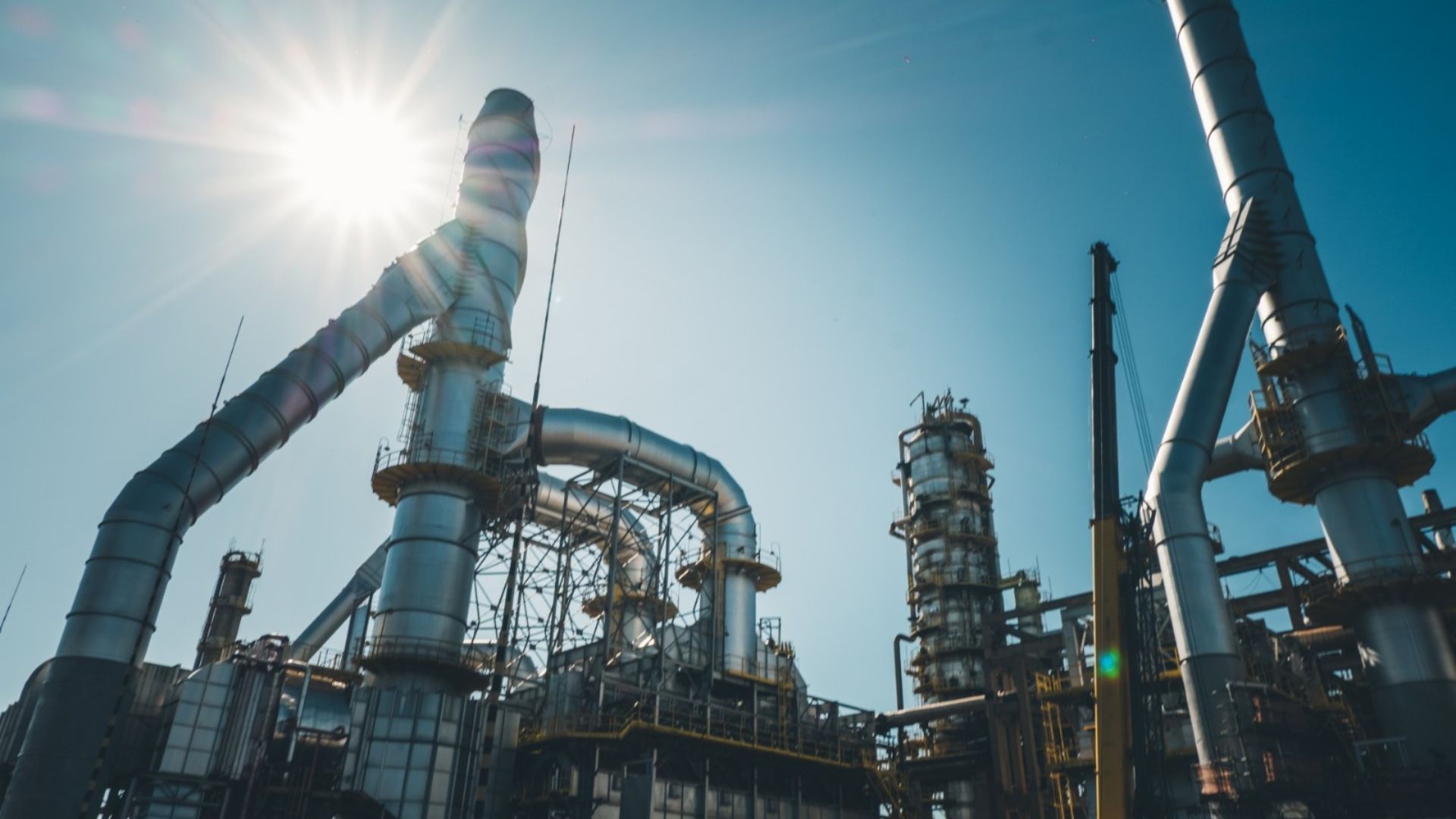
Petrobras Expands Refining in Brazil, Increases Production of Diesel S-10 and Gasoline, Enhances Operational Efficiency, and Reduces Import Dependence Between 2023 and 2025
-
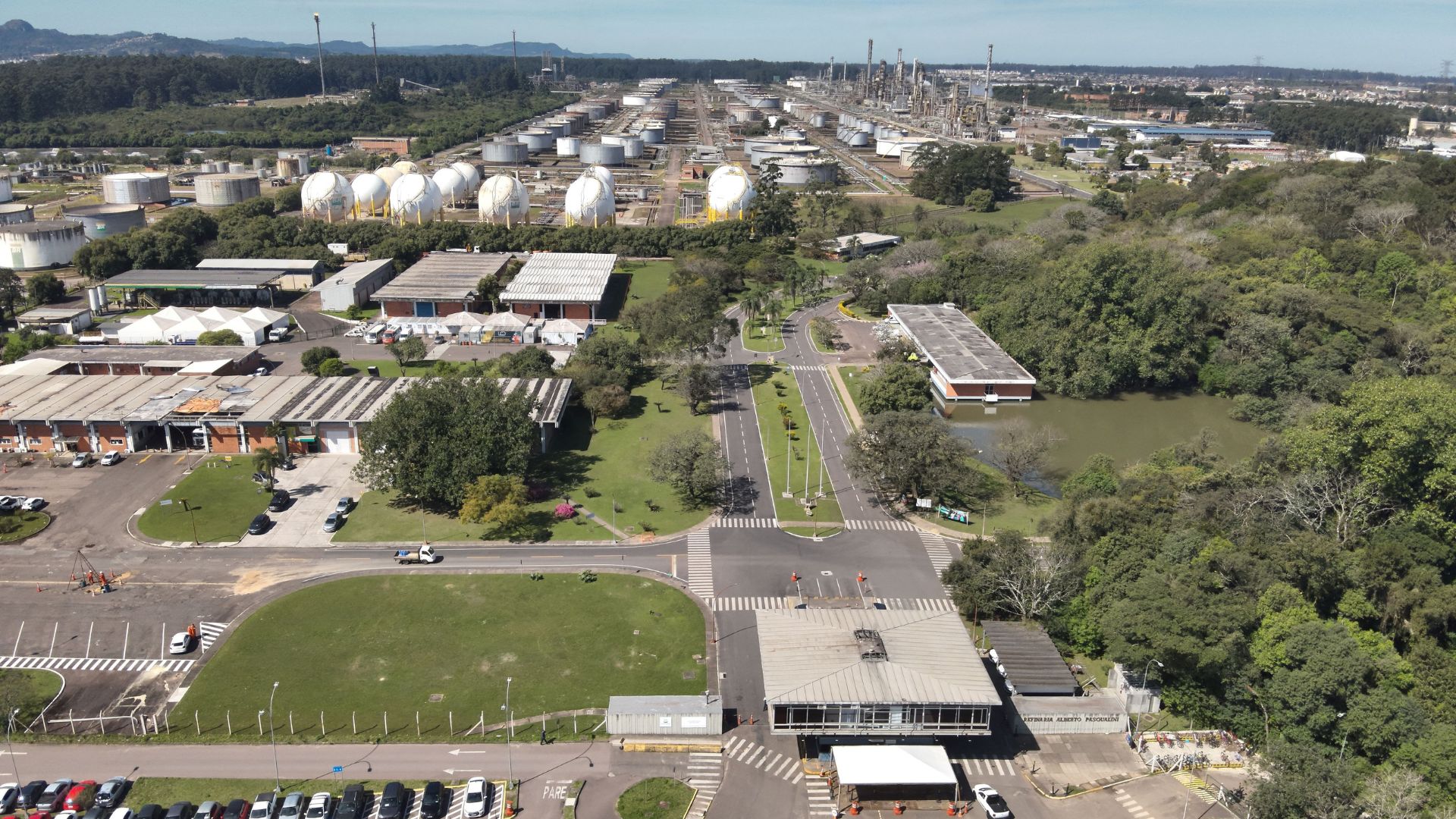
Petrobras’ Refap Sets Historic Records for Gasoline and S-10 Diesel Production in Canoas in Q4 2025, Surpassing Previous Figures
-
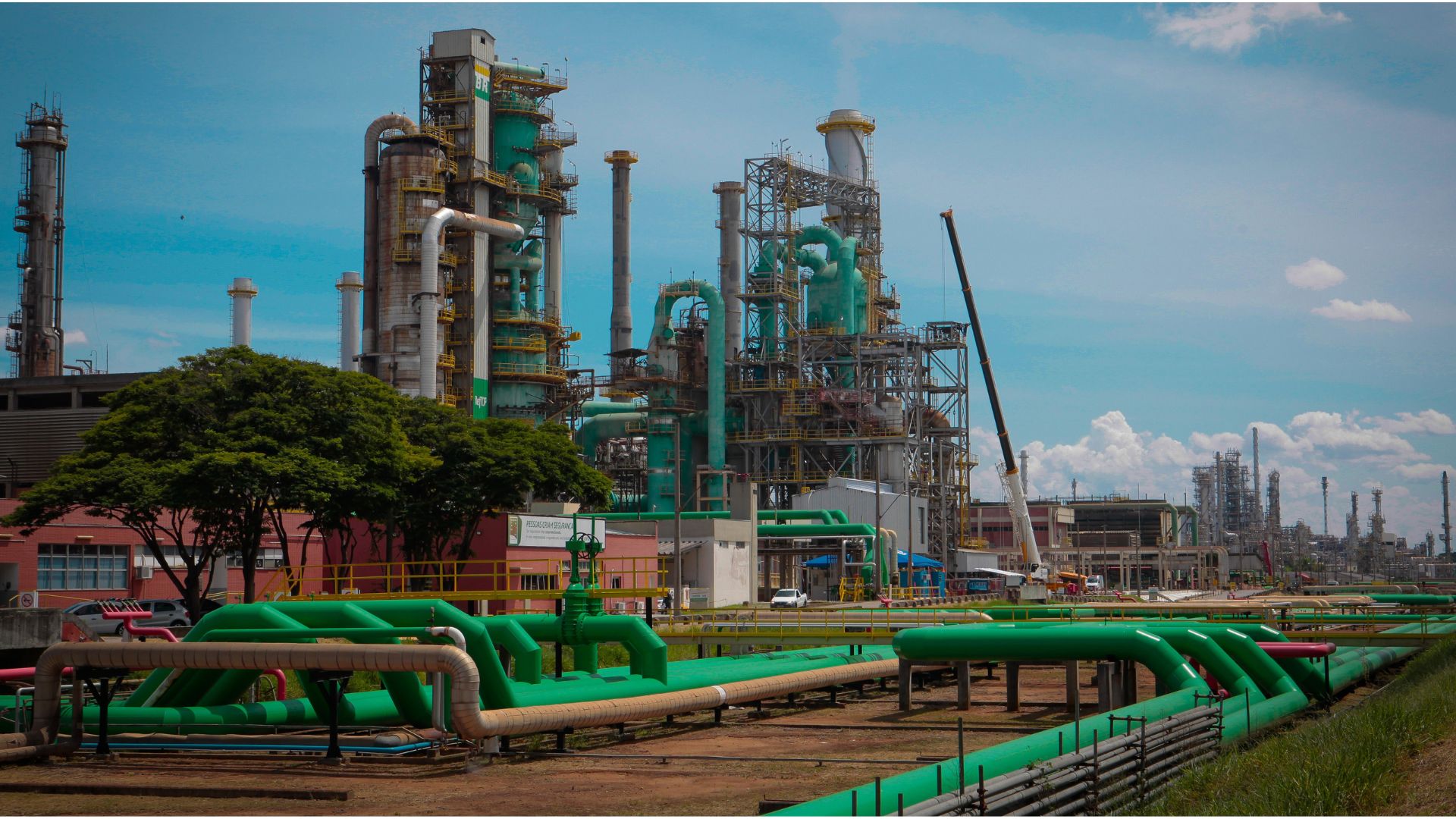
Revap Starts Operation of Modernized HDT and Petrobras Expands S-10 Diesel Production by 80% at the Refinery, Boosting Supply of Less Polluting Fuel in Brazil
-
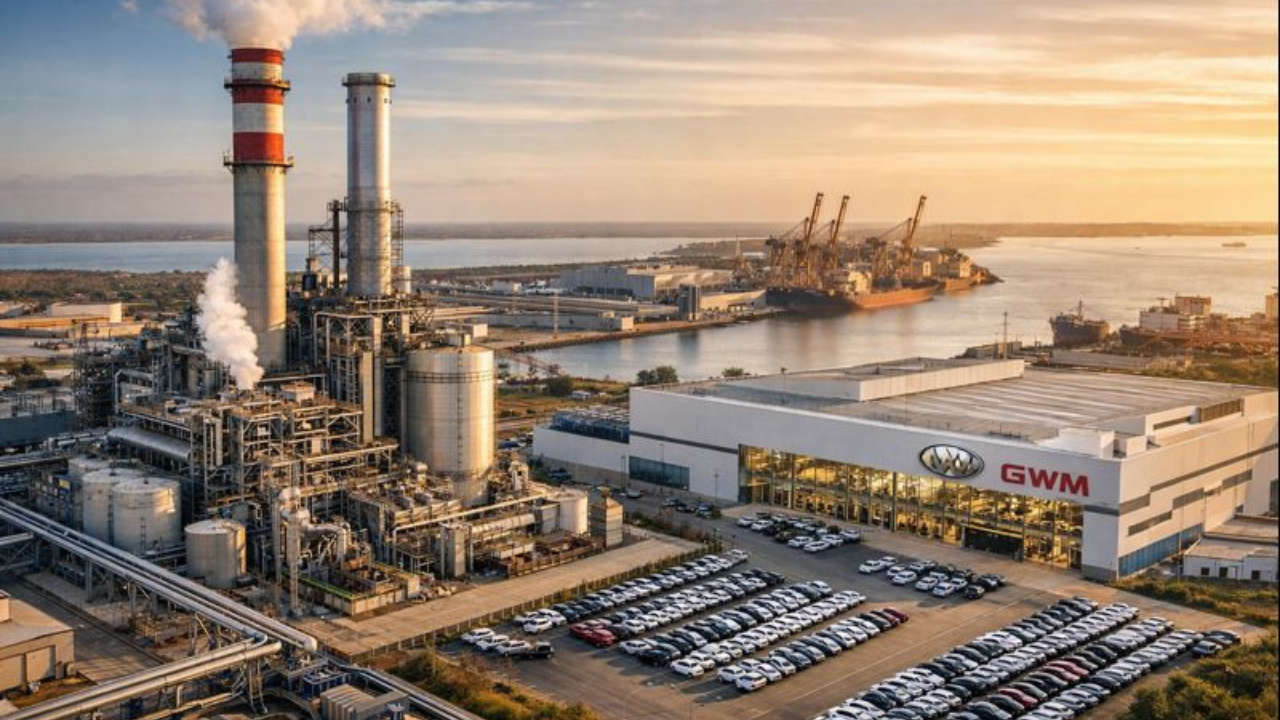
Thermal Power Plant in Rio Grande do Sul Is Key to Attracting GWM

It Is Worth Noting That, It Is with the Oil Refining Process That Several Other Substances, Such as Diesel, Are Produced Daily. Therefore, the Lack of Maintenance of Refineries Is of Utmost Importance to Avoid Risks of Diesel Shortage in the Country.
It Is Also Important to Remember That Brazil Does Not Have Sufficient Diesel Production to Meet the Demand of the Domestic Market. Thus, the Country Needs to Import the Fuel. However, Diesel Reserve Levels Are Low on an International Scale, Which Ends Up Interfering with Product Prices, Because the Reduction in Supply Does Not Keep Up with the Drop in Demand.
Diesel Shortage Risks in Brazil Worry Petrobras
In This Scenario, At the End of May, a Statement from Then-President of Petrobras, José Moura Ferreira Coelho, to the ANP’s General Director, Rodolfo Saboia, Became Public, in Which the State-Owned Company’s President Informed and Warned of the Existence of “High Risk of Diesel Shortage in the Brazilian Market in the Second Half of 2022.”
The Shortage Risk Is Justified by the Current International Scenario of the Ukraine War, Given That a Series of Economic Sanctions Were Imposed on Russia, a Major Oil Importer. Furthermore, It Is Also Important to Emphasize That the Country Is a Major Supplier of Natural Gas, Which Has Suffered Similar Restrictions, Thus Increasing the Demand for Diesel and, Consequently, Greater Shortage at International Levels.
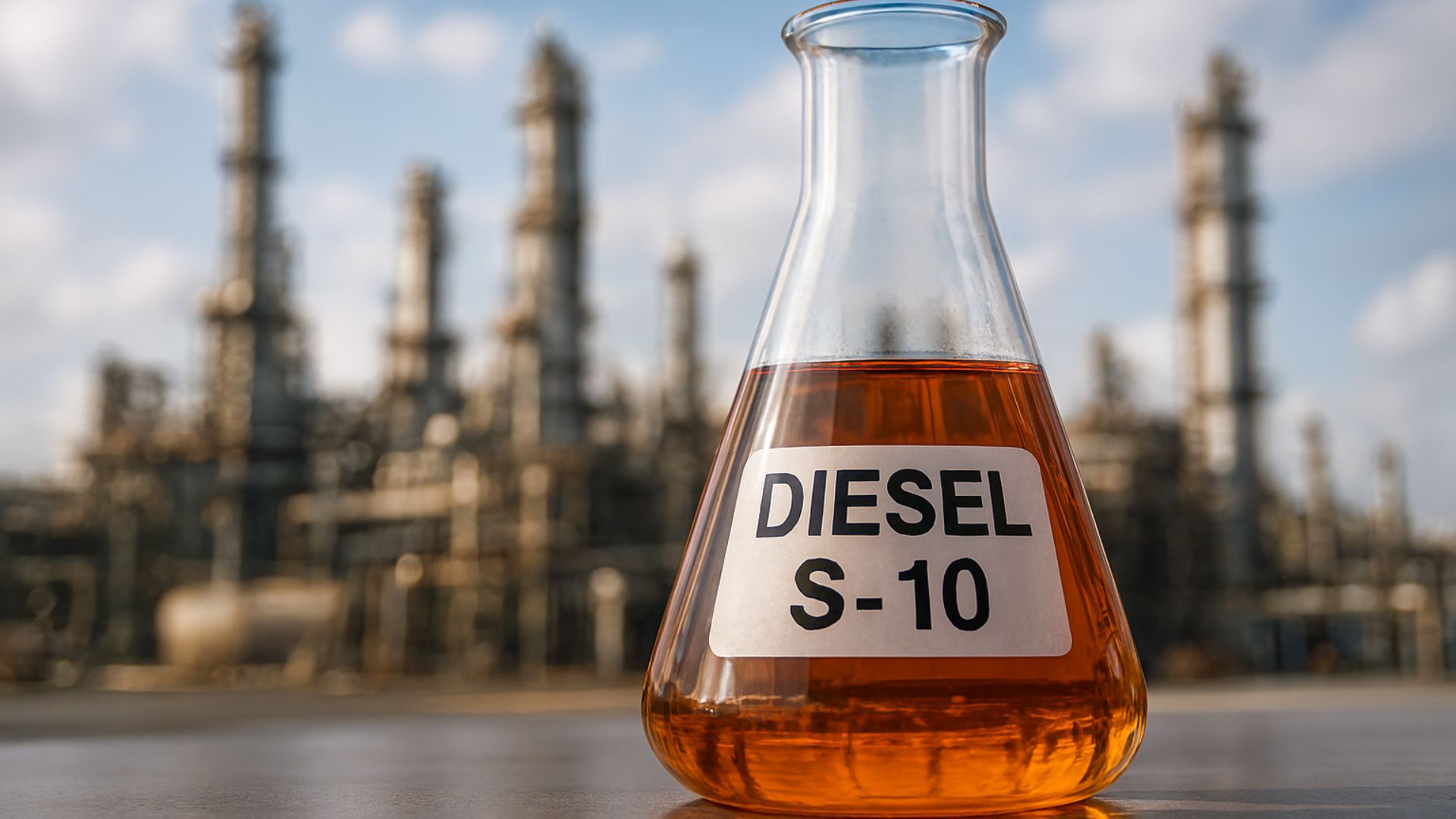
In Previous Appearances Before the Leak of Petrobras’s Statement, ANP’s General Director, Rodolfo Saboia, Emphasized That the Agency Would Be Taking Measures to Avoid the Fuel Shortage in the Country. Already on Monday, (07/04), the Agency Announced That It Will Intensify Monitoring of S-10 Diesel Oil Imports.
After the Controversies, Ferreira Coelho Was Dismissed from the Presidency of the State-Owned Company on June 20, Pressured by the Government Following Price Hike Measures That Accompanied International Pricing Policies. Thus, President Jair Bolsonaro Announced Days Later the Law on ICMS Reduction, Which Resulted in Lower Fuel Prices, as the Measure Makes Fuels Essential Items, Limiting the Rate Between 17% and 18%.








Seja o primeiro a reagir!