





 English
  Francês
  Alemão
  Italiano
  Japonês
  Norueguês
  Portuguese
  Spanish
  4 min of reading


Bolsonaro Government Considers The Use Of Eletrobras Resources To Enable The Reduction Of Fuel Taxes
On last Monday (the 6th), President Jair Bolsonaro unveiled a proposed constitutional amendment (PEC) in order to try to lower taxes on fuels. The measure corresponds to a government effort to alleviate inflation, considering the proximity of the elections and the president’s unfavorable standing with public opinion, and, if approved, will be valid until the end of the year.
According to Paulo Guedes – Minister of Economy – the proposal will cost between R$ 25 billion and R$ 50 billion to public coffers. However, this amount will not comply with budget rules, as it will fall outside the ceiling and fiscal target.
Guedes also stated that resources from the privatization of Eletrobras could be used to implement the proposal. On Monday night, government officials were considering an amount of R$ 40 billion for tax reduction.
-
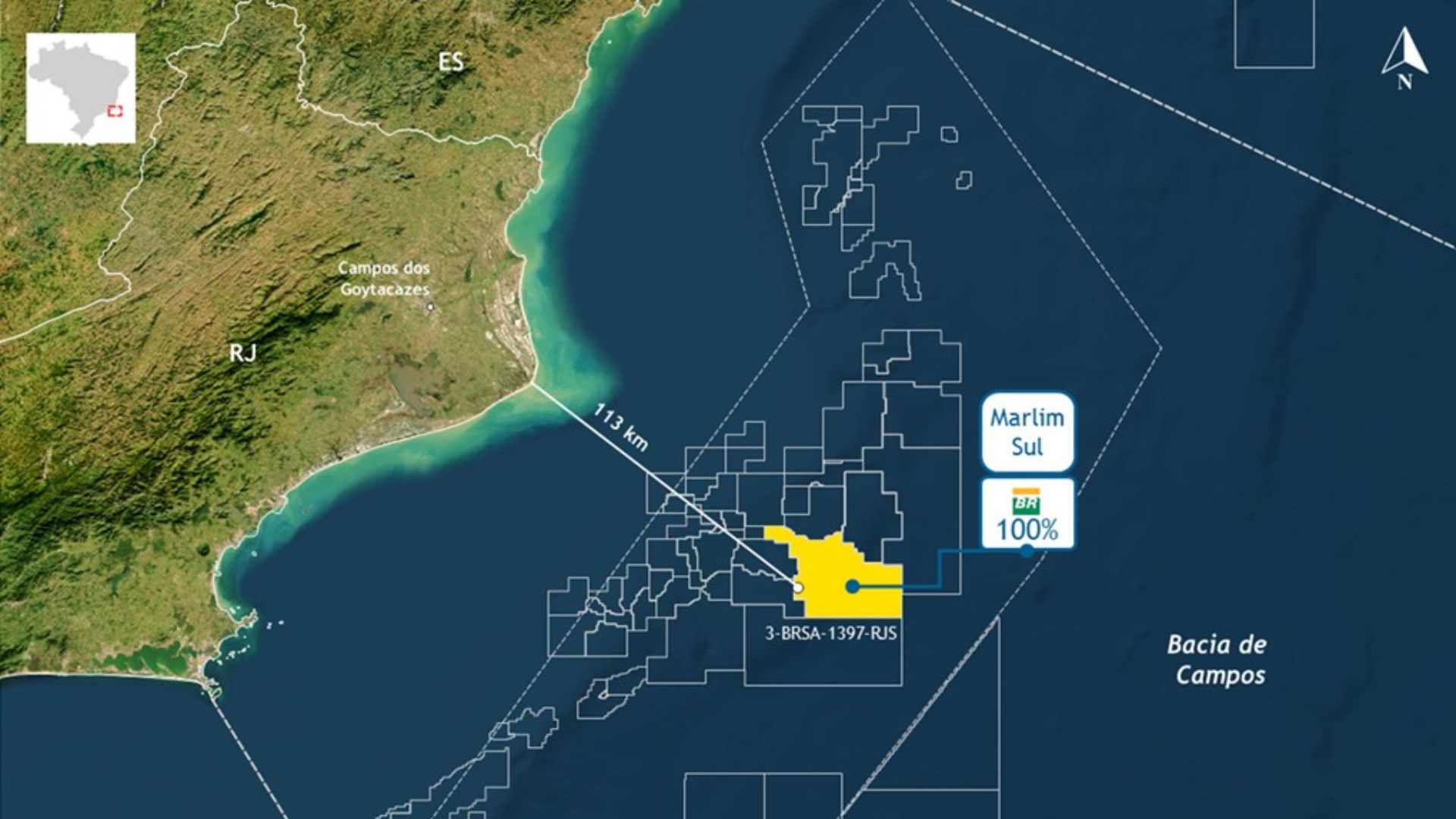
Petrobras finds high-quality oil in the pre-salt at 113 km from RJ and reignites expectations about strategic reserves in the Campos Basin.

-
Ocyan opens registrations for startups focused on innovation in the oil and gas sector and will select projects for Innovation Day with the support of Nexio.

-
Petrobras announces new oil discovery in the pre-salt of the Campos Basin and reinforces Brazil’s prominence with high-quality reserves that can increase production and energy revenues.
-
Alert in the fuel market: Analysts and a former director of ANP warn that oil prices may worsen in the coming months due to global instability.

Among the initiatives presented during an event at the Palácio do Planalto is the cancellation of federal taxes (PIS/Cofins and Cide) applied to gasoline and ethanol. However, Bolsonaro warned that this will only be effectively implemented if there is a reduction in state taxes, which represents a sign of pressure against governors.
Analysts Criticize The Government Proposal
According to analysts interviewed by GLOBO, the initiative lacks any support from public finances or budgetary norms, being related to the president’s campaign for reelection. For them, the measure merely shifts a problem forward, as the reduction of taxes is only valid until the end of this year.
However, despite the aforementioned, some market analysts see a possibility of mitigating inflation through the initiative. According to Margarida Gutierrez, a macroeconomics professor at Coppead/UFRJ, the proposal is evidently a product of the election year, but it can indeed lower fuel prices. Gutierrez also opines that the fact it does not constitute a definitive pricing policy is positive, as the project would not survive long term.
Wagner Varejão, a specialist at Valor Investimentos, agrees that the measure is potentially beneficial in the short term, but cannot be sustained afterward. The specialist claims that the government is taking advantage of a strong first quarter to try to create a tax exemption; however, the price reduction would increase its indebtedness. For him, the suggestion is clearly electoral and, in the long term, there is a possibility that the country will become riskier for foreign investors.
Tax Attorney States The PEC Contradicts The Principles Of The Fiscal Responsibility Law
Tax attorney Fernando Zilveti – a professor at the Brazilian Institute of Tax Law (IBDT) – assesses the proposal to reduce fuel prices as contrary to the ideals expressed in the Fiscal Responsibility Law. For him, the announced fiscal renunciation amount by the government, of R$ 25 billion to R$ 50 billion, is extremely imprecise, given the 100% difference between the amounts.
Moreover, Zilveti considers that the fact the government is relying on revenue from the privatization of Eletrobras is also problematic from the perspective of public finances, in addition to constituting an absurd breach of the ceiling. He adds that, due to the global scarcity of diesel, there is no guarantee that the product will reduce its price. Thus, the government can zero out the taxes, but the fuel price may remain high, as the issue goes beyond the taxes levied.
Economics Professor At Insper Classifies The Measure As Palliative
Juliana Inhasz, an economics professor at Insper, classified the government proposal as palliative, adding that the measure ultimately corresponds to a subsidy, the cost of which will be charged in the future. For her, the government is aware that it must work hard to contain the pressure from truck drivers and the public, but is not capable of finding a structural solution to the troubled situation.
In this regard, Sérgio Vale, chief economist at the consultancy MB Associados, also noted that the Public Authority is merely accumulating fiscal risks for the next year.
Economist Paulo Duarte, for his part, analyzes that the initiative distances the government from fiscal responsibility, further weakening Minister Paulo Guedes. He also highlights that the government has not explained where the resources will come from, merely mentioning Eletrobras’ dividends, which could be used to reduce the primary deficit.
Some Analysts Indicate There Is A Possibility Of Success For The Project
The partner at Fatorial Investimentos, Jansen Costa, stated that while he does not believe that the project will be approved by the Senate, the measure can indeed alleviate inflation. According to the executive, if they limit the ICMS on fuels to 17%, prices at the pumps will be significantly reduced, and consequently, there will be an impact on product pricing.
Costa also claimed that Petrobras needs to increase the diesel price and, so that this does not affect truck drivers, it is likely that the government will nullify federal taxes even before the PEC is approved.
Furthermore, investment analyst at Mirae Asset, Pedro Galdi, also considers the proposal beneficial. He believes that governments around the world should implement measures to curb fuel prices and mitigate global inflation, as the war in Ukraine does not show an end in sight.
Galdi explains that oil could reach US$ 150 and, in this scenario, the government is forced to find a way out. In this sense, he states that using Petrobras’ dividends is a good alternative, while changing the company’s pricing policy, on the other hand, would be inconceivable for the analyst.








Seja o primeiro a reagir!