





 English
  Francês
  Alemão
  Italiano
  Japonês
  Norueguês
  Portuguese
  Spanish
 4 min of reading


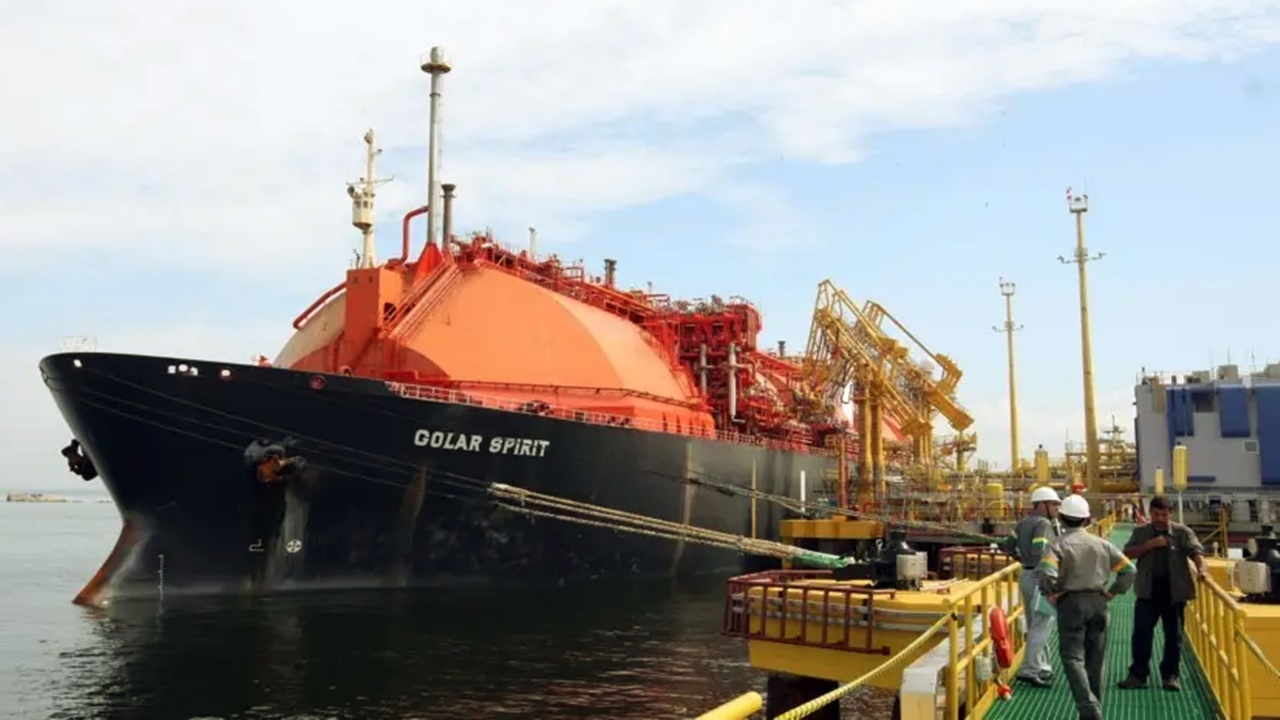
Petrobras Positions Two Leased Regasification Vessels at GNL Regasification Terminals in Guanabara Bay, Rio de Janeiro
High demand for thermoelectric plants, caused by the water crisis, combined with the operation of the Mexilhao gas field and the Rota 1 pipeline, which will be shut down for maintenance for 30 days starting August 15, forces the Brazilian oil giant Petrobras to increase liquefied natural gas (LNG) imports by 36% through the Guanabara Bay terminal in Rio de Janeiro.
Read Also
- Cisco Offers 1000 Slots in Free Online Technology Courses Across Brazil for Cis and Trans Women
- Multinational Offers Dozens of Job Positions to Work in São Paulo, Minas Gerais and the Federal District from the Comfort of Home
- Chevrolet, Honda, Volkswagen, Fiat, Toyota, Nissan, and Peugeot: Discover the Best PCD Cars to Buy with the New Price Limit of R$ 140 Thousand
- Applications for 3 Petrobras Notices in Partnership with Sebrae and PUC-Rio Begin TODAY (06/16), the Largest Ever Opened in the Oil, Gas, and Energy Sector
- Ceará Will Have the World’s Largest Green Hydrogen Plant, Becoming a Global Player in Production, Storage, Distribution, and Export of H2V, Generating Thousands of Jobs in the State
- After Bosch and Volkswagen, Nissan Bets on Ethanol Cell for Fueling Electric Car Engines and Partners with the Institute of Energetic and Nuclear Research, Linked to USP, to Develop Bioethanol in Brazil
“The effort occurs at a time of rising demand, due to increased thermoelectric dispatch determined by ONS in the fourth quarter of 2020 and the acceleration of economic activity,” said Petrobras when questioned about information from a sector source regarding measures to increase gas supply.
The General Director of the National Electric System Operator (ONS), Luiz Carlos Ciocchi, stated yesterday (15) during a hearing in Congress to discuss the water crisis that changes in reservoir flows of hydroelectric plants and the use of thermoelectric energy should allow Brazil to navigate the hydropower crisis “safely,” mitigating risks to electricity supply.
-
Brazilian giant expands borders in the Southeast: Petrobras confirms new oil discovery in ultra-deep waters in the pre-salt of the Campos Basin.

-
Alert in the global energy market: Severe tropical cyclone hits the coast and disrupts gas production at major plants in Australia, threatening global supply.

-
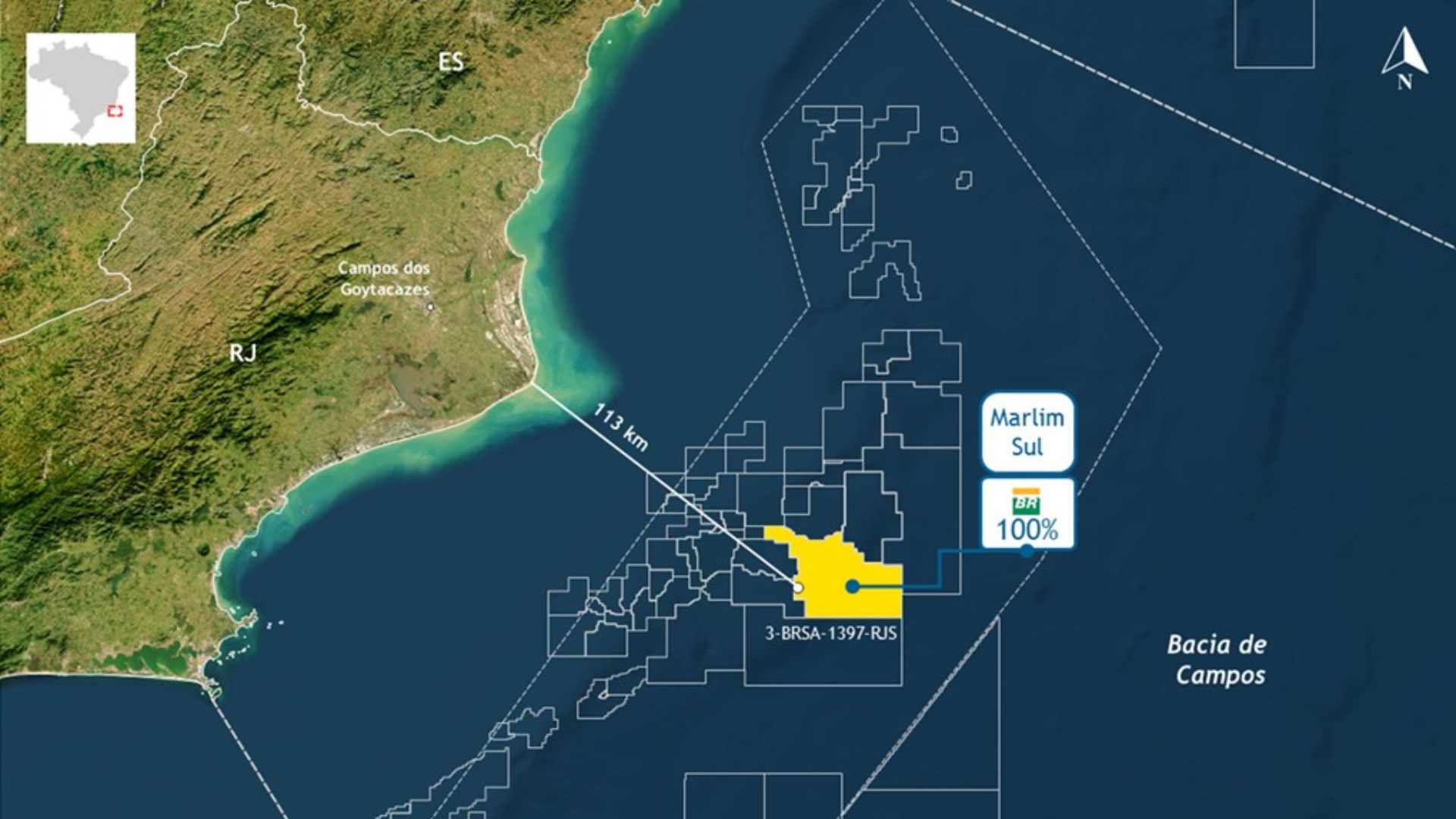
Petrobras finds high-quality oil in the pre-salt at 113 km from RJ and reignites expectations about strategic reserves in the Campos Basin.

-
Ocyan opens registrations for startups focused on innovation in the oil and gas sector and will select projects for Innovation Day with the support of Nexio.


Importing Bolivian Gas by Petrobras
Regarding the import of Bolivian gas, Petrobras stated that it seeks to enter into a interruptible contract with the state-owned YPFB, “in order to increase the supply coming from that country.”
The oil company also stated that it has positioned its two leased regasification vessels at the GNL Regasification Terminals, enabling a total injection of 34 million m³/day.
This volume of natural gas injection from the terminals is expected to rise to up to 44 million m³/day, with the expansion of the regasification terminal in Rio de Janeiro, from 20 million to 30 million m³/day.
The National Agency of Petroleum, Natural Gas, and Biofuels (ANP) is authorizing the expansion, said the agency’s General Director Rodolfo Saboia during the same hearing in Congress.
Shutdown of the Mexilhao Gas Field Platform and the Rota 1 Pipeline, Plus Water Crisis, Forces Petrobras to Increase LNG Imports
According to Petrobras, the supply of LNG is essential to meet the thermoelectric plants’ demand, which is around 37 million m³/day.
The increased LNG imports also occur in light of the scheduled 30-day shutdown of the Mexilhao gas field platform and the Rota 1 pipeline, starting August 15, for maintenance.
The Rota 1 pipeline transports natural gas produced in Mexilhao — which accounted for almost 10% of the country’s production in April–, and from other pre-salt and post-salt platforms in the Santos Basin for thermoelectric consumption.
According to Petrobras, the company is working to align the maintenance of the Mexilhao platform and the Rota 1 pipeline with scheduled shutdowns of its own and third-party thermoelectric plants, thereby reducing the demand for natural gas from these plants during this period, “in a schedule coordinated in advance with ONS, seeking to minimize the impact on the sector.”
The Brazilian Oil Giant Will Receive, from the Chinese, US$ 2.94 Billion for the Eighth Unit of the Búzios Field, the Largest Deepwater Oil Field in the World
Petrobras announced yesterday, June 12, that it has signed with Pré-sal Petróleo S.A. (PPSA) and partners CNODC Brasil Petróleo e Gás Ltda (CNODC) and CNOOC Petroleum Brasil Ltda (CNOOC) the Búzios Co-participation Agreement, which will regulate the coexistence of the Assignment Agreement and the Production Sharing Agreement for the Excess of the Assignment for the Búzios field, in the pre-salt of the Santos Basin.
Petrobras has stated that Búzios is the largest deepwater oil field in the world. Therefore, the company indicated more than 11 billion barrels of recoverable oil equivalent (boe) in the asset.
The contract provides for a local content requirement of 25%, a condition stipulated in the notice and committed to the ANP for the Búzios field. Read the full article here.







Seja o primeiro a reagir!