





 Portuguese
  English
  Spanish
 4 min of reading
  2 comments


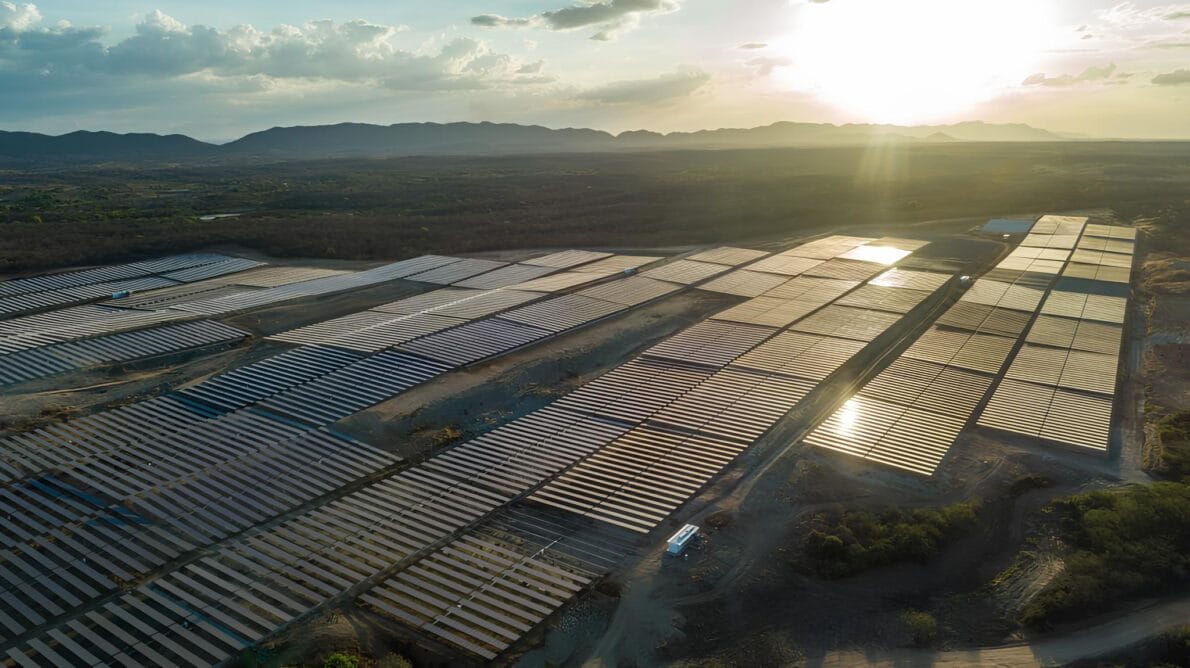

Meet One of the Largest Solar Power Plants in the World That Will Be Inaugurated in Paraíba and Could Supply Power to Thousands of Homes and Also Distribute Energy to Other States.
The Santa Luzia solar complex, located in the municipality of Santa Luzia, Paraíba, will be considered one of the largest solar power plants in the world. The solar plant in Paraíba, even though still in its final construction phase, has been operational since April of this year. The solar plant, which began construction two years ago, has already cost over R$ 1 billion, with a total investment of around R$ 6 billion. The Paraíba hinterland has been graced with one of the largest solar power plants in the world, a reason for great pride for Paraíba, the Northeast, and, of course, Brazil.
One of the Largest in the World: Learn More About the Santa Luzia Solar Complex in Paraíba
When the Santa Luzia solar complex is completed, it will have an installed capacity of 2.4 GW, capable of supplying power through solar panels to over 95% of the state of Paraíba, or even to other states in Brazil, since the solar complex is connected to the National Integrated System – SIN.
The solar plant in Paraíba was formed through the assistance of the Neoenergia substation with a capacity of 500 kV, located near the site where the solar complex was built, facilitating its connectivity.
-
The Sol do Agreste Photovoltaic Complex begins operations in Pernambuco and accelerates the expansion of solar energy in Brazil, directly impacting the reduction of emissions and strengthening the sustainable energy matrix.
-
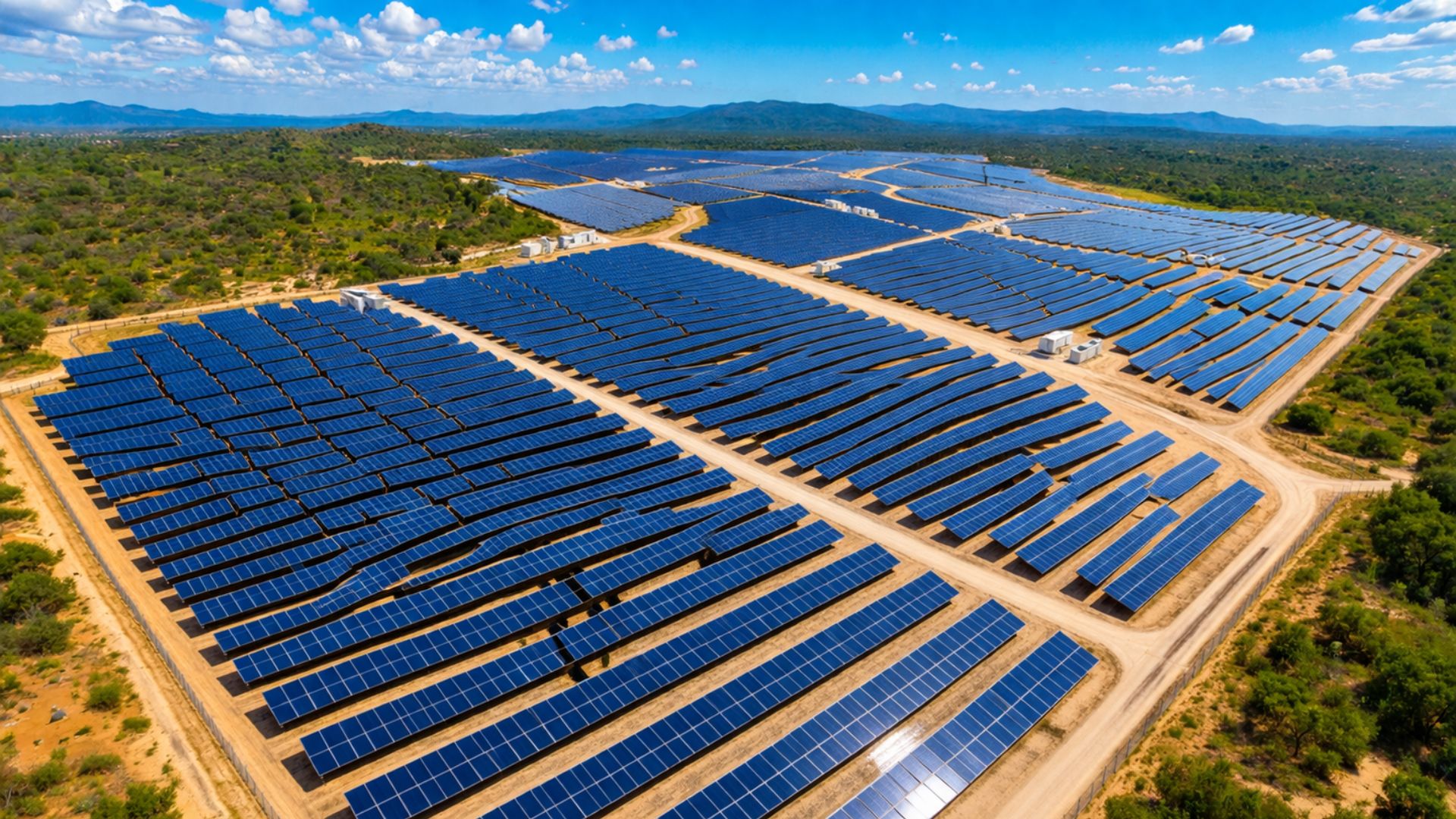
Renewable energy advances over protected areas in Brazil, and a survey by the Energy Transition Observatory reveals silent impacts that challenge environmental conservation and pressure sensitive traditional territories.

-
Rio Grande do Sul accelerates energy transition: State invests in renewable technologies and consolidates decarbonization strategies and pathways to attract billions in new industrial investments.

-
With 160,000 m² of collectors, an area larger than 20 football fields, Silkeborg, in Denmark, hosts a solar thermal plant that heats 19,500 homes and could become the largest solar heating plant in the world.


The Santa Luzia solar complex has over 3 million solar panels installed in an area approximately equivalent to 4,000 football fields, according to the president and CEO of Rio Alto Energias Renováveis, Edmond Farhat, whose company is responsible for the project. Farhat also mentioned that trackers were installed to increase energy generation at the site.
Solar Plant in Paraíba Could Rank Among the Top 5 National Solar Energy Producers
The project spans about 5,000 hectares, with 3,000 of them dedicated to the area where the modules are installed. Altogether, the solar complex in Paraíba has 42 plants, which will produce 58 MWp, with 5 already in operation since April.
Edmond Farhat compared the solar plant in Paraíba to the large enterprise in Coremas, inaugurated in 2020, which has a capacity of 312 MW and is among the largest solar complexes in the world. However, the Coremas solar complex, also located in Paraíba, has only 10% of the area of the Santa Luzia solar complex.
The city of Santa Luzia, in Paraíba, was chosen to host a plant with millions of solar panels due to having one of the highest solar radiation indices ever recorded and also because there is a nearby substation to the complex.
Paraíba currently ranks as the 10th largest producer of solar energy; however, once the Santa Luzia solar complex is completed, the state is expected to occupy the 5th position among the largest national producers, according to Edmond Farhat.
Meanwhile in Japan: The Largest Nuclear Power Plant in the World Showcases Its Power with Seven Reactors and a Surreal Capacity of 8,200 MW
The largest nuclear power plant in the world, in terms of installed capacity, is the Kashiwazaki-Kariwa, located in Niigata City, 368 km northwest of Tokyo, Japan. Managed by the Tokyo Electric Power Company (TEPCO), the third largest electricity company in the world, the plant incorporates seven boiling water reactors that together provide around 8,200 MW of power.
This nuclear facility fell into disuse following the Fukushima disaster (in 2011), despite its very important role in Japan’s electrical infrastructure. Safety is paramount, and after what happened in Fukushima, the Japanese nuclear organization, the Nuclear Regulation Authority (NRA), decided to revoke the operating license until TEPCO could implement new safety measures derived from what was recorded at this facility in 2011.
Japan currently operates twelve nuclear reactors, but also has two more under construction and twenty-seven reactors that remain offline at this time. In April 2023, the Japanese government approved new nuclear energy legislation that permits extending the operation of nuclear plants beyond the current limit, which is set at 60 years.








o autor do texto precisa aprender a usar os tempos verbais. Eu tive grande dificuldade para entender se a usina tinha sido inaugurada ou ainda iria ser consttruída. O texto mistura tempos verbais numa clara intenção de confundir ou trata-se de um jornalista que não domina o seu idioma. Vejo-me agora na obrigação de fazer uma pesquisa própria para sab”quando a usina for inaugurada a Paraíba passará a ocupar o QUINTO lugar na produção de energia solar”. Será que o autor imagina que nenhuma outra usina será construída neste ínterim? Pergunto, isso é desconhecimento mínimo de tudo ou ufanismo idiotizado.
Parabéns minha querida paraíba @