





 Portuguese
  English
  Spanish
 5 min of reading
  0 comments


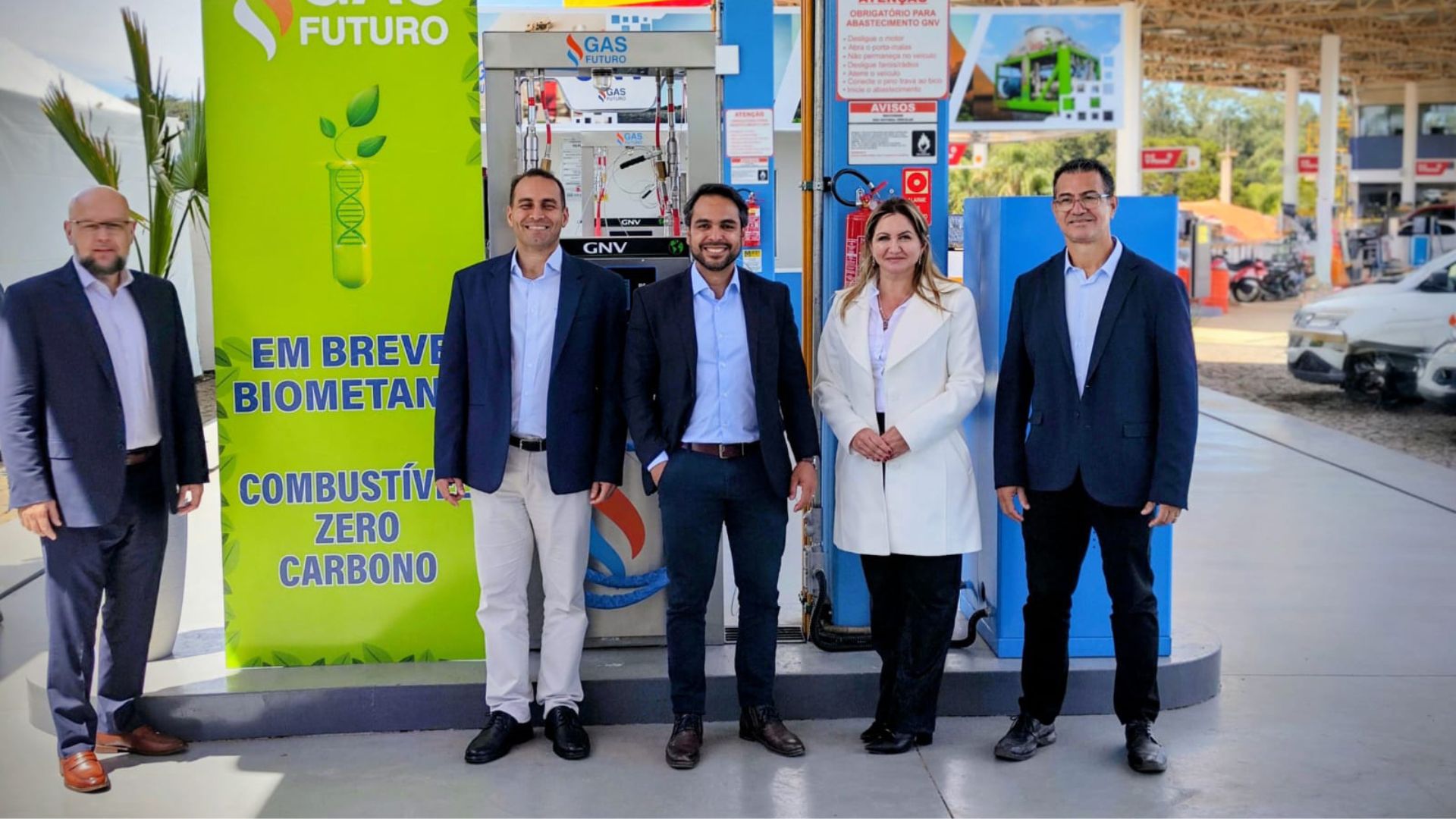
Paraná Advances in Sustainability by Implementing Its First Biogas Filling Station, Strengthening the Use of Biofuels and Accelerating Decarbonization Actions in Transportation
The State of Paraná inaugurated this week its first biogas station aimed at sustainable logistics, located in the Ponta Grossa region. This initiative marks a decisive advance in Brazil’s energy transition, focusing on decarbonizing the transport chain and promoting sustainability.
The new station is part of the Sustainable Corridors project, which aims to fuel heavy vehicles with clean energy, such as biogas and compressed natural gas (CNG). The facility is considered one of the largest in Brazil in terms of CNG high-flow fueling capacity and now offers biofuel derived from organic waste.
Sustainable Corridors and Paraná’s Role in Clean Logistics
The Sustainable Corridors project aims to transform road transport in Paraná, connecting regions like Maringá, Londrina, and Paranaguá through a renewable fuel supply infrastructure. This strategic route will allow trucks to travel with biogas from the interior to the port, significantly reducing greenhouse gas emissions.
-
The Economist states that Brazil has a “secret weapon” against expensive oil and highlights how the country can reduce economic impacts even in international scenarios of high volatility.
-
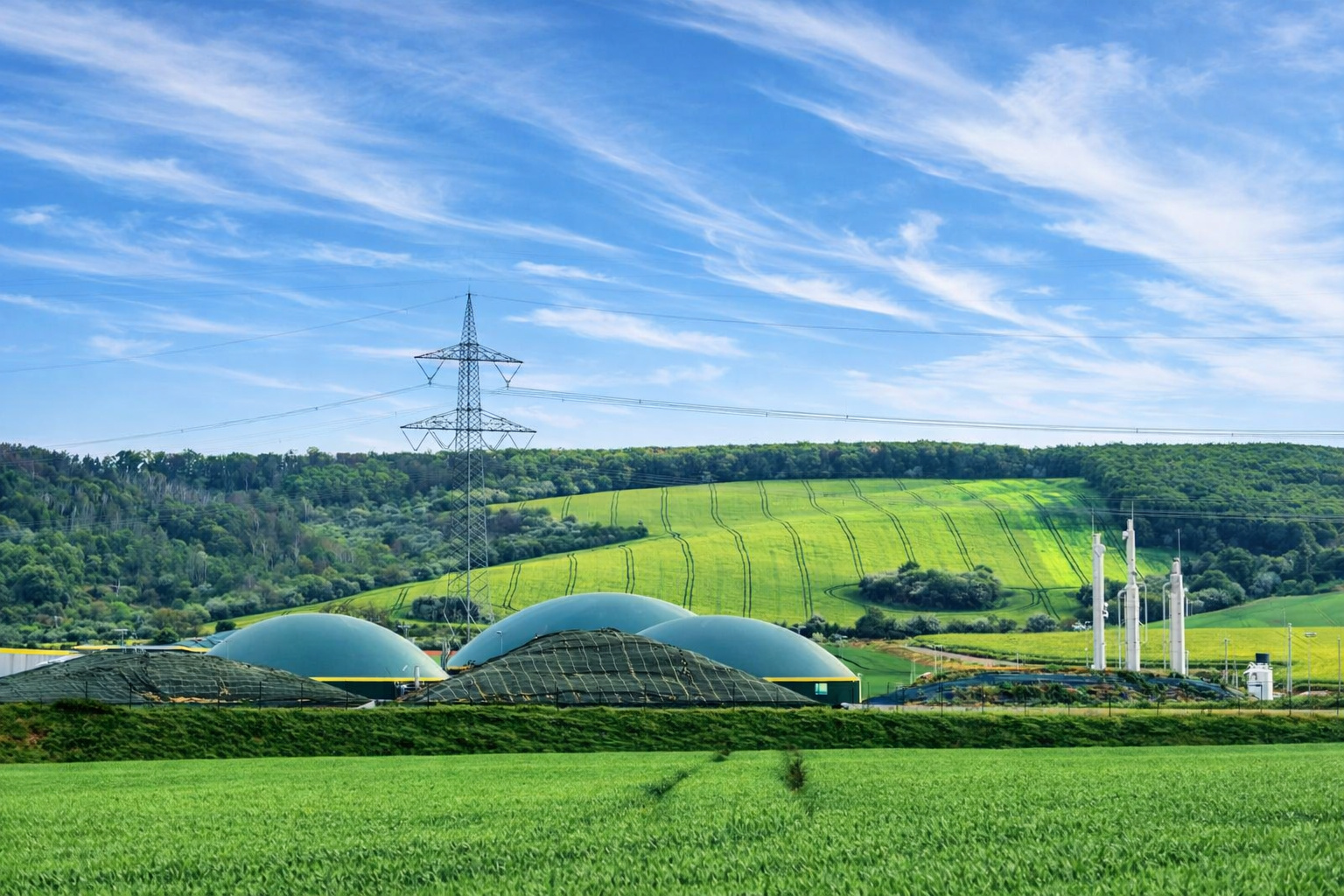
Brazil accelerates decarbonization in the South: International forum in Foz do Iguaçu gathers leaders to discuss the advancement of biomethane in the energy matrix and the potential of “caipira pre-salt.”
-
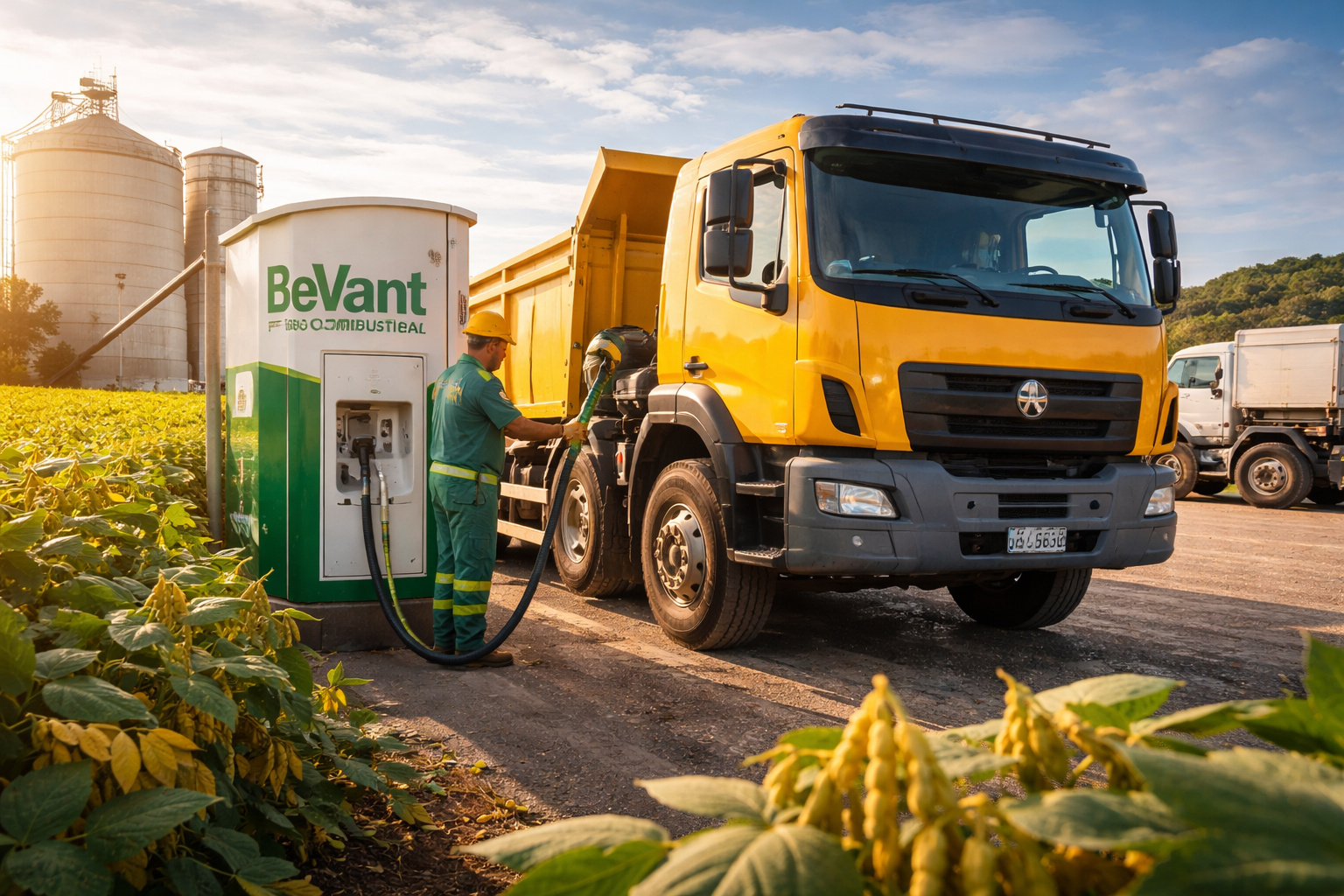
As diesel prices soar due to conflicts in the Middle East, a Brazilian city decides to test a little-known biofuel that promises to completely replace fossil fuel without adaptation and could change the future of energy in the country.
-
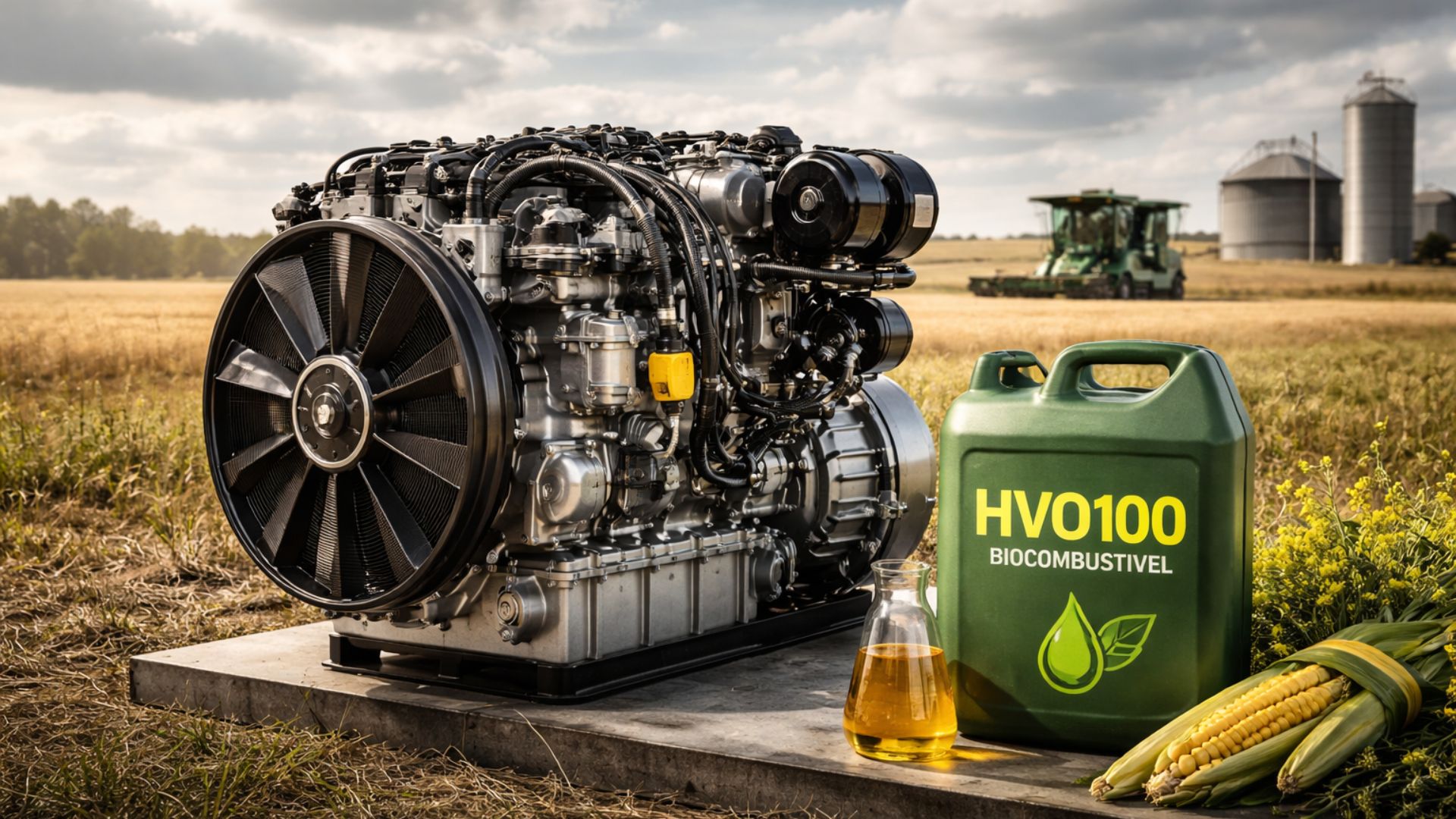
Innovation with biofuel engines transforms agribusiness by replacing diesel without the need for major adaptations, ensuring energy efficiency and helping to reduce dependence on oil.

According to Sandro Vieira, General Superintendent of Energy Management, the opening of this station symbolizes a strategic advance in the decarbonization of logistics in the State of Paraná. The fueling will be done with piped gas supplied by Compagas and locally produced biogas.
Biogas: The Biofuel that Transforms Waste into Energy
Biogas is a type of biofuel obtained from the purification of biogas, which in turn is generated by the decomposition of organic waste. In Paraná, production occurs at the Ponta Grossa Waste Treatment Center, being the first refinery in the State to operate at a landfill.
Replacing diesel with biogas is a clear example of decarbonization, as biogas has a renewable origin and reduces dependence on fossil fuels. Furthermore, it can be used in vehicles already adapted for CNG, without the need for major modifications.
Thiago Olinda, State Coordinator for Gas, Biofuels, and Hydrogen, emphasizes that initiatives like this drive the development of the biogas chain in Paraná, as outlined in the State Biogas and Biogas Plan.
Tax Incentives and Public Policies for Sustainability
The feasibility of the biogas station was made possible by decree no. 9.817/2025, which exempts ICMS for goods intended for the fixed assets of biorefineries, including equipment for biogas production, biogas, methanol, and CO₂. The compressors and fueling systems were manufactured by a Paraná industry in Campo Largo, strengthening the local economy.
The Planning Secretariat of Paraná (SEPL) and the General Superintendency of Energy Management (SUPEN) are committed to attracting investments to increase the supply and demand for clean energy. This strategy reinforces Paraná’s role as a protagonist in the national energy transition.
Decarbonization as a Response to Climate Change
Decarbonization is one of the main global goals to combat climate change. The Decarbonization Plan for the Paraná Economy (PEDEP) has been structured to achieve carbon neutrality by 2050, based on sector analyses, scenario modeling, and multi-criteria evaluations.
National and international companies require certifications of sustainable origin, such as carbon credits, to ensure that their production chains align with climate commitments. The use of biogas in transportation is a direct response to that demand.
Ulisses Maia, Planning Secretary, states that projects like this drive regional development, strengthen the economy, and expand job creation, meeting the clean energy targets demanded by large corporations.
State Plan for Biogas and Biogas: Innovation and Sustainability in Paraná
The State Plan for Biogas and Biogas proposes actions to diversify the energy matrix, integrate renewable sources, and optimize waste management. The focus is on decentralized energy generation, emission reduction, and the strategic strengthening of the State.
Transforming waste into energy is an intelligent and sustainable solution, contributing to environmental care and the circular economy. Biogas from landfills and livestock waste is an example of how innovation can generate social and environmental value.
Fueling Infrastructure with Biofuel and Regional Impact
The location of the biogas station in Ponta Grossa is strategic. The city is at the junction of important highways connecting the North and Central Paraná to the Port of Paranaguá. This facilitates the flow of agricultural and industrial products with less environmental impact.
In addition, the fueling infrastructure with biofuel contributes to the competitiveness of local companies, which now have a cheaper and more sustainable energy alternative. The future of mobility in Paraná is being built on the basis of efficiency and environmental responsibility.
Sustainability as a Social and Economic Value
Rafael Greca, State Secretary for Sustainable Development, summarizes the spirit of the initiative by stating that innovation gains relevance when it translates into collective benefit. The construction of a sustainable future is already underway and is no longer a distant promise.
This vision reinforces the role of public policies in promoting sustainability and creating solutions that benefit society as a whole. The biogas station is more than an infrastructure project—it is a symbol of progress and environmental awareness.

The Energy Future of Paraná and the Role of Biogas
The inauguration of the first biogas station in Paraná represents a significant advance in Brazil’s energy transition. With support from the State, effective public policies, and strategic investments, the Sustainable Corridors project establishes itself as a model for clean and efficient logistics.
The decarbonization of the Paraná economy is a reality in progress, with clear goals, concrete actions, and visible results. The use of biofuel as an alternative to diesel is an important step toward carbon neutrality and environmental preservation.
Paraná positions itself as one of the national leaders in sustainability, showing that it is possible to reconcile economic development with environmental responsibility. The future is green, and it starts now.








Seja o primeiro a reagir!