





 Portuguese
  English
  Spanish
  2 min of reading


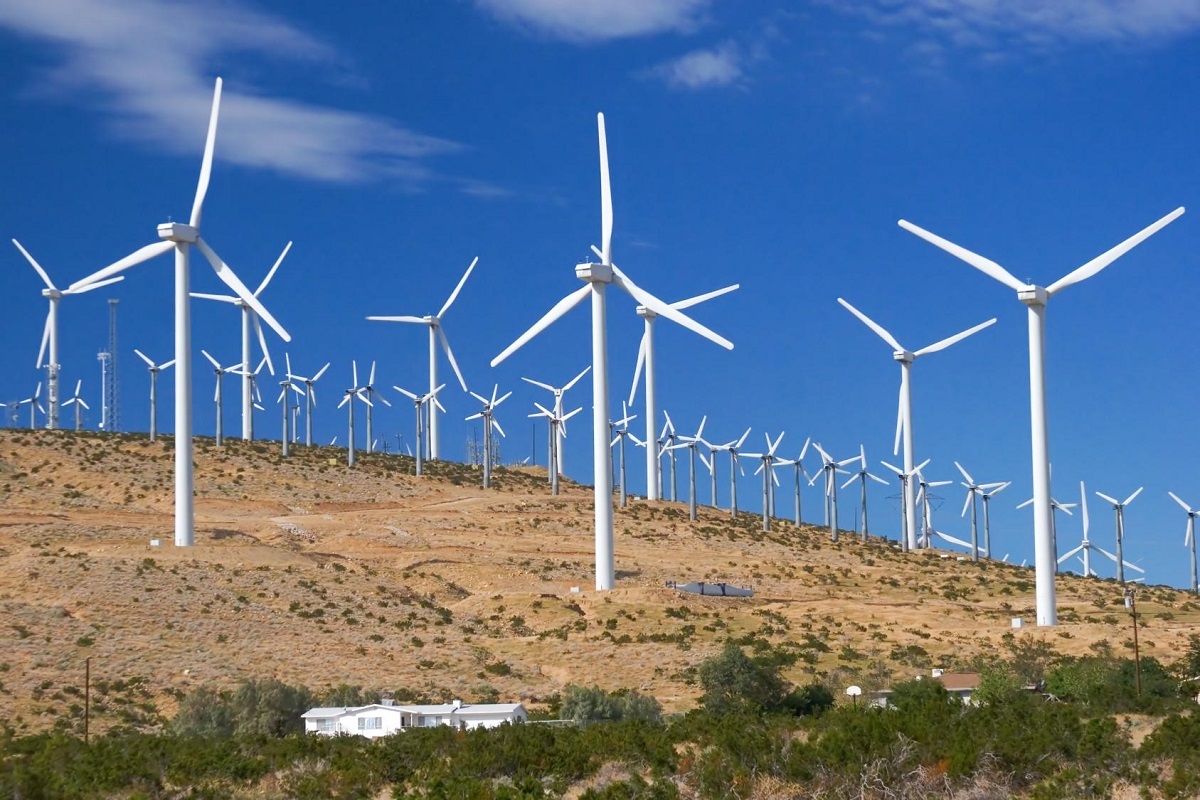
Cutia Wind Complex Belongs to Paranaense Copel, Has Capacity of 312 MW and Commissions Last Turbines in Its Final Testing Phase
The last turbines of the Cutia wind complex, in the state of Rio Grande do Norte, have been commissioned.
The Wind Farm is located on the north coast of Rio Grande do Norte and has an installed capacity of 180.6 MW with 71.4 MW of guaranteed capacity sold in a reserve energy auction.
The wind complex involves seven wind farms and belongs to the paranaense state company Copel, having commissioned the last turbines and is part of a complex made up of 13 parks with 312.9 MW of installed capacity, enough energy to supply 883,000 people.
-
Haiti’s capital is experiencing an energy and construction crisis, facing blackouts, a blocked port, and buildings at risk after years of instability and a significant earthquake.

-
Government unlocks R$ 554 million for a highway that has been requested for decades and accelerates the duplication of BR.

-
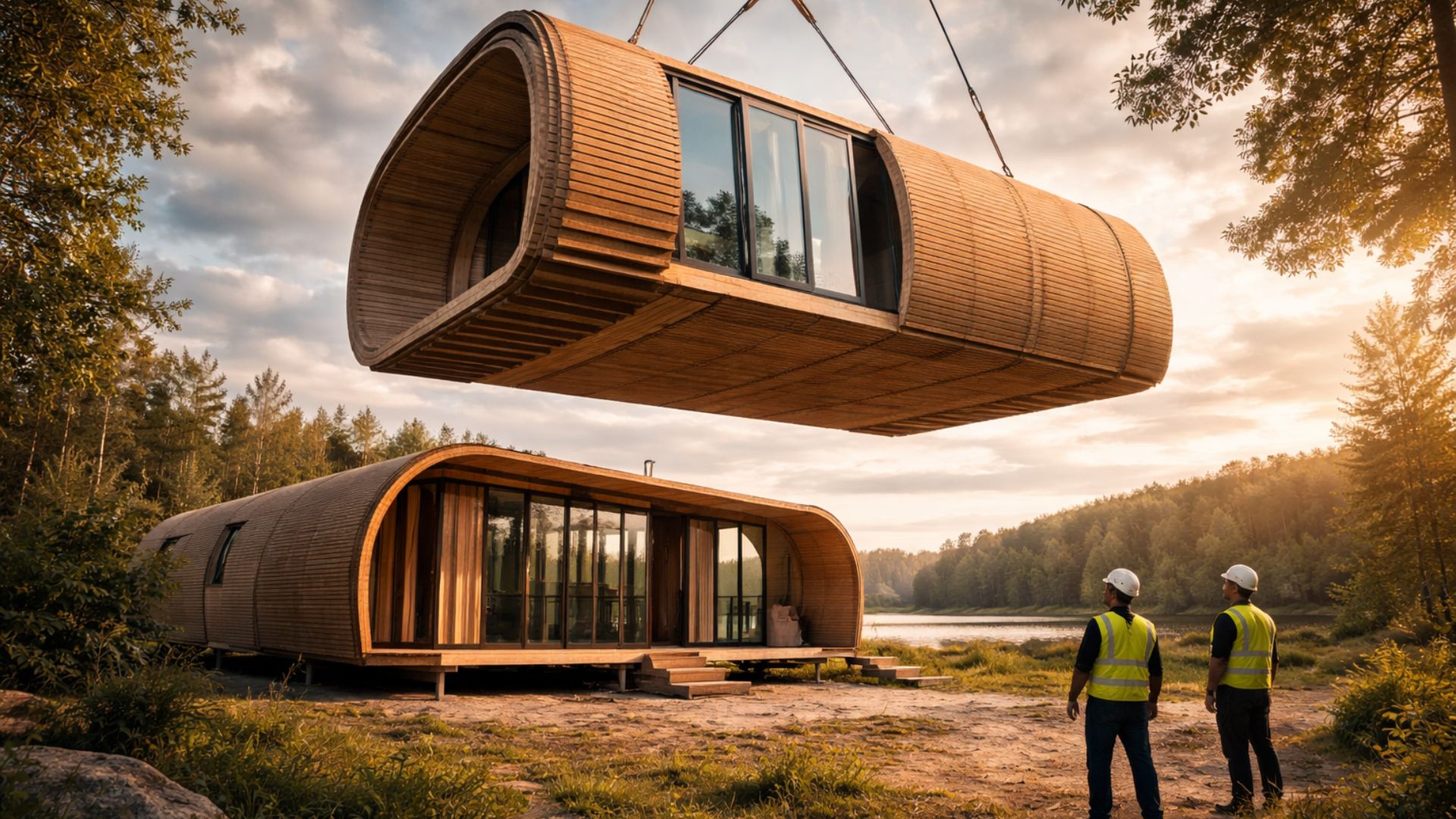
Without bricks, without cement, and without endless construction: the cardboard house that is assembled in modules and can be moved.
-
Billions of barrels on the equatorial margin could lead Amapá to double its oil production in Brazil — the state aims to enter the route of companies in the Campos Basin, attract investments, and boost jobs and businesses in the oil and gas sector.


A total of R$ 2.1 billion was invested in the Cutia wind complex, which is part of a group of 5 complexes built by Copel in Rio Grande do Norte. The parks Brisa Potiguar, São Bento, São Miguel do Gostoso, and São Bento do Norte have already been delivered.
The company K2 Consulting was responsible for engineering services, including assisting in ensuring the quality of the equipment delivered on site, and for supervising the installation and commissioning of the wind turbines.
The contract period was 12 months and covered 86 turbines of 2.1 MW, which operate at 90%, with energy being sold in the short-term market.
Copel acquired the concession for the project in the 6th Reserve Auction that took place on October 31, 2014, and the average price set in August 2017 was R$ 174.36/MWh.
Why Rio Grande do Norte?
According to the company itself, the choice of Rio Grande do Norte as the headquarters for Copel’s complexes took into account the state’s energy generation potential, assessed through data analysis such as wind frequency, intensity, and direction, as well as the terrain profile (the flatter and more open, the better).
The regularity of winds in the Northeast allows Brazil to exhibit the best capacity factor for generation with this source on the planet.







-

Uma pessoa reagiu a isso.