





 Portuguese
  English
  Spanish
  3 min of reading
  3 comments


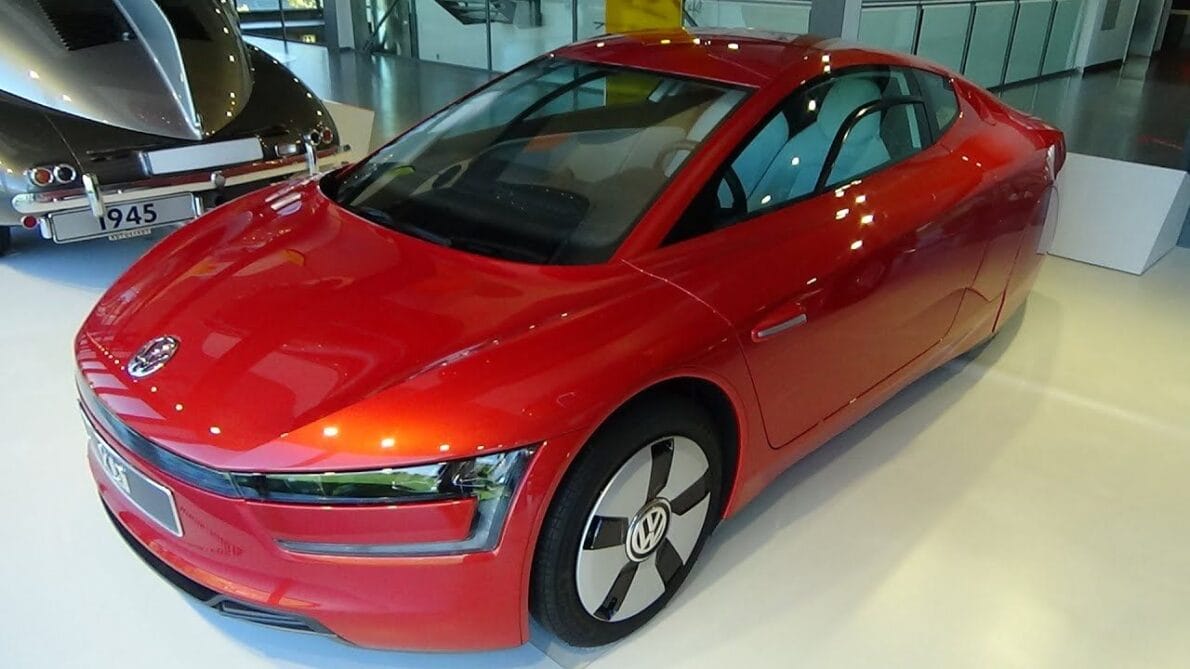

The Volkswagen XL1, known as the most fuel-efficient car in the world, surprises by covering up to 111 km with just one liter of fuel. Unveiled to the public in 2013 at the Geneva Motor Show, this revolutionary vehicle stands out for its energy efficiency and innovative design.
Ferdinand Piëch, grandson of Ferdinand Porsche and chairman of the Volkswagen Group from 1993 to 2002, drove the creation of extraordinary vehicles, such as the Bugatti Veyron. Within this era of innovation, the project of the Volkswagen XL1 was born, the challenge of producing a car capable of achieving 100 kilometers per liter, the most fuel-efficient car in the world.
The idea became reality with the launch of the XL1 in 2013, after evolutions since its first prototype in 2002. It can travel from São Paulo to Santos with just ONE LITER of fuel. Can you imagine the success it would be?
Engine of the Volkswagen XL1, the Most Fuel-Efficient Car in the World
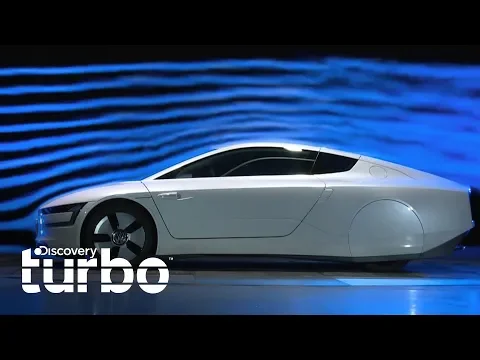

The engine of the Volkswagen XL1 is a hybrid powertrain that redefines the concept of energy efficiency. Its main engine is a small but efficient two-cylinder diesel, with only 0.8 liters, that produces 47 horsepower. This engine is complemented by a 27-horsepower electric motor, which elevates the combined power to 68 horsepower.
-
OMODA & JAECOO grows in Europe in 2026 with an integrated strategy of sales, innovation, local production, and technological advancement in the United Kingdom, Italy, and Spain.
-
OMODA & JAECOO expands after-sales service in Brazil with competitive maintenance, a 7-year warranty, and high availability of parts for technological SUVs.

-
OMODA & JAECOO appoints Alessandra Souza as executive marketing director in Brazil and accelerates brand expansion with a focus on innovation, networking, and hybrid portfolio.

-
Jaecoo 7 with super hybrid SHS system exceeds 1,200 km of combined range with a 1.5 turbo engine, high-density battery, and intelligent energy management.

The magic of the XL1 lies not in power, but in its exceptional torque of 14.3 kgf.m, which, along with its lightweight and aerodynamic design, allows for extraordinarily low fuel consumption. The electric motor, in addition to providing extra power, contributes to efficiency by allowing the car to operate in full electric mode on short trips, further reducing fuel consumption and emissions.
And The Consumption That Catches Attention?
The Volkswagen XL1 stands out in the global automotive scene primarily for its unparalleled fuel consumption, setting a new standard for efficiency. With a claimed consumption of 111 km/l under ideal conditions, the XL1 challenges conventional notions of fuel economy. In practice, the vehicle has demonstrated the ability to travel around 50 km/l using only the diesel engine, and when operated in combined conditions of electric and diesel engines, the average consumption can reach approximately 75 km/l.
The XL1 utilizes a hybrid system that combines a two-cylinder diesel engine with an electric motor, providing highly efficient operation in both urban and highway settings. This efficiency is achieved through advanced technologies and an integrated approach to design and engineering. The car was designed to maximize fuel economy while minimizing air resistance and vehicle weight.
Besides diesel, the XL1 benefits from its electric capacity, which allows it to drive up to 50 km without consuming any fossil fuel, significantly contributing to overall fuel savings and reducing pollutant gas emissions. The small capacity of the fuel tank, just 10 liters, is enough to offer impressive range, thanks to its remarkable energy efficiency.
Design Also Helps
Volkswagen achieved maximum efficiency in the XL1 through meticulous aerodynamic design, lightweight materials such as carbon fiber and magnesium, and a seven-speed DSG automated transmission. Weighing only 795 kg, the car features cameras in place of traditional mirrors, omitted rear glass, and covered rear wheels, optimizing aerodynamics.
In the used car market, the XL1 has become a collector’s item, coveted for its rarity and historical significance as the most fuel-efficient car in the world. Even today, the Volkswagen XL1 retains its title, symbolizing a milestone in the search for sustainable solutions in the automotive sector.









Tecnologia para reduzir consumo, não é algo novo. O que não permite o lançamento de veículos tão eficientes, é o loby dos produtores de petróleo.
Abril é o mês da mentira
Loucura