





 Português
  Inglês
  Espanhol
  4 min de leitura
  11 comentários





Paulo Guedes Exposes Economic Challenges of Brazil Under Lula’s Government. Criticizing the Centralization of Power and Increased Spending, He Advocates Urgent Structural Reforms to Avoid a Cycle of Low Growth and Indebtedness. Will the Country Be Able to Overcome These Barriers?
Paulo Guedes Fires Against the Government Lula and the PT, Warning About the Consequences of Policies That Stifle Investments and Increase Public Debt.
The Economic Future of Brazil Is Threatened by Centralizing Practices and Uncontrolled Spending, According to the Former Minister.
Structural Reforms Are Urgent to Avoid Financial Collapse and Ensure Sustainable Growth.
-
Brazilian city gains industrial hub for 85 companies that is equivalent to 55 football fields.

-
Peugeot and Citroën factory in Argentina cuts production by half and opens a layoff program for more than 2,000 employees after Brazil drastically reduced purchases of Argentine vehicles.

-
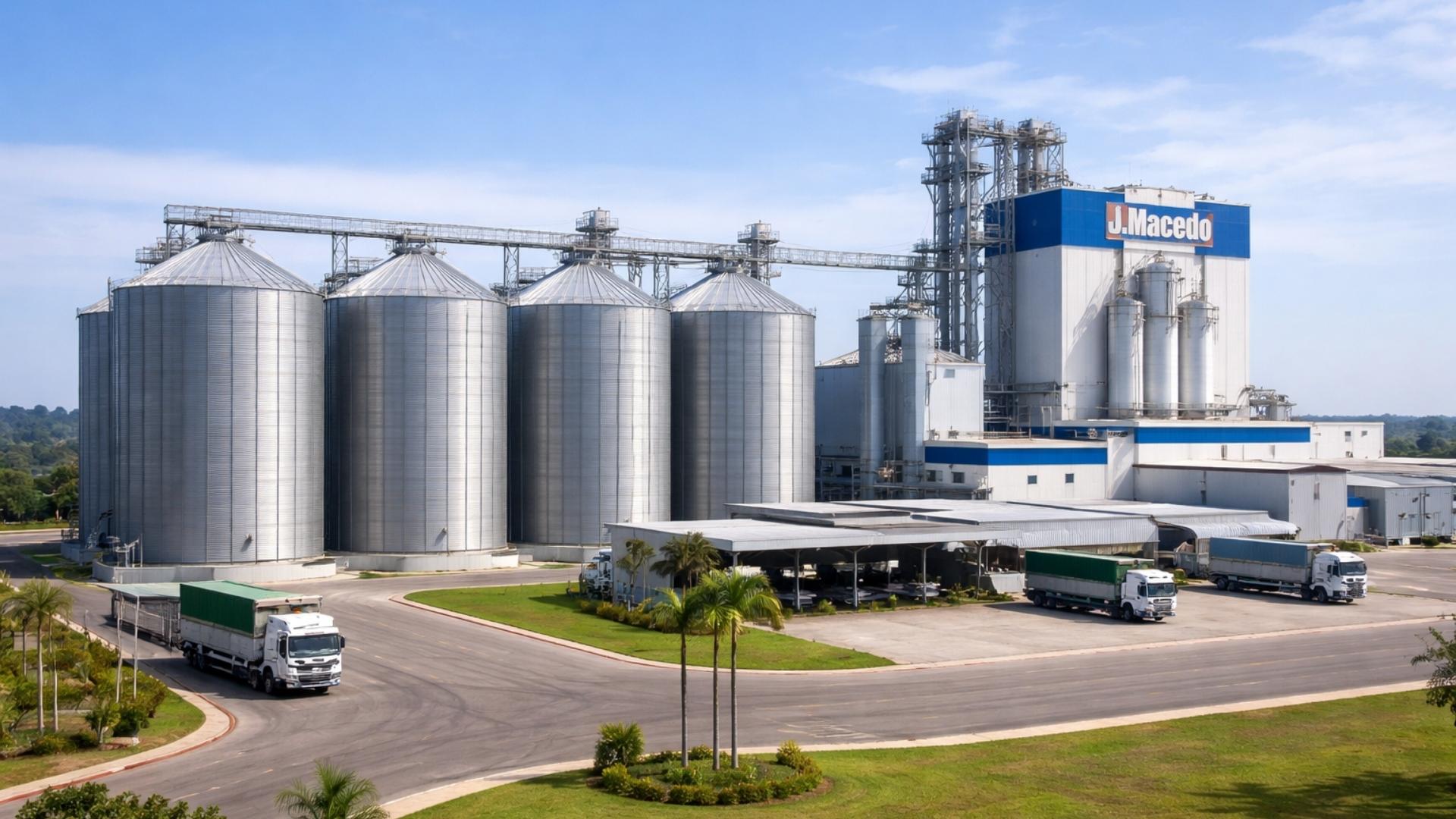
A Brazilian city gains a factory worth R$ 300 million with the capacity to process 200 thousand tons of wheat per year, a mill of 660 tons/day, silos for 42 thousand tons, and an industrial area of 276 thousand m².
-
Havan will leave the shopping mall in Blumenau to inaugurate something that the chain has never done before: a megastore in half-timbered style in the Historic Center of the city, which is expected to be completed in May and change the landscape of local retail.


The Statements of Former Minister Paulo Guedes Are in a Video Published by the Channel The Billionaire Brasil.
On This Occasion, the Economist Shares His View on the Obstacles of the Brazilian Political System and the Possible Impacts on the Economy.
The Political and Economic Scenario of Brazil Often Sparks Intense Debates About the Paths the Country Should Follow to Achieve Sustainable Growth and Stability.
Recently, Former Minister of Economy Paulo Guedes Brought to Light a Comprehensive Analysis of the National Situation, Discussing Structural Aspects of the Political System and the Impact of Public Policies Adopted by the Current Government and Previous Administrations.
According to Guedes, Brazil Faces Significant Challenges Due to a Highly Centralized Political System, Which, in His View, Limits the Independence of Powers and Harms Institutional Credibility.
He Argues That, Without Structural Reforms, the Country May Remain Trapped in a Cycle of Low Economic Growth and Regional Inequalities.
The Brazilian Political Configuration
For Paulo Guedes, the Brazilian Political System Is Primarily Characterized by Center-Left Parties, With No Consolidated Space for Liberal or Right-Wing Forces.
He Points Out That This Configuration Dates Back to Redemocratization, When Groups Opposing the Military Regime Shaped the Current Political Structure.
Guedes Highlights That This Predominance Has Significant Impacts on How Economic and Institutional Decisions Are Made.
He Cited Historical Examples, Such as the Fall of Former President Fernando Collor de Mello, Which, According to Him, Was Not Motivated Solely by Corruption Issues but Also by His Lack of Alignment with the Predominant Political System.
This Logic, Guedes Argues, Also Applies to Other Episodes of Brazilian Politics, Including Scandals That Marked PT Governments, Such as Mensalão and Petrolão.
Governability and Institutional Independence
One of the Points Raised by Guedes Is the Relationship Between Governability and Independence of Powers.
He Criticized Practices That, in His View, Compromise the Separation of Powers and Directly Affect the Economy.
For Him, Decisions Aligned with Specific Interests, Rather than Guided by Technical and Independent Criteria, Undermine Investor Confidence and Stifle Development.
“When Powers Do Not Operate Independently, the Country’s Credibility Is Undermined,” Guedes Asserted, Emphasizing the Importance of a More Decentralized System.


The Impact of Past Economic Policies
When Analyzing Brazil’s Economic Performance Under Previous Administrations, Guedes Highlighted That the Country Faced Periods of Stagnation and Regression.
He Mentioned That, During PT Governments, the Gross Domestic Product (GDP) Recorded an Average Drop of 7%, While High Inflation and Interest Rates Hampered the Recovery of Growth.
For Guedes, These Results Reflect Economic Policies That Prioritized Increased Public Spending Without Strategic Planning.
He Argued That This Model Resulted in an Economic Trap Characterized by Low Growth and High Inflation, Harming the Country’s Productive Potential.
However, He Acknowledged That Brazil Achieved Advances in Strategic Sectors, Even While Facing Internal and External Challenges.
During Bolsonaro’s Government, Guedes Highlighted That R$ 900 Billion in Contracted Private Investments Were Left Behind, Which Could Drive Economic Growth.
Current Economic Policies
Regarding Lula’s Government, Guedes Expressed Concern About the Possibility of Returning to Practices That Increase Centralization of Power and Public Spending.
He Stated That Decisions Such as Increasing Public Debt and Raising Taxes Could Discourage Private Investments and Compromise Productivity.
“Brazil Needs a Clear Direction That Ensures Sustainable Growth, But Current Policies Indicate a Path of Greater Indebtedness and Economic Pressures for Future Generations,” Said the Former Minister.
Guedes Also Highlighted That Policies That Increase the Dependency of the Private Sector on the Government Generate Legal Uncertainties and Hamper the Attraction of New Investments.
According to Him, Creating a More Favorable Environment for the Private Sector Is Essential to Ensure the Resumption of Economic Growth.
Structural Reform as a Solution
One of Guedes’ Main Proposals Is the Need for Structural Reforms That Decentralize Resources and Power in Brazil.
He Argued That, Without These Changes, the Country Will Continue to Face Difficulties in Implementing Public Policies That Promote Growth and Sustainable Development.
Among the Reforms Mentioned Are the Simplification of the Tax System, Reduction of the Size of the State, and Greater Autonomy for States and Municipalities.
Guedes Believes That These Measures Could Make the System More Efficient and Less Susceptible to Political Pressures.
The Future of the Brazilian Economy
At the End of His Analysis, Paulo Guedes Emphasized That Brazil Has the Potential to Overcome Its Economic and Political Challenges, But That This Depends on Strategic Choices and Commitment to Institutional Independence.
He Warned That “Maintaining a Model Based on Centralization and Excessive Spending May Compromise the Opportunities Achieved in Recent Years.”
According to Him, It Is Fundamental That the Current Government Adopts Measures That Reinforce Investor Confidence and Ensure a Stable Legal Environment.
Guedes Emphasized That Brazil Cannot Afford to Lose Strategic Opportunities in an Increasingly Competitive World.
With So Many Challenges and Possibilities Ahead, the Future of the Brazilian Economy Depends Directly on the Political and Economic Choices Made Today.
Will Brazil Manage to Find the Balance Between Sustainable Growth and Fiscal Responsibility? Or Will It Remain Stuck in a Model of High Centralization and Low Results?








Paulo Guedes, quanto tempo falta para o Brasil virar uma Argentina e depois uma Venezuela?
Não sou **** nem gosto do Lula mas porque o Paulo Guedes não deu um grito na economia brasileira quando teve oportunidade????????? ?
Parece que o jornalista Fisher não conseguiu convencer os internautas com a publicação do paulo guedes. Será que o jornalista tem memória seletiva?