





 Portuguese
  English
  Spanish
  4 min of reading


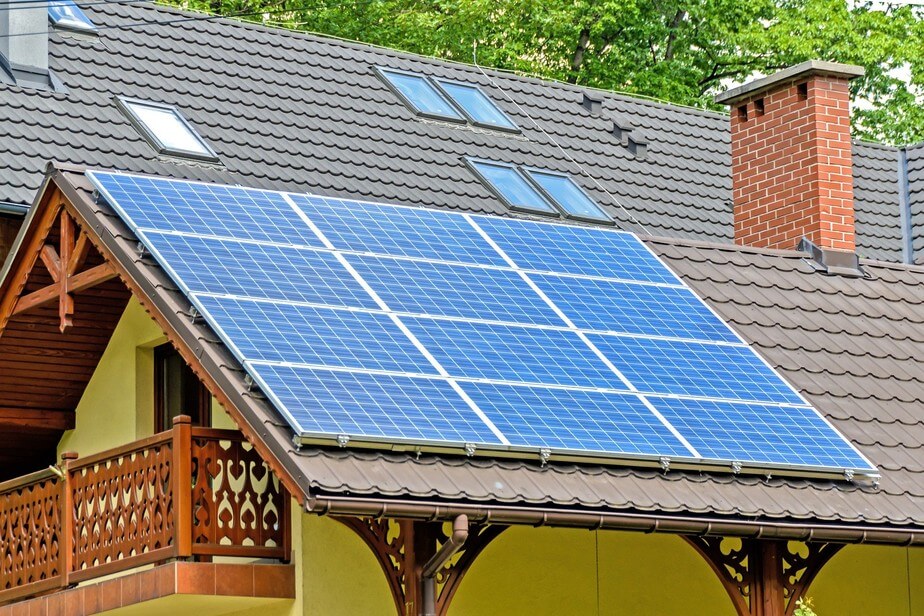
The Taxation of Solar Energy Probably Will Not Be Approved in the Senate As Is, According to Senator Nelson Trad from PSD.
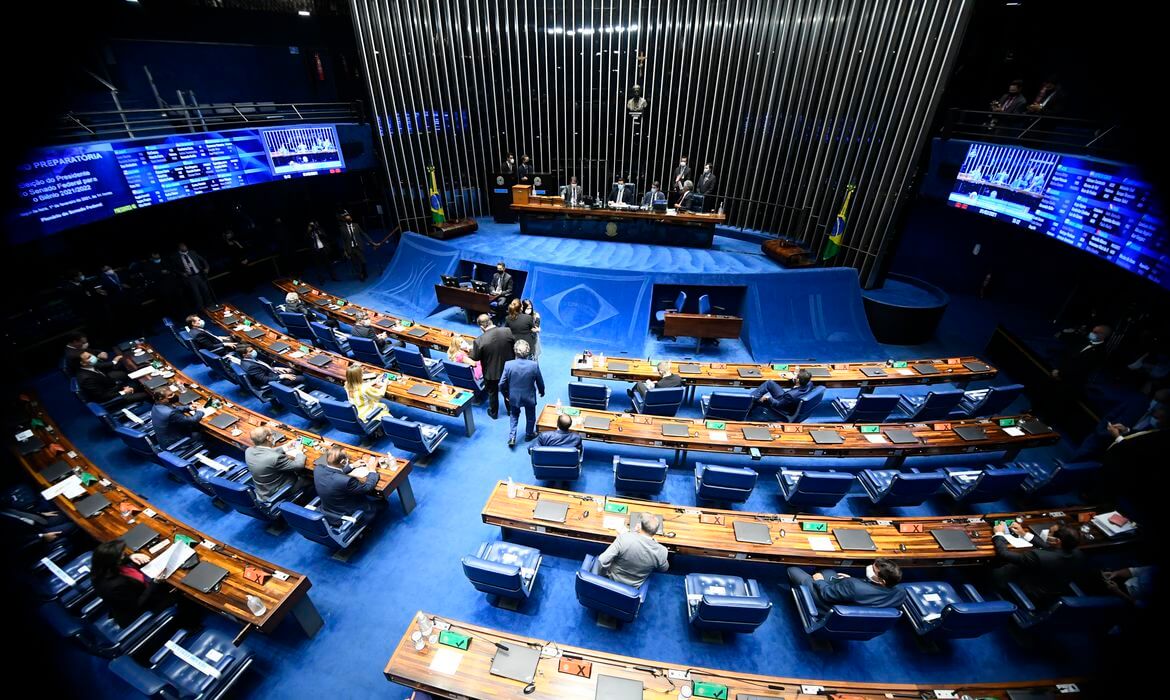
Senator Nelson Trad from PSD commented last Friday that the bill for the taxation of solar energy generation will not be brought to the Senate Floor, as it was approved in the Chamber, and it will probably be removed from the agenda. According to him, there is information that needs to be modified and verified for the text to be definitively approved in the Senate.
The text, authored by Senator Silas Câmara (Republicans-AM) and reported by Deputy Lafayette Andrada (Republicans/MG), has received mixed reactions, as there are valid points regarding the fact that people who generate their own energy still use the network managed by the utility company. However, there is concern that this tax may discourage the market that is still not widely popularized in Brazil.
- 2W Energia Expands Distributed Generation Service and Continues the Democratization of Access to Solar Energy in Brazil
- Solar Tax: Companies Pressure Brazilian Government for Approval of Bill Aiming to Tax Solar Energy in Brazil
- Senate Bill Aims to Change Petrobras Pricing Policy, Reducing Diesel Prices, Cooking Gas, and Keeping Gasoline at R$ 5
What Is the Argument for Taxing Solar Energy Generation?
It is based on the assumption that even if the generation is done entirely individually, whether residential, commercial, or industrial, it is still only supplementary. In other words, there is still a reliance on energy generated by the utility company and the use of the electrical grid, which is the responsibility of the utility. In this sense, the tax would come to cover the utility’s expenses for maintaining the electrical grid, and according to those who support the original proposal that came from the Chamber, this tax would stimulate job creation within the energy sector.
-
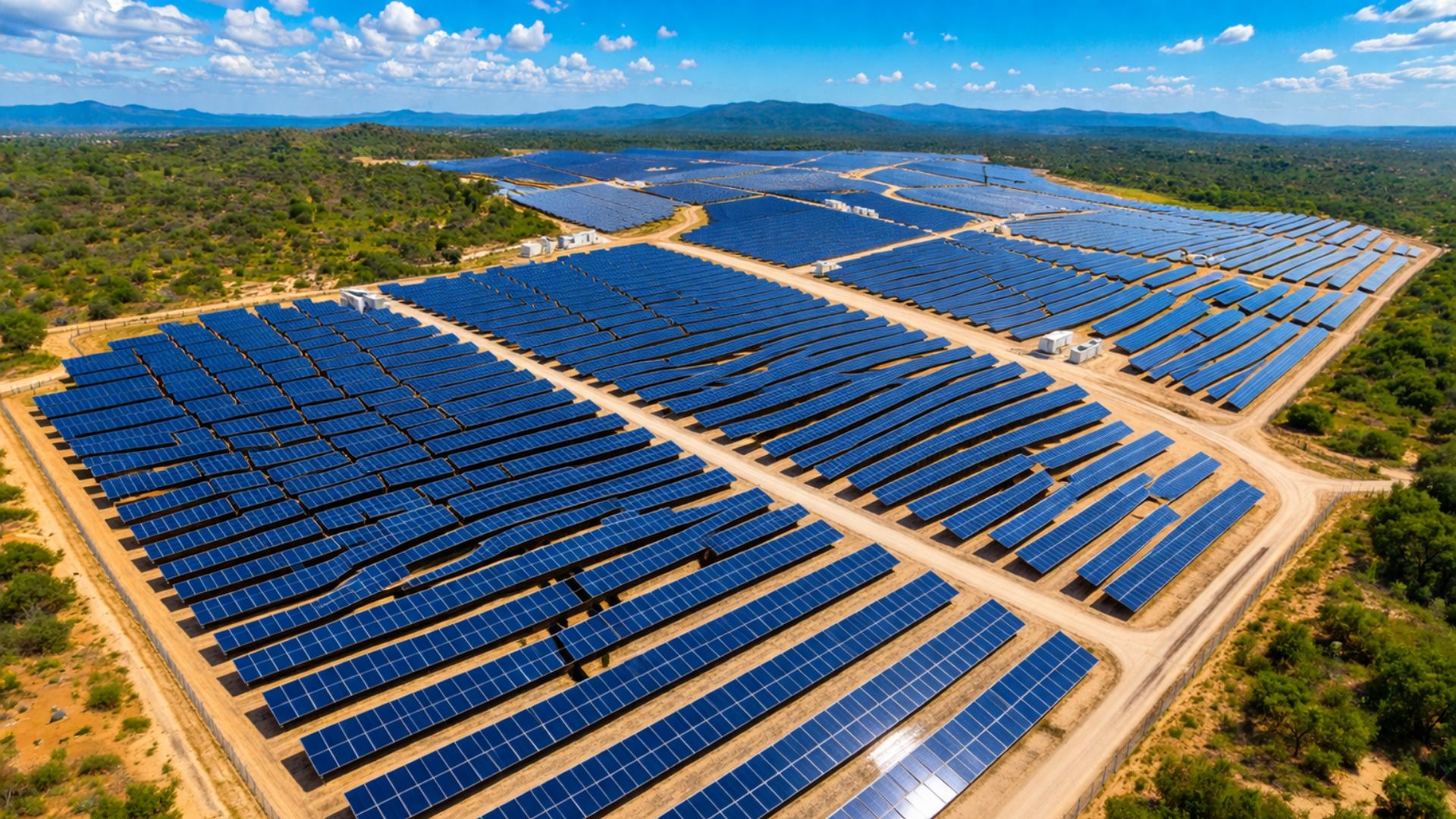
The Sol do Agreste Photovoltaic Complex begins operations in Pernambuco and accelerates the expansion of solar energy in Brazil, directly impacting the reduction of emissions and strengthening the sustainable energy matrix.
-
Brazilian city gains industrial hub for 85 companies that is equivalent to 55 football fields.

-
Peugeot and Citroën factory in Argentina cuts production by half and opens a layoff program for more than 2,000 employees after Brazil drastically reduced purchases of Argentine vehicles.

-
A Brazilian city gains a factory worth R$ 300 million with the capacity to process 200 thousand tons of wheat per year, a mill of 660 tons/day, silos for 42 thousand tons, and an industrial area of 276 thousand m².


What does the original base text of the law say? The tax would be charged gradually from 2023 to 2029, with the 2029 amount being the final tax value.
People and businesses that already have solar panels at this time will be exempt from payment until 2045.
Could the Solar Energy Generation Tax Slow Down the Solar Market in Brazil?
One of the biggest fears of those against this taxation is that it would slow down a market that has been growing exponentially in Brazil year after year.
The growth of decentralized solar energy is significant, especially with the considerable increase in the price per kilowatt hour generated by utility companies due to the difficulties of the water crisis.


One of the issues that the approval of the solar energy generation tax would bring at this time is a considerable sense of urgency, as people and businesses interested in having this system would seek speed in getting it, since with this matter being approved in 2022, there is a chance that there might be a deadline until 2024 for the tax to start being charged, and those who install their solar panels before the approval will be exempt from the tax until 2045.
What Would Be Done with the Collected Resources?
The solar energy generation tax bill provides that the revenues collected from these taxes would be directed to social projects involving the democratization of solar energy for the less privileged.
In other words, while it discourages the installation of private solar panels for some clients, the intention is to promote the installation of solar panels in low-income residences, similar to what was done when television signals were switched from analog to digital, and many families receiving welfare received decoders so they wouldn’t be left without TV.
Even though it has been under discussion since 2019, the solar energy generation tax law will have to return to the Chamber if it is altered by the Senate. After passing through both houses, it will finally be reviewed by the president, who has the power to veto articles or the integrity of the text, which would cause it to restart the process in the Chamber of Deputies in Brasília.










Seja o primeiro a reagir!