





 Portuguese
  English
  Spanish
  4 min of reading
  2 comments


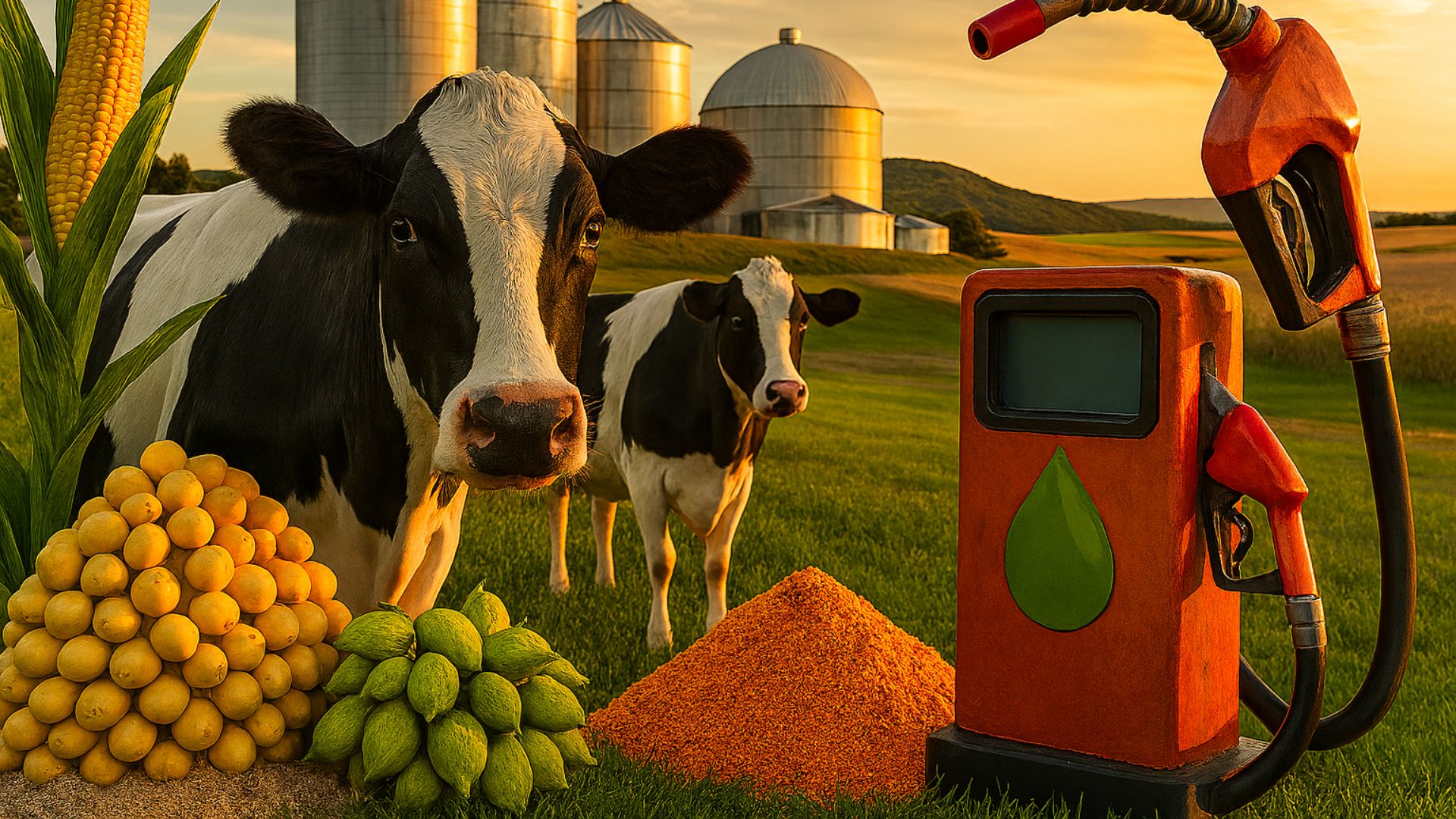

Byproducts of Corn Ethanol and Soybean Are Transforming Brazilian Livestock, Making Meat Production More Efficient, Sustainable, and Competitive in the Global Market
The Brazilian livestock industry is experiencing rapid expansion, driven by factors that go beyond animal genetics and confinement technology. On September 17, 2025, during the 5th Brazil Livestock Forum, experts highlighted the strategic role of biofuels — especially corn ethanol and soybean derivatives — as engines of meat production in the country.
According to Plínio Nastari, president of Datagro consultancy, soybean meal and DDG (dried distillers grains), byproducts of biofuel production, have been essential for intensifying livestock, allowing for earlier slaughter and better quality meat. This article explores how this synergy between agroenergy and animal protein is transforming Brazilian agribusiness.
Meat Production Gains Strength with Biofuels
The relationship between biofuels and livestock is not just complementary — it is strategic. Brazil, which is already a global reference in meat production, has expanded its capacity thanks to the intelligent use of byproducts generated in the production of corn ethanol and soybean crushing.
-
The Economist states that Brazil has a “secret weapon” against expensive oil and highlights how the country can reduce economic impacts even in international scenarios of high volatility.
-
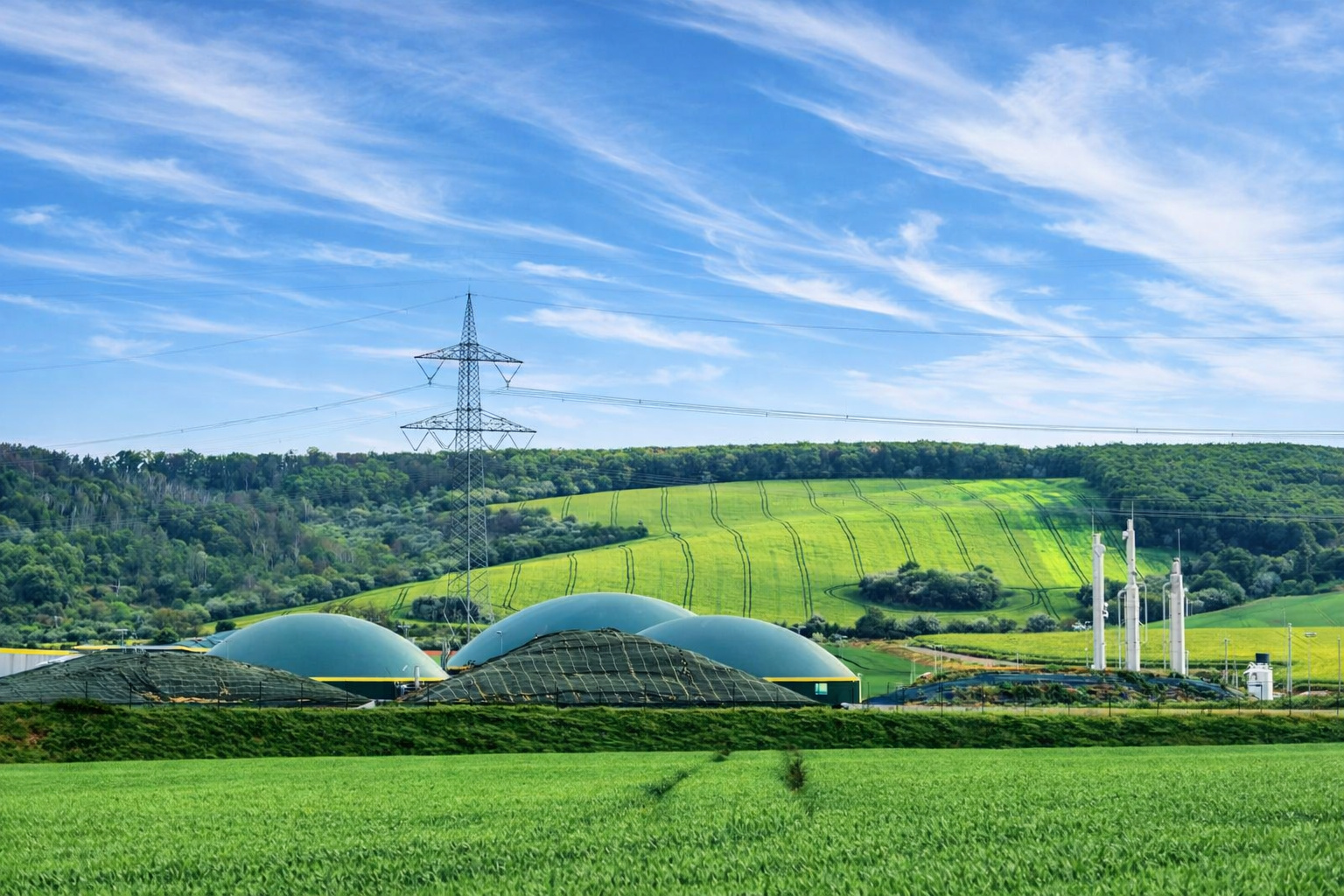
Brazil accelerates decarbonization in the South: International forum in Foz do Iguaçu gathers leaders to discuss the advancement of biomethane in the energy matrix and the potential of “caipira pre-salt.”
-
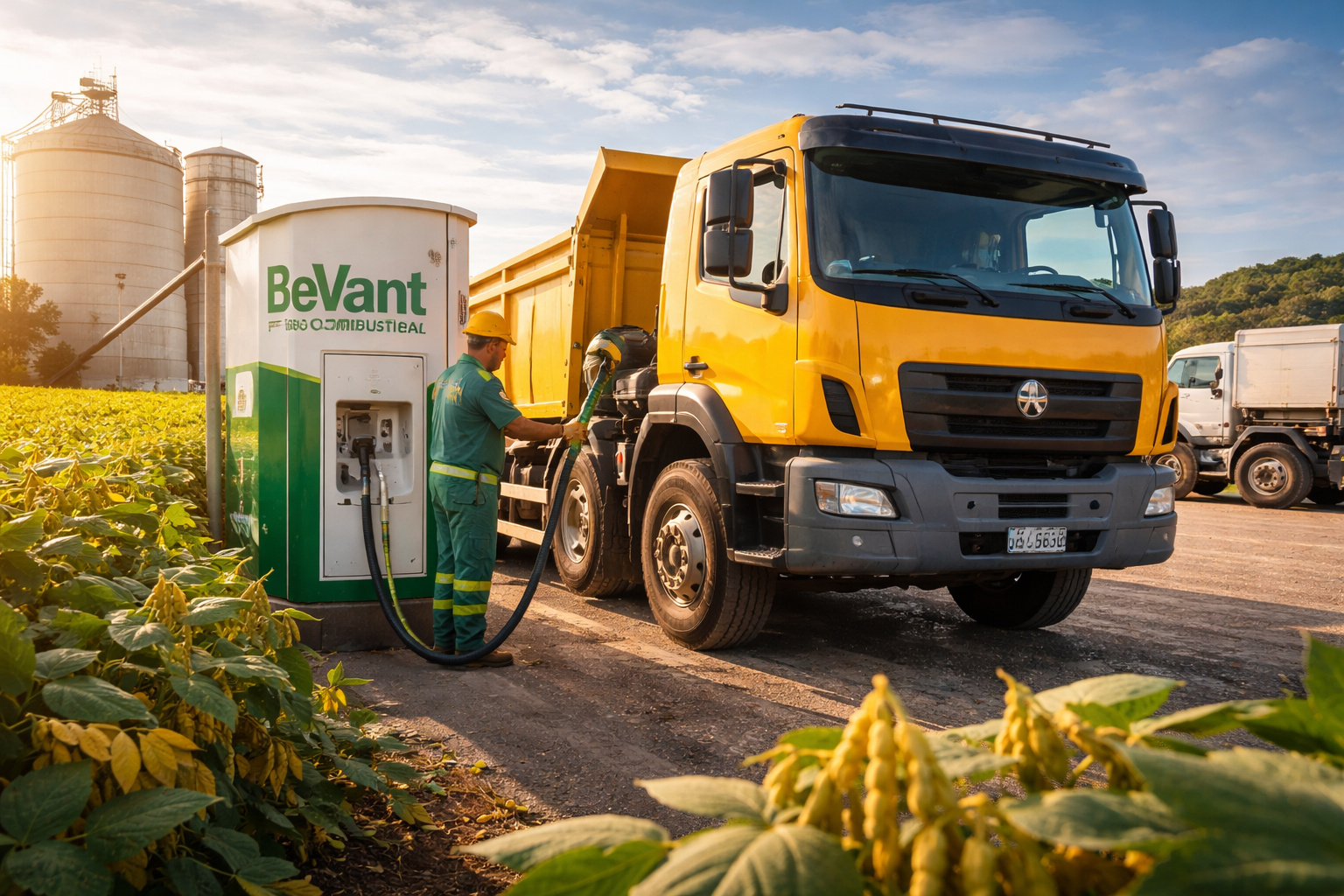
As diesel prices soar due to conflicts in the Middle East, a Brazilian city decides to test a little-known biofuel that promises to completely replace fossil fuel without adaptation and could change the future of energy in the country.
-
Innovation with biofuel engines transforms agribusiness by replacing diesel without the need for major adaptations, ensuring energy efficiency and helping to reduce dependence on oil.
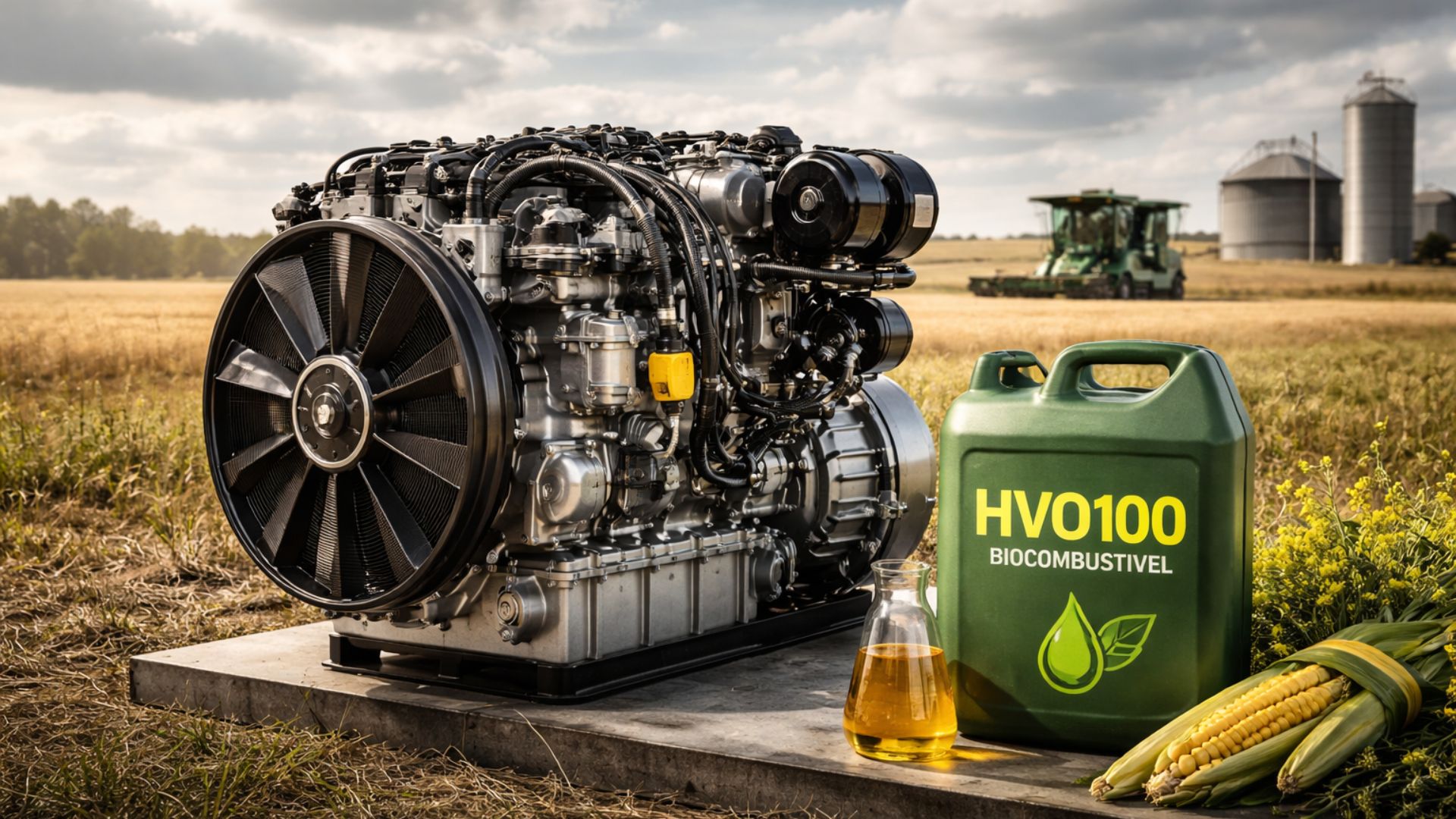
- Corn Ethanol: National production reached 11.1 billion liters in 2025, with a forecasted growth to 16 billion by 2026. This advancement means more DDG available, a rich source of protein for animal feed.
- Soybean: The crushing of the oilseed has doubled in the last 10 years, with an average growth of 3 million tons per year. The meal produced is essential for feeds for cattle, pigs, and poultry.
These inputs have increased the efficiency of meat production, making Brazil even more competitive in the international market.
Byproducts of Biofuels in Livestock Nutrition
DDG is a byproduct of the fermentation process of corn for ethanol production. Rich in protein and energy, it partially replaces corn and soy in feed, reducing costs and improving animal performance.
- Benefits:
- Increased weight gain rate of animals
- Reduced confinement time
- Improved meat quality
With the expansion of corn ethanol production, DDG becomes increasingly accessible to livestock farmers, strengthening the meat production chain.
Soybean Meal: Basis of Brazilian Animal Nutrition
Soybean meal is the main protein ingredient in feeds in Brazil. With the growth in soybean crushing, there is greater availability of this input, which favors intensive livestock farming.
- Relevant Data:
- Brazil is the world’s largest exporter of soybean meal
- Domestic production ensures stable supply for the livestock sector
Thus, soy not only drives the grain market but also supports the foundation of meat production in the country.
Meat Exports on the Rise: Reflection of Livestock Efficiency
Maurício Velloso, president of Assocon (National Association of Intensive Livestock), emphasized that global demand for Brazilian beef remains high, even in the face of trade barriers.
- July 2025: Record export of 313.6 thousand tons of beef
- August 2025: Second highest export in the historical series, generating revenue of R$ 1.6 billion — a 50% increase compared to the same month in 2024
These numbers show that, despite additional tariffs imposed by countries like the United States, Brazil maintains its relevance in the international market, thanks to the quality and competitiveness of its meat production.
Intensive Livestock and Sustainability: Integration with Biofuels
The evolution of Brazilian livestock is not limited to animal nutrition. The sector has invested in sustainable technologies that make the production system more efficient and less harmful to the environment.
Pasture Agriculture and Intelligent Confinement
- Techniques such as rotational grazing, silage, and haymaking increase productivity per hectare
- Brazilian confinements have evolved from learners to a global reference
This transformation ensures not only environmental sustainability but also economic sustainability, with lower production costs and greater returns for producers.
Biofuels as Allies of Livestock Sustainability
The integration between biofuels and intensive livestock also contributes to reducing the carbon footprint. The use of byproducts such as DDG and soybean meal prevents waste and maximizes the use of agricultural resources.
Additionally, the production of corn ethanol and biodiesel from soy has become more efficient, reinforcing the sector’s commitment to sustainable practices.
Data That Prove the Synergy Between Livestock and Biofuels
| Indicator | Current Value (2025) | Projection for 2026 |
| Corn Ethanol Production | 11.1 billion liters | 16 billion liters |
| Beef Export (Jul) | 313.6 thousand tons | — |
| Export Revenue (Aug) | R$ 1.6 billion | — |
| Growth in Soybean Crushing | +3 million tons/year | — |
These data reinforce the role of biofuels as the foundation of modern livestock and meat production in Brazil.

Brazil as a Global Reference in Animal Protein and Agroenergy
The Brazilian livestock industry is undergoing a silent revolution, fueled by byproducts from a sector that was once seen only as energetic. Corn ethanol and soy have ceased to be merely fuels or commodities — they have become strategic inputs for meat production.
With the growth of biofuel production, intensive livestock gains strength, efficiency, and sustainability. Brazil consolidates itself as a global leader not only in volume but in quality and innovation.
The synergy between agroenergy and animal protein is a clear example of how Brazilian agribusiness can be competitive, sustainable, and a key player on the world stage. And all indications are that this trend will continue in the coming years, benefiting producers, consumers, and the environment.








Muito bom
Olá