





 Portuguese
  English
  Spanish
  4 min of reading
  3 comments


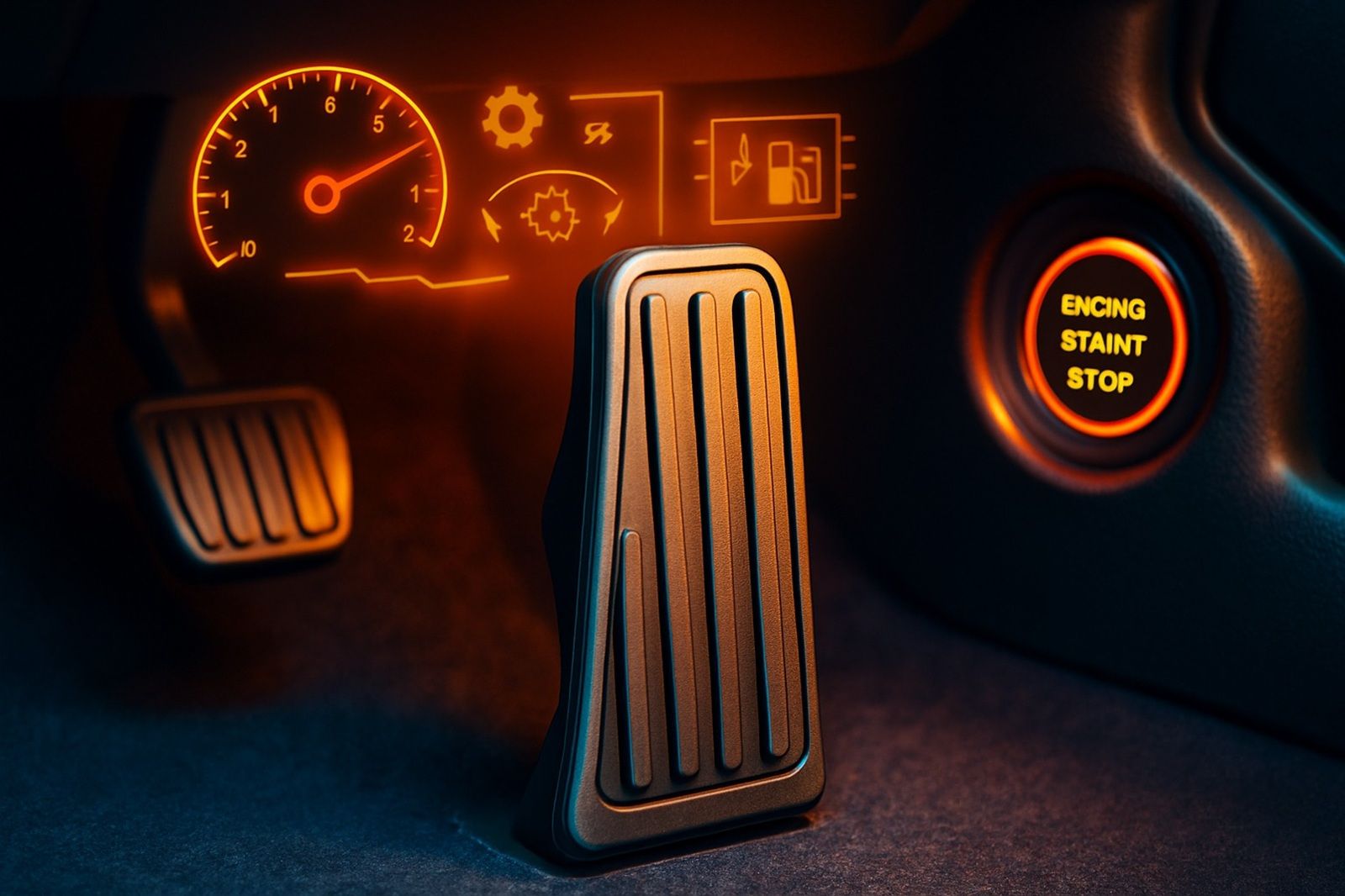


Beyond Controlling Speed, The Throttle Pedal Activates A Series Of Invisible Functions That Adjust Torque, Consumption, Stability, Traction, And Engine Response, Influencing Safety, Performance, And Economy Without The Driver Noticing
The throttle is much more than a simple command to increase speed. It has become, especially in modern cars, a complex link between the driver, the engine, and embedded electronic systems. When the pedal is pressed, a series of mechanisms and sensors work together to interpret the demand and adjust the vehicle’s behavior precisely, safely, and efficiently.
Control Of Air Intake And Throttle Opening
One of the most important functions of the throttle is to control the flow of air entering the engine. By pressing the pedal, the driver requests more power, and to deliver that force, the system needs to admit more air. The vehicle’s electronic control unit interprets the position of the throttle and opens the throttle body, allowing greater airflow. This process determines how combustion will occur and directly influences the car’s performance in different driving situations.
Indirect Regulation Of Fuel By The ECU
Although the throttle does not inject fuel by itself, it informs the injection system about the power demand. The engine control unit calculates the ideal amount that should be sent to the cylinders, considering factors such as temperature, rotation, altitude, and the oxygen mixture present in the exhaust gases. This precise regulation allows the engine to operate efficiently, avoiding waste and reducing emissions.
-
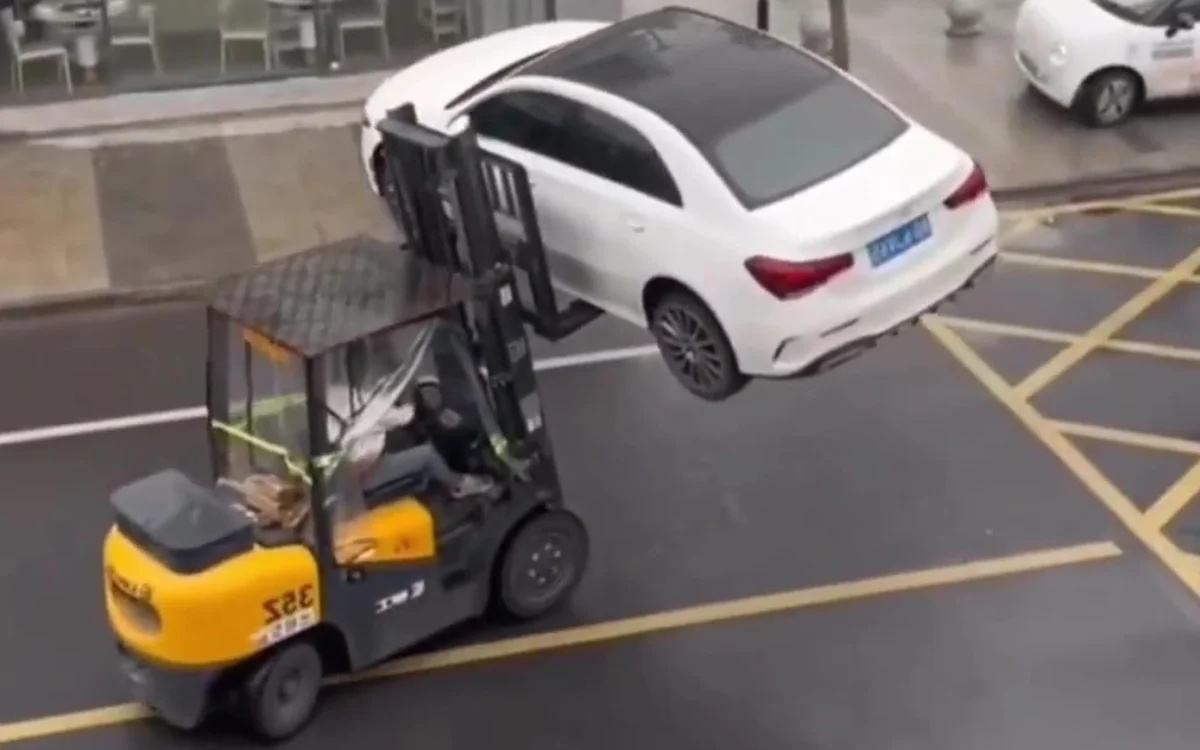
An irregular parking case gains attention after a Mercedes Classe A was removed in such a strange way that it even raised doubts about damage to the car.
-
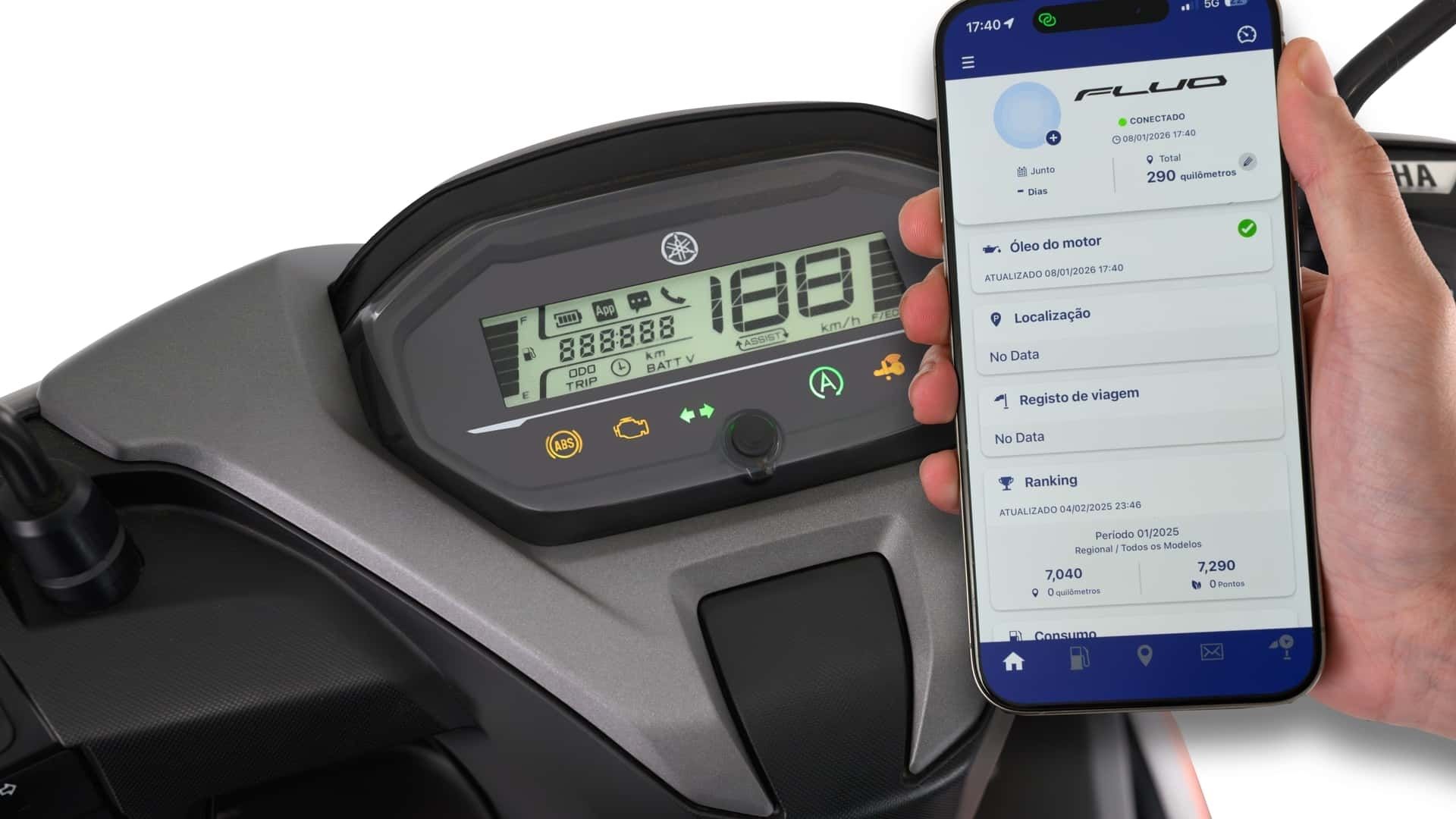
Costing R$ 16,000, the new Yamaha features a 125 cc hybrid engine with electric assistance, delivers 8.3 hp, includes ABS, optimized fuel consumption, Y-Connect connectivity, 25 liters of storage space, and a surprising 4-year warranty in the urban segment.
-
OMODA & JAECOO grows in Europe in 2026 with an integrated strategy of sales, innovation, local production, and technological advancement in the United Kingdom, Italy, and Spain.
-
OMODA & JAECOO expands after-sales service in Brazil with competitive maintenance, a 7-year warranty, and high availability of parts for technological SUVs.

Torque And Force Management At The Wheels
Another essential function of the throttle is torque management. The pressure applied to the pedal indicates to the system the desired level of force to move the vehicle. On an incline, for example, the driver naturally presses the throttle more because more power is needed to overcome the slope. In overtaking, it is the pedal command that requests a quick delivery of force. The throttle works as a modulator that adjusts the power delivered according to the driver’s intent.
Participation In Emission Control
The throttle also directly influences the level of emissions generated by the vehicle. As it regulates the amount of air entering the engine, it participates in the balance of the air-fuel mixture.
Specific sensors continuously analyze the oxygen content in the exhaust, allowing the ECU to correct possible deviations and maintain combustion within ideal limits. This balance ensures lower pollutant production and improves the functioning of the catalytic converter.
Integration With Stability And Traction Systems
In modern vehicles, the throttle is connected to active safety systems that prevent loss of traction. When the traction control detects that a wheel is spinning more than it should, it automatically reduces the throttle response to stabilize the car. The same happens with stability control, which adjusts the delivery of force to correct possible trajectory deviations. Even with the pedal pressed, the system can intervene to ensure safety.
Adaptation To Driving Modes
Cars equipped with driving modes use the throttle as a reference to alter engine behavior. In Eco mode, for example, the pedal response is smoother, prioritizing fuel economy.
In Sport mode, the response becomes immediate, delivering torque quickly and enhancing the feeling of performance. These variations are only possible because the electronic throttle allows the system to interpret commands in different ways.
Interaction With The Automatic Transmission
The automatic transmission relies on the throttle to make decisions about gear shifts. When the pedal is pressed hard, the system interprets that the driver needs more power and downshifts one or more gears, increasing the available force. This process, known as kickdown, is essential for overtaking and rapid accelerations. In calm driving, the transmission prioritizes lower RPMs to optimize consumption.
Contribution To Engine Braking
When the driver releases the throttle, the intake throttle partially closes, and the fuel injection is reduced by the ECU. This causes the engine’s movement to be used to slow down the vehicle. This effect, known as engine braking, helps control descents and prevents excessive wear on conventional brakes, making driving safer and more economical.
Smoothness, Comfort, And Precision In Driving
In modern vehicles, the electronic throttle uses sensors and algorithms that smooth its response. Small foot oscillations from the driver do not result in jerks or abrupt increases in RPM, ensuring comfort and stability. The electronic interpretation allows fine adjustments that make the driving experience more pleasant and fluid.
A System That Translates The Driver’s Intention
By bringing together various functions, the throttle consolidates itself as a strategic piece in the communication between driver and vehicle. It not only determines speed but also adjusts consumption, emissions, torque, and safety.
Although it seems simple, the pedal hides a network of decisions and adjustments that work together to ensure that each movement is interpreted accurately and transformed into efficient and controlled performance.








Já li matéria **** sobre carros, mas essa é prêmio Ignóbil.
Nós veículos antigos como o acelerador do Fusca Itamar como controla algum itens do motor 1600.?
Acelera anda, tira o pé, apaga.