





 Portuguese
  English
  Spanish
  5 min of reading
  0 comments


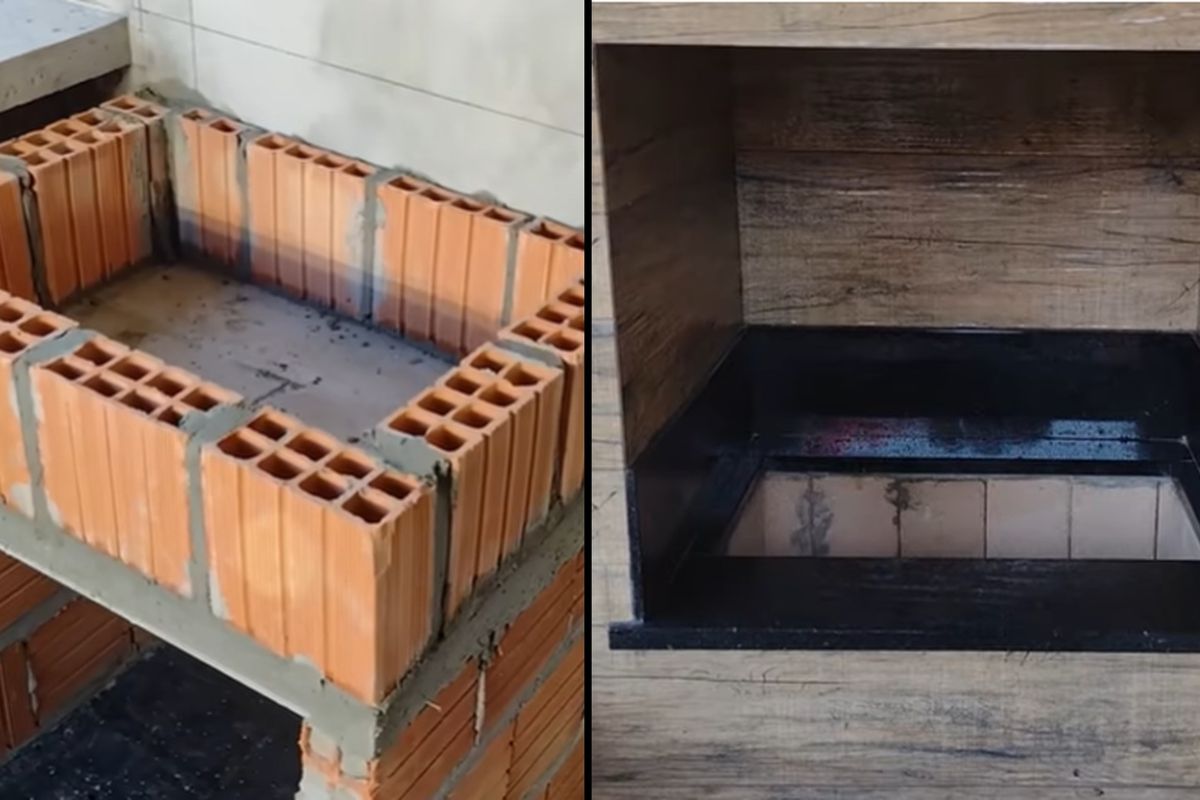
Mason Shows How to Build a Complete Brick Barbecue Using Bahian Brick, Slab Structure, Reinforced Mortar, and Refractory Coating to Withstand High Temperatures from the Fire.
A mason presented the complete process of building a brick barbecue, explaining each stage from the initial drawing to the final finishing. The goal is to show how anyone can understand the operation of the structure and safely follow the execution, using common construction techniques.
According to mason João Batista, responsible for the tips presented on the channel Irmãos a obra Araraquara, building a brick barbecue requires attention mainly in the fire area, where the heat is more intense. He explains that the correct use of bricks, reinforced mortar, and refractory coating ensures that the structure can withstand high temperatures without compromising the safety of the construction.
Mason Starts the Barbecue with Drawing and Measurement Marking
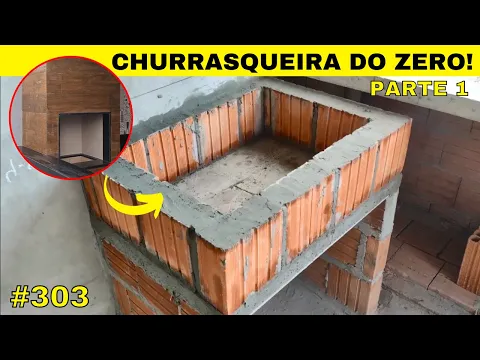

Before starting construction, the mason does something essential: he draws the entire barbecue directly on the wall. This planning helps visualize the measurements and prevents errors during the laying of the bricks.
-
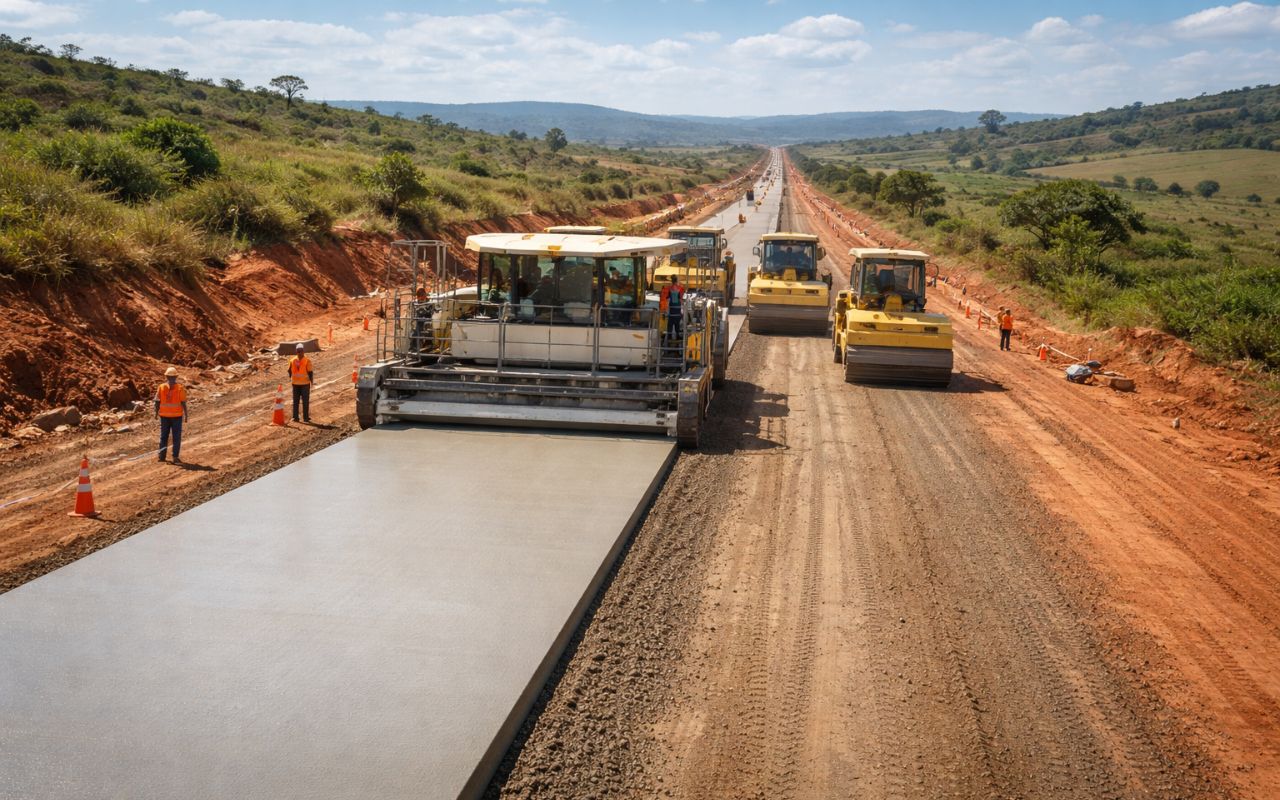
New CCR concrete paving technology promises roads up to 3x more durable, less maintenance, and cost reduction in Brazil.
-
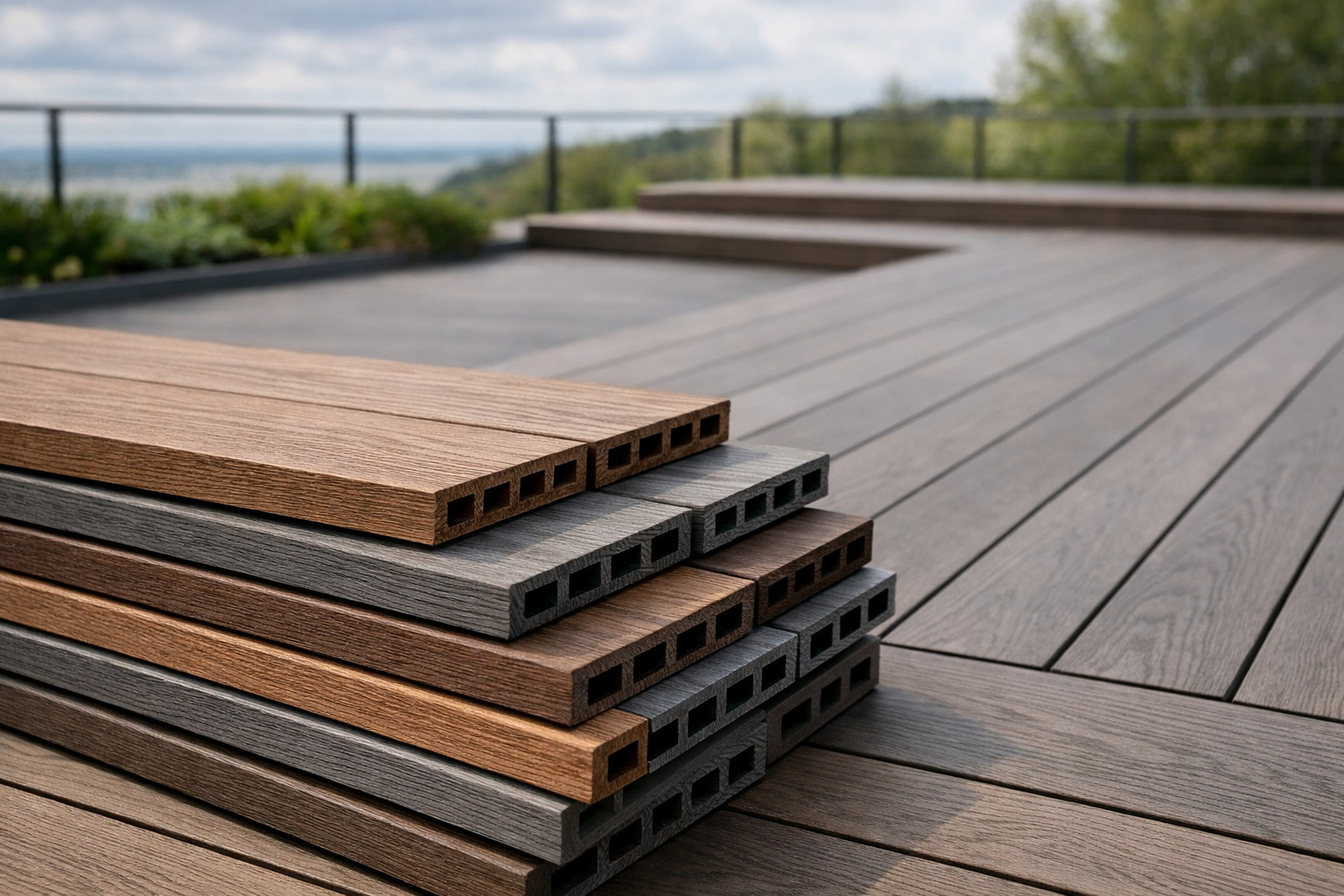
Made from recycled plastic, plastic wood is gaining space in the construction industry because it does not rot, resists moisture, and reduces maintenance costs over the years.
-
Florianópolis will receive a million-dollar BRT that will begin construction in 2026 with nearly 400 million in funding from the federal government and the Inter-American Development Bank, and the map already shows the routes for the exclusive bus corridors.

-
Without a blueprint, without an engineer, and using scrap from the dump, a father spends 15 years building an 18-room castle for his daughter, featuring tram tracks, 13 fireplaces, and over 700 m², which may now be demolished.

The marking indicates the width, depth, and height of the structure. By following this drawing, the mason can raise each stage in an organized manner.
The base of the barbecue begins with the laying of Bahian bricks with eight holes. Although some people consider this type of brick to be more fragile, the mason explains that the final strength depends on the technique used in the execution.
The initial structure was built with about 83 centimeters in width and 62 centimeters in depth. The mortar used for laying follows a reinforced mix with fine sand and cement, similar to the common mortar used in masonry, but with a bit more cement to ensure firmness.
Reinforced Slab Forms the Bottom of the Fire
Once the base of the barbecue reaches the desired height, the mason begins the construction of the slab that will serve as the bottom of the fire.
To facilitate the finishing of the underside, a porcelain piece is placed with the glazed side facing down. This detail helps to make the bottom part of the structure smoother and more organized.
Next, thin reinforcements are positioned forming a small metal mesh. This reinforcement will be encased by concrete.
The mason highlights an important technical detail. During the concreting process, it is necessary to slightly raise the reinforcement so that it remains in the center of the concrete, ensuring greater structural strength.
The concrete used in the slab is prepared with coarse sand, gravel, and cement. This mixture creates a solid base capable of withstanding the heat generated by the charcoal.
Construction of the Walls of the Fire Requires Attention to the Positioning of the Bricks
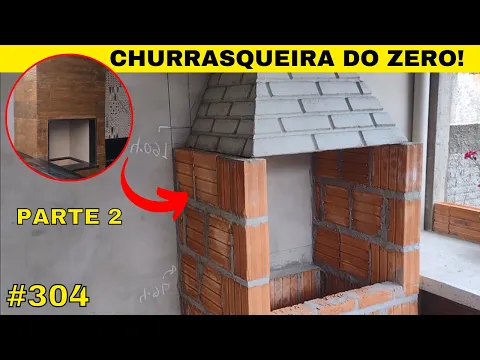
With the slab ready, the mason starts the construction of the walls of the fire compartment. This space will be responsible for concentrating the heat during the barbecue.
During this stage of the work, mason João Batista from the channel Irmãos a obra Araraquara shows an important technical detail by positioning the bricks with the holes facing up.
According to him, this technique allows filling the spaces with refractory mortar, creating an additional layer of protection against the heat generated by the charcoal inside the fire.
Later, these holes will be filled with refractory mortar, creating an additional layer of protection against the intense heat. This technique increases the safety of the barbecue and helps preserve the masonry structure.
The internal measurements of the fire are around 60 centimeters by 45 centimeters, with about 25 centimeters in height. These dimensions allow accommodating the charcoal and distributing the heat efficiently.
Mason Reinforces Structure Before Raising the Grill Compartment
In the next stage, the mason begins to raise the side walls above the fire. This space is where the grill and skewers will be located.
Before starting the laying of the bricks, a bracing with iron is done. This reinforcement prevents cracks from appearing at the corners of the structure.
A row of solid bricks is installed in the front to compensate for the height of the refractory coating to be placed later.
The front opening of the barbecue was planned to be about 64 centimeters wide and 60 centimeters high. The mason explains that this measurement is sufficient to allow the smoke to exit without causing a return to the environment.
Installation of the Range Hood Directs the Smoke to the Chimney
After completing the skewer compartment, it is time to install the range hood.
In this project, a pre-molded concrete hood was used. This piece helps direct the smoke to the chimney, improving the functioning of the barbecue.
The mason recommends acquiring the hood before starting the work. This way, it is possible to build the structure already adapted to the size of the piece.
After fitting the hood, the closure around it is done with masonry. A small beam is created in the front to support the bricks and keep the structure firm.
Refractory Coating Protects the Fire
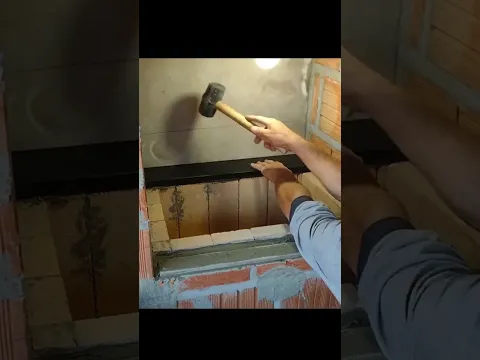
In the third stage of construction, the mason performs the internal coating of the fire with refractory bricks.
First, a special refractory mortar is prepared to withstand high temperatures. Then, the bricks are laid on the bottom and sides of the compartment where the charcoal will be.
The mason recommends using refractory bricks because they are thicker than ordinary slabs and better withstand heat.
After laying, a piece of granite is placed on the upper edge of the fire. This stone helps with cleaning and also contributes to the finishing of the barbecue.
Final Finishing Enhances the Barbecue
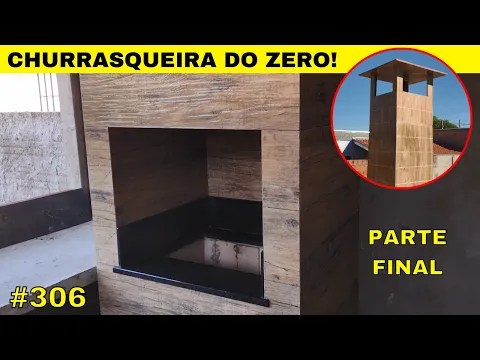
In the final stage of construction, mason João Batista, known for the tips shared on the channel Irmãos a obra Araraquara, emphasizes that the finishing also influences the durability of the barbecue.
He explains that the correct use of adhesive cement, levelers, and well-aligned pieces ensures a more resistant coating and a more professional look for the brick barbecue.
The finishing was done with rectified flooring that resembles wood. To make the meeting of the pieces perfect, the edges are beveled at 45 degrees using cutting tools.
Before laying the coating, a thin layer of adhesive cement is applied to the surface of the brick. Another layer is placed on the back of the coating piece.
This method is known as double gluing and greatly improves the adhesion of the material.
During the laying of the pieces, spacers and levelers are used to maintain the correct alignment. This care ensures a more precise and professional finish.
After completing the coating, the barbecue is ready for use. The result is a strong, functional structure suitable for preparing barbecues on weekends.
According to the mason, following all the steps makes it much easier for those who want to build something similar at home, as it allows understanding the logic of each part of the structure.
And you, would you attempt to build a brick barbecue following the step-by-step shown by the mason, or would you prefer to hire a professional to do the work?









-

-

-

-

-

-

40 pessoas reagiram a isso.