





 Portuguese
  English
  Spanish
  4 min of reading
  0 comments


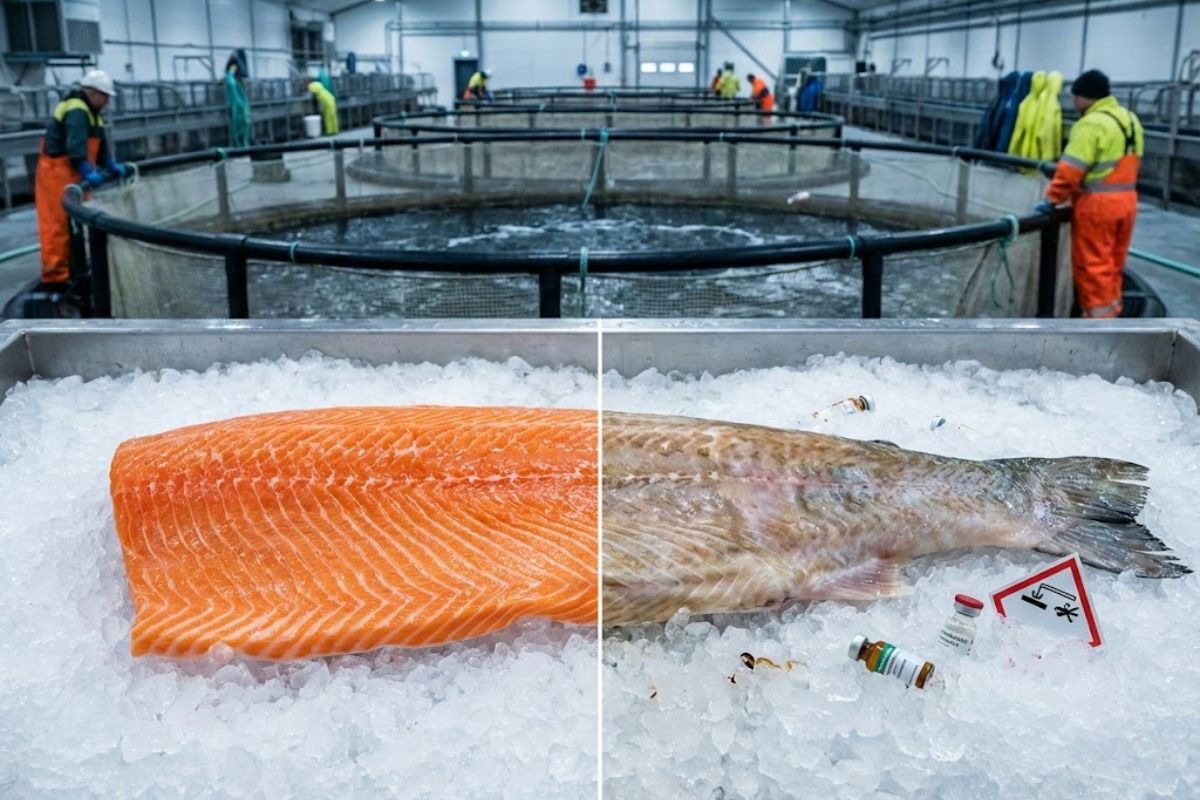
Batch After Batch, Farmed Salmon Arrives in the Country Mainly from Chile and Norway. Recent Studies and Analyses Suggest That Experts Point Out Contaminants, Heavy Metals, Antibiotics, and Chemicals Used to Control Diseases in Overcrowded Cages, as Well as Impacts on Coastal Ecosystems and Consumer Confidence.
In recent decades, Farmed Salmon has become a common presence on Brazilian tables, mainly driven by imports from Chile and Norway. Recently, studies cited by experts began to indicate elevated levels of contaminants, including heavy metals and chemical substances, reigniting the debate over food safety.
In recent years, the discussion has broadened because farming in overcrowded conditions relies on interventions to control diseases, with use of antibiotics and chemicals. At the same time, the model of cages in open waters is associated with environmental impacts, adding pressure on coastal ecosystems and undermining the credibility of the product in everyday consumption.
Why Farmed Salmon Has Entered the Alert Radar
The alert is growing because Farmed Salmon is a high-turnover fish in Brazilian retail, and there are concerns about contaminants such as heavy metals and chemicals.
-
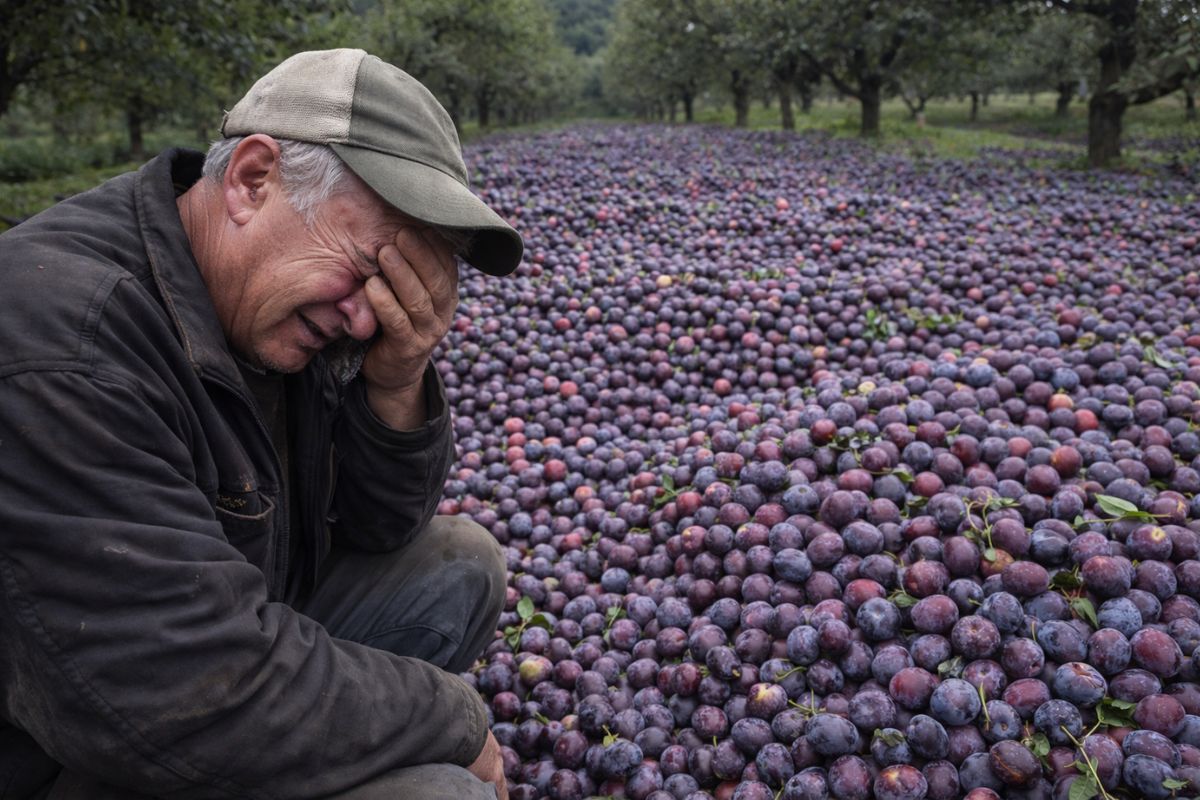
A rural producer from Urubici cries as he shows 50 tons of plums thrown on the ground because no one wanted to buy them, and in desperation, he records a video asking anyone to come to the property to pick the fruits before they rot.
-
Unable to pass through Hormuz, Brazil activated a plan B that uses Turkey as a gateway to the Middle East: the route through Gibraltar and the Mediterranean is longer and more expensive but ensures that chicken, beef, and corn continue to reach Arab markets.

-
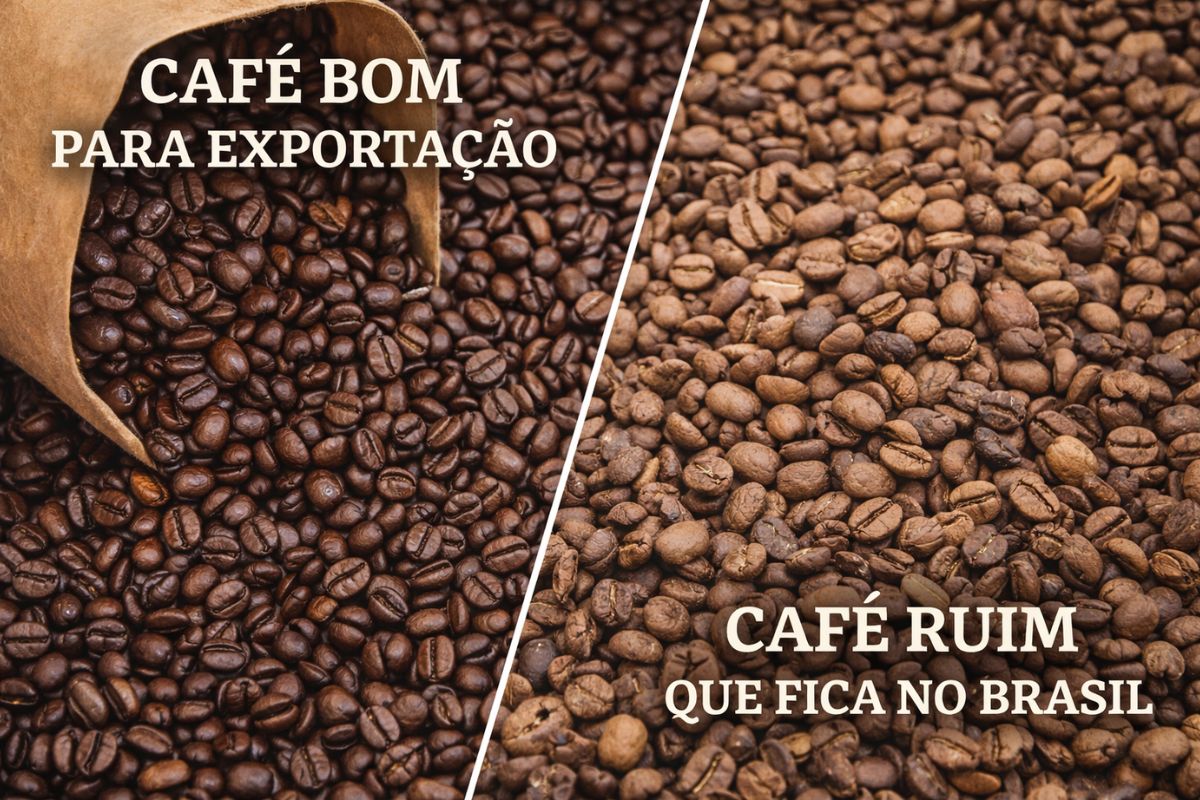
You grew up hearing that the good coffee from Brazil goes all abroad and the bad coffee stays for Brazilians, but this story has completely changed, and the numbers show that in the 1980s, thirty percent of the coffee sold here was adulterated with corn and barley.
-
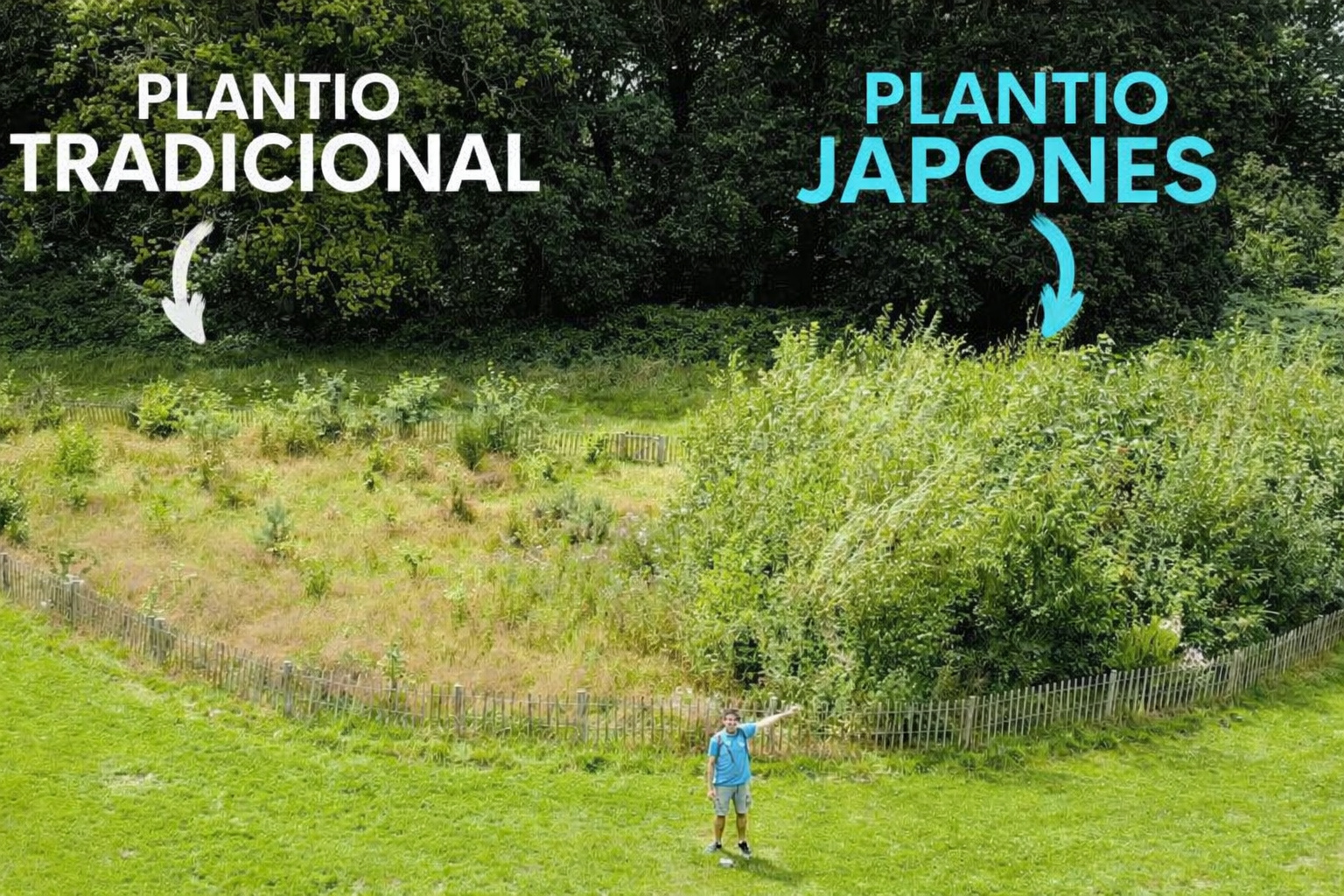
Engineer creates reforestation method that transforms small plots into dense forests in a few years using local biomass and can reduce environmental recovery costs.

The combination of widespread consumption with suspicions about quality and origin makes the topic sensitive: it is not a discussion limited to specialists, but a matter that goes directly to the plate.
Another point is the perception of risk. When analyses indicate contaminants in Farmed Salmon, the consumer tends to interpret it as a systemic problem, linked to the production method and the volume of fish raised under high density, rather than as an isolated case.
How Cage Farming Works and Why Overcrowding Matters
The foundation describes the intensive salmon aquaculture in Chile and Norway with use of cages in open waters.
In this model, the fish are concentrated in structures installed in the sea, which facilitates scale but also increases management challenges.
Overcrowding is the central point because, in environments with high density, diseases spread more easily.
This elevates the dependence on interventions for sanitary control and places Farmed Salmon at the center of a discussion that mixes large-scale production, public health, and environmental impacts.
Contaminants and What Recent Studies Are Suggesting
According to the foundation, recent studies indicate that Farmed Salmon often presents elevated levels of contaminants, including heavy metals and other chemical substances.
The most relevant data here is not a specific number, which was not provided, but the direction of the alert: the risk seems to be associated with the accumulation of undesirable compounds in the fish.
This raises two practical concerns: the first is food safety, as Brazil imports significant volumes of the product.
The second is traceability, because when the consumer does not clearly understand the production context, trust weakens even in routine purchases.
Antibiotics and Chemicals: Why This Discussion Affects Public Health
The foundation points to the use of antibiotics and chemicals in salmon aquaculture as a critical issue related to disease control in overcrowded environments.
The key concern is the possibility of ingestion and accumulation of these substances in the human body, according to the alert described.
Furthermore, there is concern about bacterial resistance, regarded as an increasing threat to public health.
In this scenario, the foundation argues that rigorous regulations and responsible management practices are essential to mitigate risks, especially when Farmed Salmon is produced at scale and distributed globally.
Environmental Impact and Biodiversity in Chile and Norway
The base text relates the farming of Farmed Salmon in open cages to marine pollution, with a direct impact on local ecosystems.
It also indicates that the introduction of exotic species into local habitats can destabilize the ecosystem and increase competition with native species.
The described result is a chain of effects: environmental degradation, threat to biodiversity, and greater complexity in maintaining habitat balance.
In practice, the concern is not just the fish itself, but the environmental cost embedded in how Farmed Salmon is produced.
Cited Nutritional Differences and What They Mean
The foundation states that Farmed Salmon presents nutritional differences influenced by the diet of grains and smaller fish, with a distinct fat profile, including saturated fat and omega-3, and with a possible reduction in nutritional benefits normally associated with the species.
The important point is to understand that this debate is not “good salmon versus bad salmon.” It is about how the farming method and feeding can alter the composition and, consequently, the perception of the nutritional value of Farmed Salmon in regular consumption.
Do you continue to buy Farmed Salmon the same way, or would you change your selection criteria after these alerts about contaminants and antibiotics?








-

-

-

-

-

-

57 pessoas reagiram a isso.