





 Português
  Inglês
  Espanhol
  3 min de leitura
  0 comentários



In 2023, Brazilian state-owned companies face the prospect of a historic deficit of almost R$ 6 billion, marking the first time in eight years, and the National Treasury may be called to cover this amount. Among the highlighted state-owned companies are Dataprev, INB, Emgepron, and Correios.
Some Brazilian state-owned companies face a significant financial challenge, predicting to end the year 2023 with a deficit of nearly R$ 6 billion. For the first time in eight years, the National Treasury may be called to cover this gap, signaling a drastic change in the financial stability of federal state-owned companies.
Deficit in the Accounts of Brazilian State-Owned Companies Concerns Economic Authorities
In the past five years, federal state-owned companies recorded surpluses, except for 2020, when the Covid pandemic led to a deficit of R$ 600 million.
In 2021, the result was positive, reaching R$ 3 billion, and last year, nearly R$ 5 billion.
-
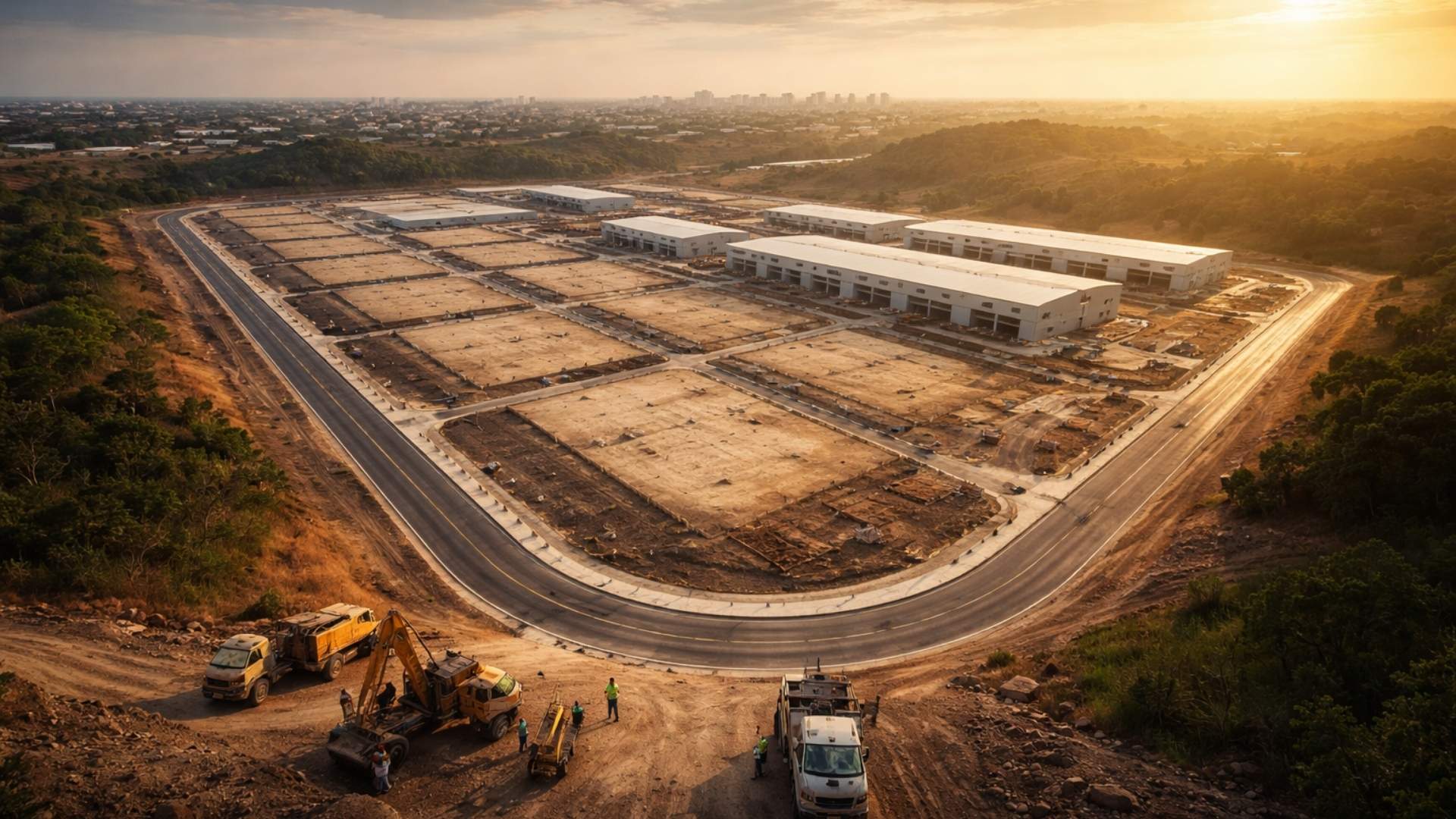
Brazilian city gains industrial hub for 85 companies that is equivalent to 55 football fields.

-
Peugeot and Citroën factory in Argentina cuts production by half and opens a layoff program for more than 2,000 employees after Brazil drastically reduced purchases of Argentine vehicles.

-
A Brazilian city gains a factory worth R$ 300 million with the capacity to process 200 thousand tons of wheat per year, a mill of 660 tons/day, silos for 42 thousand tons, and an industrial area of 276 thousand m².

-
Havan will leave the shopping mall in Blumenau to inaugurate something that the chain has never done before: a megastore in half-timbered style in the Historic Center of the city, which is expected to be completed in May and change the landscape of local retail.


However, data from the Central Bank reveals that from 2012 to 2017, these companies operated at a loss, requiring financial support from the government to reverse the situation.
The government’s support for state-owned companies has played a crucial role in maintaining the surplus in recent years.
In 2018, then-President Michel Temer injected R$ 5 billion, and during Jair Bolsonaro’s administration, the amount increased to R$ 10 billion.
Gabriel Leal de Barros, an economist at Rio Asset, explains that while contributing to the surplus of state-owned companies, the support increased the federal government’s deficit, while relieving the finances of the state-owned companies.
National Treasury May Be Triggered for the First Time in Eight Years
Current projections indicate that federal state-owned companies will exceed revenues by R$ 3 billion, but the economic team is already working with the possibility of an even greater deficit, reaching nearly R$ 6 billion.
If this forecast materializes, the National Treasury will be called to intervene to cover the deficit.
Among the state-owned companies that may present worse-than-expected negative results are Dataprev, with a projected deficit of R$ 200 million.
The Nuclear Industries of Brazil (INB) with R$ 300 million, Emgepron, focused on naval projects, with over R$ 3 billion, and Correios, estimating a shortfall of R$ 600 million.
Since 2017, the government detailed the expenditures and revenues of state-owned companies in quarterly reports, but this practice was interrupted during Lula’s government.
Vilma Pinto, an economist at the Independent Fiscal Institution of the Senate, emphasizes that the budget of state-owned companies is rigid, particularly regarding expenses with employees.
With the new government, there is a noticeable shift in the spending of these companies, with plans to resume investments that may affect short-term stability.
Privatization of Eletrobras Impacts Revision of the Government Fiscal Target
The government justifies the revision of the fiscal target with the privatization of Eletrobras.
According to the Ministry of Management, energy state-owned companies have been excluded from fiscal statistics since 2010.
With the privatization, Eletronuclear remained a state-owned company and, this year, began to be incorporated into fiscal statistics.
The deficit of Eletronuclear until July was R$ 709 million, with a forecast to close the year with a deficit of over R$ 2 billion.
In a challenging scenario, Brazilian state-owned companies are seeking solutions to rebalance their accounts, while the government closely monitors projections to ensure the country’s economic stability.
See: Union Will Have to Compensate for the Deficit of Federal State-Owned Companies









Seja o primeiro a reagir!