





 Portuguese
  English
  Spanish
  3 min of reading


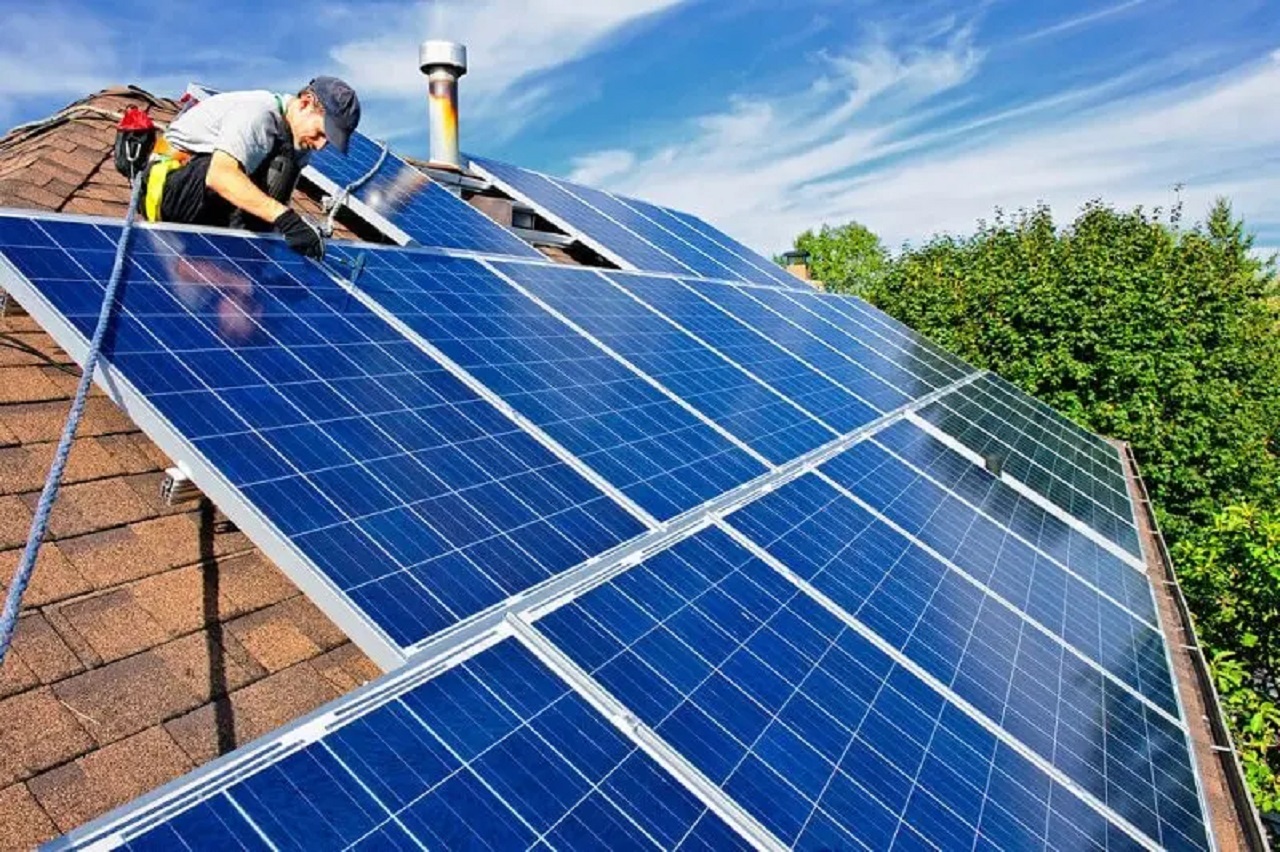
Brazilians Plan To Install Solar Panels In Their Homes Should Rush Against Time, As The ‘Sun Tax’ Will Come Into Effect In Less Than 6 Months.
If you are planning to install solar panels in your home, it is good to do so as soon as possible, given that there are now less than six months until the collection known as the “sun tax” comes into effect. Those who install a solar energy system in their homes from January 7 next year to generate electricity will have to bear the distribution costs, which are currently not charged.
Electricity Bill Can Be Reduced By Up To 90%


Those who plan to install solar panels before the 7th will remain exempt from the sun tax until 2045. Thus, to ensure maximum savings on your electricity bill, the best option for those considering installing a solar energy system at home is to do so before the beginning of next year.
As is already known, the generation of solar energy under the current rules can mitigate the electricity bill by up to around 90%, and the investment pays off in a timeframe that varies from two to five years, depending on the type of generation and the cost of electricity in the location where the user resides.
-
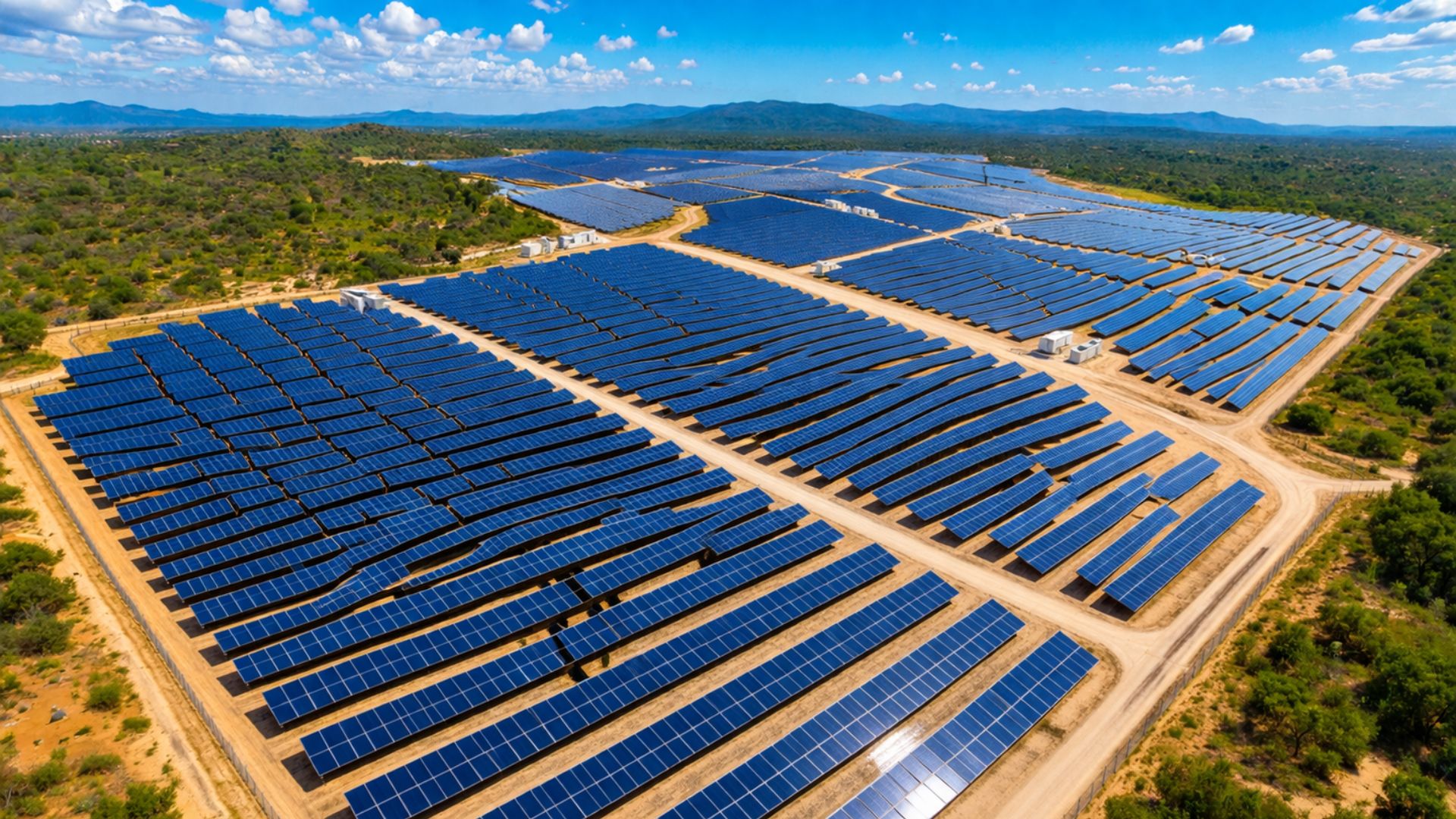
The Sol do Agreste Photovoltaic Complex begins operations in Pernambuco and accelerates the expansion of solar energy in Brazil, directly impacting the reduction of emissions and strengthening the sustainable energy matrix.
-
Renewable energy advances over protected areas in Brazil, and a survey by the Energy Transition Observatory reveals silent impacts that challenge environmental conservation and pressure sensitive traditional territories.

-
Rio Grande do Sul accelerates energy transition: State invests in renewable technologies and consolidates decarbonization strategies and pathways to attract billions in new industrial investments.

-
With 160,000 m² of collectors, an area larger than 20 football fields, Silkeborg, in Denmark, hosts a solar thermal plant that heats 19,500 homes and could become the largest solar heating plant in the world.


The collection of distribution costs from those who generate their own energy through clean sources is outlined in the law no. 14.300/2022, the “sun tax,” published in January of this year.
The new legislation was well received by sector entities as it created rules and legal security for the generation of solar and wind energy for personal use; however, it made the modality a bit more expensive.
Exemption From The Sun Tax Will Remain Valid Until 2045
Before the law, those planning to install solar panels in their homes, for example, were exempt from distribution costs indefinitely, which contributed to the significant savings achieved on electricity bills. Now, with the arrival of the sun tax, this savings will be reduced.
The legal framework, however, also set a deadline for new solar energy generators to take advantage of the old rules, followed by a transition period.
The exemption will remain valid until 2045 for all users who wish to install on-grid solar panels within one year from the publication of the new law on January 7, 2022, as well as for those who already had a system installed before this date.
Therefore, until January 7 of next year, those who install solar energy in their homes will continue to be exempt from the sun tax and will enjoy the maximum possible savings on their electricity bills for the next 22 years.
Companies Plan To Triple Their Sales With The Arrival Of The ‘Sun Tax’
Considering that a solar energy system has a lifespan of 25 to 30 years, this means that it is still possible to remain exempt for almost the entire duration of the equipment. For those who already have solar panels in their homes before the sun tax, the absence of charges will likely last until the end of the equipment’s useful life.
After January 7, the country will enter a seven-year transition period, during which there will be a scaled collection of distribution costs for new projects. Full charges will be implemented starting in 2029. With the arrival of this framework, several companies aim to triple their sales.









Seja o primeiro a reagir!