





 Português
  Inglês
  Espanhol
  3 min de leitura
  0 comentários


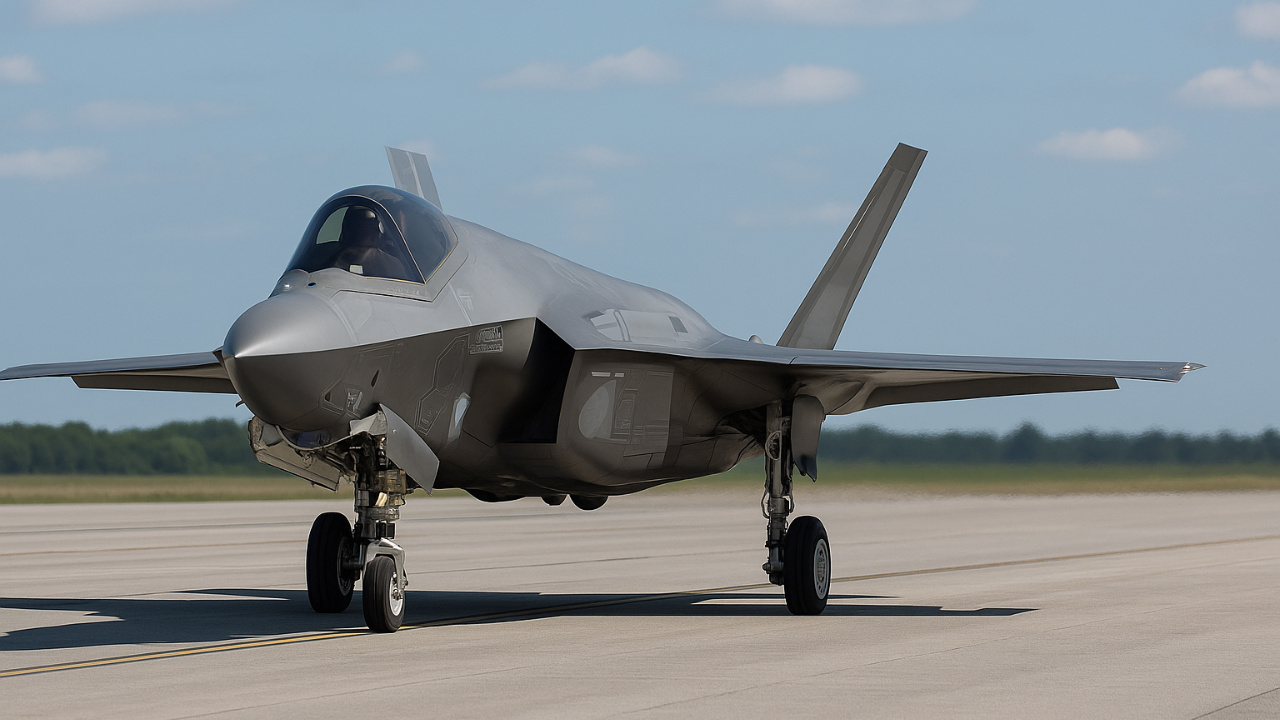
With US$ 1.14 Billion Released, USA Begins International Production of F-35s, Expanding Military Partnerships and Reinforcing Its Defense Strategy.
The government of the United States approved a budget of US$ 1.14 billion to boost the production of nearly two hundred new F-35 fighters, according to an official announcement released this week by the Pentagon.
The measure, which directly involves Lockheed Martin, meets the needs of the U.S. Armed Forces to expand their fleet of advanced aircraft and strengthen military air capacity by 2030, distributing the jets among different branches of defense and partner countries.
The U.S. Navy Department approved the investment and formalized it as a contractual modification to ensure the manufacturing of lots 20 and 21 of the aircraft.
-
The U.S. Army receives the first Black Hawk helicopter that can fly without pilots, be controlled by a tablet, and even land on its own during high-risk missions.

-
With 11,000 tons and sensors capable of hunting submarines at long distances, the Type 055 has become one of the most feared floating arsenals of the Chinese navy.

-
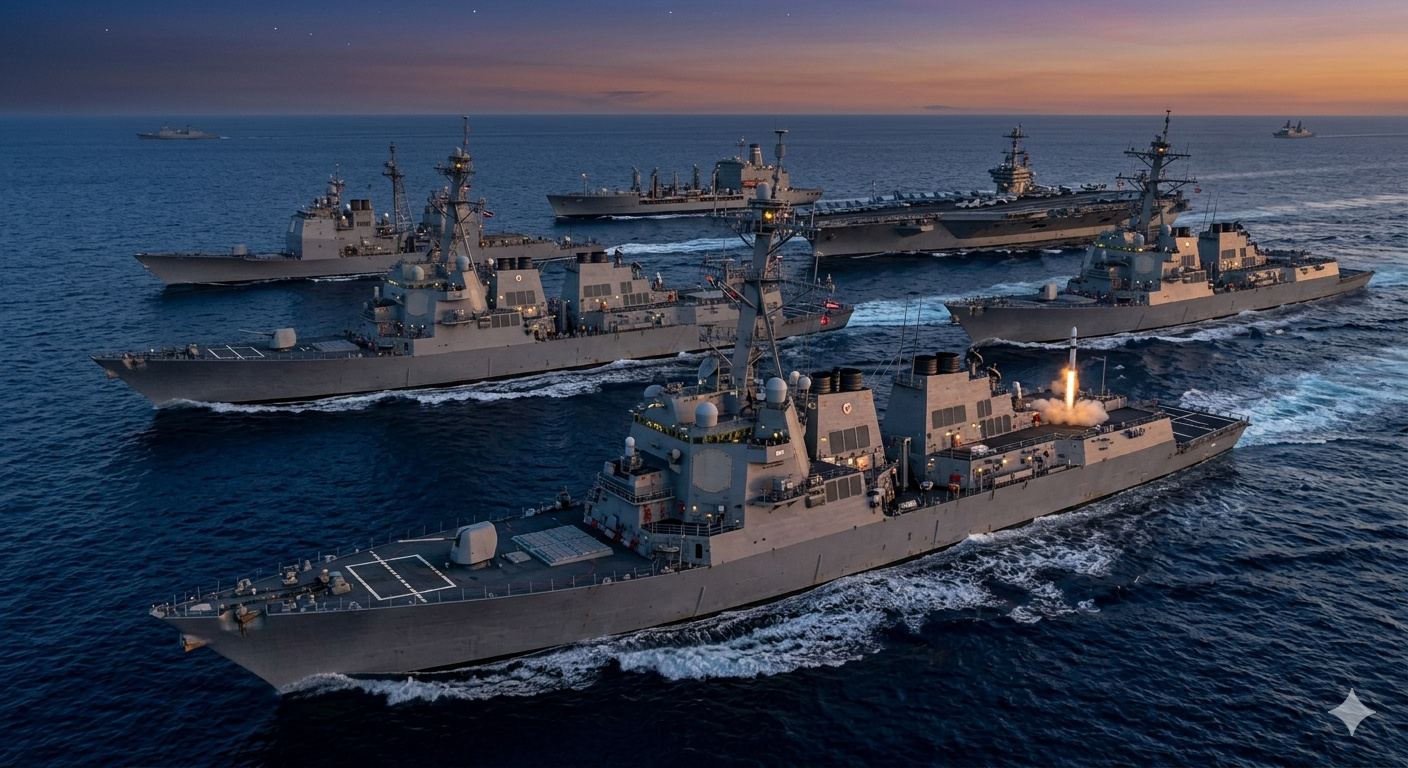
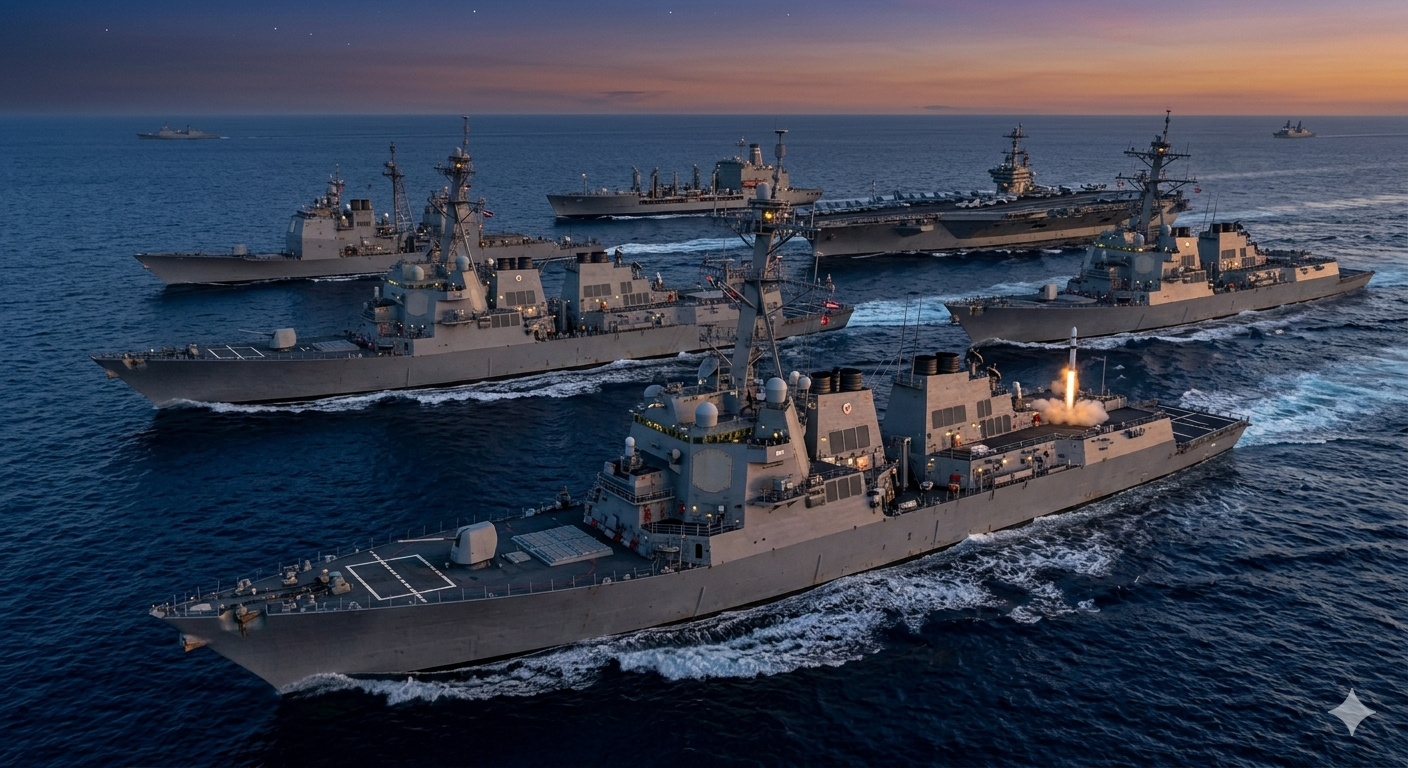
With over 15,000 tons, radars capable of tracking hundreds of targets simultaneously, and more than 120 missiles ready for launch in seconds, modern destroyers cease to be escorts and begin to dominate the naval battlefield.
-
With over 15,000 tons, radars capable of tracking hundreds of targets simultaneously, and more than 120 missiles ready for launch in seconds, modern destroyers cease to be escorts and begin to dominate the naval battlefield.

Budget of US$ 1.14 Billion and Expansion of F-35 Production
The new financial injection — which includes a budget of US$ 1.14 billion for the production of nearly two hundred new F-35 fighters — authorizes Lockheed Martin to acquire essential parts, materials, and components for 198 aircraft.
Of this total, 65 units correspond to lot 20 and 133 to lot 21, as detailed in the modified contract P00005, associated with number N0001925C0070.
According to the Pentagon, the decision reflects the ongoing progress of the F-35 program, considered strategic to maintaining U.S. air superiority in the face of geopolitical disputes and the strengthening of military rivals around the world.
Who Will Receive the New F-35s
The 198 jets funded by the budget approved by the USA for the production of nearly two hundred new F-35 fighters will not solely serve U.S. forces. The team will also distribute resources among:
United States Air Force (USAF);
Navy (US Navy);
Marine Corps (US Marine Corps);
Partner nations of the F-35 cooperative program;
Clients of the Foreign Military Sales (FMS) program.
The Pentagon emphasizes that the high international demand demonstrates the central role of the F-35 in the strategic repositioning of allied countries seeking fifth-generation aircraft with higher responsiveness capabilities in modern combat scenarios.
How Global Production of F-35 Fighters Will Work
Although the United States leads most operations, several countries participate in the international supply chain that produces the F-35. Lockheed Martin reported that:
59% of the work will take place in Fort Worth, Texas, the main assembly hub for the aircraft.
14% will be conducted in El Segundo, California.
9% will be handled by the facility in Warton, United Kingdom.
The facility in Cameri, Italy, will perform 4% of the work.
Other production centers include Orlando (4%), Nashua (3%), Baltimore (3%), San Diego (2%), and additional facilities distributed internationally (2%).
The Department of Defense stated that it will release all resources immediately, with no risk of expiration at the end of the fiscal year.
Thus, the team anticipates completing the work by December 2030, marking one of the most robust phases ever planned within the program’s timeline.
Why the F-35 is Considered Essential by the USA and Allies
Now recognized as the largest armament program in Pentagon history, the F-35 represents a strategic leap in global air dominance.
Its stealth characteristics — which reduce detection by radar — combined with sensor fusion and networked combat systems, make the jet one of the most advanced in the world.
According to the Department of Defense, “the F-35’s stealth characteristics, sensor fusion, and networked combat systems are fundamental to the current air dominance strategies of the United States and its allies.”
Thus, the combination of advanced technology, interoperability, and the ability to operate in various scenarios reinforces why the budget approved by the USA for the production of nearly two hundred new F-35 fighters continues to grow year after year.
Growth of Global Demand and Future Challenges
As more countries join the list of operators of the F-35, experts point out that the pressure on the supply chain is likely to increase.
Thus, the contractual modification of US$ 1.14 billion seeks to ensure predictability, industrial pace, and logistical stability to fulfill orders within the timeline.
The Pentagon reaffirms that the program is evolving consistently and that the next phases will include continuous improvements to electronic systems.







-

-

2 pessoas reagiram a isso.