





 Portuguese
  English
  Spanish
  4 min of reading
  0 comments


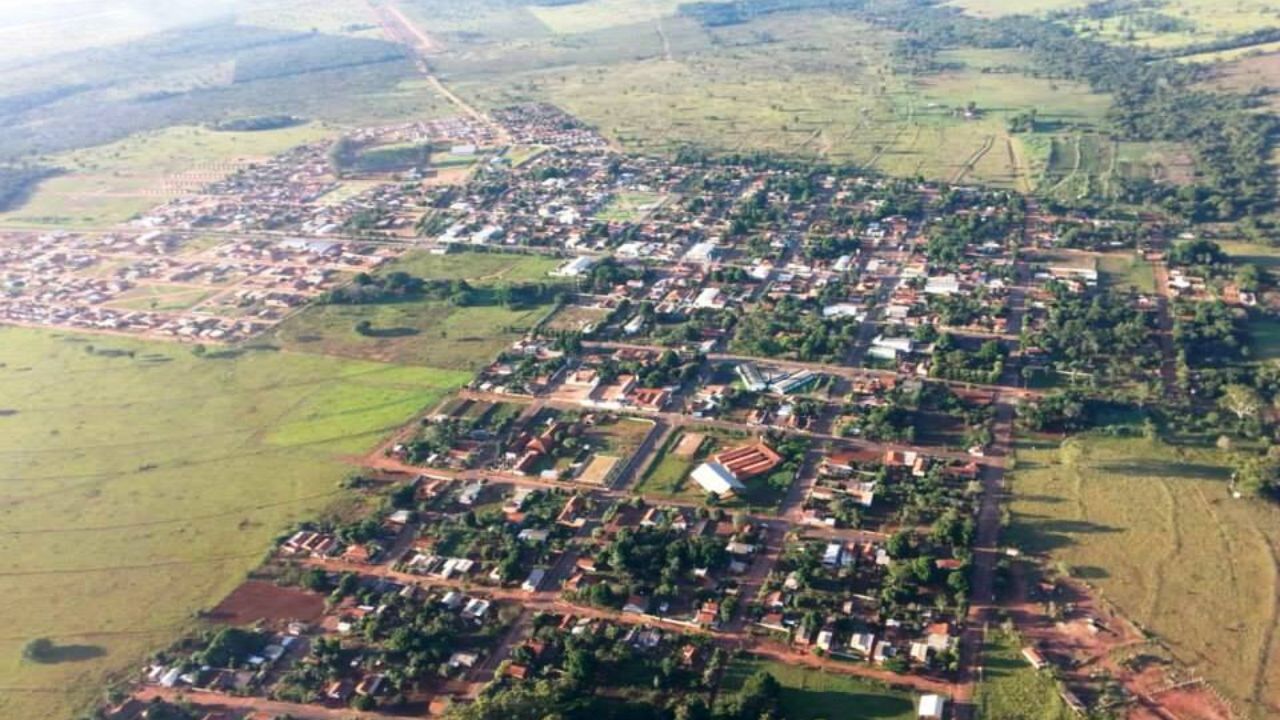
When Thinking About The Richest Cities In Brazil, Metropolises Like São Paulo And Rio De Janeiro Quickly Come To Mind. But What If I Told You That The Second Richest City In Brazil Has Just Over 4,200 Inhabitants And Is Located In The Interior Of Goiás? It Seems Surreal, Right? But This Is The Reality Of Aporé, A Small Municipality That Gained National Attention After A Study By The Getúlio Vargas Foundation (FGV).
The Survey, Based On The 2020 Individual Income Tax Return (IRPF), Revealed That The Average Income Per Inhabitant In Aporé, The Second Richest City In Brazil, Reaches R$ 8,109. Even More Impressive Is That Among The Declarants, The Average Income Of Residents Is R$ 66,125, An Amount That Places The City At The Top Of The Country’s Economic Prosperity Ranking. But What Makes Aporé So Special?
How A City With 4,200 Inhabitants Became The Second Richest City In Brazil?
The Secret Of Aporé’s Wealth Does Not Lie In Large Industries Or In The Financial Sector. The Municipality’s Economy Revolves Around Agribusiness, Especially Agriculture And Dairy Farming. The City Also Houses Slaughterhouses And Ceramic Industries, Which Help Maintain Its Diversified Economy.
The Fact That It Has A Small Population, Combined With A High Concentration Of Income Among Residents Who File Taxes, Causes The Per Capita Wealth Index To Skyrocket, Placing The Second Richest City In Brazil Among The Most Prosperous Cities In The Country.
-
Larger than entire cities in Brazil: BYD is building a 4.6 km² complex in Bahia with a capacity for 600,000 vehicles per year, but the discovery of 163 workers in conditions analogous to slavery has shaken the entire project.

-
With an investment of R$ 612 million, a capacity to process 1.2 million liters of milk per day, Piracanjuba inaugurates a mega cheese factory that increases national production, reduces dependence on imports, and repositions Brazil on the global dairy map.

-
Brazilian city gains industrial hub for 85 companies that is equivalent to 55 football fields.

-
Peugeot and Citroën factory in Argentina cuts production by half and opens a layoff program for more than 2,000 employees after Brazil drastically reduced purchases of Argentine vehicles.

The Impact Of Aporé’s Per Capita Income On The National Economy

The High Average Income Of Aporé’s Residents Draws Attention Because It Reveals A Specific Economic Pattern. Unlike Large Cities, Where Wealth Is Distributed More Unequally, In Aporé The Income Is Concentrated Among A Smaller Group Of People Who Are Part Of The Local Agribusiness Elite. This Phenomenon Highlights How The Rural Sector Can Be Highly Profitable And Propel Small Cities Into National Wealth Rankings.
Agriculture And Animal Husbandry: The Engines Of The Local Economy
If There Is One Thing That Aporé Knows How To Do Well, It Is Produce. The Municipality Excels In The Cultivation Of Soybeans, Corn, And Rice, Crops That Have A Strong Impact On The Local And Regional Economy. Dairy Farming, Besides Being One Of The Main Activities Of The Municipality, Is So Important To The City That It Is Even Represented On Aporé’s Official Flag.
With Fertile Lands And Investments In Agribusiness, The Second Richest City In Brazil Managed To Consolidate Its Position As An Economic Power, Despite Its Small Size. The City’s Success Is Proof That, In Brazil, The Countryside Still Holds Gigantic Weight In The Economy.
Industries And Tourism
In Addition To Agribusiness, Aporé Also Benefits From Slaughterhouses And Ceramic Factories, Which Help Keep The Flow Of Capital Within The Municipality. These Industries Provide Jobs And Ensure That The Local Economy Does Not Depend Exclusively On Agriculture.
And For Those Who Think That Small Towns Have No Leisure, Aporé Also Invests In Rural And Ecological Tourism. One Of The Main Tourist Attractions Of The City Is Ilha do Pescador, A Destination That Attracts Visitors Interested In Nature And Sport Fishing.
Another Event That Boosts The Local Economy Is The Saint Augustine Festival, Which Brings Together Residents And Tourists For Religious And Cultural Celebrations.
The History And Challenges Of Aporé
The History Of Aporé Began With A Generous Gesture: The Donation Of Land By João Nunes, The Founder Of The City. Initially, The Area Was A District Of Jataí, But With The Growth Of The Local Economy, It Gained Its Administrative Independence.
On November 14, 1958, Aporé Was Officially Elevated To The Category Of Municipality, Marking The Beginning Of A New Chapter Of Growth And Development.
Despite Being The Second Richest City In Brazil, Aporé Still Faces Important Challenges. The Main One Is The Need To Diversify Its Economy, Making It Less Dependent On Agribusiness.









-

-

3 pessoas reagiram a isso.