





 English
  Francês
  Alemão
  Italiano
  Japonês
  Norueguês
  Portuguese
  Spanish
 6 min of reading
  0 comments


Discover How Companies Invest in Solar Energy to Cut Costs, Gain Competitiveness, and Adopt Sustainable Practices in the Brazilian Market.
In recent years, electricity has become one of the biggest challenges for the competitiveness of Brazilian companies.
For micro, small, and medium-sized companies, the electricity bill can account for up to 15% of fixed costs.
Therefore, many entrepreneurs have been searching for alternatives capable of bringing financial savings and stability.
-
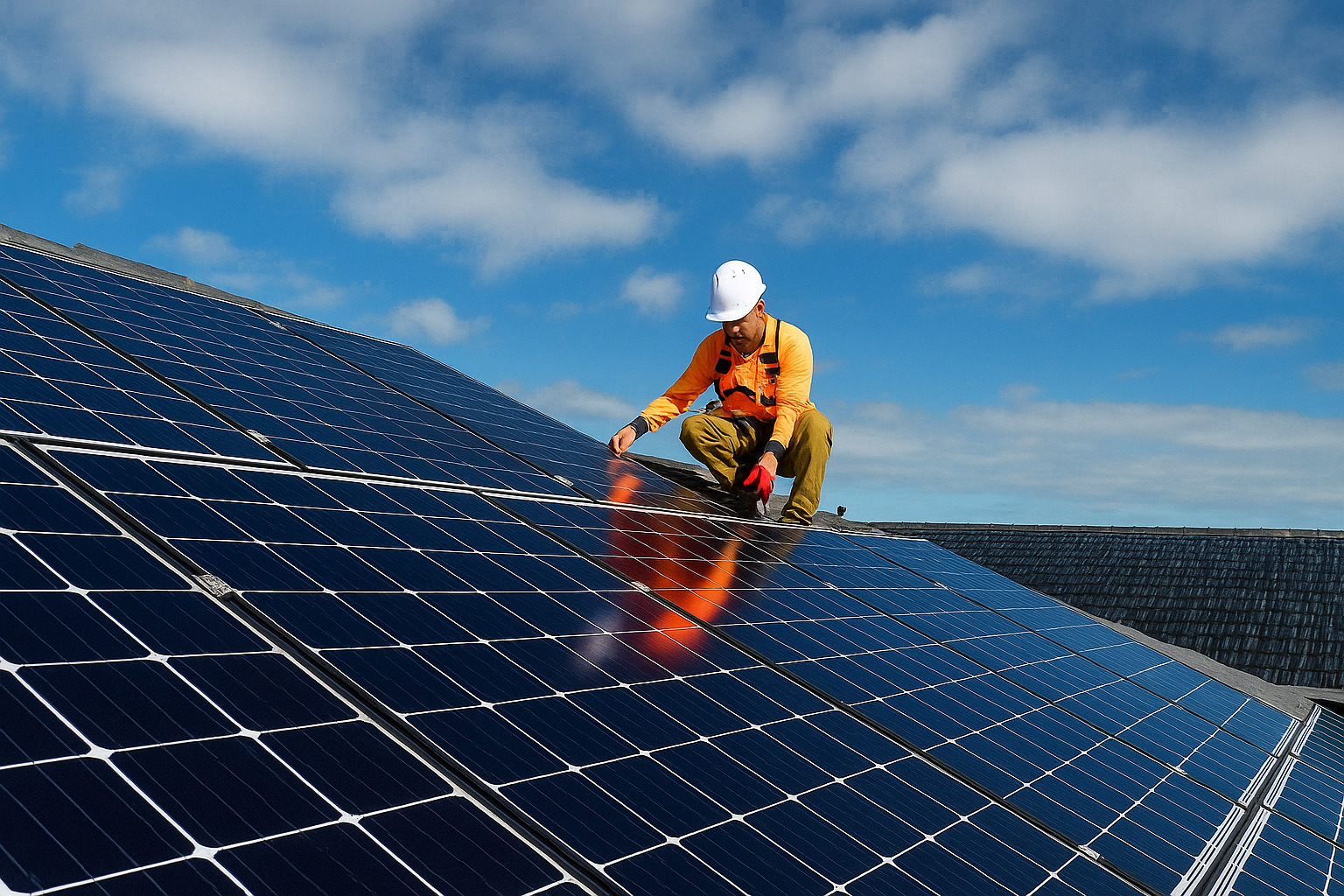
Roraima bets on the sun to escape high tariffs: Amid the energy crisis and price hikes, solar energy is growing in Roraima and transforming consumption in the North region.

-
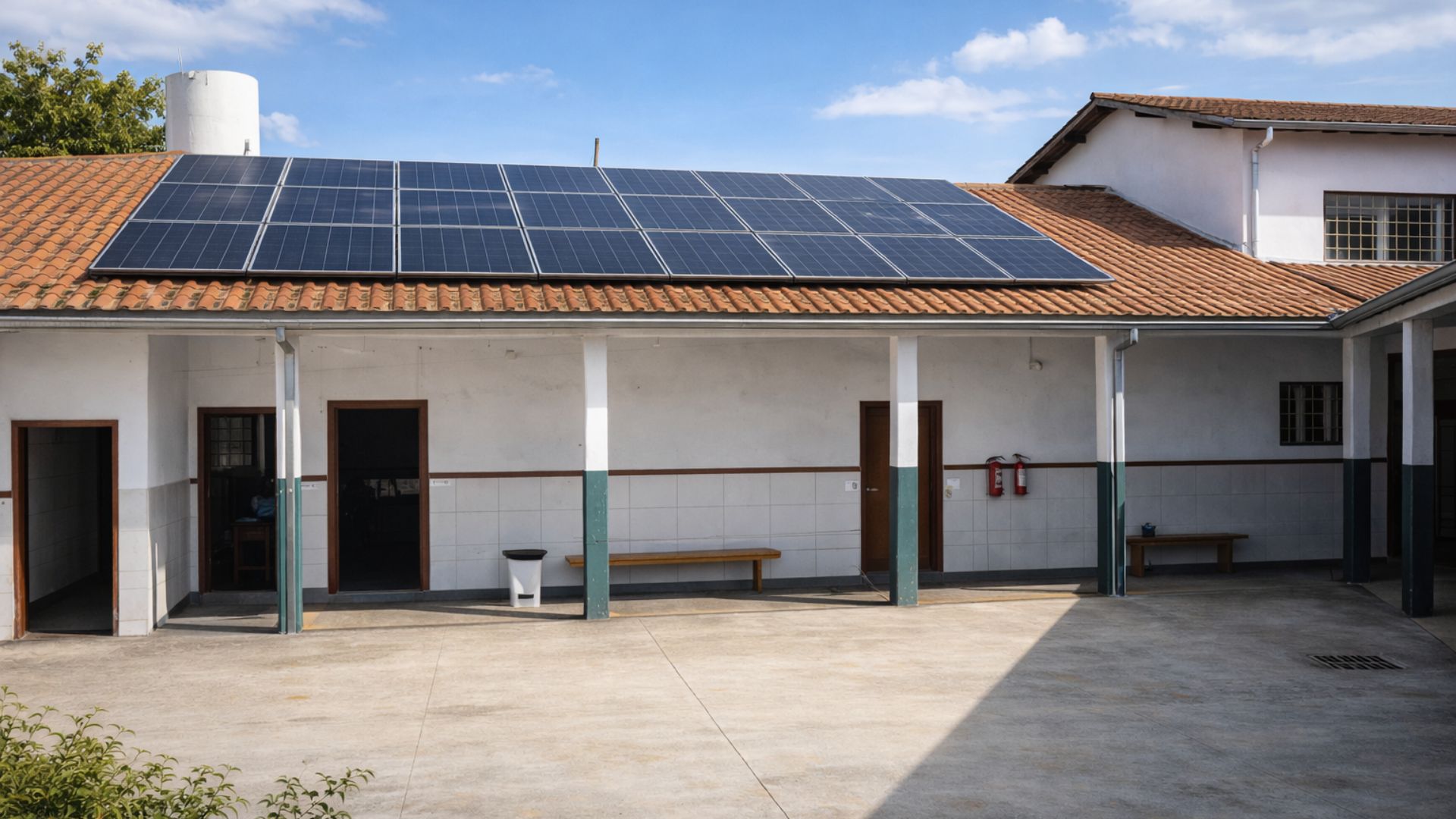
Copel boosts solar energy in Paraná and brings innovation to public schools, promoting savings on electricity bills, energy efficiency, and a direct impact on the quality of education.
-
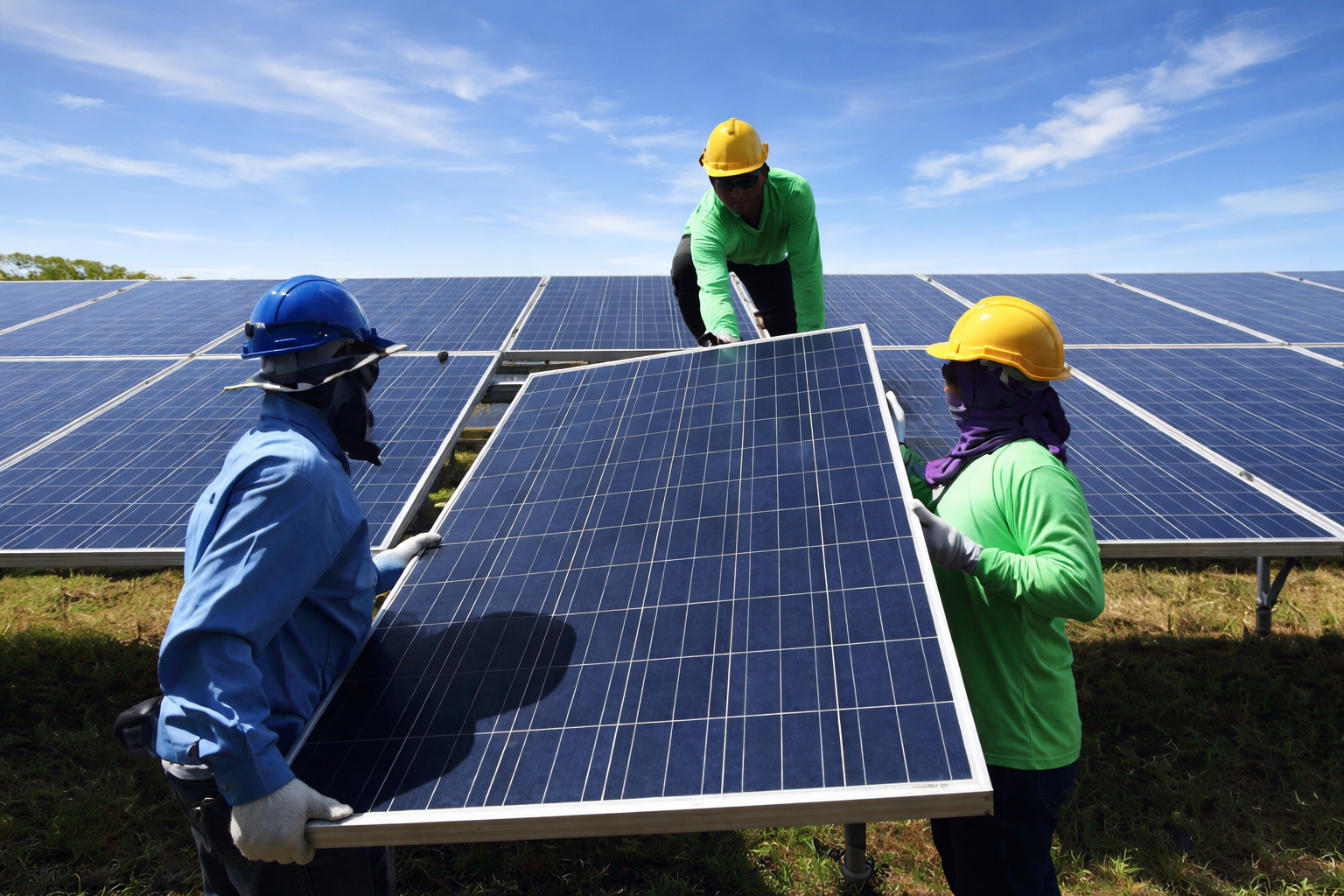
Brazil reaches historic milestone in solar energy: Sector surpasses 2 million accumulated green jobs and generates billions in the national economy even under market pressure.
-
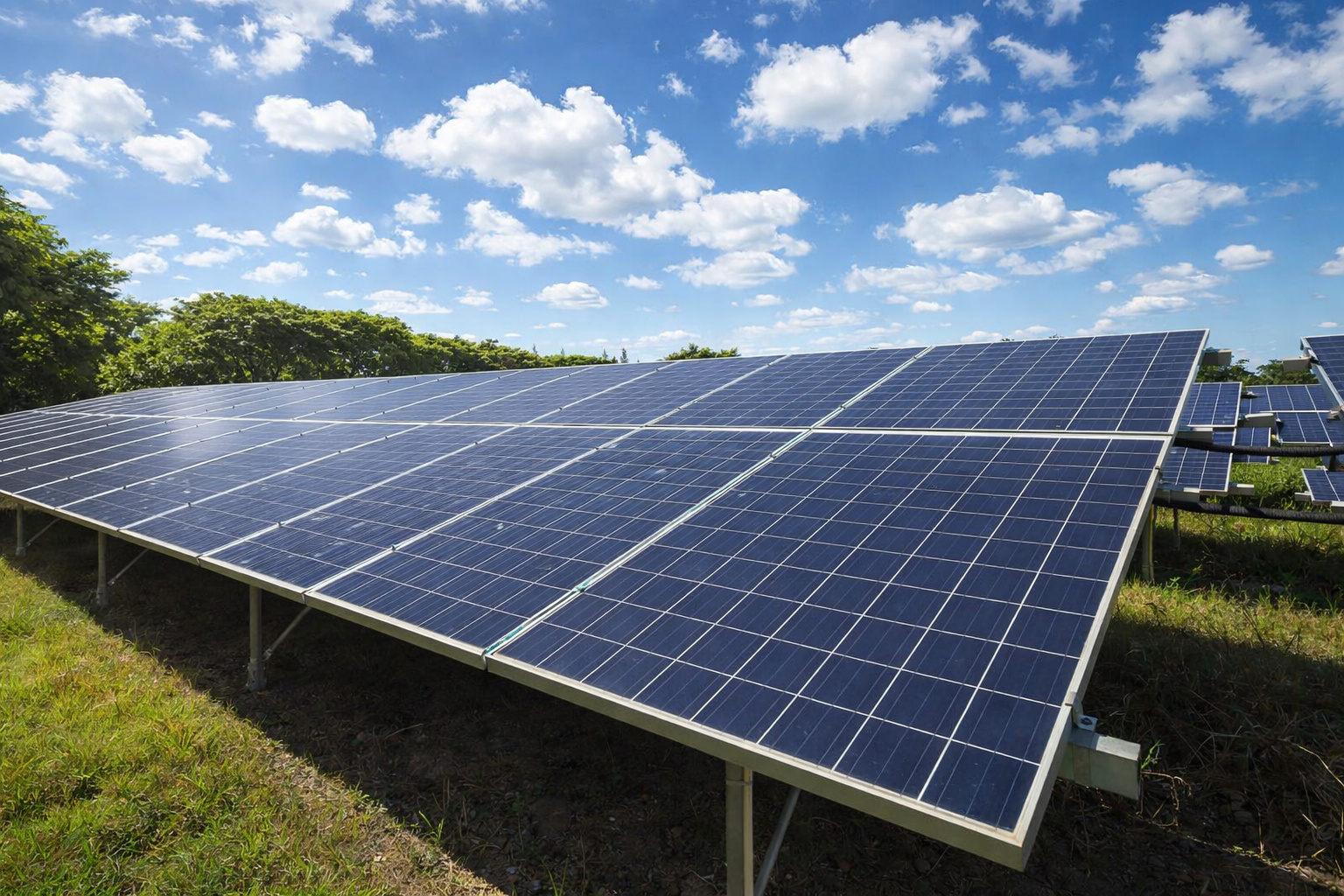
Minas Gerais takes the lead in renewable energy: State surpasses historic mark of 14 GW in solar energy generation in MG and consolidates dominance in the Brazilian electric sector.

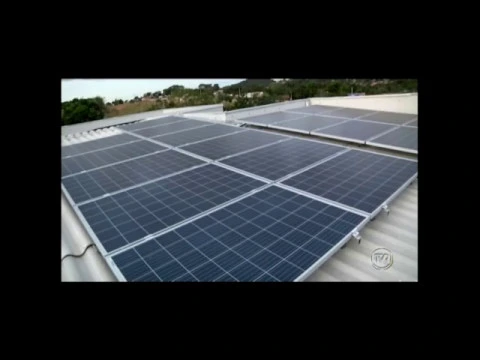
In this scenario, the adoption of photovoltaic generation as a strategy for reducing expenses and strengthening in the market is growing.
Today, thousands of companies invest in solar energy not only to cut costs but also to align their practices with sustainability, which has become an increasingly important requirement in the business world.
Brazil occupies a prominent position in the global solar energy landscape.
By the beginning of 2025, it had nearly 60 gigawatts of installed capacity, representing more than 23% of the national electricity matrix.
This advancement places the country among the global leaders in the adoption of renewable sources. This is due to both public policies and technological advancements and, above all, the companies’ quest for long-term solutions.
For businesses, the impact can be immediate since the use of solar panels reduces electricity bills by up to 95%, creating a significant difference in cash management.
The Historical Evolution of Solar Energy in Brazil
The trajectory of solar energy in Brazil has older roots.
Until the 1990s, the technology remained restricted and the high cost of equipment made large-scale investments unfeasible.
During that period, the first panels were imported and primarily served isolated systems in areas without electrical networks.
The turning point began in the 2000s when incentive policies and specific credit lines opened up space for renewable sources.
In 2012, the regulatory milestone of distributed generation authorized the compensation of energy credits, which boosted the sector.
From that moment on, the number of companies and residences with photovoltaic systems grew exponentially.
This advancement also connected to the international context.
Countries such as Germany, China, and the United States heavily invested in solar energy in the early 21st century.
In this way, they stimulated large-scale production, reduced prices, and made equipment more accessible.
Brazil took advantage of this trend and utilized its favorable natural conditions, such as high solar incidence year-round, to accelerate the energy transition.
Therefore, for small and medium enterprises, adopting solar energy ensures predictability in expenses and reduces exposure to tariff adjustments.
As these adjustments occur frequently in Brazil, solar energy proves to be a strategic solution.
Thus, managers can plan the future of the business with greater peace of mind.
In addition, investing in own generation enhances property value, increases operational autonomy, and signals commitment to environmentally responsible practices.
Competitiveness and Sustainable Practices
In addition to direct savings, investments in own energy generation strengthen the companies’ assets and demonstrate commitment to sustainable practices.
In a global scenario where consumers and investors demand greater attention to environmental, social, and governance issues, adopting renewable sources has become a strategic differential.
Companies that incorporate solar energy into their management can report reductions in carbon emissions, quantify savings, and publish this data in sustainability reports.
Therefore, this stance strengthens brand reputation, opens doors for contracts, and improves relations with clients who value ESG practices.
The advancement of technology also widened access.
Two decades ago, the price of photovoltaic modules was prohibitive.
However, global large-scale production, increased efficiency, and a diversity of suppliers drastically reduced costs.
Modern systems offer remote monitoring software, smart inverters, and lithium batteries.
With these tools, companies can track energy generation and consumption in real-time, optimizing efficiency and autonomy.
In this way, the adoption of solar energy represents not only the installation of panels but a complete transformation in energy management.
Who Else Benefits from Solar Energy
Green credit lines, offered by public and private banks, expanded financing possibilities.
With longer terms and competitive rates, even small entrepreneurs can invest in solar systems without compromising cash flow.
The ideal profile for investing in solar energy involves companies with continuous daytime consumption and intensive use of electrical equipment.
Therefore, sectors such as commerce, logistics, agribusiness with electric irrigation, hotels, clinics, and food retail yield impressive results.
In addition to high consumption during peak solar hours, these activities often have available areas for installation, whether on rooftops, parking lots, or land.
This combination generates significant savings and reduces the payback time of the investment.
The return is not limited to the financial aspect.
Many companies use solar energy as a marketing and positioning tool.
Thus, showing clients and partners that the company operates with clean energy strengthens the brand and differentiates the business in competitive sectors.
Alternatives for Companies Without Physical Space
Not all companies have physical space to install their own systems.
Therefore, alternatives such as shared generation and energy consortia have emerged.
In these modalities, the company participates in external solar plants and compensates the energy consumed on the electricity bill.
Although the savings are lower compared to systems installed on the unit, discounts between 10% and 20% already represent significant relief in the budget.
In addition, these alternatives do not require large initial investments.
Another relevant aspect involves regulatory changes.
The new legal framework for distributed generation brought clearer rules on credit compensation.
Therefore, entrepreneurs need to carefully analyze the sizing of the systems and the company’s consumption profile.
In this regard, energy consulting firms have been helping structure personalized projects.
They assess the generation potential, consumption pattern, and integration with other renewable sources.
Thus, entrepreneurs ensure consistent results and greater security in investment.
Impact on the Energy Matrix and the Future of Business
Those who want to maximize gains need to adopt remote self-consumption strategies, prioritize the daytime use of generated energy, and in some cases, integrate their own generation with the free energy market.
Consequently, these measures increase financial return and protect against future tariff pressures.
The impact of solar energy goes beyond numbers.
It represents a cultural shift, where the quest for energy efficiency connects with sustainable growth.
When a small or medium enterprise decides to invest in this technology, it not only reduces costs but also actively participates in the country’s energy transition.
At the same time, this choice contributes to reducing greenhouse gas emissions and strengthens Brazil’s role in international commitments to combat climate change.
Therefore, the participation of the private sector complements government efforts and shows that sustainability can be both a duty and a business opportunity.
Solar Energy as a Complement to Hydroelectric Power
The Brazilian electric sector has always relied mainly on hydroelectric power.
Although also renewable, they suffer from the variability of the rainfall regime, which can lead to the activation of thermal plants, which are expensive and polluting.
In this context, solar energy functions as a strategic alternative, as it reduces vulnerabilities and diversifies the national energy matrix.
Investing in solar energy doesn’t just mean spending; it means planning for the future.
The process begins with a technical analysis, which evaluates the generation potential, the company’s consumption, and the projected cash flow.
Next, managers install the system, which starts to ensure consistent and predictable savings.
Solar Energy as a Competitive Necessity
On average, the return on investment occurs in a few years, while the panels remain efficient for over two decades.
Thus, this cycle offers a reliable source of long-term savings.
Increasingly, companies invest in solar energy to remain competitive in a challenging market.
The reduction of the electricity bill by up to 95% marks only the beginning of a larger transformation.
The benefits include financial predictability, asset appreciation, access to credit, improved reputation, and environmental contribution.
With a favorable scenario, the trend points towards the continuous growth of solar energy presence in Brazilian companies, becoming a fundamental part of business strategy.
Thus, solar energy ceases to be a differential and transforms into a necessity.
In a world where efficiency, innovation, and sustainability go hand in hand, small and medium enterprises find in this technology the key to facing present challenges and building a solid, economic, and clean future.










Seja o primeiro a reagir!