





 Português
  Inglês
  Espanhol
  5 min de leitura
  0 comentários


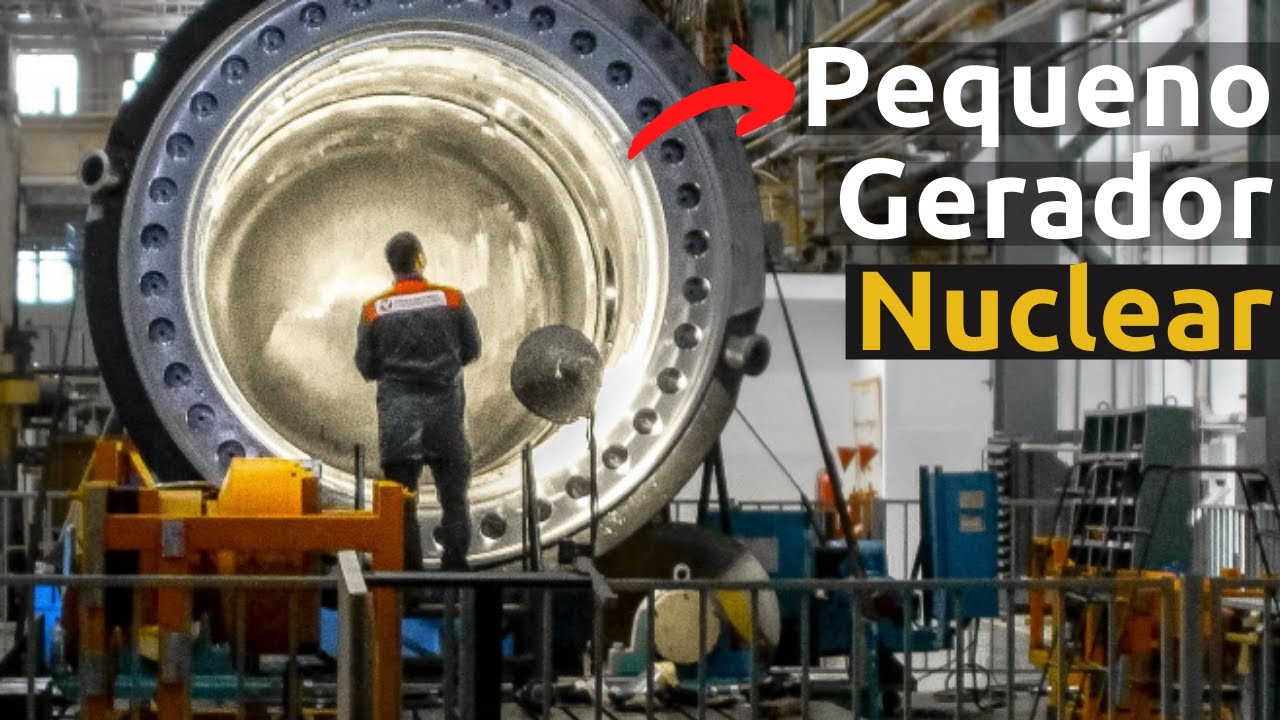
The Portable Reactor That Generates Compact Nuclear Energy Is Gaining Attention in the Scientific Field as a Viable Solution. Understand How the Micro Modular Reactor Is Consolidating and Its Main Benefits.
Imagine a nuclear reactor compact enough to be transported inside a container, yet capable of providing energy to entire communities. This is the promise of the Micro Modular Reactor (MMR), a technological advance developed with support from the U.S. Department of Energy (DOE). This new generation of portable reactors is gaining attention for its efficiency, scalability, and potential to reduce the global carbon footprint. However, it also raises important questions about safety, regulation, and environmental impacts.
What Is the Micro Modular Reactor (MMR)?


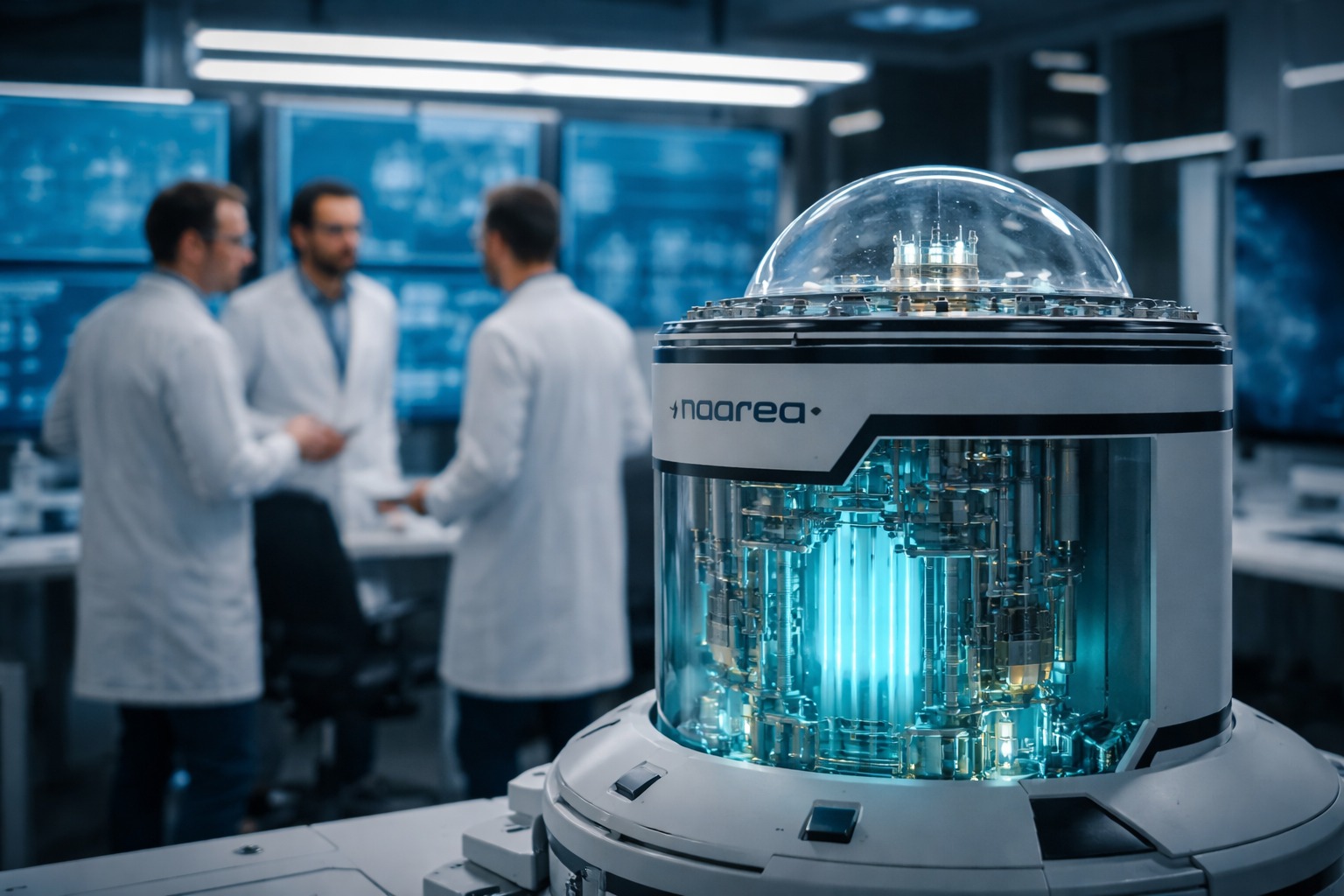
The Micro Modular Reactor is a compact nuclear energy unit developed to operate safely in remote or hard-to-reach areas. With dimensions that allow it to be transported by truck, train, or ship, it is classified as a portable reactor.
Developed by Ultra Safe Nuclear Corporation (USNC) in collaboration with U.S. national laboratories, the MMR is designed to generate between 5 and 15 megawatts of electrical power, enough to supply a small town for about 20 years without refueling.
-
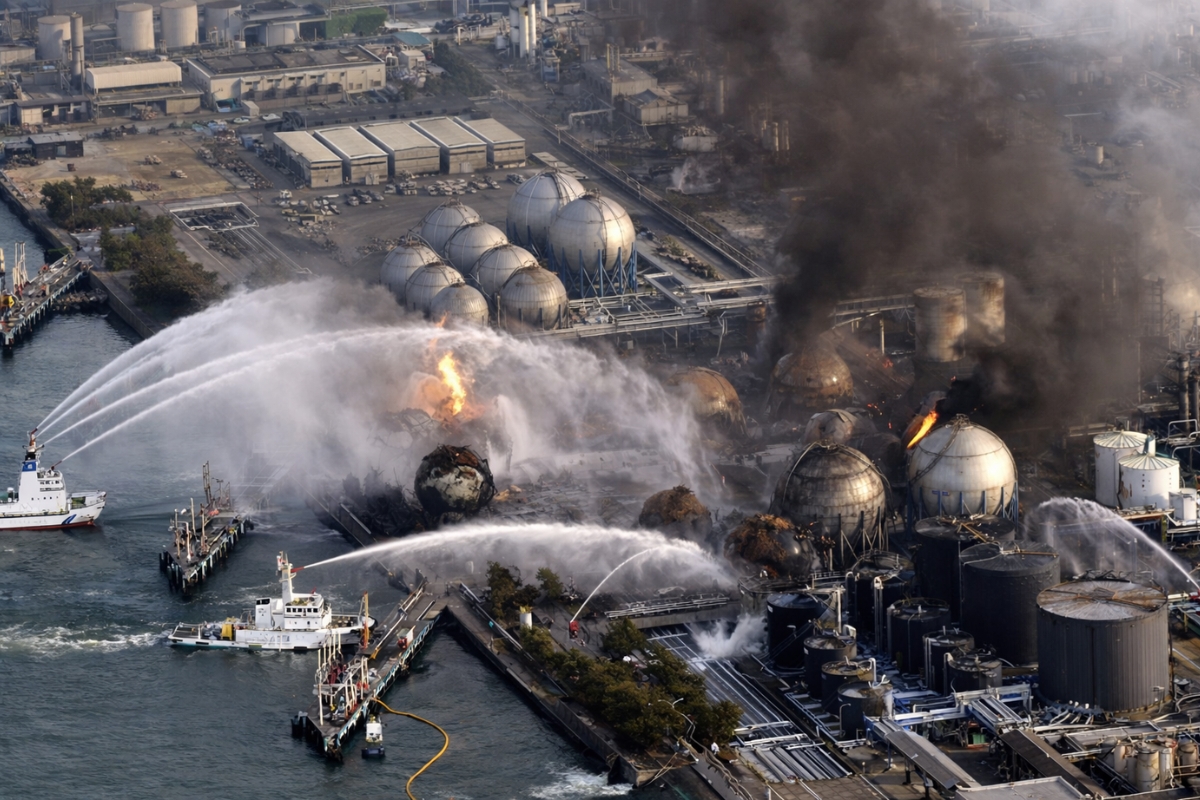
Fukushima Marks A Turning Point In Japan’s Energy Policy: After The Disaster, The Country Shut Down Its 54 Nuclear Reactors And, 15 Years Later, Only A Small Portion Have Returned To Operation
-
How Japan Overcame The Nuclear Bomb And Now Houses Millions In Hiroshima, While Ukraine Lost Chernobyl?

-
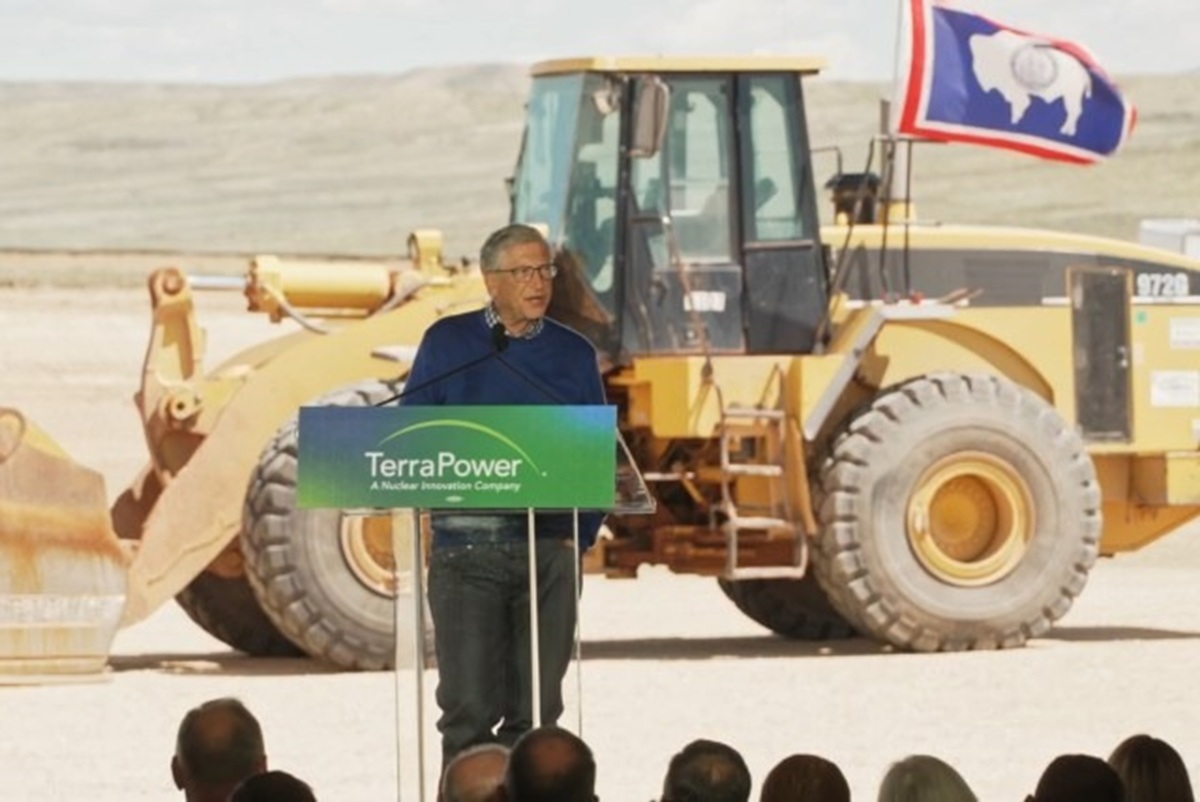
Bill Gates Receives Historic Approval to Build Giant 345 MW Nuclear Plant in the U.S. and Promises to Generate Up to 500 MW of Energy with Innovative Technology
-
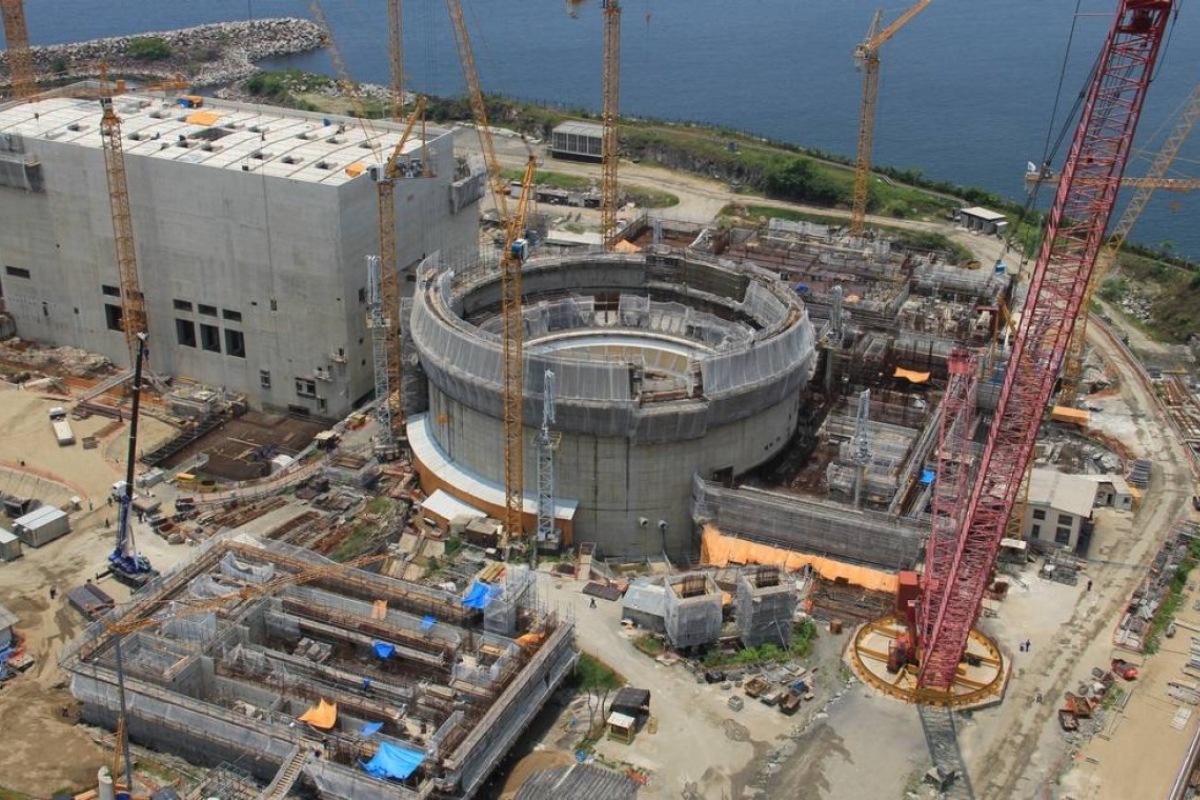
India Opens Nuclear Energy to Private Capital to Accelerate Projects and Attract Billions, While Brazil Remains Stalled at Angra 3 and Discusses Who Will Foot the Bill for Completion

The MMRs are designed with advanced fuels and passive cooling systems, which enhance their safety and reduce the need for constant maintenance. Moreover, their automated operation and long cycles decrease the risks of human error and increase reliability.
Compact Nuclear Energy: Advantages and Applications
Among the main benefits of compact nuclear energy are reliability, low greenhouse gas emissions, and the ability to operate autonomously for long periods. The micro modular reactor can be deployed in isolated locations, such as military bases, mines, Arctic communities, and regions affected by natural disasters, where the electrical grid infrastructure is limited or nonexistent.
The technology has also attracted attention in urban areas as a complementary source to overloaded electrical grids. Additionally, it can be used in energy-intensive industrial processes, such as water desalination, green hydrogen production, and providing heat for petrochemical operations, expanding the reach and utility of portable reactors.
Safety First: Challenges and Concerns of the Portable Reactor
Despite the promises, the advancement of portable reactors is not without controversy. Critics point out that although MMRs are designed with passive safety systems — mechanisms that do not rely on human intervention or external power — there are still significant risks, such as the handling of radioactive materials and the possibility of sabotage or terrorism.
The MMRs use TRISO (tristructural-isotropic) fuel, known for its stability at high temperatures. This fuel encapsulates uranium in protective layers of carbon and ceramic, preventing the release of radioactive material, even in extreme failure scenarios. Nevertheless, concerns about the storage, transport, and disposal of nuclear waste remain one of the main challenges for the industry.
International nuclear safety organizations, such as the International Atomic Energy Agency (IAEA), have been working on creating specific guidelines for the regulation of modular reactors, especially regarding non-proliferation and the control of used fuel.
Economic Feasibility and Global Investment
The development and deployment costs of a Micro Modular Reactor are significantly lower than those of conventional nuclear power plants.
The costs of SMRs vary, but estimates suggest that, depending on the size, smaller reactors can cost between US$ 50 million (microrreactors) and US$ 3 billion (larger units), an amount considered competitive compared to the construction of large nuclear plants, which can exceed US$ 10 billion.
Various countries are investing in research and pilot projects with compact nuclear energy. In Canada, USNC partnered with Canadian Nuclear Laboratories and Chalk River University to build an MMR expected to operate by 2026.
The United Kingdom announced government support for small and modular reactor initiatives, while Japan is investing in technology to adapt these systems to areas vulnerable to natural disasters.
Environmental Impact of the Micro Modular Reactor
Proponents of the micro modular reactor argue that it represents an important step towards energy sustainability. Unlike intermittent sources such as solar and wind, MMRs provide continuous energy generation, regardless of weather conditions. Furthermore, their rapid and modular construction reduces environmental impacts during installation.
Studies by the DOE indicate that, by replacing coal or oil-fired plants in isolated areas, MMRs can significantly reduce CO₂ emissions and improve local air quality. The small physical footprint of the reactors is also seen as an advantage, as it requires less installation area and has a smaller landscape impact.
However, the management of nuclear waste remains a central concern. The need for secure storage sites that isolate waste for thousands of years still generates debate among experts and affected communities. Despite technological advancements, there is still no global consensus on the best way to deal with this environmental liability.
The Role of Regulation and Public Acceptance
Public acceptance will be decisive for the future of portable reactors. Large-scale adoption depends on clear regulations and effective communication with society. In the U.S., the Nuclear Regulatory Commission (NRC) is updating its standards to encompass the new micro reactor models, including specific safety analyses for their decentralized use.
Transparency in licensing processes and the holding of public hearings are fundamental measures to increase public trust. Research shows that the perception of nuclear energy risk varies according to scientific education and proximity to previous experiences, such as the Chernobyl and Fukushima accidents.
Education campaigns and dialogue with local communities have shown positive results in pilot projects. Understanding the benefits and limitations of compact nuclear energy is essential for building lasting support for its implementation.









-

Uma pessoa reagiu a isso.