





 Portuguese
  English
  Spanish
  3 min of reading
  0 comments


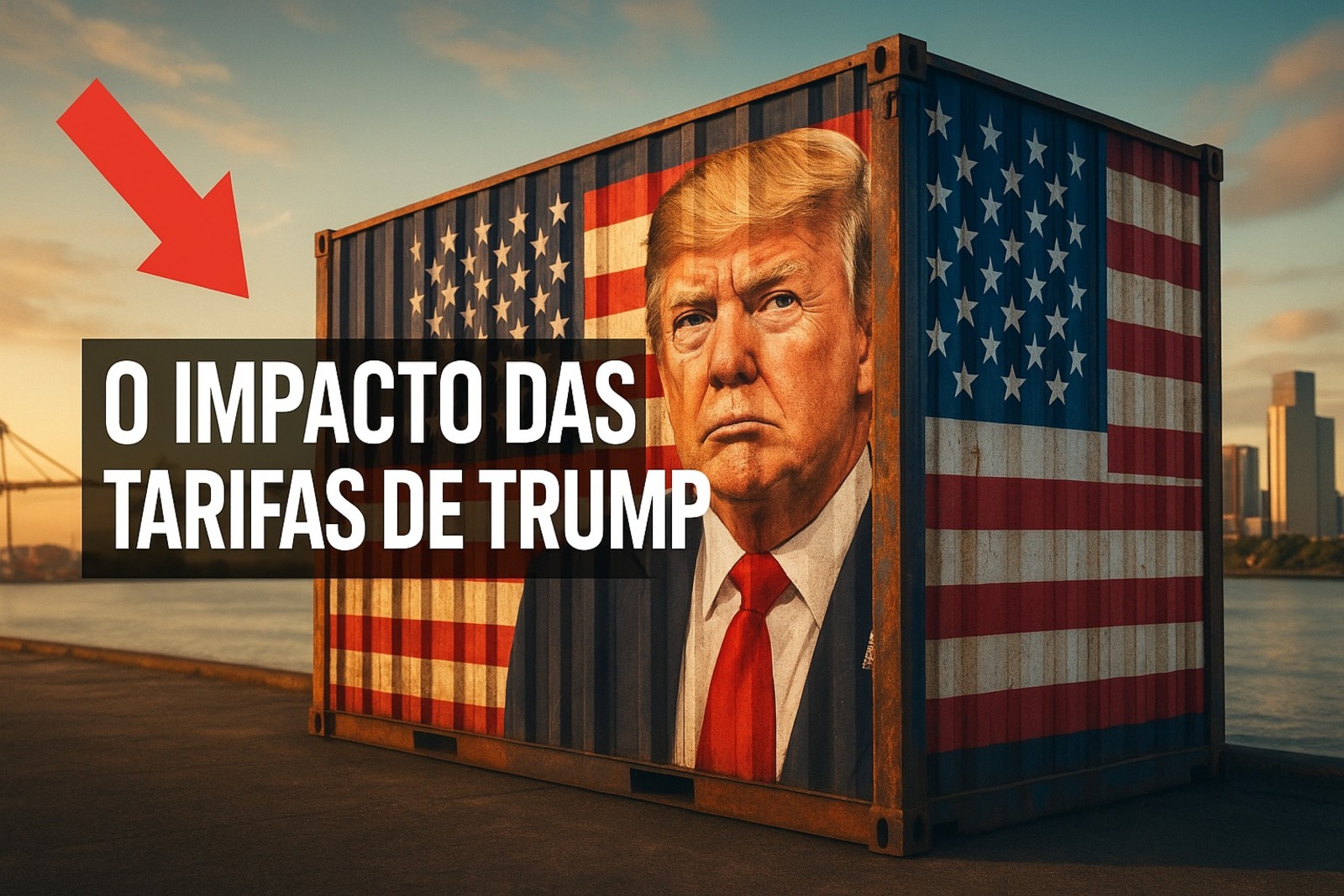
Small Brazilian Companies See Their Global Expansion Plans Threatened After Trump’s Tariffs Make Contracts With The United States Unviable
Donald Trump’s tariff threats frustrated the plans of small Brazilian companies to export to the United States. The impact hit businesses that were already prepared to take a leap. Most importantly, many of these ventures saw the American market as a gateway for global expansion.
The packaging was already ready, in Portuguese and English. It would be used in the largest contract of a small chocolate factory in São Paulo.
The agreement provided for more than forty tons per month. It was a volume well above the company’s current average.
-
Brazilian city gains industrial hub for 85 companies that is equivalent to 55 football fields.
-
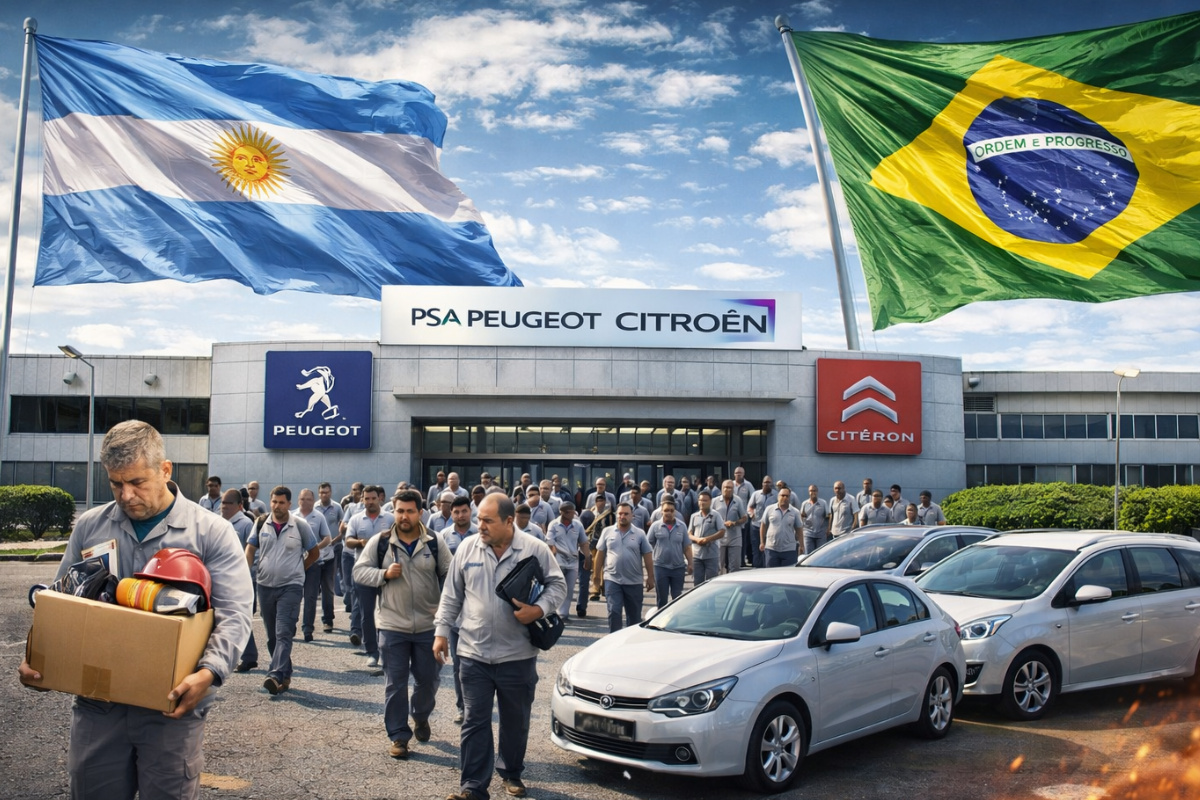
Peugeot and Citroën factory in Argentina cuts production by half and opens a layoff program for more than 2,000 employees after Brazil drastically harmed purchases of Argentine vehicles.
-
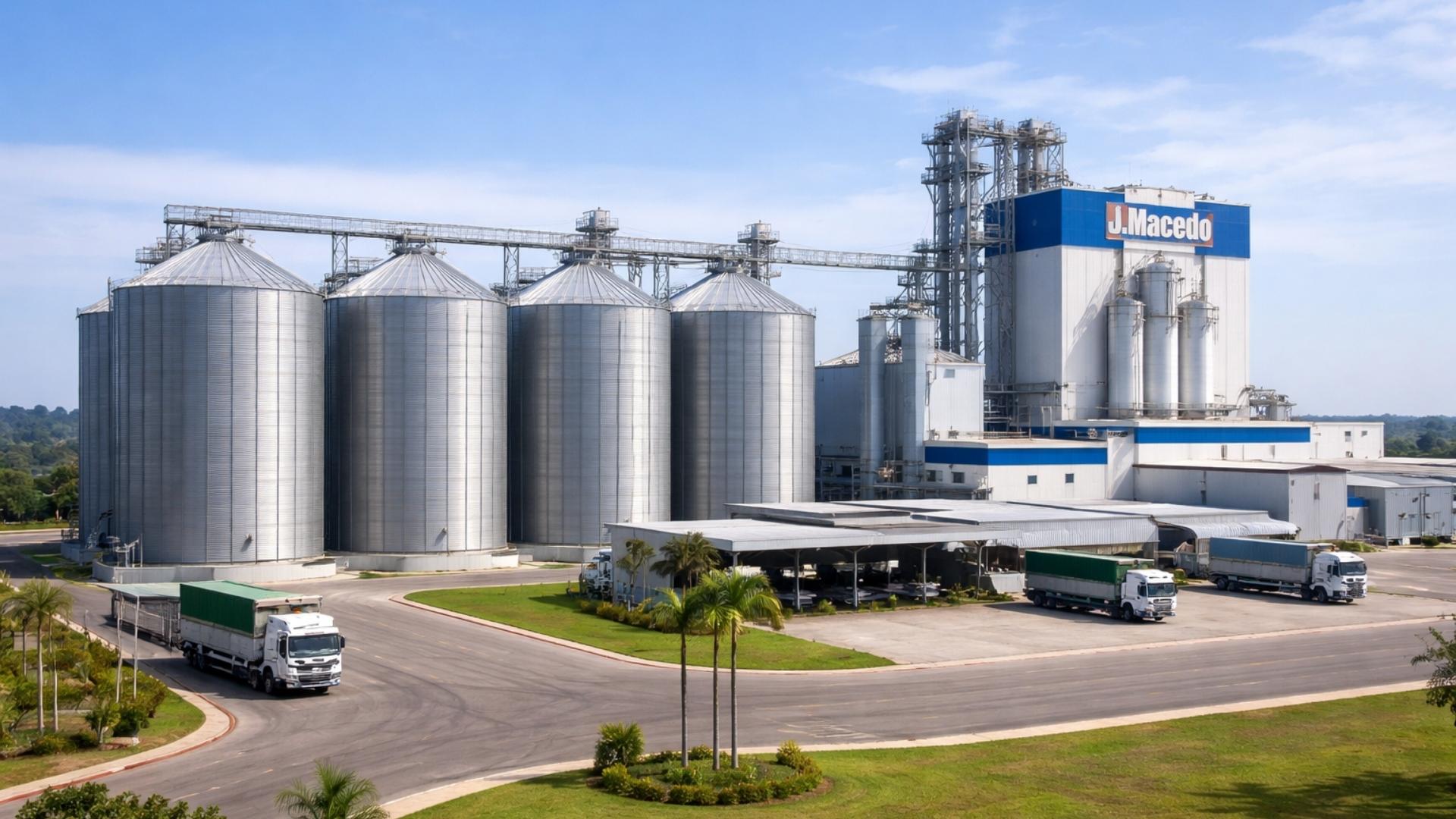
A Brazilian city gains a factory worth R$ 300 million with the capacity to process 200 thousand tons of wheat per year, a mill of 660 tons per day, silos for 42 thousand tons, and an industrial area of 276 thousand m².
-
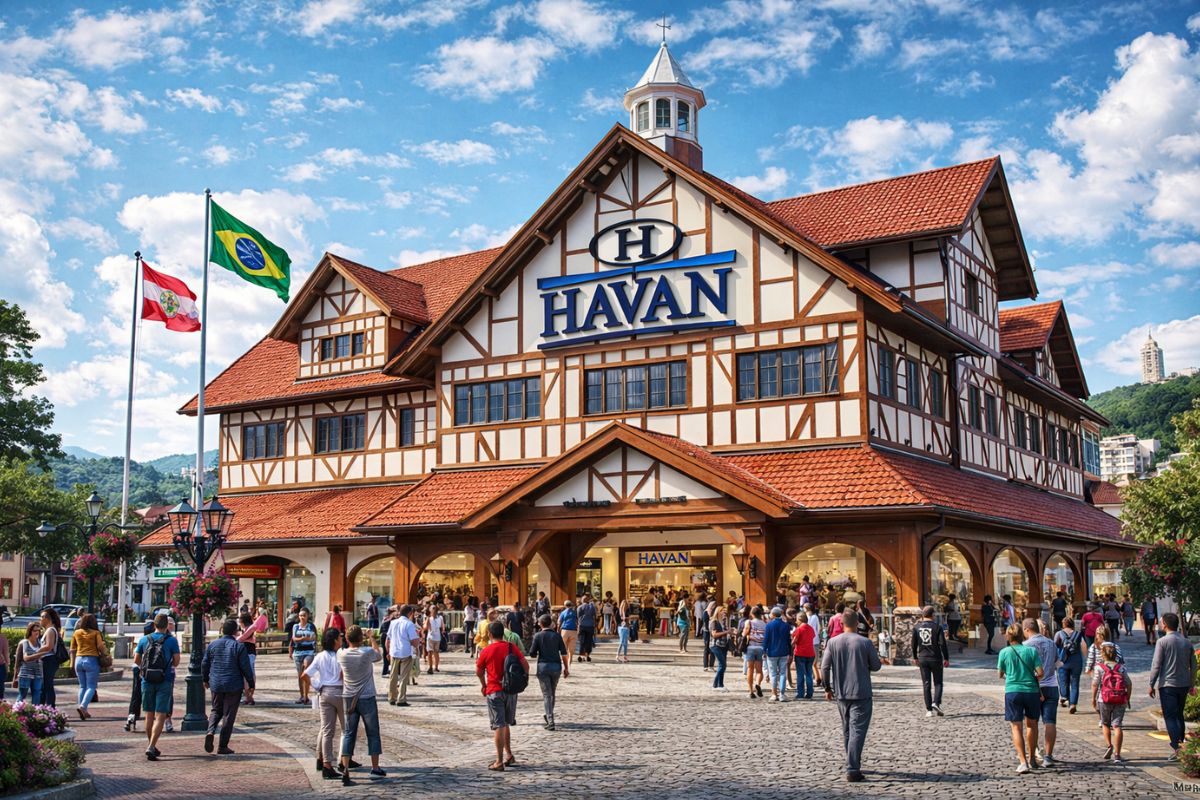
Havan will leave the shopping mall in Blumenau to inaugurate something the chain has never done before: a megastore in half-timbered style in the Historic Center of the city, which is expected to be ready in May and change the landscape of local retail.

“Exporting to the US would be important for my business because it would be a volume 20, 30 times greater than what I sell today in Brazil,” says entrepreneur Josiane Luz.
50% Tariff Made Contract Unviable
The Trump administration applied a 50% tariff on the product. This made Brazilian chocolate too expensive for the American consumer. In light of this, the customer abandoned the purchase.
“His proposal was to absorb 25%, we would try to reach an agreement, and we would absorb 25%. But today we don’t have the margin to absorb 25%,” explains Josiane.
By a narrow margin, the company did not register a serious loss. In September, it would be necessary to replace the machines with larger, more modern, and expensive models.
Additionally, the demand would require more than doubling the number of employees. The initial investment would exceed R$ 3 million. The entire project was suspended.
Açaí Coffee Stuck in Stock
Another company, from Amapá, also felt the impact. It produced an order that did not leave. Now it has two and a half tons of açaí coffee stuck in stock.
The innovative blend caught the attention of Americans because it reduces environmental impacts. The product takes advantage of the disposal of açaí seeds and generates income for local communities.
Therefore, exporting to the United States would be a passport to a new era in business.
“I would expect to consolidate, expand production capacity because of this demand, hire new employees, and increase revenue, which is the dream of every micro and small entrepreneur,” says Lázaro Gonçalves, operational director of the company.
Growth of Exports
The number of micro and small Brazilian companies exporting has grown by 120% in the last ten years. In 2024, almost a third of them sold to the United States. This advancement shows that there is room, but tariffs have become an obstacle.
Sebrai claims to be ready to support the affected sectors. The plan includes financing and product flow, both inside and outside the country.
“We have opened about 300 new markets in the last two years. We have already built a nationalized orientation here to provide them with quick and secure service, so that they protect their business and can overcome the difficulties arising from the American taxes,” says Décio Lima, president of Sebrai.
New Markets as a Way Out
The affected companies are seeking alternatives. The coffee company is looking for partnerships in Chile and Panama. The chocolate company is targeting the Middle East and Asia.
Despite this, the dream of trading with the United States remains alive.
“I believe that soon we will rehire people and continue exporting, and what we had as a goal will happen,” says Lázaro.
“I think US is not a goodbye; we think of it as a see you later. The way out is to seek other markets at this moment,” comments Josiane.
With information from G1.Globo.





Seja o primeiro a reagir!