





 Portuguese
  English
  Spanish
  4 min of reading
  1 comment


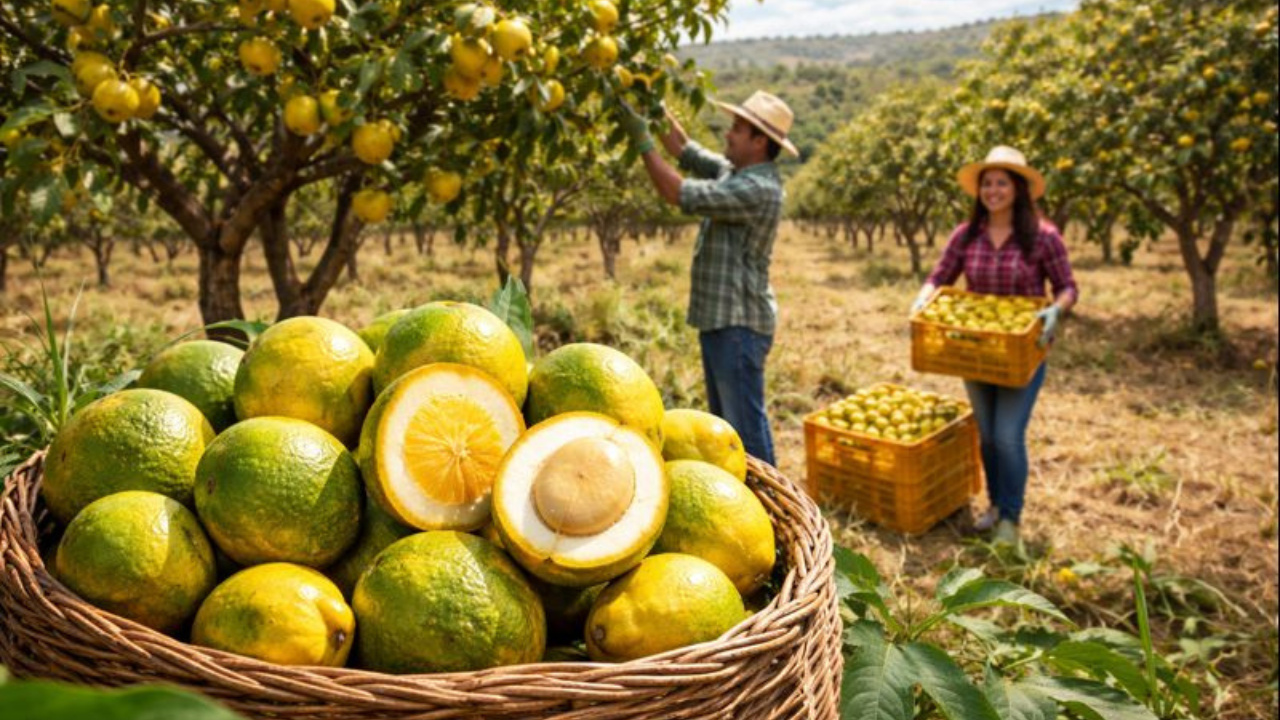


Embrapa Cerrados Innovation, Thornless Pequi Boosts Pequi Production in Brazil and Consolidates Commercial Cultivation in the Cerrado.
Pequi production in Brazil is undergoing a transformation with the arrival of thornless pequi, which is beginning to gain ground as an alternative for commercial pequi cultivation in the Cerrado.
The change is mainly occurring in the Midwest, in states like Goiás and Mato Grosso, where family farmers are adopting new varieties developed by Embrapa Cerrados in partnership with state institutions.
The advancement responds to the demand for greater productive predictability, practicality for the food industry, and sustainable income generation, while maintaining environmental preservation as a central axis.
-
Unable to pass through Hormuz, Brazil activated a plan B that uses Turkey as a gateway to the Middle East: the route through Gibraltar and the Mediterranean is longer and more expensive but ensures that chicken, beef, and corn continue to reach Arab markets.

-
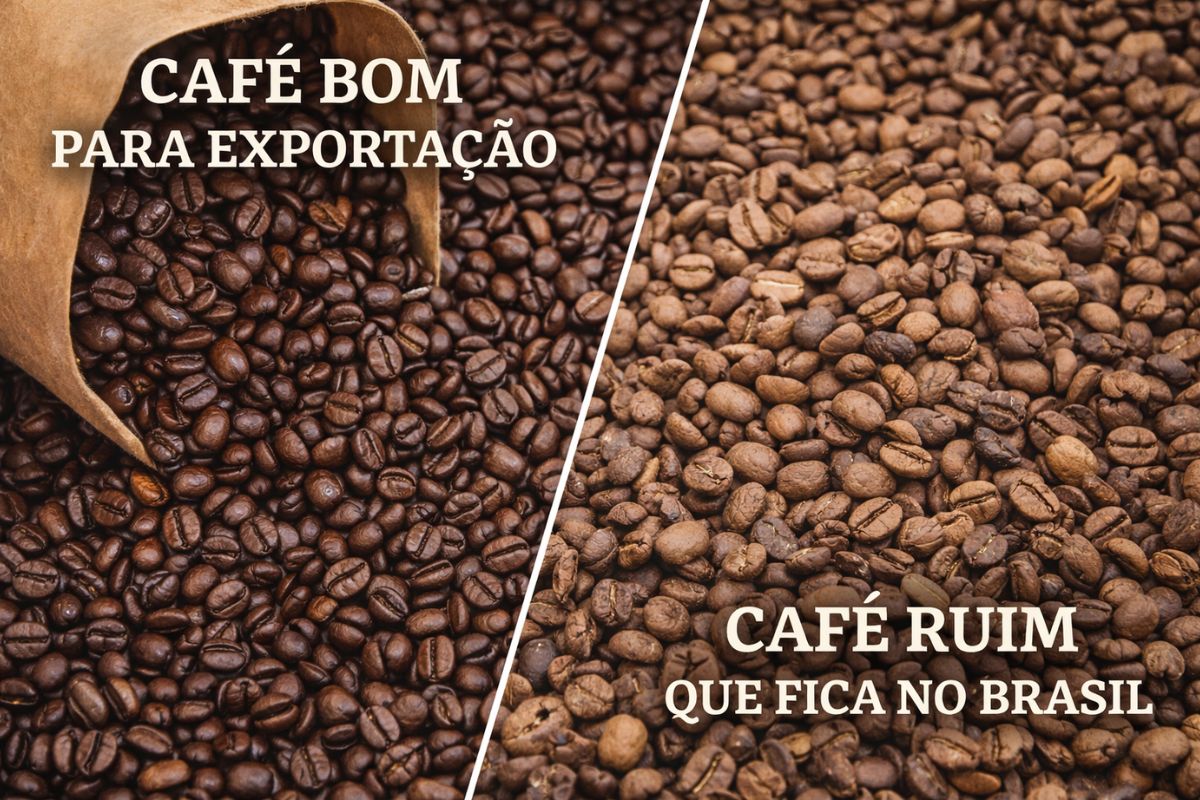
You grew up hearing that the good coffee from Brazil goes all abroad and the bad coffee stays for Brazilians, but this story has completely changed, and the numbers show that in the 1980s, thirty percent of the coffee sold here was adulterated with corn and barley.
-
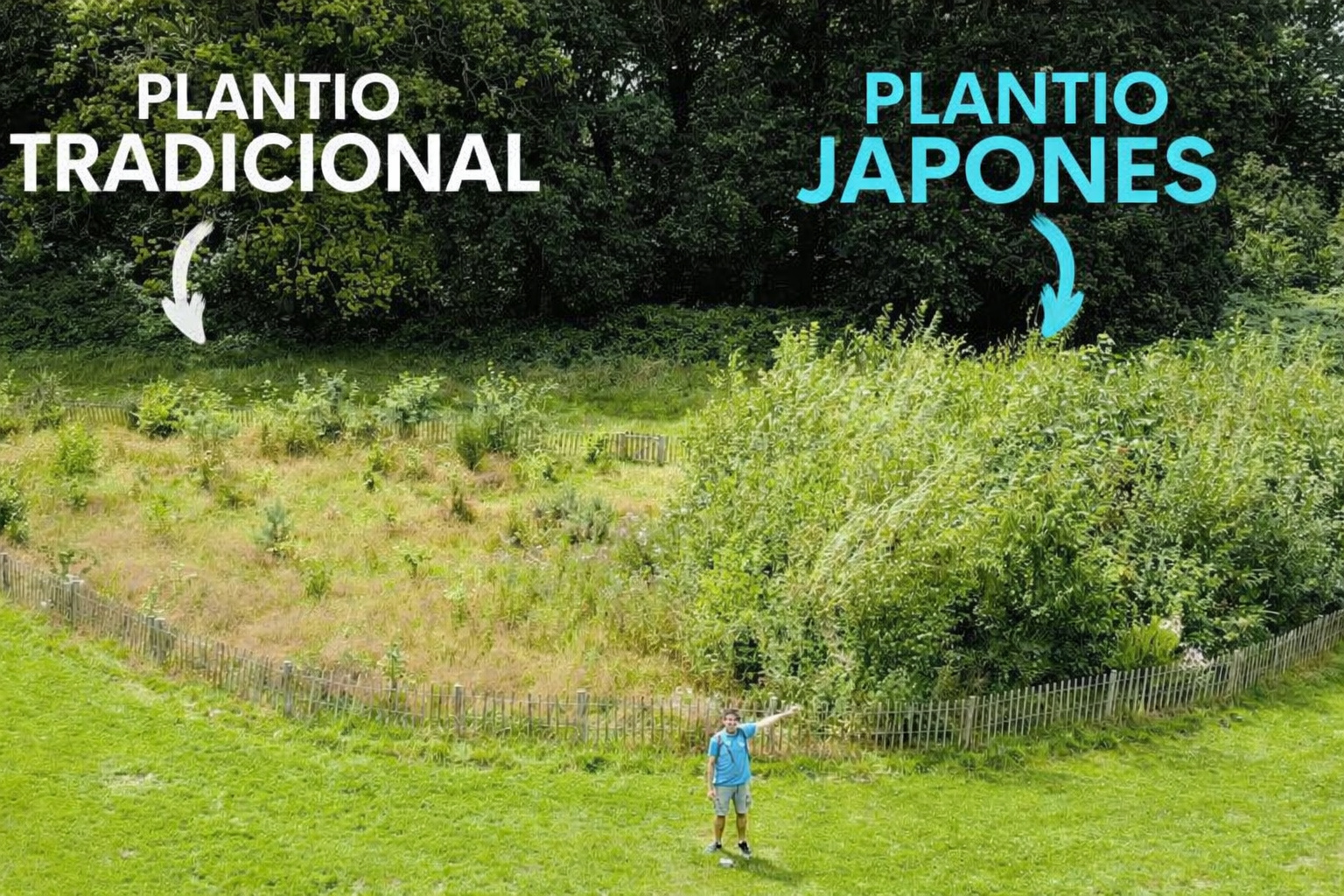
Engineer creates reforestation method that transforms small plots into dense forests in a few years using local biomass and can reduce environmental recovery costs.
-
Alone, the producer applies 7,400 hectares with the T100 drone in an optimized structure, replaces the generator with a silent battery, and demonstrates how technology reduces costs, increases productivity, and even challenges the uniport in the field.


In recent years, producers have begun to replace traditional extraction with planned agricultural systems.
Thus, thornless pequi emerges as a solution that combines innovation, regularity of harvest, and appreciation of family farming in the Cerrado, opening new economic perspectives for regions historically dependent on seasonal fruit harvesting.
From Extraction to Planned Cultivation in the Cerrado
For decades, pequi production in Brazil was almost exclusively associated with extraction.
This model supported rural communities and boosted local economies, but also imposed limitations, such as harvest unpredictability and management restrictions.
According to Elainy Pereira, a researcher at Emater-GO, since the early 2000s, pequi cultivation has been occurring in areas of legal reserve.
“It is an option that meets environmental requirements and guarantees income for farmers, but with the launch of thornless pequi, new planting modalities are beginning to intensify,” she explains.
As a result, commercial cultivation of pequi is no longer an exception and starts to integrate productive strategies aligned with environmental legislation and agricultural planning.
Thornless Varieties Expand Market and Practicality
The new cultivars developed by Embrapa Cerrados retain traditional color, aroma, and flavor but eliminate the main obstacle to consumption: the thorns.
The thicker and juicier pulp facilitates industrial processing and domestic use.
Moreover, the absence of thorns makes the fruit more attractive to new markets.
“Producers today know what they will harvest and in how much time. This completely changes the scenario,” highlights the researcher.
Therefore, thornless pequi expands the potential for the fruit’s insertion into more sophisticated and competitive production chains.
Nurseries Boost Commercial Cultivation of Pequi
The growing demand directly reflects on specialized nurseries.
In Inhumas (GO), producer and nurseryman Mauro Filho, partner of Plant Roots Viveiro Ambiental, sells between 60,000 and 70,000 seedlings per year.
According to him, the price of thornless seedlings reaches R$ 150, ten times higher than the traditional variety.
“We sell between 60,000 and 70,000 thornless pequi seedlings annually,” he states.
Additionally, the producer invested in his own orchard with four thousand plants, of which two thousand are already in production.
“It is more precocious, starting to produce after four years and yielding a good harvest every two years,” he reports.
Family Farming in the Cerrado Maintains Strategic Role
Even with the advancement of commercial pequi cultivation, extraction still plays a central role in family farming in the Cerrado.
In Mato Grosso, Ribeirão Cascalheira stands out as the main state hub.
During the harvest, between October and December, pequi becomes the main source of income for about 1,500 families.
“Pequi sustains these families during this time of year. In 2025, we are reaching an average of 1,200 boxes per day,” states Carlos Alberto Quintino, an extensionist from Empaer.
About 80% of local production still comes from native plants, favored by the natural conditions of the Cerrado.
Commercial Plantings Advance in Mato Grosso
Meanwhile, municipalities such as Gaúcha do Norte, Querência, and Canarana are expanding areas designated for thornless pequi.
“In Gaúcha do Norte, for example, there are already about 60 hectares cultivated,” explains Clodoaldo Maccari, also from Empaer.
The orchards utilize grafted seedlings, a technique that reduces the time to enter production and ensures greater uniformity.
The plant begins to produce between four and five years, with stability starting from the eighth year.
National Production and New Uses of Pequi
Data from the Brazilian Institute of Geography and Statistics indicate that Mato Grosso and Goiás together produced about 3,400 tons in 2024.
Minas Gerais leads the national ranking, with over 42,000 tons, still mostly from extraction.
In addition to in natura consumption, the fruit supplies industries of preserves, cosmetics, oils, and medicinal products.
“Pequi is still seen as an exotic fruit and has great potential for exploitation in the Southeast and South markets,” evaluates Maccari.
Innovation Redefines Pequi Production in Brazil
Thus, thornless pequi symbolizes a historic turning point in pequi production in Brazil.
By uniting science, sustainability, and market, the fruit ceases to be merely a cultural symbol and takes on a strategic role in the regional agribusiness, strengthening family farming in the Cerrado and opening new frontiers for commercial pequi cultivation.





Um pé de pequi com 5 anos produz 30 litros de óleo. Com 400 pés serão 12.000 litros de óleo medicinal e alimentício!!! É o Rei do Cerrado!!!