





 Portuguese
  English
  Spanish
  5 min of reading
  0 comments


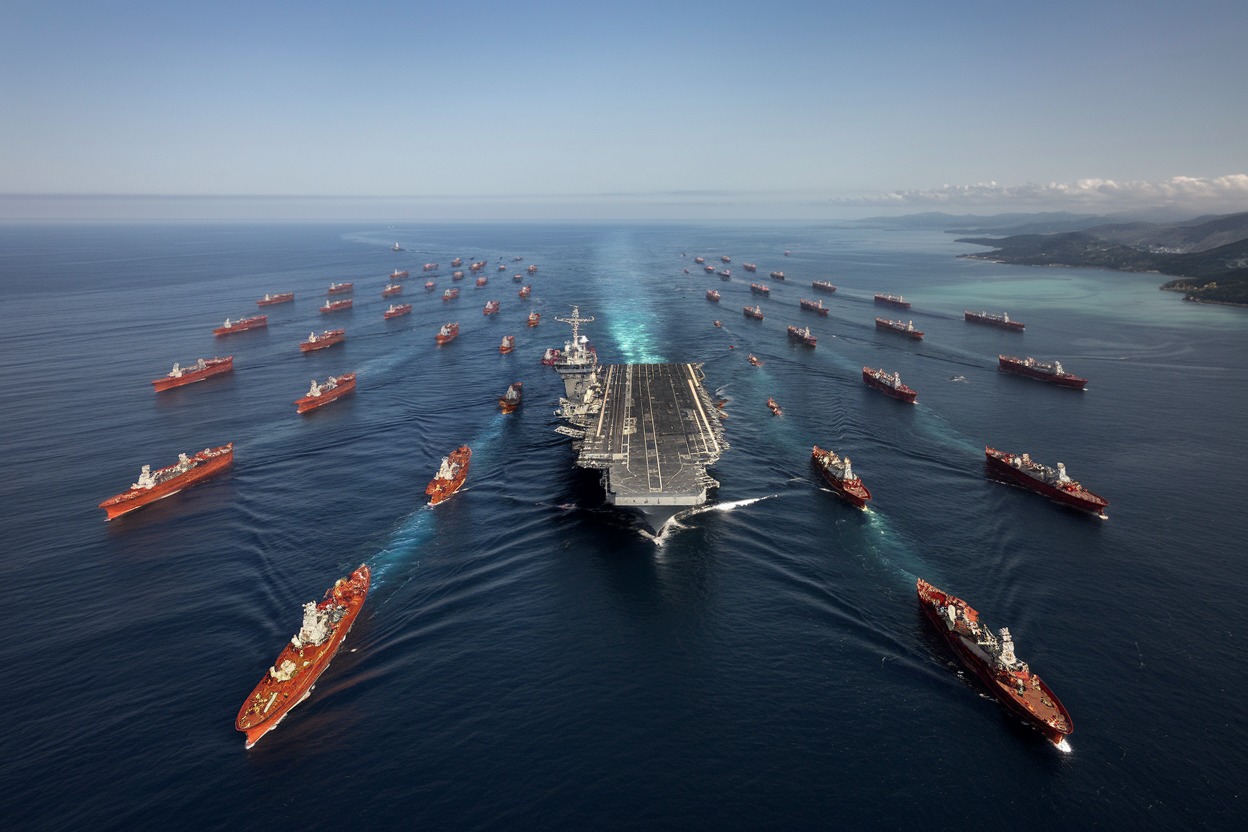
China Mobilizes Military Fleet Near Taiwan and Washington Goes on Alert: What’s at Stake in the South China Sea?
Washington on alert! The recent mobilization of a large Chinese military fleet near Taiwan has drawn the attention of the international community. Satellite images captured on January 31 reveal that the People’s Liberation Army Navy deployed an aircraft carrier, coast guard ships, and 58 militia vessels to the vicinity of Pag-asa Island. This strategic movement by China reinforces the escalating tension in the region and raises questions about Beijing’s possible objectives.
SPOTTED! near in Pag-asa Island (Thitu Reefs) 1 China Aircraft Carrier, 1 China Coast Guard & 58 China Maritime Militia Vessels a Total of 60 China Vessels.
11:15 AM January 31, 2024 PHST #PagasaIsland #ThituReefs #MaritimeAwareness #DailyAwareness pic.twitter.com/vaBefFOs5m— Maritime Awareness Daily (@daily_maritime) January 31, 2025
ARTICLE CONTINUES BELOWSee also
The U.S. Army receives the first Black Hawk helicopter that can fly without pilots, be controlled by a tablet, and even land on its own during high-risk missions.

With 11,000 tons and sensors capable of hunting submarines at long distances, the Type 055 has become one of the most feared floating arsenals of the Chinese navy.

With over 15,000 tons, radars capable of tracking hundreds of targets simultaneously, and more than 120 missiles ready for launch in seconds, modern destroyers cease to be escorts and begin to dominate the naval battlefield.
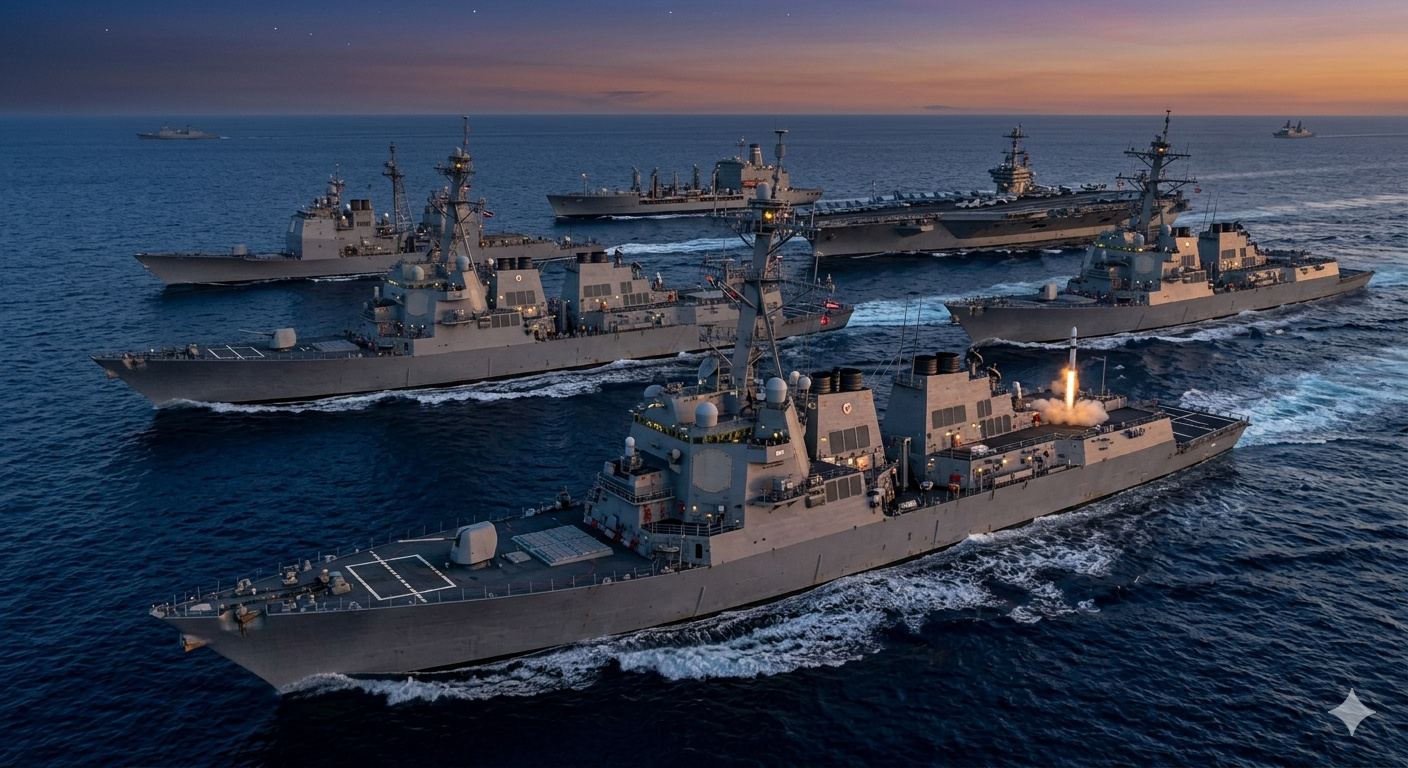
With over 15,000 tons, radars capable of tracking hundreds of targets simultaneously, and more than 120 missiles ready for launch in seconds, modern destroyers cease to be escorts and begin to dominate the naval battlefield.
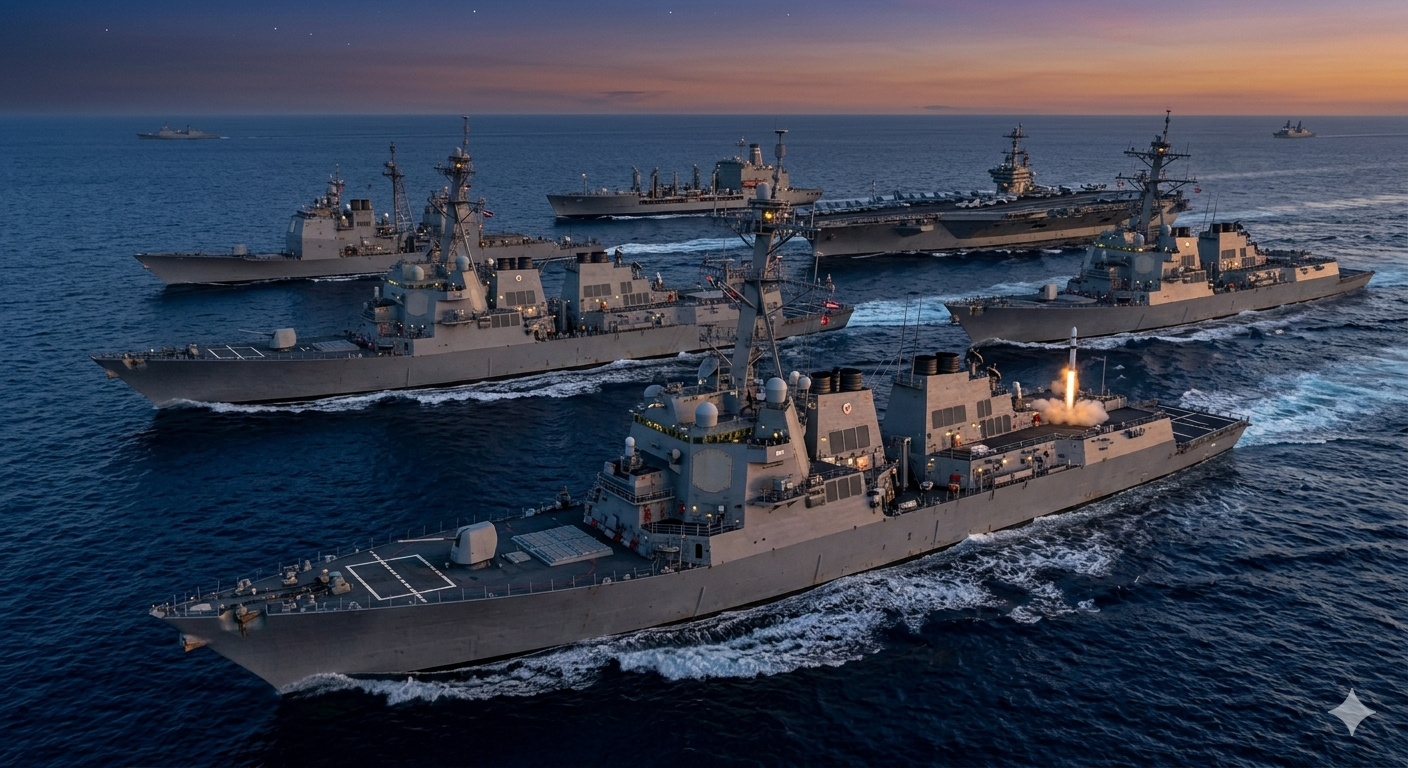
Thitu Island Is Essential for Global Trade, with About 30% of Global Maritime Traffic Passing Through Its Waters.
Pag-asa, also known as Thitu Island, plays a crucial role in the Spratly archipelago, a highly disputed region in the South China Sea. Besides its strategic location, the island represents an important asset for any nation seeking to consolidate its maritime presence. This area is vital for global trade, with approximately 30% of global maritime traffic passing through its waters.
The geographical position of Pag-asa makes it an essential monitoring point for any power interested in the region. Located approximately 480 kilometers from Taiwan, 450 kilometers from Vietnam, and 500 kilometers from mainland China, the island is in an area of intense military and commercial interest.

Unlike China, which has built artificial islands to expand its presence, Pag-asa is a natural island with a 1.3-kilometer runway, providing significant operational advantages. This factor gives the island a strategic role in monitoring and controlling the air and maritime space around it. While Beijing invests in military bases at Mischief Reef and Subi Reef, the Philippine possession of Pag-asa remains an obstacle to Chinese supremacy in the region.
Moreover, the island plays a critical role in securing trade routes and protecting vast natural resources, including oil and gas, present in the disputed waters.
Pag-asa Is a Vital Logistical and Military Hub That Can Define the Course of the Dispute in the South China Sea
China claims nearly the entire Spratly archipelago, putting it in conflict with international law and the interests of neighboring countries. In this context, Pag-asa has become a symbol of the Philippines’ resistance to Chinese ambitions.
For Taiwan, which controls Taiping Island in the same region, the strengthening of Chinese presence near Pag-asa represents a direct threat to the strategic balance. This island has become a crucial point for monitoring Beijing’s military advances.
Far from being just a small piece of land in the ocean, Pag-asa is a vital logistical and military center that can define the course of the dispute in the South China Sea. Its possession can provide a decisive advantage to any nation that manages to keep it under its control.
In light of the increasing Chinese presence, the region remains one of the most sensitive points for potential geopolitical confrontations. The deployment of an aircraft carrier, along with coast guard forces and maritime militias, may indicate a strategy by Beijing to reinforce its dominance, control maritime traffic, and demonstrate immediate responsiveness if needed.
Washington on Alert! Tactic May Limit the Action of Powers Like the United States in the Region, Reinforcing Chinese Control over Disputed Maritime Routes
Washington on alert! The Chinese movements suggest that Beijing may be establishing an exclusion zone around Pag-asa, hindering military and civilian operations of other nations. This tactic could limit the action of powers such as the United States in the region, reinforcing Chinese control over the disputed maritime routes.
The use of an aircraft carrier provides power projection and military response capability, while the coast guard and maritime militia ensure continuous patrolling. Furthermore, this naval presence may facilitate Chinese control over fishing resources and potential oil and gas reserves in the region.
For the Philippines, the Chinese movements represent significant strategic pressure, potentially interfering with infrastructure projects on the island and hindering the strengthening of the Philippine military. Beijing may be trying to force Manila to reduce its presence in the area or to accept a status quo favorable to China.
There is still limited information on China’s ultimate intentions with this mobilization. From conducting military exercises to the possibility of a more aggressive action, speculations remain open.
History of Military Exercises and Their Geopolitical Relevance
This is not the first time that China has conducted large-scale military operations in disputed regions. In 2022, Beijing mobilized a significant naval fleet near the Senkaku Islands, an area contested by Japan. The goal seemed to be to demonstrate its capacity to project force and consolidate territorial claims.
Another relevant case occurred in November 2023, when the Chinese Navy carried out a large joint exercise near the Spratly Islands. The operation involved a combination of warships, aircraft, and militia vessels, reinforcing Beijing’s presence in the disputed waters. This event occurred amid diplomatic tensions with several Southeast Asian nations.
As early as 2024, on February 8, China mobilized a substantial number of naval assets near the Paracel Islands. The action included not only the Chinese navy but also the coast guard and maritime militia, expanding its presence in the region and deterring rivals from conducting operations nearby.
These operations are part of an ongoing strategy by China to normalize its military presence and challenge the restrictions imposed by international maritime law. Beijing seeks to consolidate its position through displays of force, making it clear that it is willing to protect its claims at any cost.
What to Expect in the Geopolitical Scenario?
The Chinese naval mobilization near Pag-asa Island is not an isolated episode, but part of a broader pattern of strategic military actions. With each new exercise, China not only tests its operational capability but also sends direct messages to its regional rivals.
The impacts of these actions go beyond Asia, influencing global stability, freedom of navigation, and the balance of power in the Indo-Pacific. The international community remains alert to these developments, as any escalation in the region could have large-scale consequences for trade and global security.









-

Uma pessoa reagiu a isso.