





 English
  Francês
  Alemão
  Italiano
  Japonês
  Norueguês
  Portuguese
  Spanish
  2 min of reading


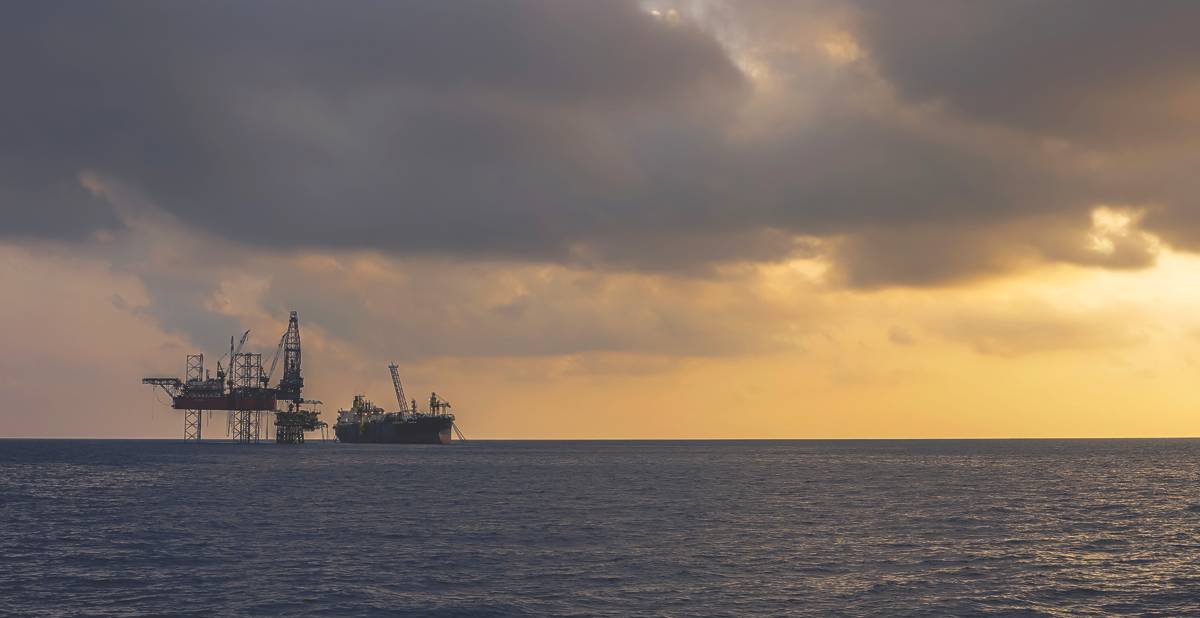
Perenco Will Extend Production From The Carapeba, Pargo, And Vermelho Fields In Shallow Waters Of The Campos Basin Over The Next 20 Years.
According To Perenco’s Operations Manager, Guillaume Moulinier, The Company Is Considering The Reactivation Of At Least 50 Wells In The Fields. Moulinier Participated On Thursday, June 27, At The Knowledge Space Of The Campos Basin, At The ONIP Arena Of Brasil Offshore 2019, In Macaé (RJ).
Perenco Reached An Agreement With Petrobras In November 2018, When The Company Bought The Fields Of Pargo, Carapeba, And Vermelho From The State-Owned Company For US$ 370 Thousand (BRL 1.4 Billion). The Closure Of These Deals Will Mark A New Scale For The Mature Fields Market In Brazil, Both Onshore And In Shallow Waters.
-
Government unlocks R$ 554 million for a highway that has been requested for decades and accelerates the duplication of BR.
-
Without bricks, without cement, and without endless construction: the cardboard house that is assembled in modules and can be moved.

-
Billions of barrels on the equatorial margin could lead Amapá to double its oil production in Brazil — the state aims to enter the route of companies in the Campos Basin, attract investments, and boost jobs and businesses in the oil and gas sector.
-
Without bricks, without cement, and without endless construction: the cardboard house that is assembled in modules and can be moved.

“We Are Here To Stay In Brazil For At Least The Next 20 Or 30 Years. We See Much Potential In The Pargo Project,” Said Moulinier, Emphasizing The Company’s Focus On The Revitalization Of Mature Fields.
==>>> Decommissioning And Revitalization Of Mature Fields Discussed At Brasil Offshore 2019
Petrobras, The Majority Dominator Of Mature Fields In Brazil, Has Focused Its Efforts On The Pre-Salt. The Oil Company Has Already Announced The Raising Of Over US$ 823 Million (BRL 3.2 Billion) From The Sale Of Mature Assets.
The Three Fields, Carapeba, Pargo, And Vermelho, Came Into Operation Between 1988 And 1989 And Together They Produced 97 Thousand Barrels Of Oil Equivalent (BOE) Per Day In 1990, When Pargo And Vermelho Reached Their Peak Production.
In Carapeba, The Peak Was In 1992, When The Combined Production Was 81 Thousand Barrels/Day. The Average Production This Year Is 3.6 Thousand BOE/Day.
==>>> Brasil Offshore 2019 Generates R$196 Million In Business In Just Two Of The Four Days Of The Event.
Only 16 Of The More Than 150 Production Wells Already Drilled In The Carapeba, Pargo, And Vermelho Fields Produced In April 2019. The Number Of Active Wells Has Been Declining Since The End Of The 1990s, With A Drastic Loss Starting From 2016 Onward.
The Fields Have Six Fixed Platforms Producing, Three In Vermelho, Two In Carapeba, And One In Pargo. The Units Have Been Operating Since The Start Of Production, About 30 Years Ago.
The State-Owned Company Drilled The First Wells In Pargo In The 1970s, And The Peak Activity In The Region Was In The 1980s. The Last Production Wells Drilled In The Region, In The Carapeba Field, Were Done In 1998. Since Then, Petrobras Has Conducted Some Campaigns In Pargo And Carapeba With Exploration Wells. The Last Well Was Drilled In 2011. – By Epbr









Seja o primeiro a reagir!