





 English
  Francês
  Alemão
  Italiano
  Japonês
  Norueguês
  Portuguese
  Spanish
  4 min of reading


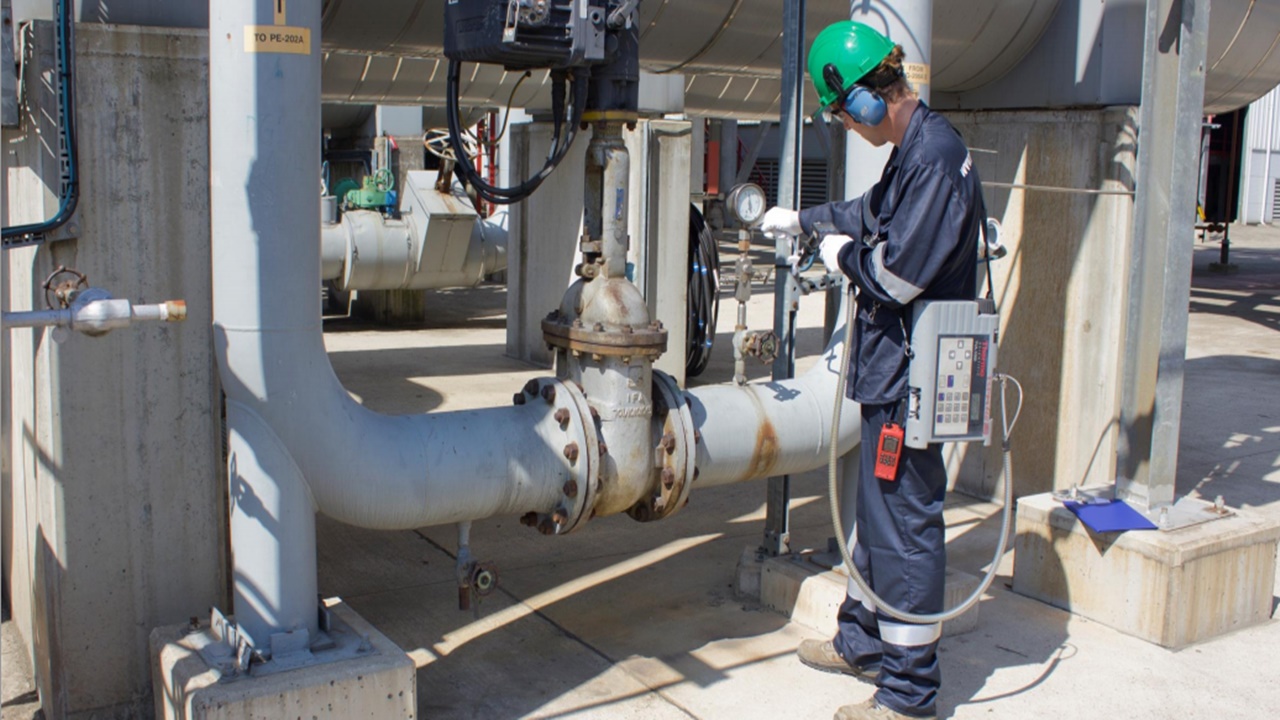
A Reliable Gas Detection System Is Important to Ensure Industrial Operation Safety, Product Quality, and Compliance with Local Legislation.
The danger can be invisible. Gas leaks in industries can cause production shutdowns, creating financial problems, as well as accidents of catastrophic proportions, even costing lives.
Also Read
- One of the Biggest Retail Networks in Construction Industry Calls for Job Openings in São Paulo, Rio de Janeiro, and Espírito Santo
- Etesco Celebrates the Extension of the Drilling Contract with the Brazilian Oil Giant
- Itaipu Plant, the Huge Hydroelectric Dam on the Paraná River between Brazil and Paraguay, Begins the Implementation of the First UGD in the Biosphere Reserve in the World
- Ambev, Coca Cola, and JBS Are the First to Purchase Electric Trucks from Volkswagen Trucks and Buses of the e-Consortium Together with Global Giants Like Bosch, ABB, Siemens, and GDSolar
The use or generation of gases in industrial processes is not limited to conventional gases like natural gas. Food and beverage industries, such as large slaughterhouses and breweries, use refrigerant gases – ammonia, R-123, or R-404A – in their daily operations to ensure the refrigeration and preservation of their products.
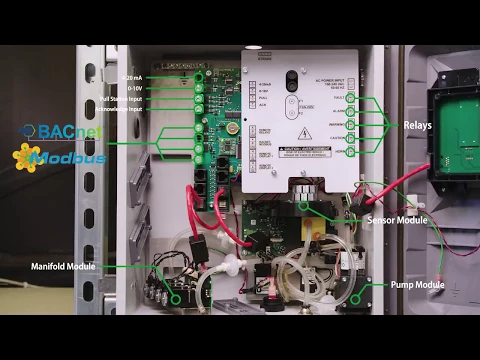

Industrial Plants Need an Efficient System Capable of Early Detection of Refrigerant Gas Leaks
If a leak occurs from the gas used in the refrigeration system, depending on its proportion, a large part of the industrial plant must be shut down, with employees evacuated and operations halted until the entire affected area is detoxified, causing immeasurable damage.
-
For 45 years, Spain and Morocco have been trying to connect Europe to Africa through a project of just 14 kilometers in the Strait of Gibraltar, and an active tectonic fault on the seabed continues to make the project nearly impossible.

-
Goodbye expensive water tank: residents replace traditional system with a cheaper and more efficient solution that reduces water consumption and reuses rainwater.

-
Mexico is building a 300-kilometer railway corridor that connects the Pacific to the Atlantic in just seven hours and wants to compete directly with the Panama Canal, which is already facing water scarcity issues.

-
The largest tunnel module factory in the world was built from scratch on a beach in Denmark to produce 89 concrete blocks and will be demolished after the project: each structure weighs up to 10 times the Eiffel Tower and will be installed on the bottom of the Baltic Sea with an accuracy of 12 millimeters in a tunnel that will halve the travel time between Hamburg and Copenhagen.

“An ammonia leak, for example, can cause everything from employee poisoning to large explosions, putting the lives of workers at risk and resulting in incalculable losses,” says Felipe Claudiano, Manager of Fixed and Portable Gas Detection Products at MSA Safety, a global leader in the development, manufacturing, and supply of safety products.
Therefore, industrial plants need an efficient system capable of early detection of refrigerant gas leaks. NR 36, the regulatory standard for health and safety at work – especially for industries and companies involved in the slaughter and processing of meat and its derivatives – establishes minimum requirements for assessing, controlling, and monitoring existing risks and includes various measures, such as the mandatory implementation of mechanisms for the early detection of leaks at critical points, coupled with an alarm system and installation of a control panel for the refrigeration system, among the fundamental safety factors in industrial safety.
Devices That Assist in the Control and Monitoring of Gas Leaks
There are several devices that assist in the control and monitoring of gas leaks, minimizing the risk of large-scale accidents. They are fixed detectors that, when installed in strategic locations, detect refrigerant gas leaks and issue alerts to auxiliary control systems, such as sirens or ventilation systems.
An outstanding point gas detector is the X5000 from MSA Safety, which identifies leaks using chemical sensors that react in the presence of the target gas, such as ammonia. A detector like this has a service life of approximately five years, unlike conventional detectors which have a more limited lifespan and require constant maintenance and sensor replacements to ensure proper functioning.
The Chillgard 5000, also from MSA, is a suction system that monitors up to 16 points using infrared photoacoustic technology, detecting ammonia or up to 38 different refrigerant gases. The detector features a colored touch interface with simple visual indications for alarms, faults, or events, maintains an easily accessible event log and diagnosis that allows for rapid troubleshooting. The unique calibration adjustment port simplifies any testing on the detector and eliminates the need for work at height, common in conventional point detectors.
Advantage of the Chillgard 5000
Another advantage of the Chillgard 5000 is its durability. With a robust design and high-quality components, the savings on maintenance and parts replacement over the years are significantly lower compared to systems that use conventional electrochemical technology.
The Chillgard 5000 has the certification of the leading global institutions, such as UL: certification issued by Underwriters Laboratories that guarantees compliance with safety and quality standards in the United States and Canada and allows for international circulation. It also has the CSA (Canadian Standards Association) certification from the Occupational Safety and Health Administration (OSHA), the EN 61010-1, a unified standard for all of Europe (known as Harmonized Standards), given only to extremely qualified products, and the BACnet BTL, which provides Compliance Certification, a crucial seal that makes the Chillgard a distinguishing factor in the market.
To give you an idea, a survey conducted by MSA indicated that the Chillgard 5000 can generate savings of up to 50% over the years compared to a conventional electrochemical system. This is the case with a partner that has maintained fifty ammonia detection points for four years. The company chose to invest in the Chillgard; although it was a larger initial investment, the expenses in subsequent years were turned into significant savings.
According to the specialist, for every need, application, or size of the area at risk of leaks, there are systems that help provide better monitoring coverage, such as perimeter detection using open beam detectors, with emitter and receiver, using laser technology, in areas with constant risks of up to 120 meters of perimeter for ammonia detection. With disruptive laser technology, the MSA’s ELDS, for example, is a maintenance-free detector that does not generate false alarms, which is common in applications with conventional detectors in extreme use.
“There are solutions for all ‘sizes’ and needs. The most important thing is that industries strictly follow the protocols against gas leaks and understand that these detection systems are investments and not just costs,” emphasizes Felipe Claudiano.










Seja o primeiro a reagir!