





 Portuguese
  English
  Spanish
  3 min of reading
  0 comments


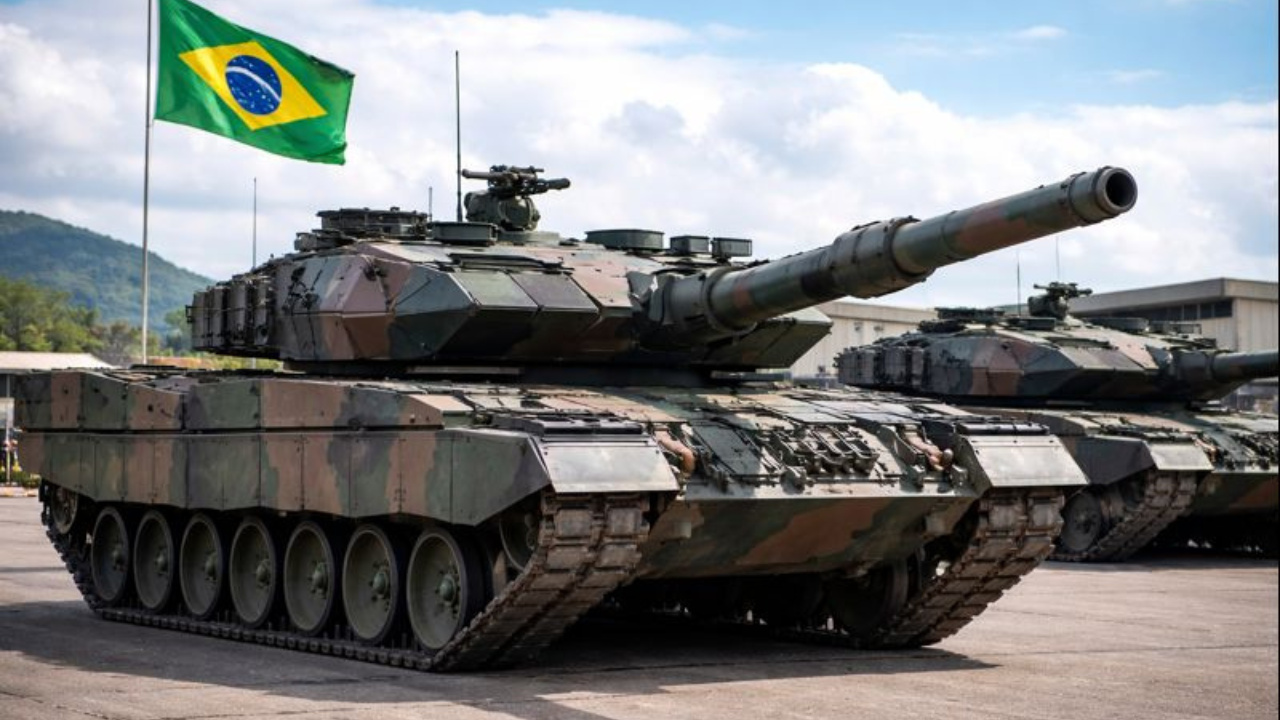
Leopard 2A6 Was Discarded by the Brazilian Army After Cost, Logistics, and Military Modernization Strategy Analysis.
The Brazilian Army decided not to acquire the Leopard 2A6 battle tanks offered by Germany, following a technical, logistical, and strategic analysis that evaluated costs, operational conditions, and impacts on the country’s military modernization.
The decision, made recently within the Ground Force, considered that the armored vehicles do not meet Brazil’s current needs, especially due to infrastructure limitations, high costs, and lack of alignment with the strengthening of the national defense industry.
Proposal Involved 65 Leopard 2A6 Tanks
The offer presented to Brazil included the acquisition of 65 units of the Leopard 2A6, one of the most well-known models among European-origin battle tanks.
-
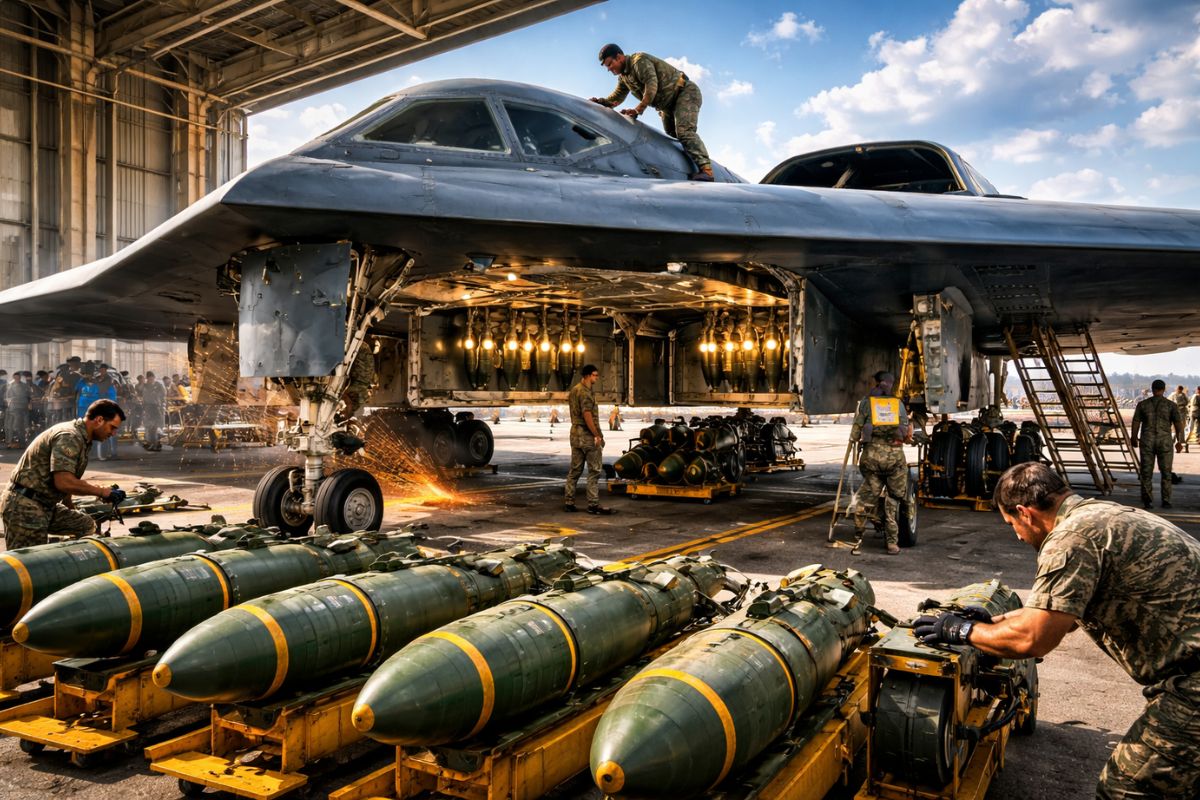
Valued at over $2 billion, the B-2 Spirit bomber requires meticulous inspection, bombs calibrated in a controlled environment, and extreme preparation to disappear from radar and launch attacks with lethal precision.
-
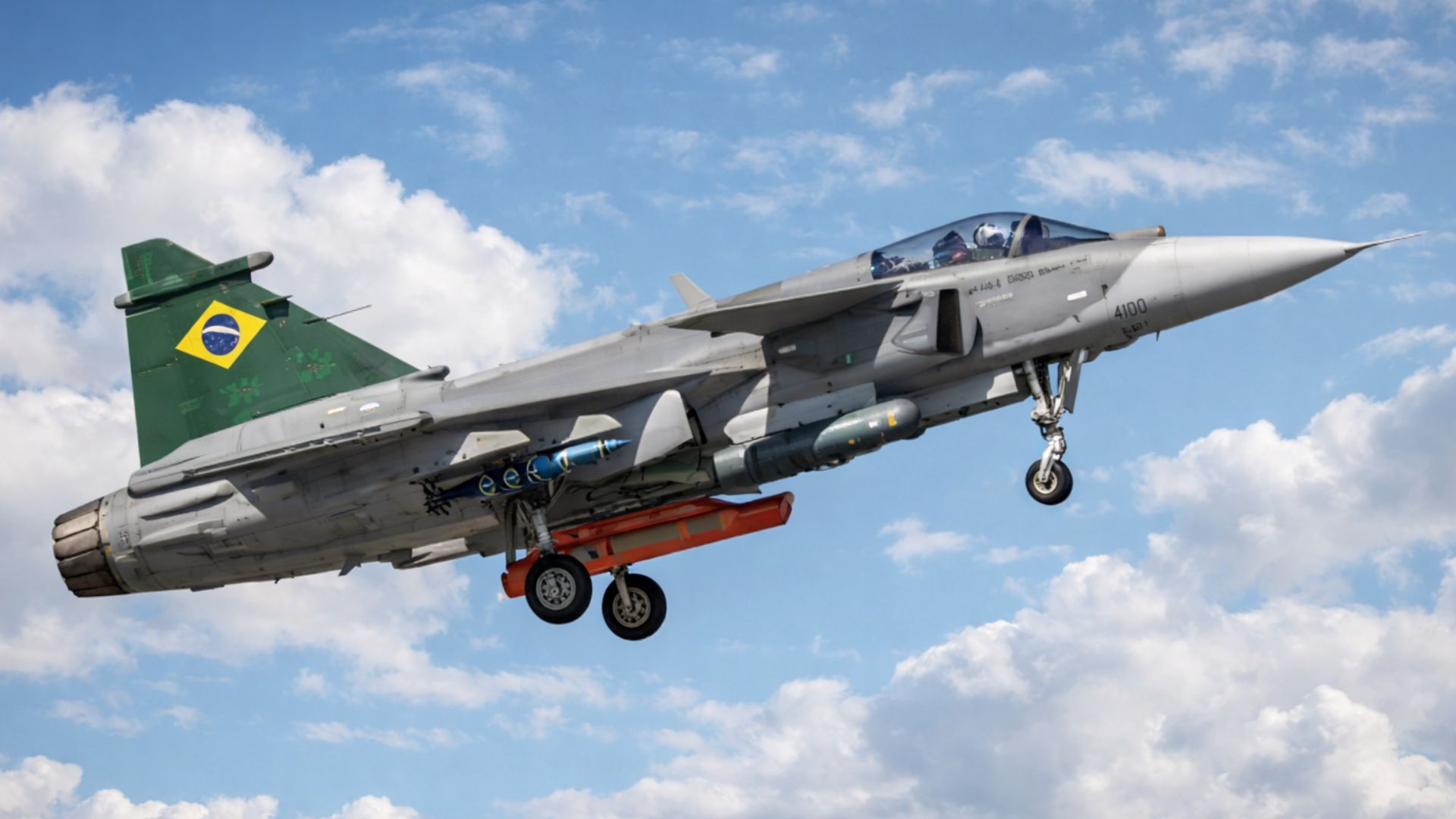
Brazil presents the first national F-39 Gripen fighter and redefines air defense with technological advancement, job creation, and strengthening of the defense industry on the global stage.
-
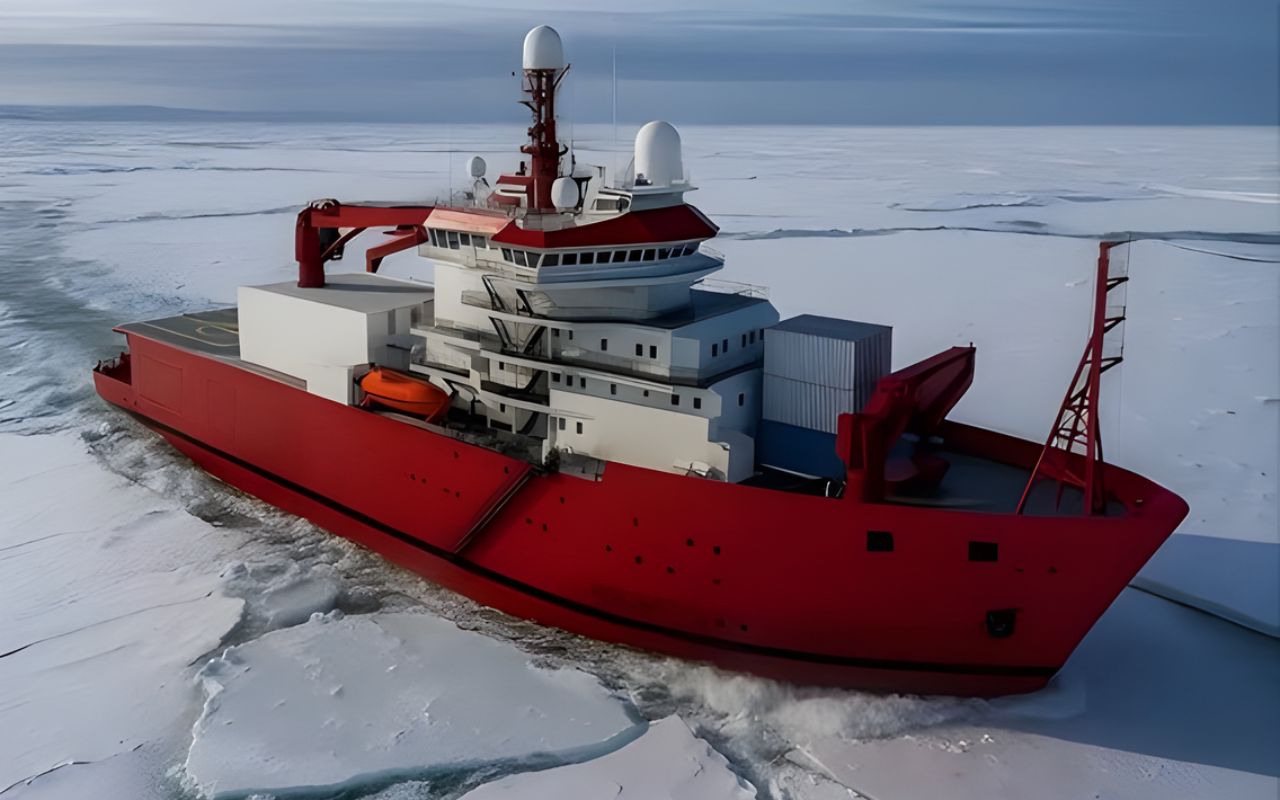
The construction of the Polar Ship Almirante Saldanha is progressing ahead of schedule and strengthens Brazil’s presence in Antarctica; the vessel will be 93 meters long, have a two-month autonomy, and technology to face ice.
-
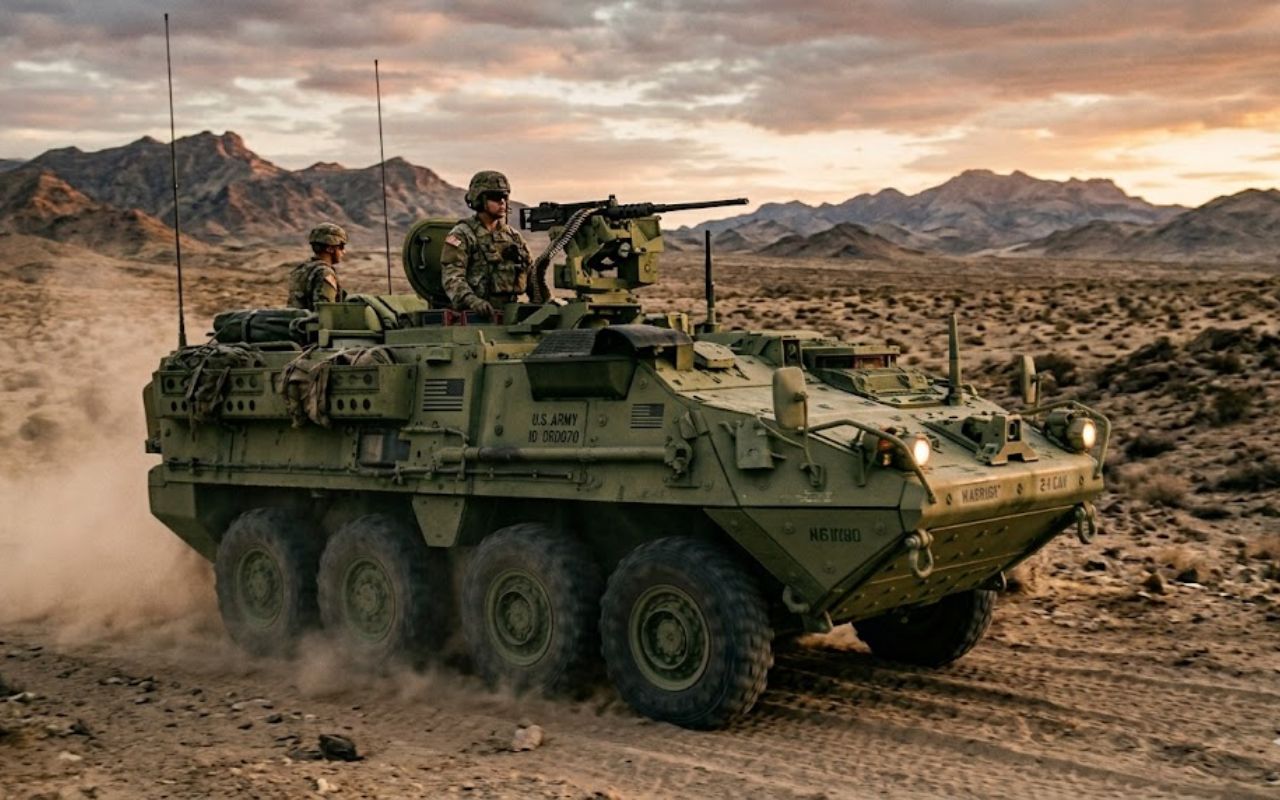
The United States Army has an armored vehicle that reaches speeds of up to 100 km/h, capable of operating normally on different types of terrain and also on asphalt without causing damage; equipped with a 350 hp engine, it can transport up to 9 soldiers — meet the Stryker.

However, despite the vehicle’s reputation in international operational theaters, the Army assessed that the proposal did not deliver proportional advantages to the required investment.
Each unit would have an approximate cost of 15 million euros, raising the total negotiation value to about 975 million euros, equivalent to approximately R$ 6.3 billion.
In light of this scenario, the cost-benefit ratio was considered unfavorable to Brazil’s budgetary and operational reality.
Excess Weight and Logistical Bottlenecks Influenced Decision
One of the most sensitive points of the technical analysis involved the weight of the Leopard 2A6, which weighs 62.3 tons.
This number well exceeds the 50-ton limit imposed by the existing logistical and transport infrastructure in Brazil.
Therefore, incorporating these battle tanks would require significant additional investments in bridges, roads, transport means, and military bases.
Moreover, the strategic movement of these armored vehicles across national territory would become slower and more costly, reducing operational efficiency in real scenarios.
Used Vehicles Increase Maintenance Costs
Another determining factor was the condition of the equipment.
The Leopard 2A6 tanks offered have decades of use, which tends to significantly increase maintenance costs over the equipment’s life cycle.
Additionally, spare parts, electronic systems, and critical components would depend on external supply chains.
This factor raises logistical risks, compromises operational availability, and pressures the defense budget in the medium and long term.
Operational Limitations Weighed Against the Leopard 2A6
From a military perspective, the Brazilian Army assessed that extremely heavy vehicles do not fully adapt to the geographical and operational conditions of the country.
The national territory features extensive areas with limited infrastructure, variable climate, and mobility challenges.
Thus, lighter, more agile, and flexible platforms tend to offer better performance in territorial defense missions, strategic mobility, and rapid response.
This understanding reinforced the decision to discard the Leopard 2A6.
Strategic Focus on the National Defense Industry
More than a specific decision, the rejection of the Leopard 2A6 aligns with a broader strategic guideline:
to strengthen the national defense industry. The Army seeks to reduce external dependence and enhance Brazil’s logistical autonomy.
The acquisition of used tanks, highly dependent on imported components, would run counter to this objective.
Instead, the priority has shifted to local development or production of armored vehicles, with greater participation from the Brazilian industrial base.
Military Modernization with Solutions Adapted to Brazil
The military modernization advocated by the Brazilian Army prioritizes lighter, modular, and technologically upgradable platforms, capable of being maintained and evolved within the country.
This model favors job creation, technology transfer, and strengthening of the strategic industrial sector.
Furthermore, national or co-produced solutions allow greater control over maintenance, training, and system upgrades, reducing external vulnerabilities.
Decision Reflects Long-Term Vision
By discarding the Leopard 2A6 tanks, the Brazilian Army signals a long-term vision based on efficiency, autonomy, and operational sustainability.
The choice does not represent a setback in military capacity but rather a redefinition of priorities aligned with Brazilian reality.
Meanwhile, the Ground Force continues to evaluate alternatives that combine combat capability, logistical viability, and strengthening of the national defense industry, which are central pillars of the current military modernization strategy.









-

Uma pessoa reagiu a isso.