





 Portuguese
  English
  Spanish
  3 min of reading
  6 comments


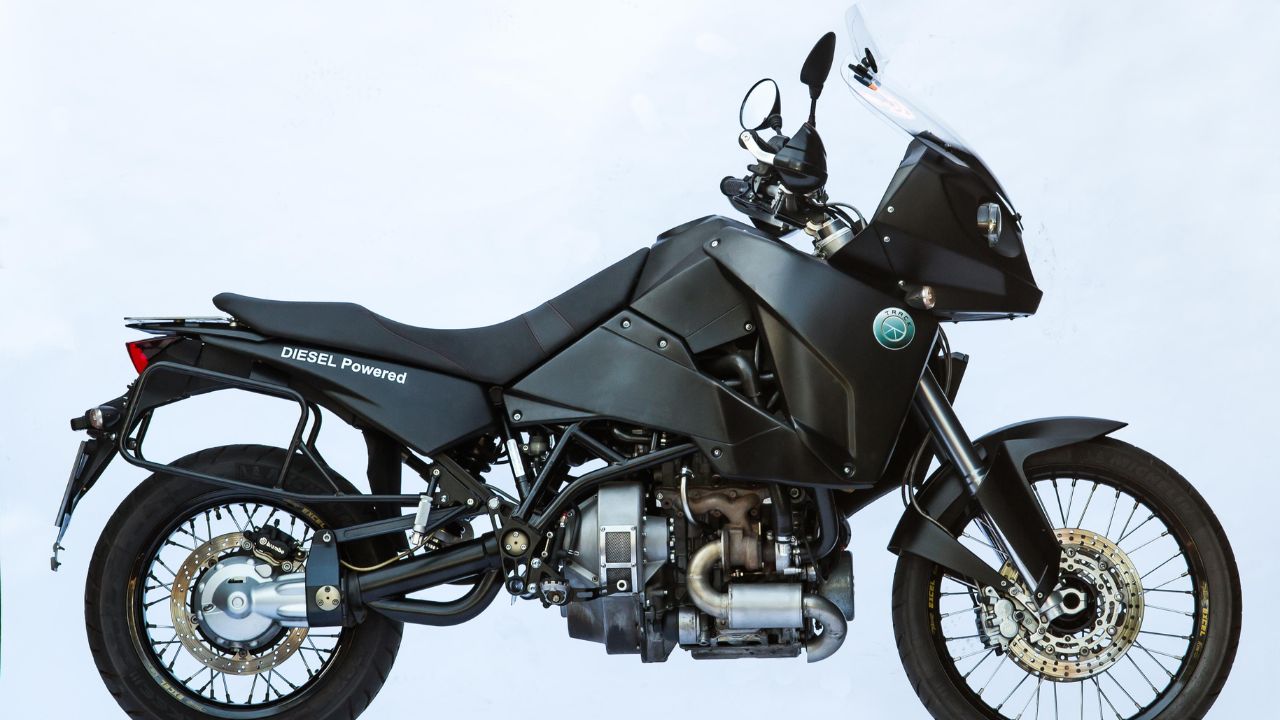


Diesel Engines Are Present in Trucks, Tractors, Locomotives, and Even Some Cars, but When It Comes to Motorcycles, This Technology Simply Has Not Become Popular. The Reason? There Are a Series of Factors That Make the Use of Diesel Engines in Bikes Impractical and Unviable in Most Cases.
Despite some attempts in the past, diesel-powered bikes have not managed to capture the market. In this article, we will explore the history of diesel engines, their characteristics, and understand once and for all why diesel bikes are so rare.
The diesel engine was created in 1892 by German engineer Rudolf Diesel. Unlike gasoline engines, it uses compression to ignite the fuel, eliminating the need for spark plugs. This technology stood out for its efficiency and economy, being quickly adopted by large vehicles such as trucks and locomotives.
Initially, diesel engines were very large and heavy for any application other than stationary equipment. Only in the 1920s and 1930s, with advances in technology, did diesel engines begin to be used in smaller vehicles. However, their application was limited to cars and trucks, with very few experiments in motorcycles.
-
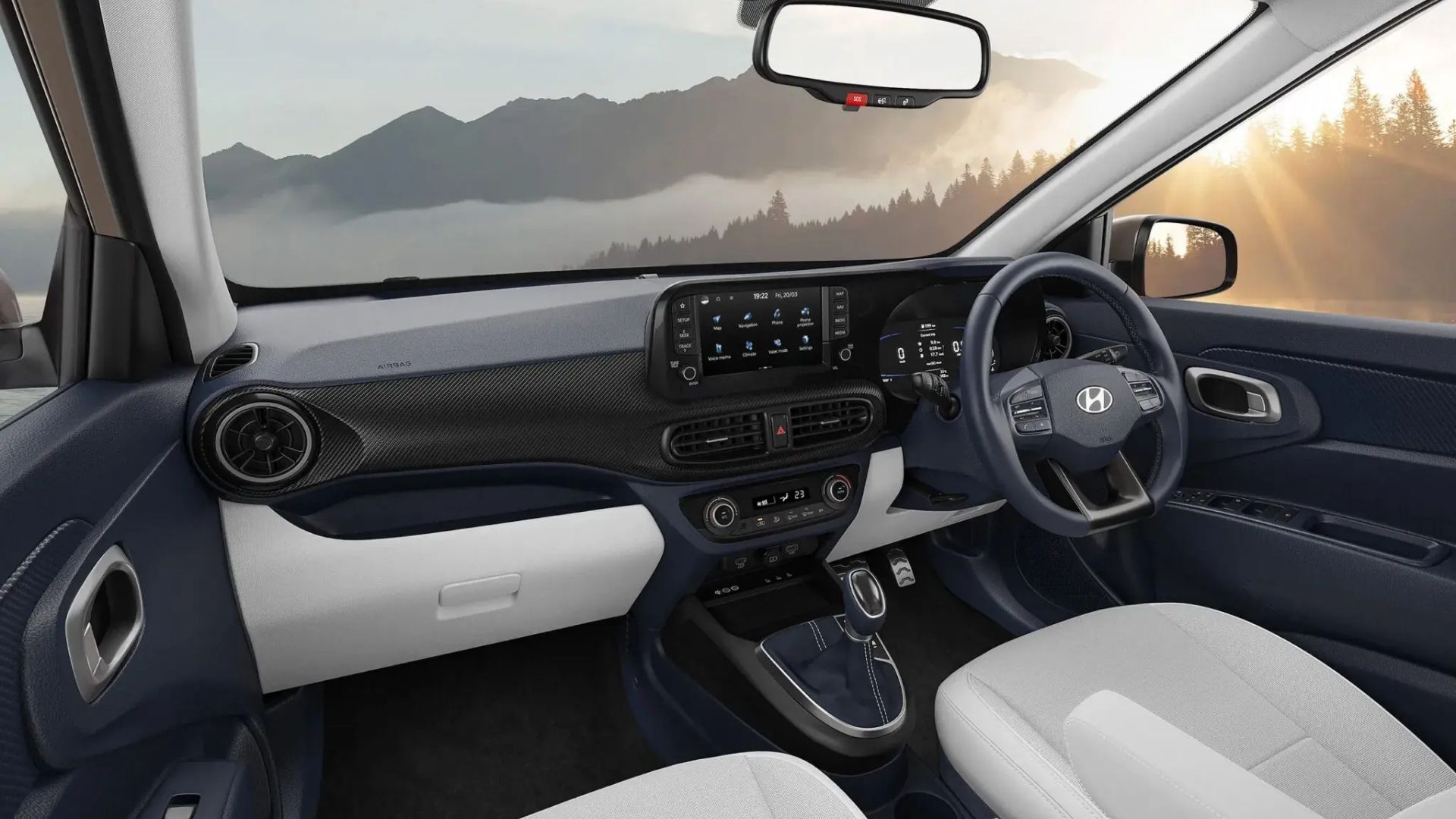
For R$ 32,000, a brand new Hyundai car is a rival to the Kwid with a 1.2 engine producing 82 hp, 6 airbags as standard, multimedia with wireless Android Auto, up to 391 liters in the trunk, and a refreshed look for 2026 in India.
-
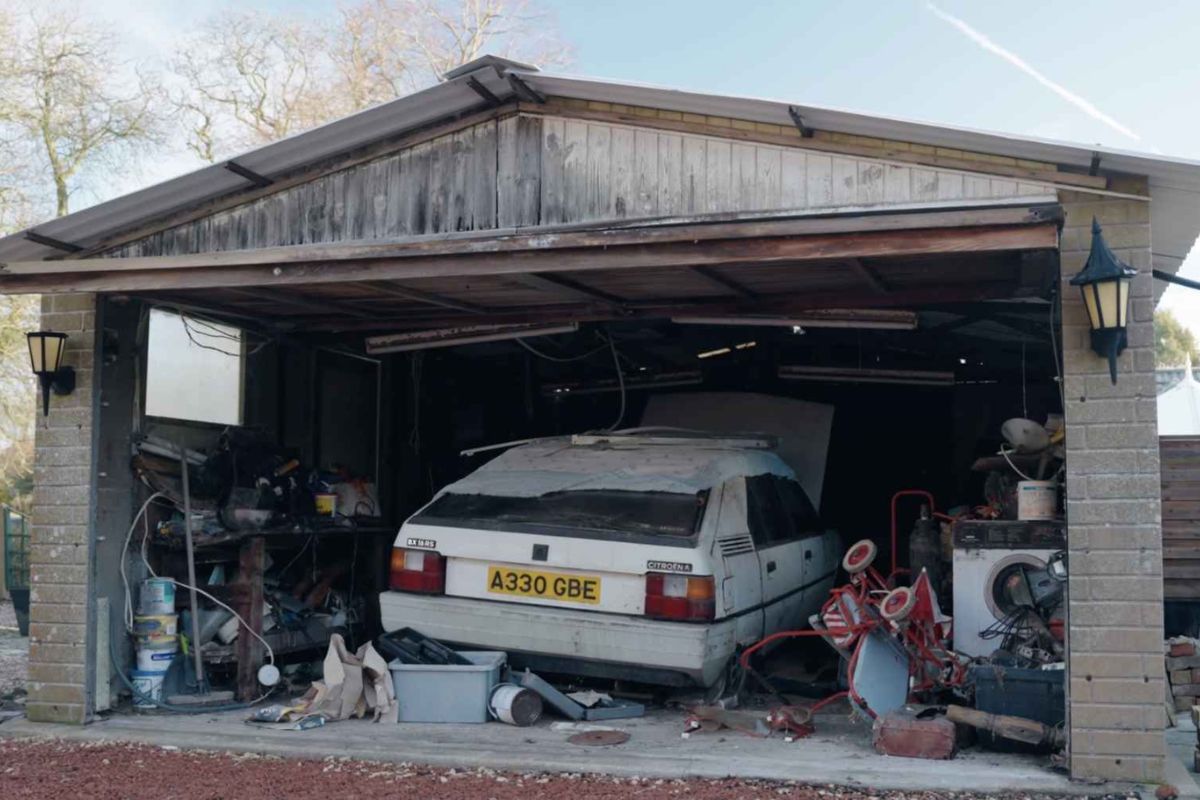
He bought a new car in 1983, locked it in the barn in 1988, and no one opened the door for 38 years until the family discovered what was stored inside and realized it looked like something out of a movie.
-
A 250cc motorcycle that can reach 560 km with a 14-liter tank, features disc brakes on both wheels and is among the most well-known in Brazil.
-
Man finds over 200 rare cars abandoned on a lot and tries to do the impossible in 8 hours with a surprise at the end.


Characteristics of Diesel Engines
Diesel engines have some striking characteristics that differentiate them from gasoline engines:
- Higher Energy Efficiency: Diesel engines consume less fuel and offer more range.
- High Compression Ratio: Diesel requires a higher compression for combustion, making the engine more robust.
- Lower RPM and Higher Torque: While gasoline engines operate at high RPMs, diesel engines are designed to function at low revs, generating more torque.
Despite these advantages, these same characteristics make the diesel engine less attractive for motorcycles.
Why Is the Diesel Engine Not Viable for Bikes?
One of the main problems with the diesel engine is its high weight. Since it needs to withstand high compression ratios, its internal parts must be reinforced, resulting in a larger and heavier engine. For vehicles like trucks and tractors, this is not a problem, but in motorcycles, which require lightness and balance, this becomes a significant obstacle.
Diesel engines vibrate much more than gasoline engines. This occurs because diesel combustion is less predictable and more violent. In a car, these vibrations are absorbed by the chassis and engine mounts, but on a motorcycle, where the rider is directly on top of the structure, the impact is much greater. This would make riding extremely uncomfortable.
Another important factor is that diesel engines rotate less than gasoline engines. While a sports bike can easily reach 12,000 RPM, a diesel engine rarely exceeds 4,000 RPM. This means it generates a lot of torque but does not develop sufficient speed and power for adequate performance in motorcycles.
Environmental regulations also hinder the use of diesel engines in motorcycles. To meet pollutant emission regulations, modern diesel engines require catalytic converters, advanced electronic injection, and even gas treatment systems like urea tanks. These additional components further increase weight and complexity, making their application in bikes unviable.
Bikes That Used Diesel Engines
Despite the difficulties, some manufacturers have attempted to create diesel-powered motorcycles:
- Royal Enfield Taurus: Launched in the 1980s in India, it used a single-cylinder diesel engine with 6 horsepower and achieved up to 90 km/l. However, its low top speed of 65 km/h limited it to specific uses.
- Track T800 CDI: Dutch model equipped with a turbo diesel three-cylinder engine, inspired by the Mercedes-Benz engines of the Smart. It had 50 horsepower and reached 155 km/h, but its high weight hindered handling.
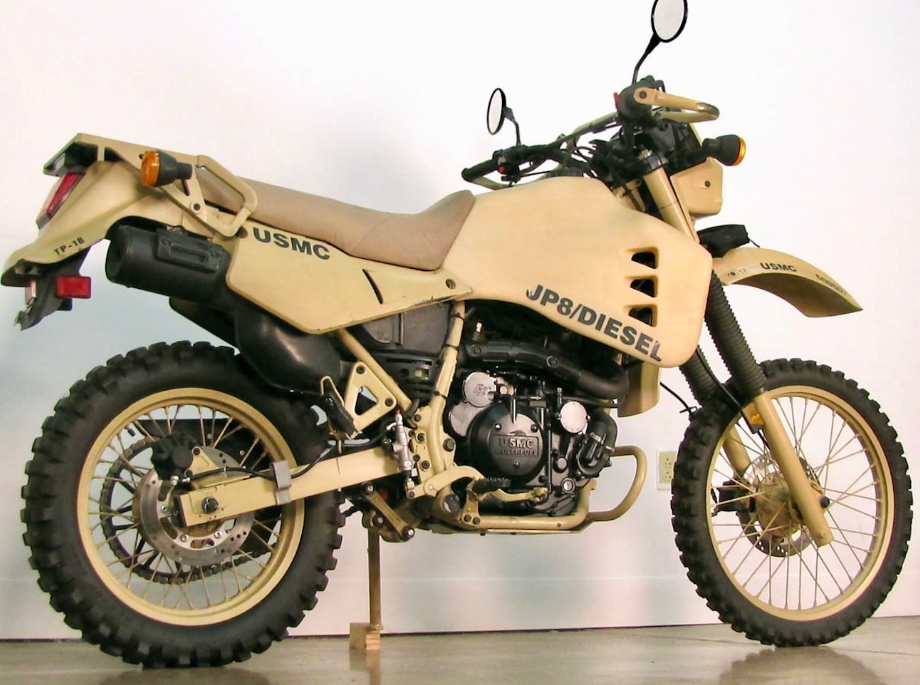
- HD T M1030M1: Created for the U.S. Army, it was a diesel motorcycle based on the Kawasaki KLR650. Its engine could run on various types of fuels, but it was never commercialized for the general public.
Even with these attempts, none of these bikes managed to become a commercial success.










Falta de persistência,hoje em dia tem muitos carros a diesel que tem excelentes velocidade tem empresas qualificadas em caixa de transmissão.tem empresas qualificadas em calços pra tirar vibrações.
Carro a diesel não tem porque? Me engana que eu gosto vai…..
Seria ideal…já pensou uma moto a diesel com um tanque de 8L fizesse 720km…claro mas a indústria Petro/química iria ter enormes perdas…ora, já imaginou as grandes cidades abandonando os carros e comprando motocicletas super econômicas!!! Com a tecnologia que temos hj e investimentos logo chegaria a estabilização nos motores a diesel….já imaginou uma moto 90km/L!!!🤣🤣🤣🤣