





 English
  Francês
  Alemão
  Italiano
  Japonês
  Norueguês
  Portuguese
  Spanish
  3 min of reading



Solar Energy Has Become An Increasingly Common Investment In The Brazilian Economy, But Some Citizens Say There Is A Lack Of Incentive To Invest And Not Have To Pay ICMS Taxes. The Deadline Given By The Federal Government For The Tax Exemption On Energy Produced Goes Until December 2022. After That, It Is Estimated That The Charge Will Be 25% On Rural Areas And At Least 29% On Urban Areas.
The International Monetary Fund (IMF) conducted a survey stating that replacing coal with solar energy could generate an economy of R$ 73 trillion. The report was published last Wednesday (08), and the amount that would stimulate the economy in trillions would correspond to the end of this century. Renewable energy has been an alternative for maintaining long-term energy security, especially in a context where industries are facing difficulties due to a lack of rain, in producing energy through hydropower.
The attempt to abandon coal has also been a present debate in other countries. For example, Petro, one of the left candidates for the elections in Colombia, stated that he intends to abandon “once and for all” the use of oil and coal in the country if elected. He supports the use of renewable sources, and his idea could impact the Brazilian economy, which is also heavily based on fossil fuels. Meanwhile, the Fund highlighted that stopping the use of coal, which was compared to “cocaine” by the Colombian presidential candidate, could bring a series of benefits for the economy, such as reducing climate change and global warming.
Greenhouse Gases, Coal, And Solar Energy


But how was the calculation made to determine the potential economic benefit? For this, the Fund considered the daily emission amounts and their market value. Then, a comparison was made until the end of the century to find out what the economic benefit would be if they ceased to exist.
-
Chinese giant worth nearly R$ 4 billion that manufactures cables for electric cars, solar energy, and robotics wants to open a factory in SC.

-
Many employers do not know, but the law guarantees domestic workers a 25% increase in salary during trips, 50% for overtime, 20% for night shifts, and 17 additional benefits that can lead to labor lawsuits if not paid.

-
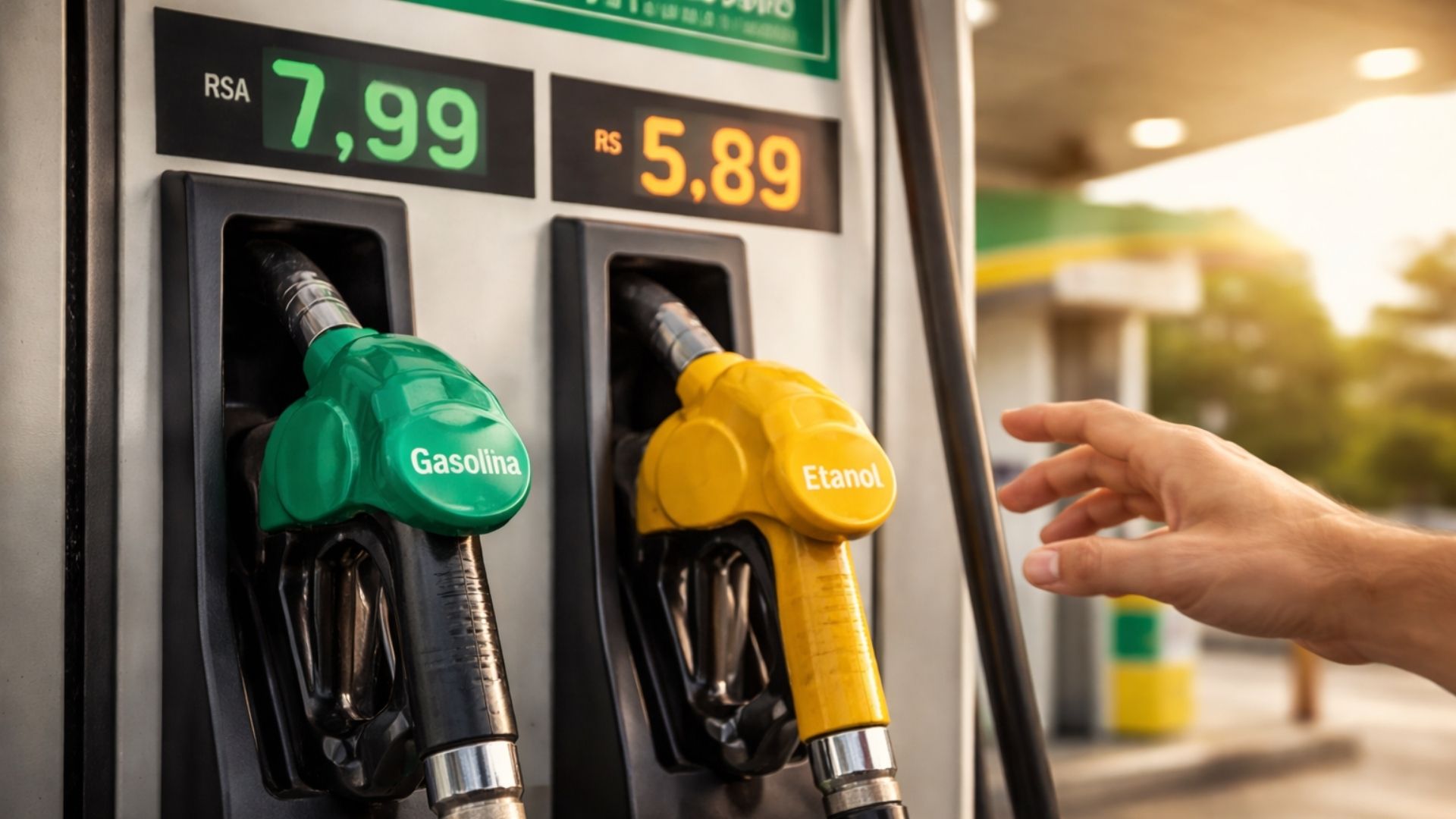
Gasoline prices soar and the question arises: is ethanol more advantageous? The 70% rule reveals the limit with gasoline.
-
The government has made a decision and is starting a test with more ethanol in gasoline, anticipating a mixture of up to 35%, diesel with 25% biodiesel, and a study to assess the impacts on engines.

The IMF argues that the end of coal use should not be seen as something expensive because, in the long run, it can provide a series of advantages for fauna and flora. There is also a significant reduction in carbon emissions, which can help many countries meet their climate obligations by 2030. Investment in renewable energies also has the advantage of creating more jobs, both technical and intellectual.
Despite the advantages, the initial cost to start investing on a global scale can be high – despite being paid off over time. Not to mention that many countries still insist on using oil and coal, as their economies are based on these two products, as is the case with Brazil and Colombia. This is one of the reasons why many governments tend to “push back” the possibility of changing their strategies to achieve climate targets. For context, analysts claim that cutting coal use in Colombia could lead to a decrease in GDP, Gross Domestic Product, of at least 8%.










Seja o primeiro a reagir!