





 Portuguese
  English
  Spanish
  5 min of reading
  0 comments


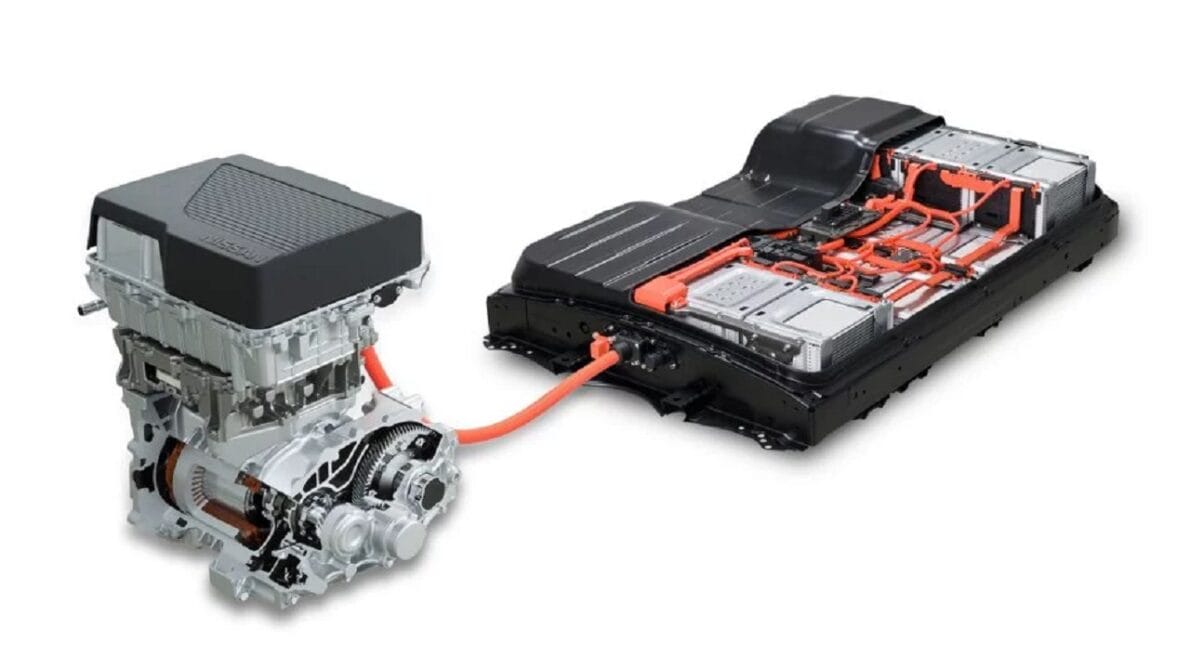
Discover How Battery Durability Affects Electric Cars. Insights from a Study with Thousands of Vehicles! Learn More About Battery Lifespan
The transition to electric vehicles raises significant concerns about the durability of the batteries that power them. The lifespan of these batteries is vital, directly impacting the range and economic viability of the vehicles. Over time, just like smartphone batteries, electric car batteries also face degradation. A deep understanding of this degradation is crucial for both consumers and manufacturers, who seek to maximize efficiency and minimize operational costs.
A comprehensive study involving over 15,000 electric vehicles revealed important insights about battery degradation. The results showed that while capacity loss is inevitable, it varies with usage and the technology applied. This knowledge is essential for improving battery technology, ensuring that electric cars become an increasingly viable and attractive option. The research also provides valuable data for planning maintenance and the expected lifespan of the vehicle.


Analyzing Duration and Degradation
The fear that the experience we are all used to with our mobile phones will repeat with an electric car is reasonable, and much more than just an argument from those who are against or skeptical about electric vehicles. Especially when considering how expensive an electric vehicle battery is, to the point that failures, and especially accidents, can be directly irreparable.
-
Man builds functional 5-meter submarine in his garage using gas cylinders, PVC pipes, and a refrigerator motor, and navigates with the vessel on a lake in Colombia.

-
Millions of people have been eating yam for centuries without knowing that this humble tuber contains a compound called diosgenin, which scientists have now discovered can improve memory and help control blood sugar levels.

-
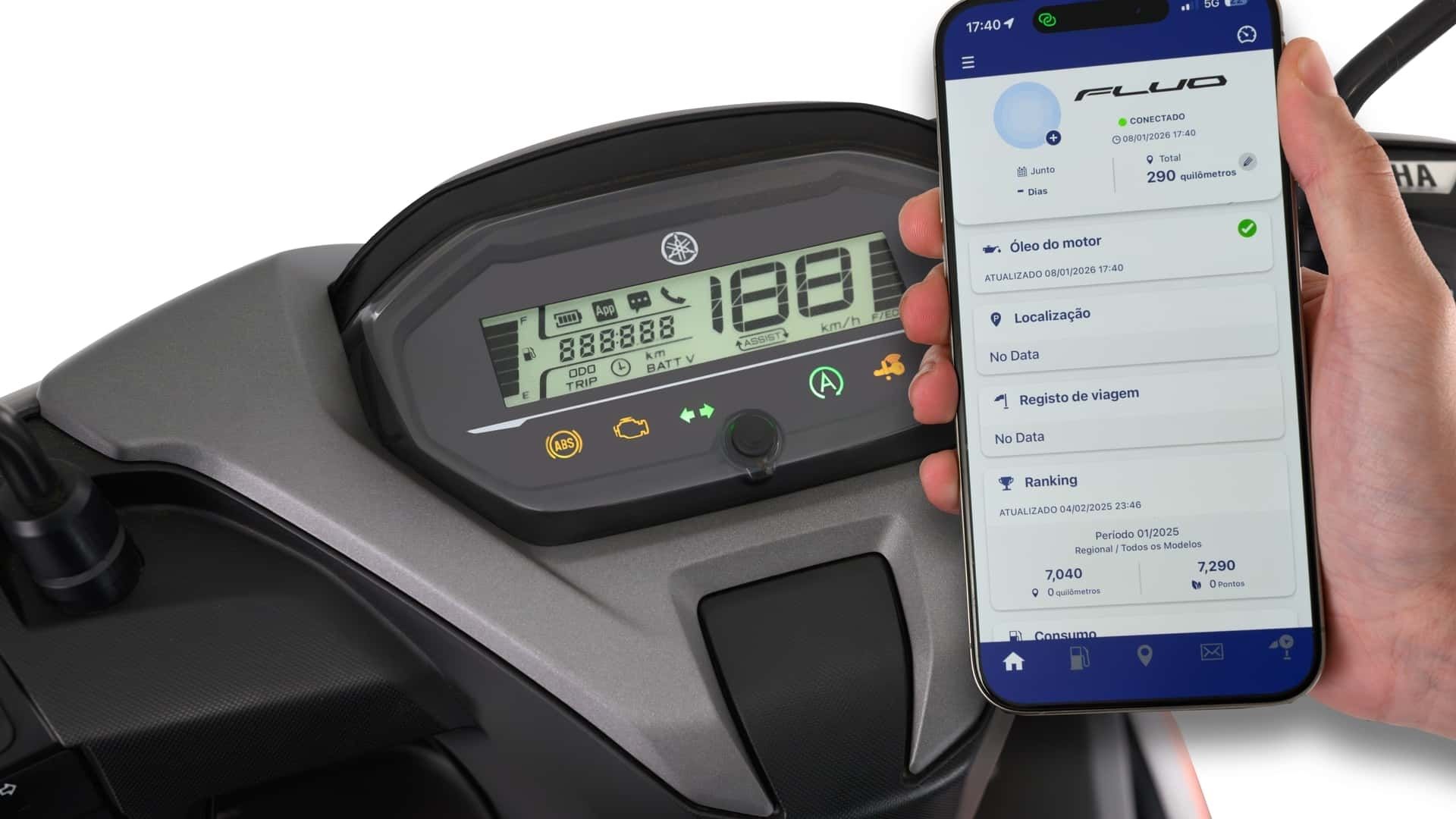
Costing R$ 16,000, the new Yamaha features a 125 cc hybrid engine with electric assistance, delivers 8.3 hp, includes ABS, optimized fuel consumption, Y-Connect connectivity, 25 liters of storage space, and a surprising 4-year warranty in the urban segment.
-
Scientists from an international project drill 1,800 meters of ice in Antarctica using hot water and discover details about one of the most intriguing places on planet Earth.


After all, how long does an electric car battery last? Can this question be answered through a study?
The First Studies on the Degradation and Reliability of Electric Vehicle Batteries Are Emerging
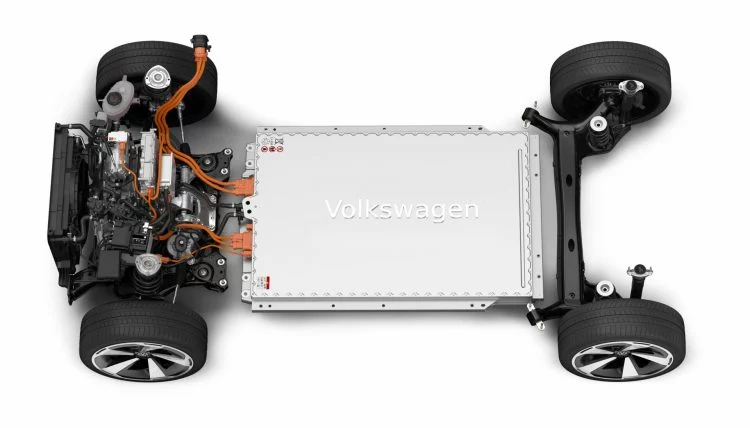
How Long Does an Electric Car Battery Last?
The batteries in electric cars, like those in our electronic devices, degrade and lose their ability to store energy, which in turn reduces the range of an electric car over time and with use.
Regarding the Duration and Degradation of Electric Car Batteries, the Following Points Are Important:
- It is natural that over time and with use, kilometers, and charge cycles, electric car batteries degrade and reduce the vehicles’ range.
- The degradation of the battery also depends on the chemistry of its cells and the systems it uses for energy and thermal management.
- It is important to follow the manufacturer’s recommendations, which in some cases may provide tips for battery care, such as avoiding complete discharge, performing charge cycles weekly (or every two weeks), aiming for full charges, etc.
- Electric car batteries should retain a good portion of their capacity over several years and more than 100,000 kilometers.
- Manufacturers usually guarantee maximum degradation thresholds for batteries that are higher in kilometers and years than the general warranty for the vehicles. The Tesla Model Y, the electric vehicle with the highest number of registrations at the time of writing this article, comes with a warranty under which Tesla commits to keep the car at a minimum of 70% battery capacity over 8 years and 160,000 kilometers for rear-wheel-drive versions and 192,000 kilometers for Long Range and Performance versions. In the Tesla Model S and Tesla Model X, the warranty extends to 240,000 kilometers.
- Although it is not always a simple operation, batteries can be repaired by replacing independent modules (instead of replacing the entire battery).
- In some cases, as we will see in this article, a complete battery replacement may be necessary, especially when its degradation is due to design or assembly defects.
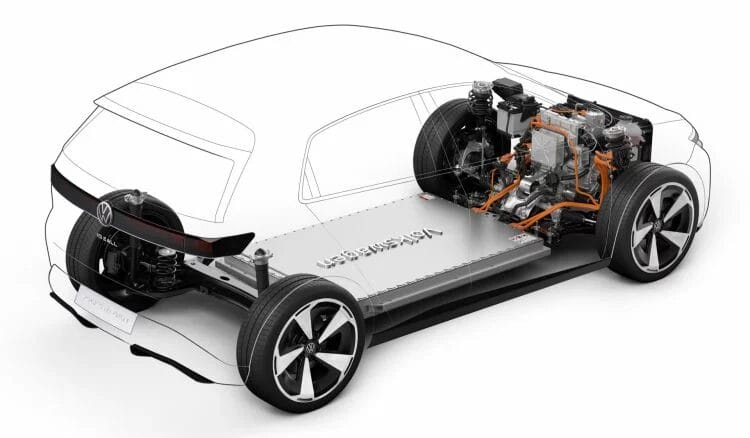
How Frequently Is an Electric Battery Replaced?
The company Recurrent conducted a study using a sample of 15,000 electric vehicles from their community to analyze how frequently a battery is replaced based on the model, and even quantify the average degradation – over distance – of electric cars like the Nissan Leaf, Tesla Model 3, Tesla Model S, or BMW i3.
The study reflects a significant incidence of battery repairs in two models, the Hyundai Kona Electric and the Chevrolet Bolt. But it also provides an important clarification, substantial enough to prevent this from being an argument for detractors of electric cars; the most notable incidences of battery repairs are due to recalls issued by the manufacturer, and therefore, replacements are performed at no cost to the owner.
On the other hand, most of the battery replacements, although not related to a recall, occurred within the warranty period, and again, at no cost to the owner. Let’s consider that the best-selling electric car last year, the Tesla Model 3, has its battery covered by a warranty that promises to retain 70% of capacity over 8 years or 160,000 kilometers (in the Rear-Wheel Drive version) or 192,000 kilometers (in the Long Range and Performance versions).
The Majority of Analyzed Battery Replacements Occurred During the Warranty Period, Which for Most Manufacturers Is Usually Over 7 Years and 100,000 Kilometers
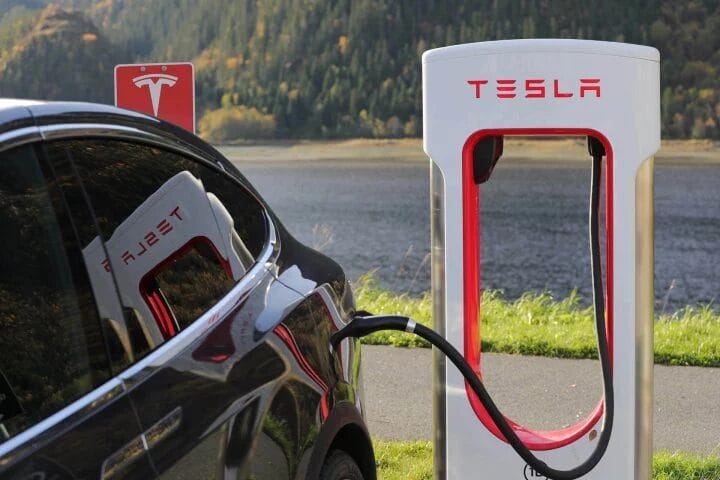
From the study, we can extract some interesting data that should once again reassure current and future owners of electric vehicles:
- Battery replacement is an uncommon phenomenon, affecting 1.5% of the vehicles in this study sample outside of major recalls.
- Again, the vast majority of these replacements occurred during the warranty period.
- Battery degradation is not linear. Degradation curves would show that there is often an initial drop in capacity and, consequently, in range, with more gradual degradation occurring later on.
Are Such Studies Sufficient?
In any case, this study reveals that, even with a relatively large sample of 15,000 vehicles, we will still need more time for studies to emerge that can more accurately determine whether, as some manufacturers claim, an electric car and its batteries should last at least 15 or 20 years.
- First, because most of the electric vehicles analyzed – and that can be analyzed in any study – are young. In this case, most of the electric vehicles analyzed have been in service for less than six years, and nearly 30% were registered in 2022.
- In analyzing the reliability of batteries across different electric vehicles, the age of a model will weigh heavily against other newer electric vehicles on the market, as well as the advancements in battery technology that have occurred over the years, especially in charge and temperature management. It would not be fair to compare the battery of a first-generation Nissan Leaf to that of a newer electric vehicle, like the CUPRA Born.
In any case, we can only applaud initiatives like this study. This type of analysis is not only valuable when buying a new car – for the reasons mentioned earlier, it may likely be useless for that purpose – but especially for planning the purchase of a second-hand electric car.








Seja o primeiro a reagir!