





 Portuguese
  English
  Spanish
 5 min of reading
  0 comments


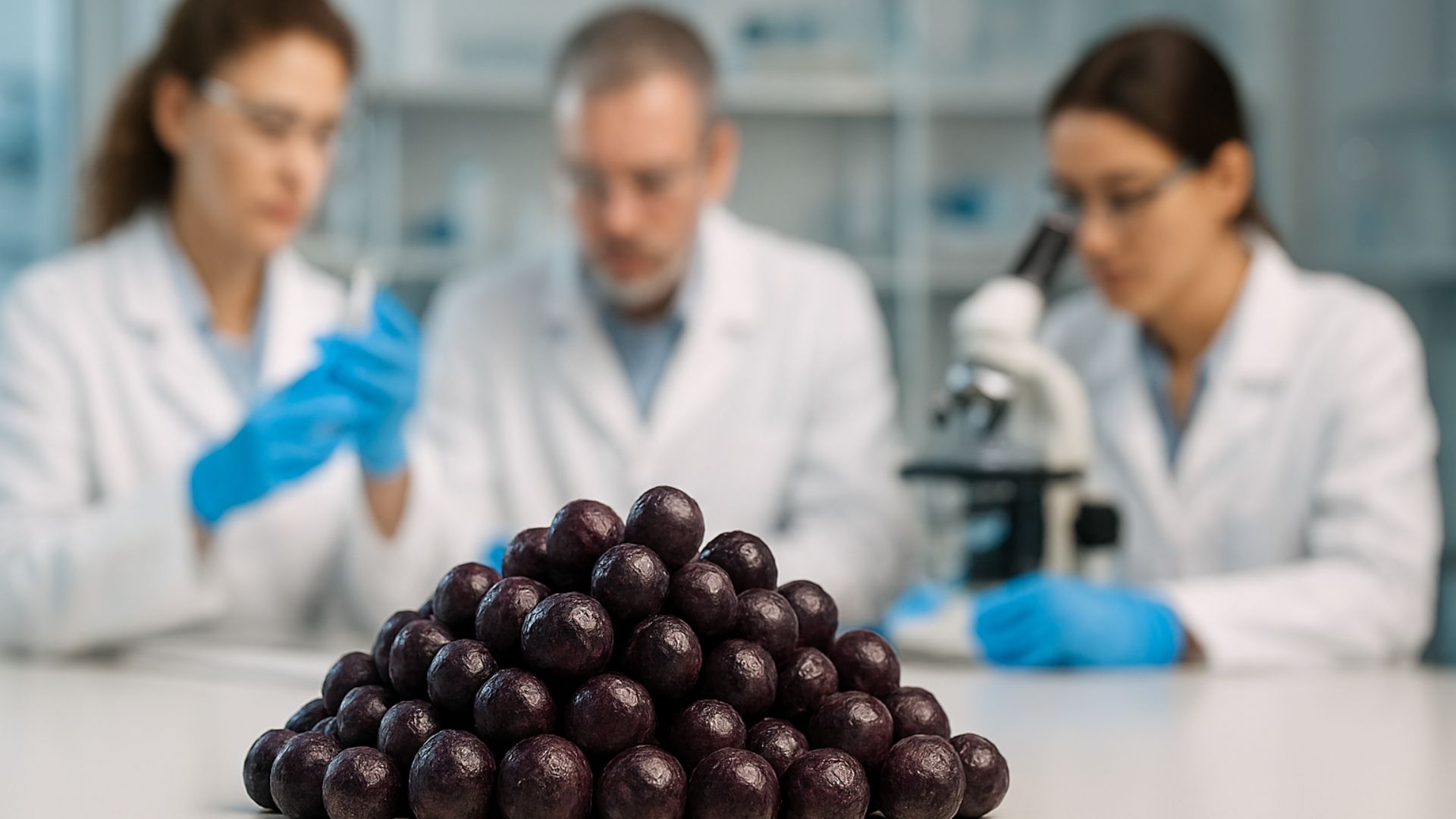
Brazilian Researchers Transform Açaí And Brazil Nut Waste Into A Clean Energy Source, Boosting Sustainability With Renewable Biofuels And Strengthening The Circular Economy In The Amazon
This Thursday (23), Brazilian researchers from Federal University of Lavras (UFLA), in Minas Gerais, announced a promising innovation for the energy sustainability of the Amazon, according to an article published by the website Ciclo Vivo.
The study, led by doctoral student Ianca Oliveira Borges, revealed that waste from açaí and Brazil nuts can be converted into solid biofuel through the pyrolysis process. This technique transforms biomass into biochar, a type of charcoal with high calorific value and low pollutant emissions.
Reusing Açaí And Brazil Nut Waste At UFLA
Brazil is the world’s largest producer of açaí, with about 1.7 million tons per year, and also stands out in Brazil nut production, with approximately 38 thousand tons annually.
-
The Economist states that Brazil has a “secret weapon” against expensive oil and highlights how the country can reduce economic impacts even in international scenarios of high volatility.
-
Brazil accelerates decarbonization in the South: International forum in Foz do Iguaçu gathers leaders to discuss the advancement of biomethane in the energy matrix and the potential of “caipira pre-salt.”
-
As diesel prices soar due to conflicts in the Middle East, a Brazilian city decides to test a little-known biofuel that promises to completely replace fossil fuel without adaptation and could change the future of energy in the country.
-
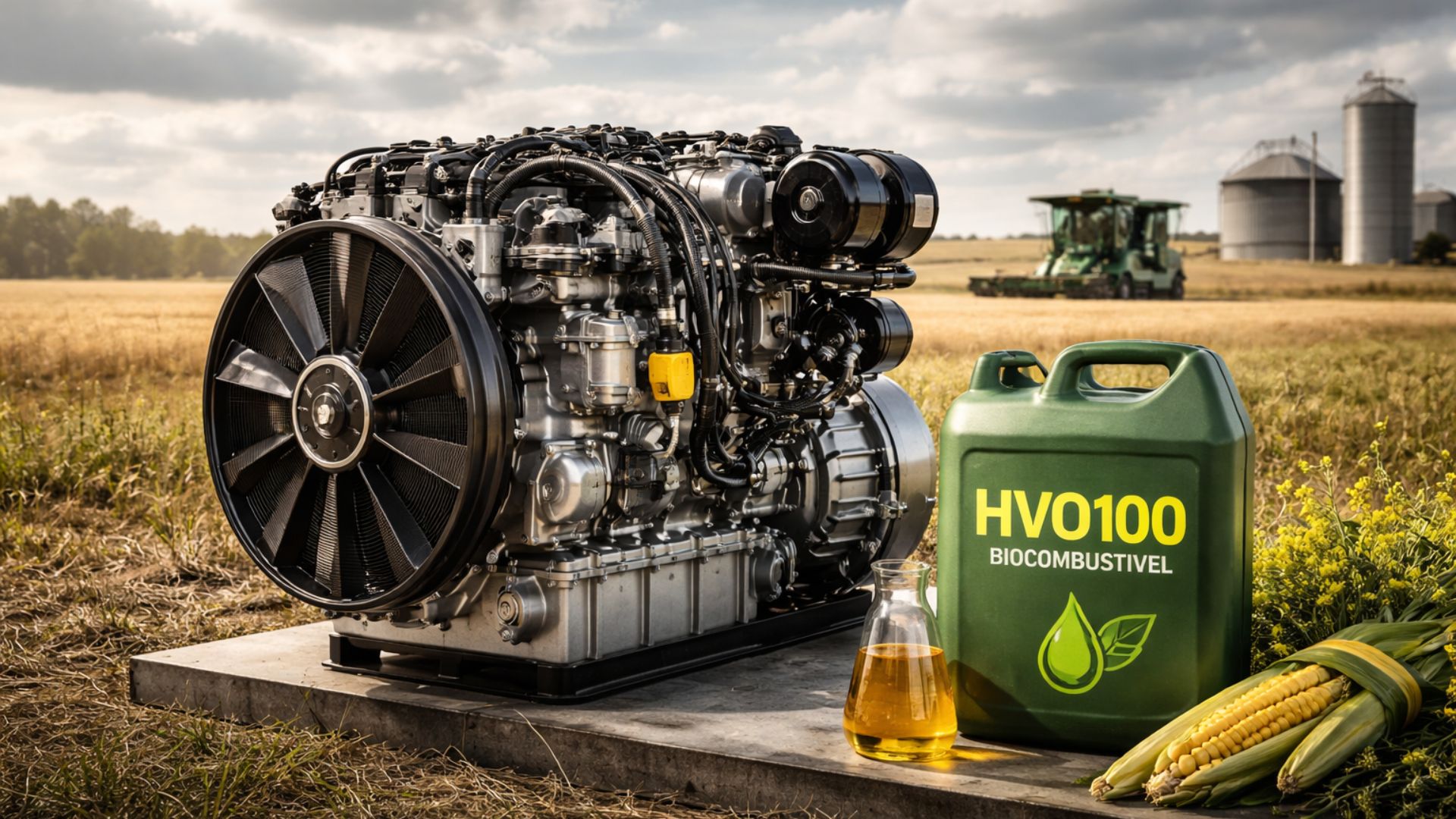
Innovation with biofuel engines transforms agribusiness by replacing diesel without the need for major adaptations, ensuring energy efficiency and helping to reduce dependence on oil.

The production chain of these fruits generates a significant amount of waste, which is often discarded improperly. Transforming açaí and Brazil nut waste into biofuel is an intelligent and sustainable solution.
The UFLA research proposes reusing this waste as raw material for biochar production. The pyrolysis process — which consists of heating biomass in an oxygen-free environment — results in a solid fuel with high energy power.
The biochar obtained from açaí husk has a calorific value of 19.77 MJ/kg, while that from Brazil nuts reaches 21.07 MJ/kg, surpassing various conventional materials used in energy generation.
UFLA Brazilian Researchers Drive Environmental Innovation In The Amazon
The initiative is led by Brazilian researchers committed to sustainable development and appreciating the natural resources of the Amazon region.
The study not only proposes a new energy source but also promotes social inclusion, income generation, and strengthens local communities. National science shows that it is possible to unite technological innovation and environmental preservation.
In addition to replacing fossil fuels like oil and coal, biochar acts as a carbon fixer, contributing to soil quality improvement and water retention. This expands its application beyond energy generation, making it useful in agriculture and mitigating climate change.
Solid Biofuel: An Efficient And Sustainable Alternative
Biochar is a solid biofuel of plant origin, with significant advantages over fossil fuels. It is renewable, less polluting, and can be produced locally, reducing dependence on external sources and strengthening energy security.
Biofuels like biochar are the future of the Brazilian energy matrix and, according to researcher Ianca Borges, biochar stands out for being produced from renewable organic materials, which decreases dependence on fossil fuels and strengthens circular economy practices.
Biochar also has greater thermal stability and lower volatile content, making it ideal for heating systems and energy generation without the need for significant technological adaptations.

Sustainability And Social Impact: Clean Energy For Amazonian Communities
The production of biochar from Amazonian waste promotes sustainability in multiple dimensions: environmental, economic, and social. By valuing local resources, the initiative strengthens the autonomy of traditional populations and encourages regenerative agricultural practices.
The Amazon can be a leader in the global energy transition. Moreover, using biochar as a carbon sink contributes to the reduction of greenhouse gas emissions.
Part of the carbon remains fixed in the material, preventing its release into the atmosphere. This reinforces the role of biomass as an ally in combating climate change.
Açaí And Brazil Nut Waste As A Solution For Energy Sustainability
The UFLA proposal aligns with the United Nations Sustainable Development Goals (SDGs), especially those addressing affordable and clean energy, responsible consumption, and combating climate change.
The reuse of açaí and Brazil nut waste is a clear example of a circular economy. Each ton reused represents less pollution and more clean energy for Brazil.
Biochar can also be used as a soil conditioner, improving its fertility and water retention capacity. This application is especially relevant for degraded areas of the Amazon, where environmental recovery is urgent.
Practical Applications And Scalability Potential Of UFLA’s Biofuel
Biochar produced from Amazonian waste can be used in heating systems, electricity generation, and even as agricultural input. Its versatility allows for adoption in rural and urban communities, with low implementation costs.
The scalability of the biofuel depends on public policies and investments in research. Large-scale adoption requires government incentives, technical training, and adequate infrastructure.
However, the environmental and social benefits justify the investment. The decentralized production of biochar can transform the energy matrix of isolated regions, promoting autonomy and local development.
Sustainability As A Strategy For Regional Development
The conversion of açaí and Brazil nut waste into biofuel represents an effective strategy to promote sustainable development in the Amazon. By integrating science, technology, and traditional knowledge, Brazilian researchers offer an innovative solution adapted to local realities.
This approach strengthens the Amazonian bioeconomy, stimulates the generation of green jobs, and contributes to forest conservation. The responsible use of natural resources is essential to ensure a quality life for local populations and preserve biodiversity.
Paths To The Future: Innovation, Science, And Environmental Responsibility
The UFLA research demonstrates that it is possible to transform environmental challenges into opportunities for innovation. By converting açaí and Brazil nut waste into biofuel, Brazilian researchers show that the Amazon can be a source of sustainable solutions for Brazil and the world.
With the support of public policies, investments in science, and participation from local communities, Brazil can lead the global energy transition. Valuing Amazonian resources, combined with scientific research, is crucial to build a development model based on sustainability and social inclusion.









Seja o primeiro a reagir!