





 English
  Francês
  Alemão
  Italiano
  Japonês
  Norueguês
  Portuguese
  Spanish
 3 min of reading


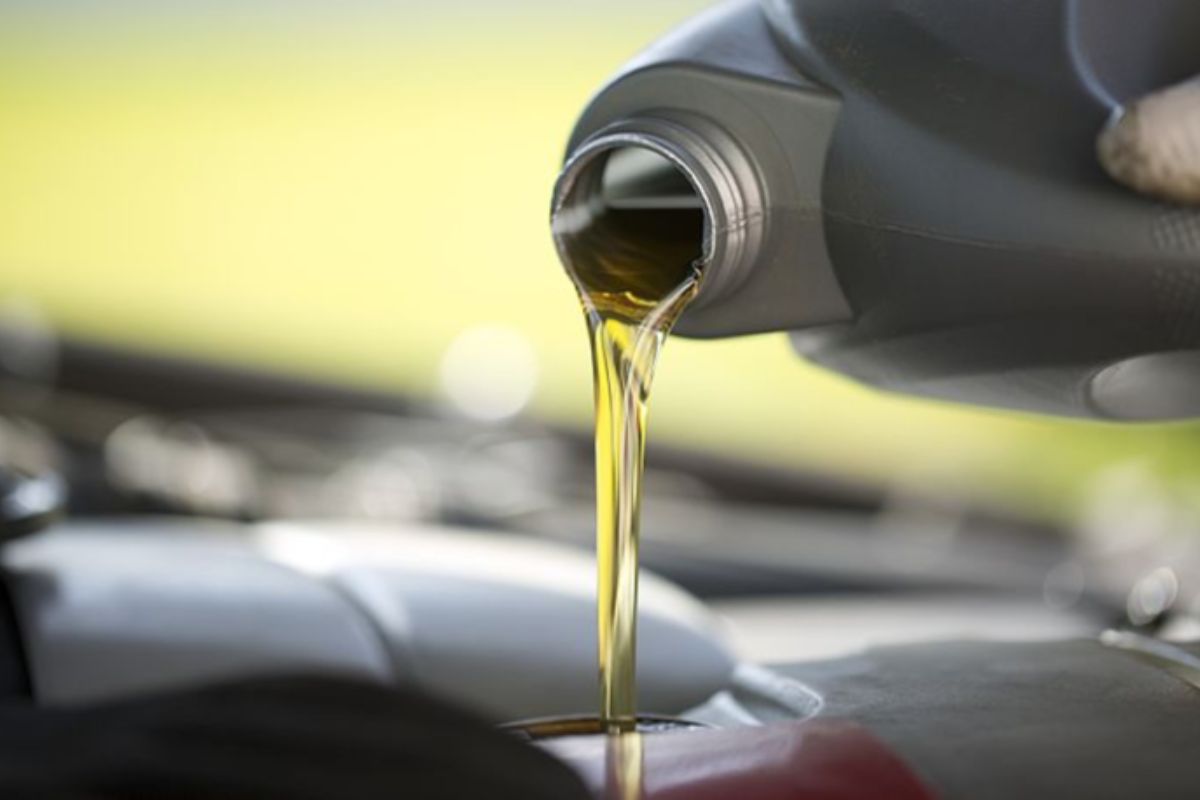
Federal University of Ceará Creates Unprecedented Biolubricant with Petrobras and Will Be Patented as a Brazilian Creation
Victory for Brazilian Science! Researchers from the Federal University of Ceará have developed a plant-based biolubricant in partnership with Petrobras that works just like the conventional one, with the concept of sustainability. It is a step forward in the oil and gas sector in search of solutions to reduce the burning of fossil fuels derived from petroleum and the use of conventional lubricants.
Moreover, the constant increase in the price of petroleum-based fuels is making many people rethink the use of products from this source. Thus, the biolubricant would be an alternative and cheaper solution for engine maintenance without losing the efficiency of regular lubricants. Learn more about this completely Brazilian invention.
Understand the Role of Oil in Vehicle Engines with the Video Below
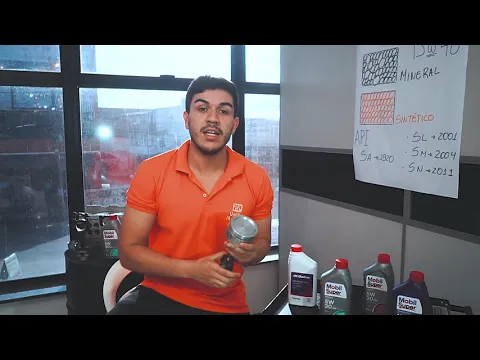

Biolubricant Developed in Partnership with Petrobras Is Plant-Based and Made from Products Like Soy, Castor Bean, Sunflower, and Carnauba
The search for potential substitutes for petroleum-based products is the goal of various researchers, in favor of sustainability. Petrobras invests in research in this area, aiming to reduce environmental impacts.
-
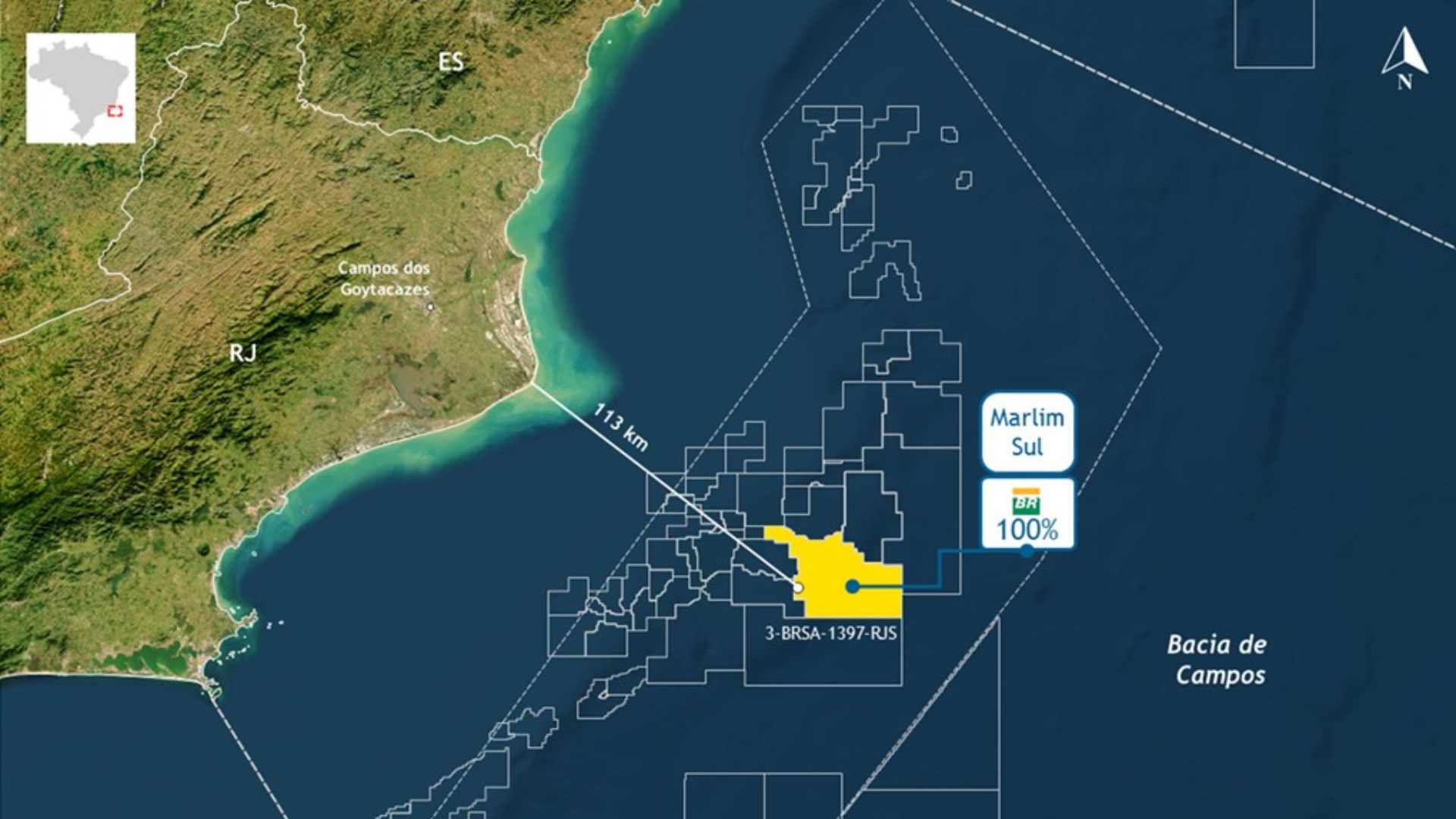
Petrobras announces new oil discovery in the pre-salt of the Campos Basin and reinforces Brazil’s prominence with high-quality reserves that can increase production and energy revenues.
-
Alert in the fuel market: Analysts and a former director of ANP warn that oil prices may worsen in the coming months due to global instability.
-
Ocyan brings executives and digital solutions to Macaé Energy 2026 and highlights offshore expansion with Nexio and a new base in Macaé.

-
Petrobras advances 4.6% with rising oil prices and the dollar, reigniting the debate on macro risks, pricing policy, and fiscal impact in Brazil.


The conventional lubricant is used in vehicle engines to ensure the proper functioning of gears and extend their lifespan. However, it mainly originates from petroleum. With an alternative in mind, researchers from the Federal University of Ceará sought to develop a new plant-based biolubricant.
In this case, the lubricant can be produced from soy, carnauba, babassu, cotton, sunflower, and castor bean, with the latter being the most efficient. This origin reduces the petroleum content in the oil used for engines, making it a renewable source.
“This invention could also be an opportunity for biodiesel industries that already work with the same type of raw material. They can develop high-value-added products beyond fuels.”
Murilo Luna, Professor at the Department of Chemical Engineering at UFC and member of the Lubricant Research Center (2022)
Therefore, the plant-based lubricant created has high added value, having been produced using a new chemical method, enhancing the competitiveness of this product in the market. This invention, in partnership with Petrobras, secured the 28th patent (registration of new inventions) for the university.
Biolubricant Created in Partnership with Petrobras Is Biodegradable and Ensures Sustainability
The lubricant, or oil, is widely used in vehicles as hydraulic fluids or to ensure the operation of the engine or compressors. However, a major issue remains the disposal of this material, as degradation in nature takes many years.
“Petroleum-based lubricants have a half-life of over 220 days; in the event of spillage or improper disposal, this product would take 220 days to degrade half of the mass in the medium.”
Murilo Luna, Professor at the Department of Chemical Engineering at UFC and member of the Lubricant Research Center (2022)
However, the biolubricant developed in partnership with Petrobras promises degradation in up to 28 days due to its plant origin. This is unprecedented and allows for greater sustainability in the oil and gas sector, increasing competitive advantage.
It is worth noting that studies are still ongoing to catalyze and expedite production. However, the registration as a Brazilian invention has already been made through the patent registration, which was requested in 2018 and approved in May 2022. This gives Brazil ownership of the formula for producing this biolubricant to commercialize it and prevent others from copying the idea.








Seja o primeiro a reagir!