





 Portuguese
  English
  Spanish
  3 min of reading
  3 comments


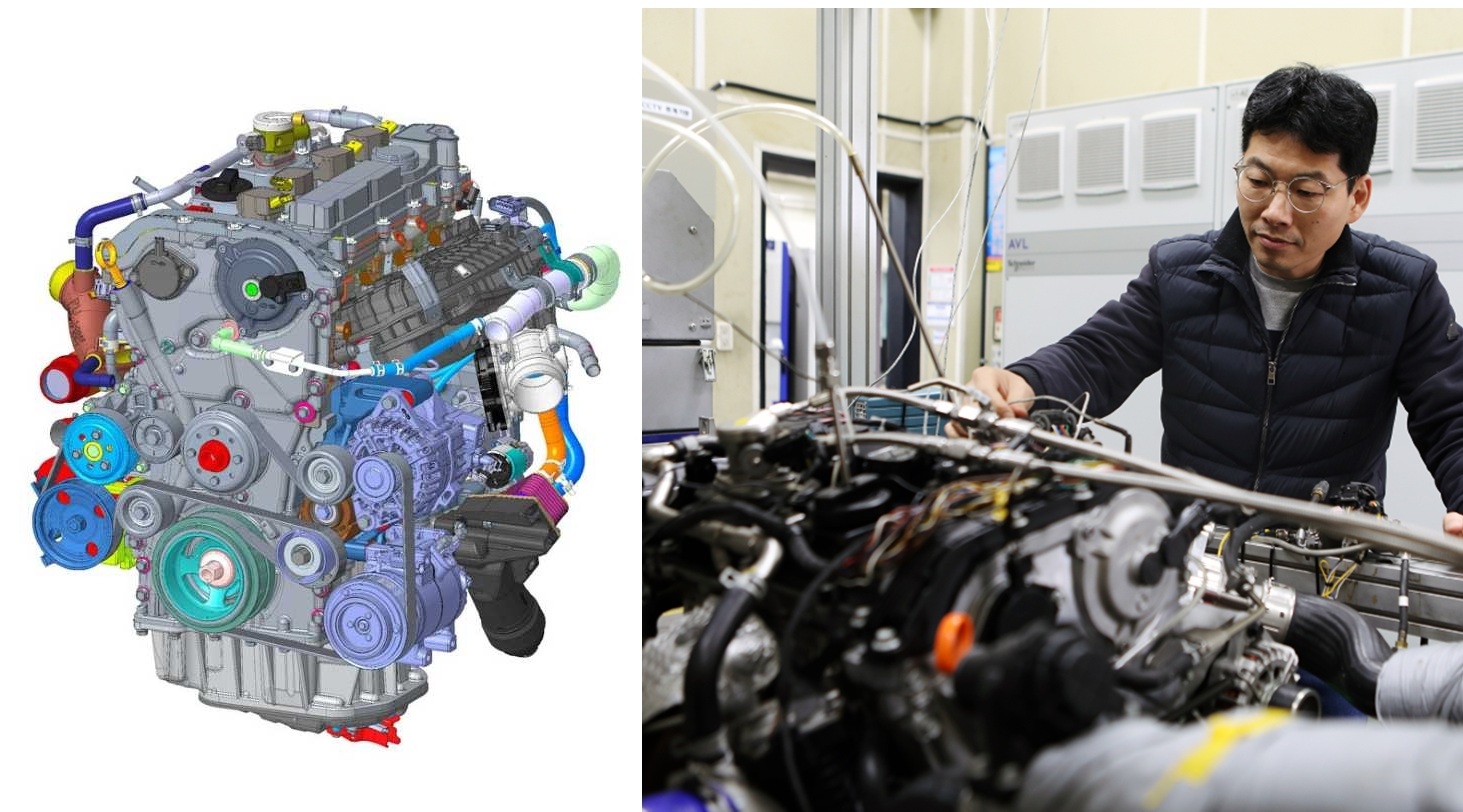


South Korean Researchers Developed the First Ammonia 2.0 Engine in the World, Promising a Clean and Efficient Alternative.
The search for sustainable energy solutions has led companies and governments to invest a lot of money in new technologies, and one of the most promising is the 2.0 engine that uses ammonia as a renewable and carbon-free energy source.
This technological breakthrough represents a milestone for the energy sector, offering a viable and sustainable alternative to fossil fuels.
But, what is Ammonia? Ammonia (NH₃) is a chemical compound formed by one nitrogen atom (N) and three hydrogen atoms (H). It is a colorless gas with a pungent and characteristic odor, highly soluble in water, forming an alkaline solution known as ammonia solution (ammonium hydroxide – NH₄OH).
-
For R$ 32,000, a brand new Hyundai car is a rival to the Kwid with a 1.2 engine producing 82 hp, 6 airbags as standard, multimedia with wireless Android Auto, up to 391 liters in the trunk, and a refreshed look for 2026 in India.

-
He bought a new car in 1983, locked it in the barn in 1988, and no one opened the door for 38 years until the family discovered what was stored inside and realized it looked like something out of a movie.

-
A 250cc motorcycle that can reach 560 km with a 14-liter tank, features disc brakes on both wheels and is among the most well-known in Brazil.

-
Man finds over 200 rare cars abandoned on a lot and tries to do the impossible in 8 hours with a surprise at the end.


What is the Ammonia Engine?
Developed by the Korean Institute of Machinery and Materials (KIMM), the ammonia engine is capable of injecting this compound directly into the combustion chamber at high pressure.
This innovative technology enables efficient combustion without CO² emissions and can be applied in various sectors, such as transportation and industrial power generation.
Direct Injection Technology
The key difference of this engine lies in its capability to inject liquid ammonia at high pressure, overcoming previous challenges, such as instability in power production and harmful emissions.
This system ensures a stable and high-volume supply without the need for additional devices to enhance combustion.
Benefits of the Ammonia Engine
The introduction of this engine brings a series of significant advantages, including:
- Higher Power: The use of pure ammonia ensures optimized performance.
- Improved Thermal Efficiency: The technology allows for better utilization of the generated energy.
- Lower Emissions of Pollutants: The post-treatment system significantly reduces the emission of NOx and unburned ammonia.
- Sustainability: By not emitting CO², the engine contributes to reducing the carbon footprint.
How the Engine Works
The engine operates similarly to conventional engines, with technological differences that optimize its performance.
Liquid ammonia is injected under high pressure into the combustion chamber, where it is mixed with air and ignited by a spark, generating mechanical energy. This allows for the clean and efficient movement of vehicles and vessels.
Sustainability and Ammonia as an Energy Source
Ammonia stands out as a sustainable solution due to its absence of CO² emissions during combustion.
Additionally, it can be stored and transported more easily and safely compared to hydrogen, making it a practical option for industrial and mobility applications.
Comparison with Other Technologies
Compared to other renewable energy sources, ammonia stands out for:
- Ease of Storage: It can be stored at room temperature, unlike hydrogen, which requires extreme conditions.
- Availability: The global infrastructure for ammonia production is already well established.
- Versatility of Use: It can be used in land, maritime, and aerial transportation, as well as in industrial applications.
According to Dr. Cheolwoong Park from KIMM, this innovation represents a significant leap for ammonia engines, introducing a new concept in energy systems. Dr. Seungwoo Lee from Hyundai Motor and Kia states that this technology can address challenges related to the transportation and production of green hydrogen.
Thus, ammonia can play a central role in the global energy transition, reducing dependence on fossil fuels and contributing to a cleaner and more sustainable future.
Applicability of the Ammonia Engine
This technology can be employed in various sectors, such as:
- Road Transportation: Passenger and commercial vehicles can benefit from high efficiency and zero carbon emissions.
- Maritime Sector: Ships powered by ammonia can significantly reduce pollutant emissions in the oceans.
- Aviation: Aircraft engines using ammonia could revolutionize the aerospace industry.
- Industrial Power Generation: Power plants can use ammonia as a safe and efficient energy source.
Although the ammonia engine brings numerous advantages, some challenges need to be overcome, such as:
- Handling Safety: Ammonia is toxic, requiring special precautions.
- Refueling Infrastructure: It will be necessary to develop a network of stations for efficient refueling.
- Efficiency at High Speeds: Adaptation for high-performance applications is still under development.
Thus, investments in research and development are essential to further enhance this technology.










Show de ⚽
Gasta petróleo para produzir amônia…?
E quando ao custo?