





 Portuguese
  English
  Spanish
  3 min of reading
  0 comments


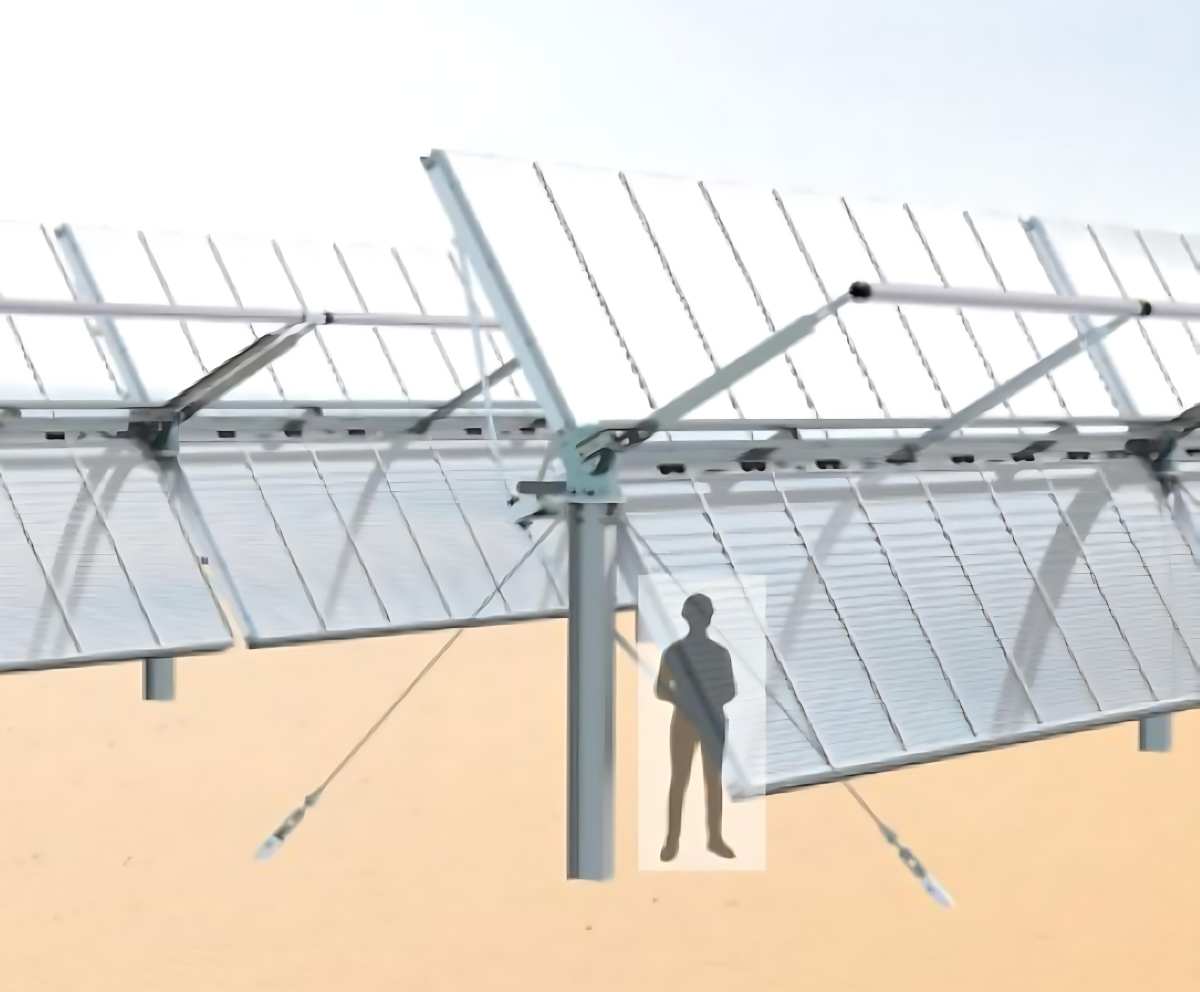
Solar Thermal Technology With Plastic Mirrors Tested In Australia Could Replace Fossil Fuels In Industrial And Agricultural Processes
Researchers from the University of South Australia are developing a new concentrated solar thermal (CST) technology that promises to transform heat generation in industrial and agricultural sectors. The project uses patented plastic mirrors, which are lighter and more economical than conventional ones, with the potential to reduce the use of fossil fuels in processes that require heat between 100 and 400 °C.
Test In Experimental Vineyard
The solar thermal system is being tested at a pilot facility in the Vineyard of the Future at Charles Sturt University. The site is dedicated to technological innovation in the viticulture and agricultural fields.
The technology could be used for drying grains, sterilizing equipment, and treating wastewater, among other applications.
-
Seagri’s headquarters invests in solar energy with Neoenergia Coelba and promises to cut electricity costs, highlighting a strategic advance in sustainability and energy efficiency within state public administration.

-
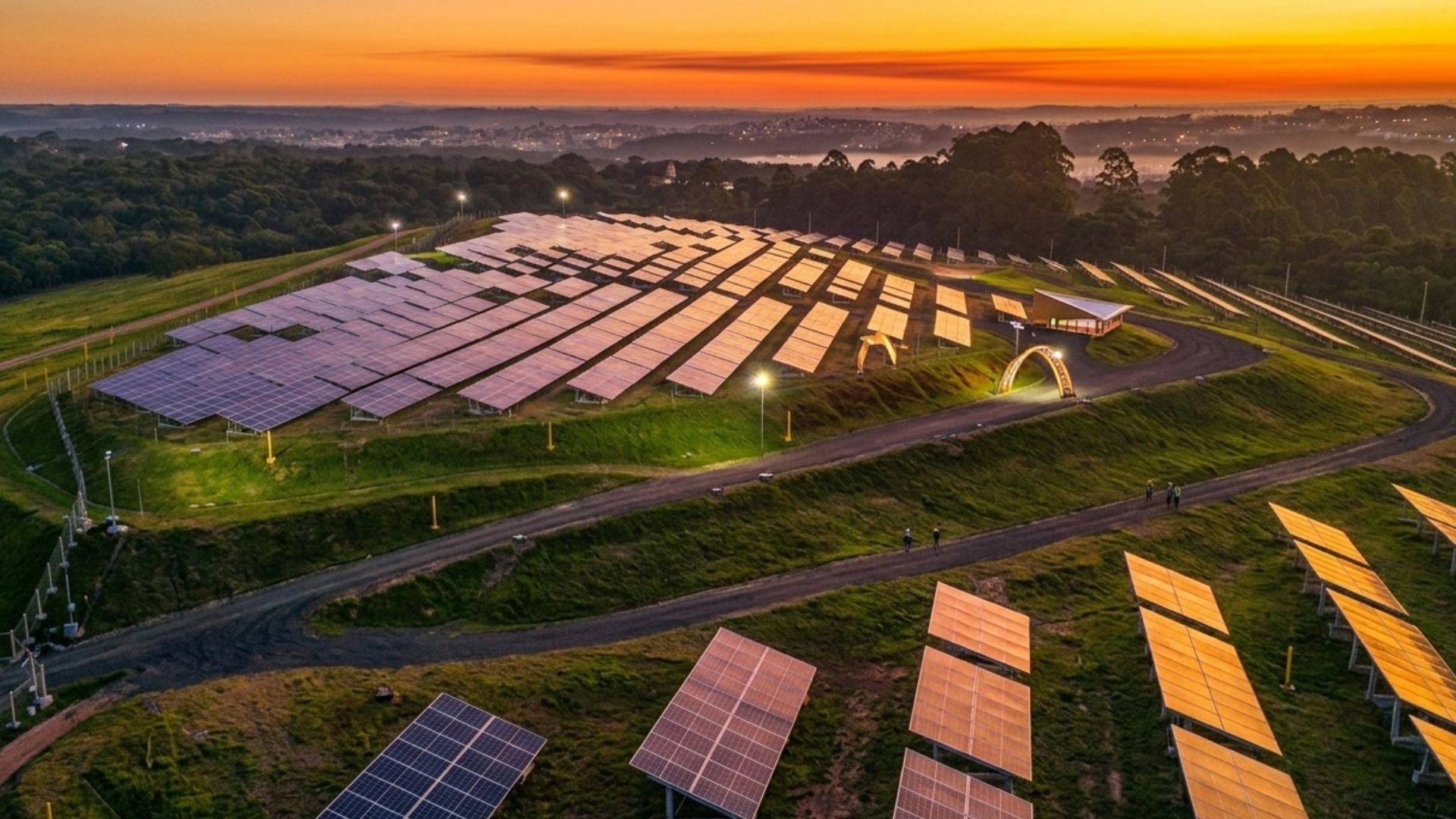
Solar Pyramid draws attention by converting solar energy into million-dollar savings and repositioning the City Hall of Curitiba as an example of innovation, sustainability, and intelligent use of public resources.
-
Europe records strong euro economy with solar energy in March and sparks curiosity about which country leads growth that redefines the energy market and reduces costs.

-
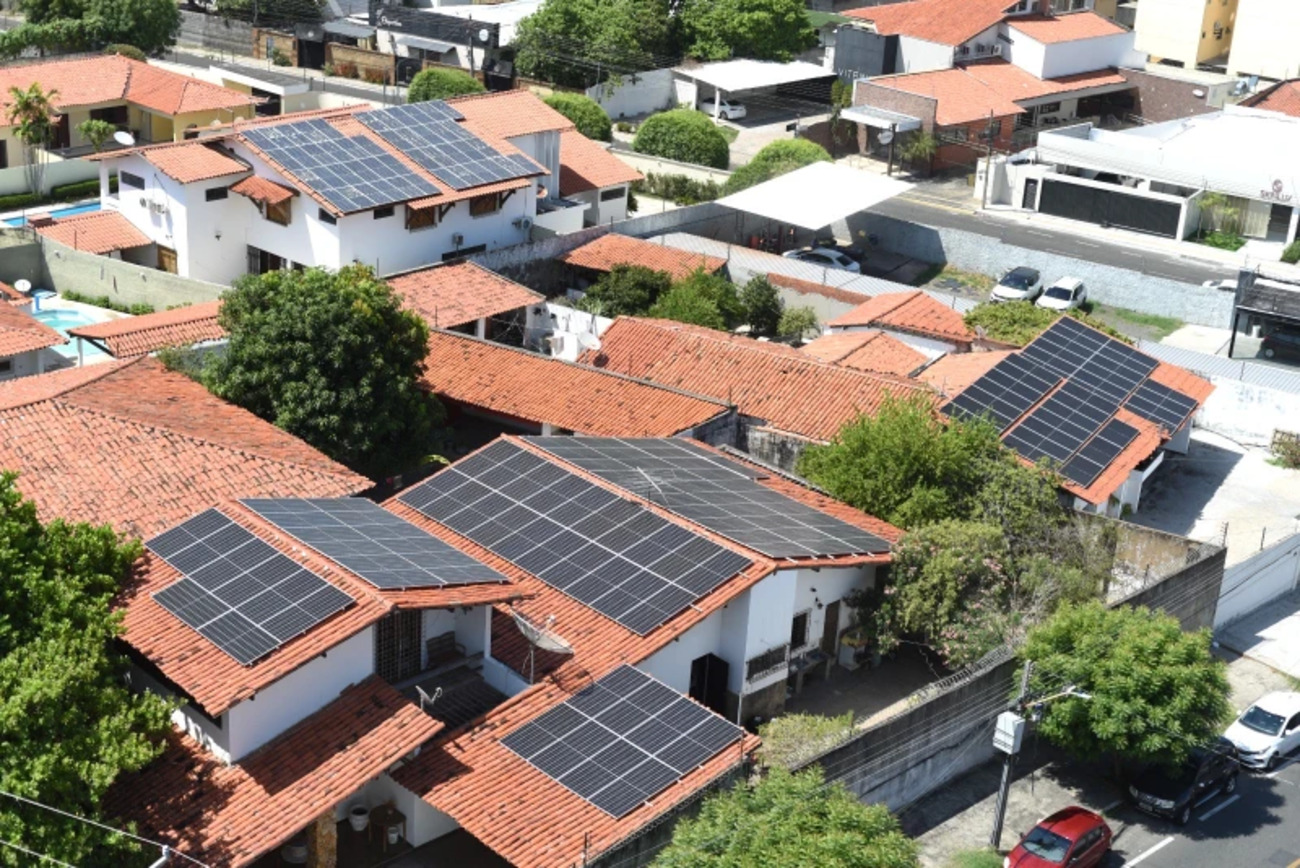
Piauí reaches a historic milestone in energy transition: State records nearly 160,000 households powered by solar energy and leads growth in the Northeast.

The proposal aims to replace traditional energy sources, such as natural gas, with a cleaner and more accessible solution.
According to the researchers, industrial heat represents 25% of global energy consumption and generates 20% of CO₂ emissions. The hope is that the new technology can help reduce this impact.
Plastic Mirrors: Lightweight And Economy
The project’s differentiator lies in the plastic mirrors, originally developed for the automotive industry. They are easy to flatten, pack, and transport, which facilitates installation in remote or hard-to-access areas.
This logistical feature expands the reach of the technology, even to regions where heavy equipment cannot easily reach.
Another important point is that the CST system can be used to generate steam, feeding turbines and other industrial processes that require constant heat. This opens the way for large-scale applications and also for use by small agricultural cooperatives.
Government Support And Commercial Expansion
The project received support from the Australian government through the Ignite program of the Economic Accelerator. This funding helped overcome initial challenges and attracted interest from partners in the agribusiness sector.
A pilot plant at a commercial scale is already in the planning stages, in collaboration with domestic and international companies.
Lower Environmental Impact And More Accessibility
The expectation is that the technology will offer environmental and economic advantages. Manufacturing with fewer critical materials, such as glass and steel, reduces the environmental impact.
Additionally, the system is modular and adaptable, able to be installed in locations with limited infrastructure, including areas in post-industrial transition or affected by mining.
With reduced costs, easy transport, and the ability to operate across various temperature ranges, the technology developed in Australia could become an important alternative for decarbonizing industrial and agricultural activities.
The project represents a concrete step towards democratizing access to renewable thermal energy and helping to build a more sustainable future.









Seja o primeiro a reagir!