





 Português
  Inglês
  Espanhol
  3 min de leitura
  7 comentários


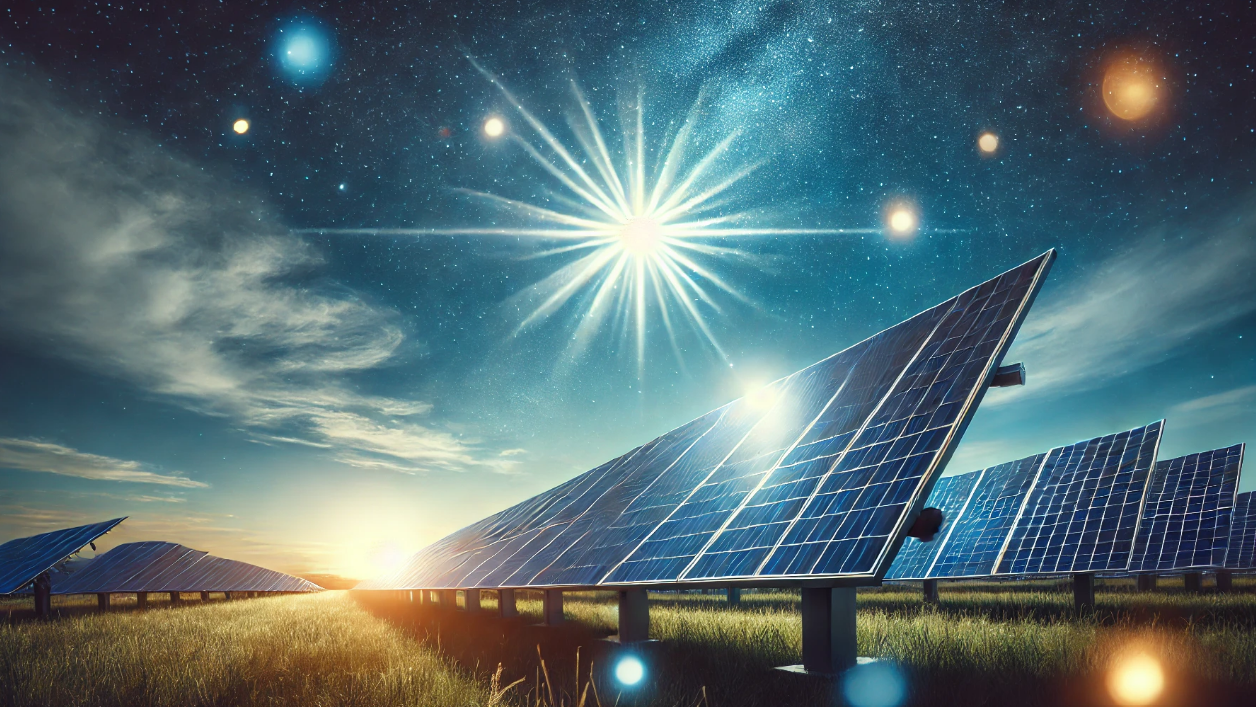


Australian Researchers Present New Technology That Captures Stored Solar Energy and Releases It at Night, Promoting Advances in Energy Sustainability.
Solar energy has become one of the main solutions for reducing greenhouse gas emissions. However, the dependence on direct sunlight to generate electricity limits its efficiency at night and on cloudy days.
To overcome this limitation, Australian scientists have developed an innovative technology capable of generating energy from the infrared radiation emitted by the Earth after sunset.
The Challenge of Conventional Solar Energy
Photovoltaic solar panels rely on visible light to generate electricity. Because of this, their production is interrupted at night and can be reduced in adverse weather conditions.
-
The Sol do Agreste Photovoltaic Complex begins operations in Pernambuco and accelerates the expansion of solar energy in Brazil, directly impacting the reduction of emissions and strengthening the sustainable energy matrix.
-
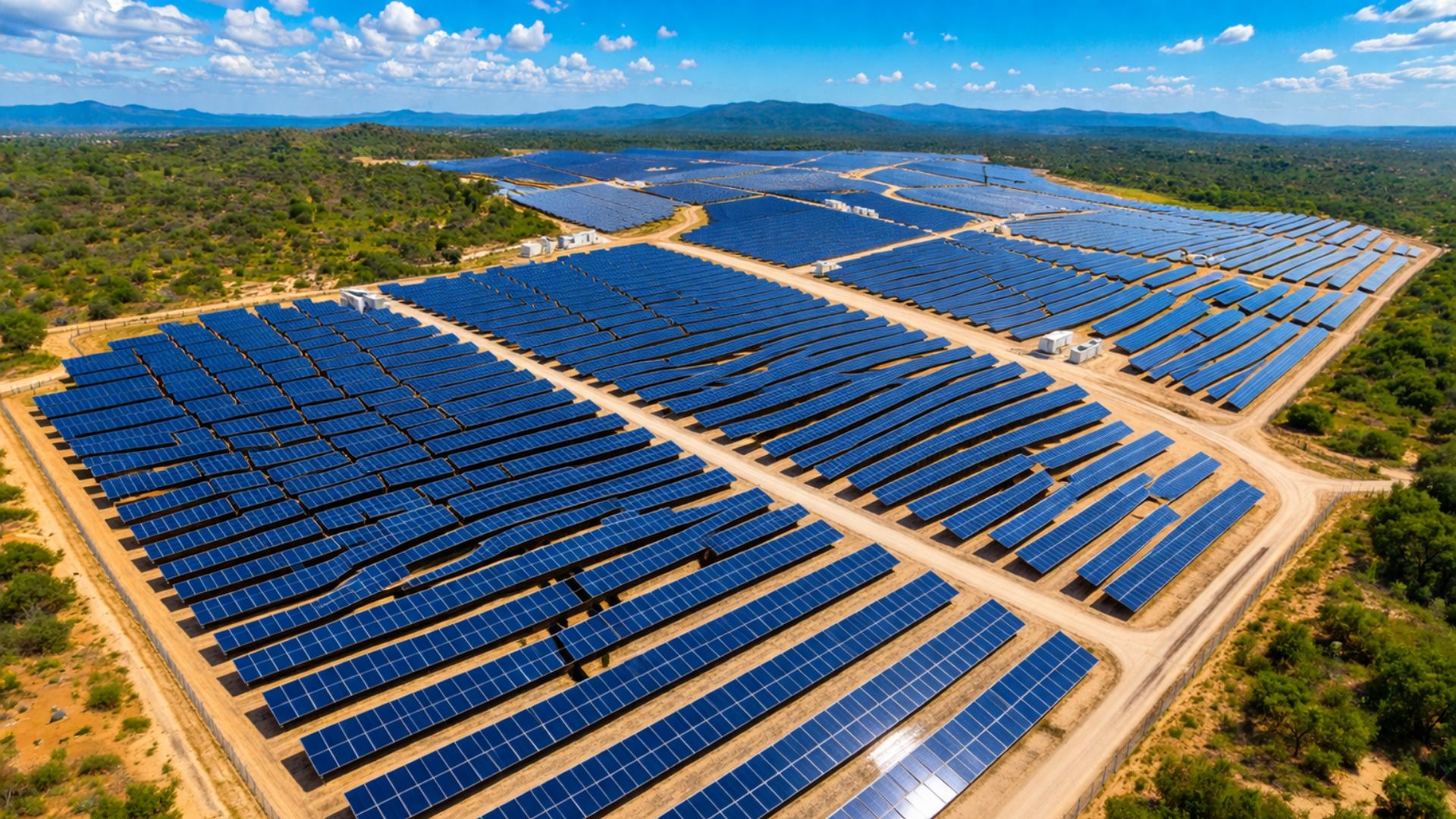
The Sol do Agreste Photovoltaic Complex begins operations in Pernambuco and accelerates the expansion of solar energy in Brazil, directly impacting the reduction of emissions and strengthening the sustainable energy matrix.
-
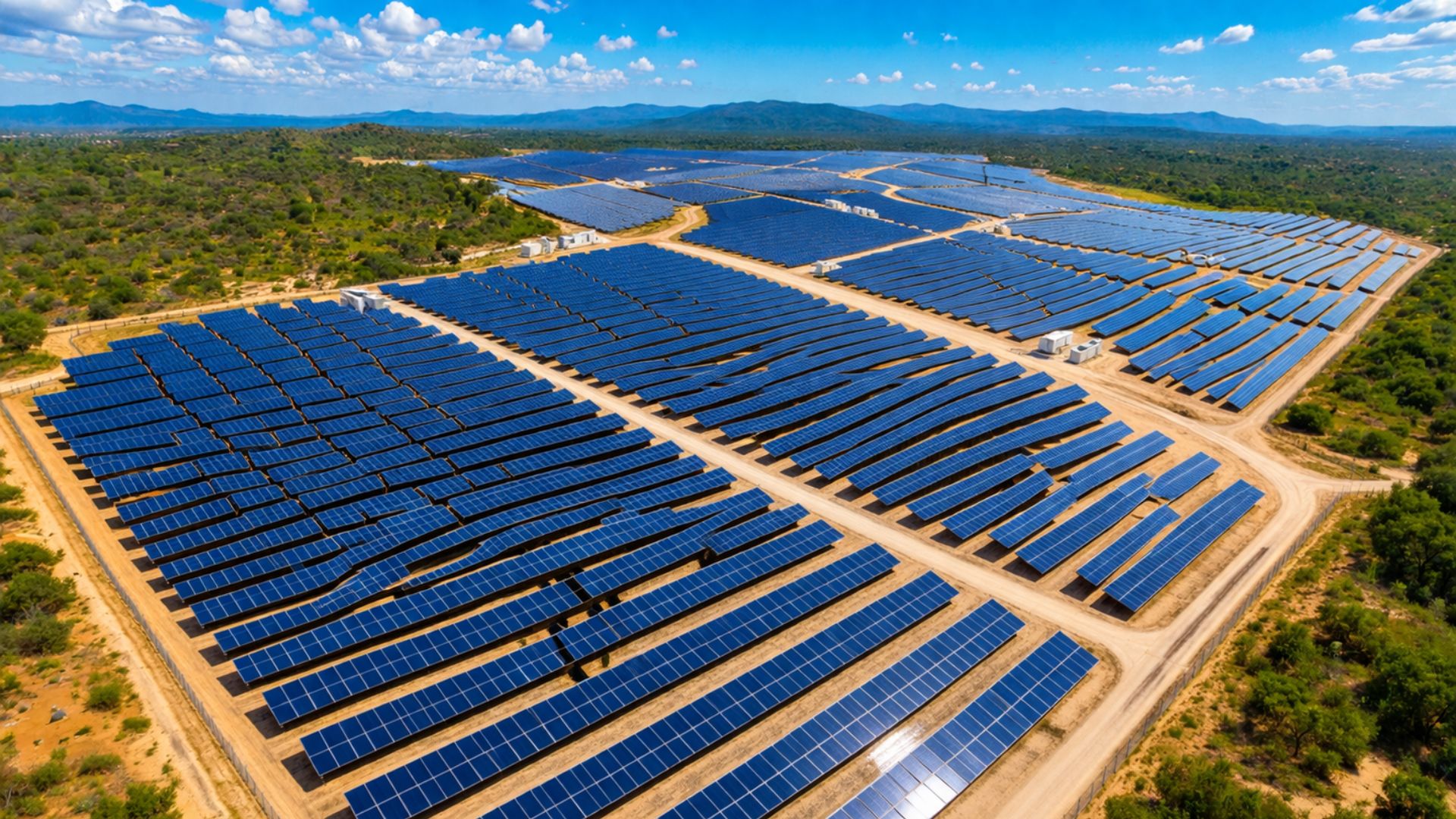
Roraima bets on the sun to escape high tariffs: Amid the energy crisis and price hikes, solar energy is growing in Roraima and transforming consumption in the North region.
-
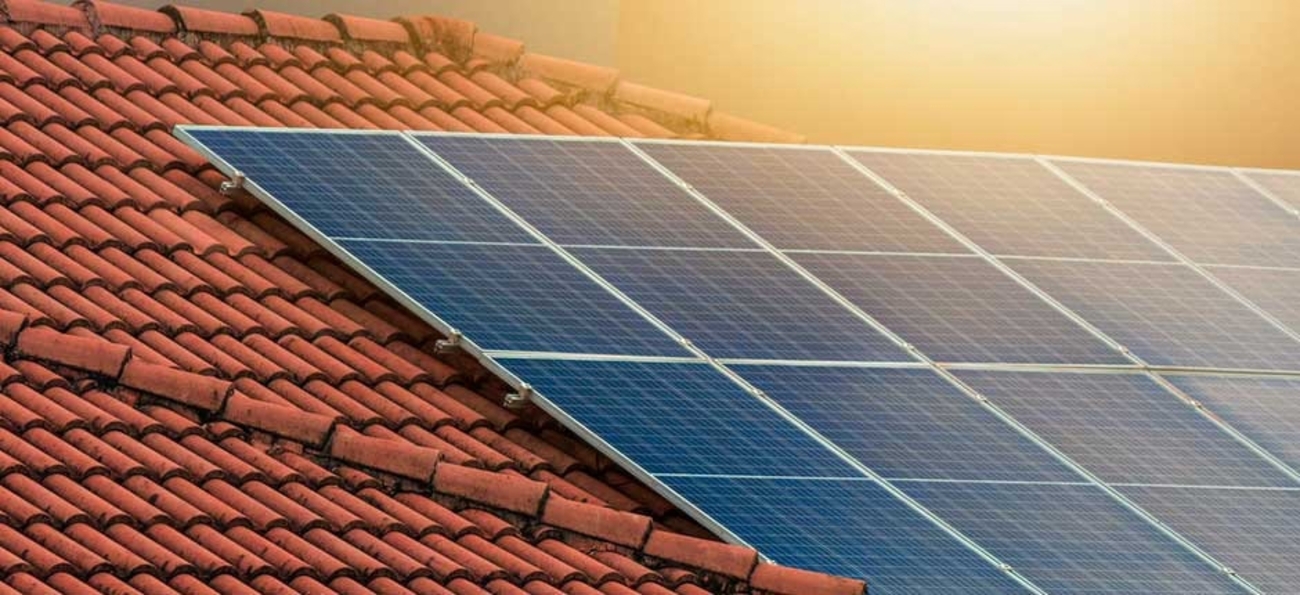
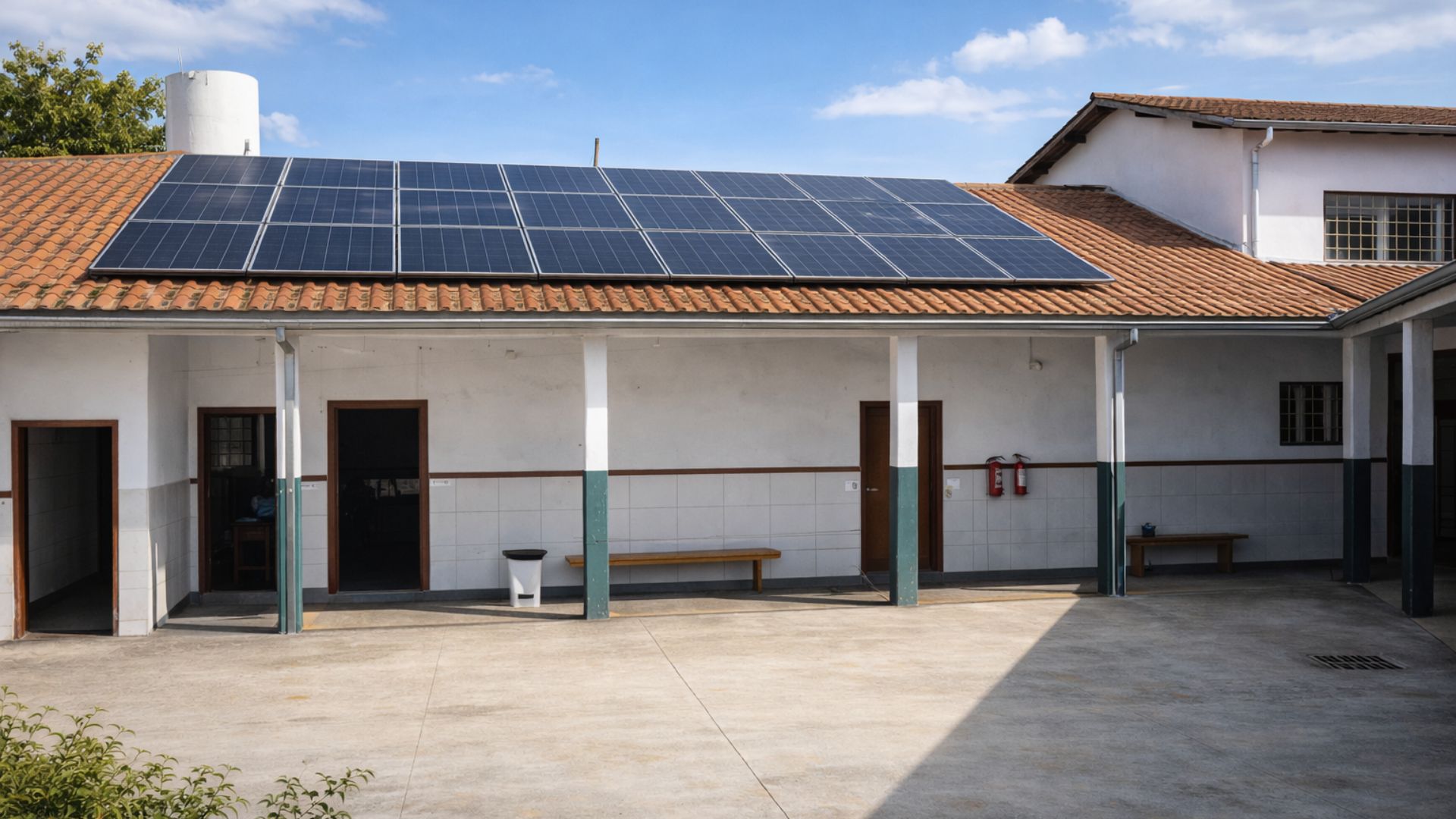
Copel boosts solar energy in Paraná and brings innovation to public schools, promoting savings on electricity bills, energy efficiency, and a direct impact on the quality of education.

To ensure a continuous electricity supply, many installations use storage batteries, which significantly increase costs.
According to the International Energy Agency (IEA), photovoltaic solar energy accounted for 3.6% of global electricity generation in 2022.
However, the intermittency of production is one of the main challenges for its large-scale adoption. As a result, new approaches are being developed to maximize the efficiency of solar energy capture.
The Capture of Infrared Radiation
During the day, the Earth absorbs a large part of solar energy and, at night, dissipates this heat in the form of infrared radiation.
Based on this principle, researchers from the School of Photovoltaic Engineering and Renewable Energy at the University of New South Wales in Australia have developed a device capable of converting this dissipated energy into electricity.
The equipment is called a thermophotovoltaic diode, a semiconductor similar to those used in night vision goggles.
According to Dr. Phoebe Pearce, a member of the research group, just as a solar cell generates electricity by absorbing light emitted by the Sun, the thermophotovoltaic diode generates electricity by capturing infrared light in a cooler environment.
Benefits and Applicabilities
This new technology opens unprecedented possibilities for renewable energy generation. Currently, the amount of electricity generated by the thermophotovoltaic diode is still small — about 100,000 times less than that produced by a traditional solar panel.
However, scientists believe that advancements in research may make this energy source viable for various applications.
Among the potential benefits is the possibility of reducing or even eliminating the need for batteries in electronic devices such as smartwatches and Internet of Things (IoT) sensors.
Additionally, this technology can be applied in the space industry, where satellites and spacecraft depend on solar energy for operation.
If advancements continue, the technology could contribute to electricity supply in remote and hard-to-reach areas.
Challenges and Future Prospects
Despite its great potential, infrared energy capture is still in the early stages of development.
The main challenges include increasing the efficiency of energy conversion and reducing the production costs of thermophotovoltaic diodes.
Energy sector researchers believe that, with technological advancements, this solution could become a viable complement to conventional solar systems.
Professor Ned Ekins-Daukes, the research leader, states that there is still a long way to go, but they are confident that this technology can transform the renewable energy sector in the coming decades.
With this, the possibility of generating energy at night opens new horizons for a more sustainable future.
The combination of daytime and nighttime solar technologies can further drive the global energy transition, reducing dependence on fossil fuels and contributing to the goal of carbon neutrality by 2050.
With information from Neozone.









Agora vai ficar bem melhor, para as fazendas de energia solar.
“essa tecnologia pode ser aplicada na indústria espacial, onde satélites e espaçonaves dependem da energia solar para funcionamento.” Satélites e espaçonaves conseguirão captar a radiação infravermelha do planeta?
O futuro da energia renovável não e futuro é sim o presente. Quem dominar e investir nesta matriz energética vai ser um país mais competitivo , mais empreendedor e além de mais emprego será um país sustentável do ponto de vista do meio ambiente e economicamente.