





 Portuguese
  English
  Spanish
 5 min of reading
  0 comments


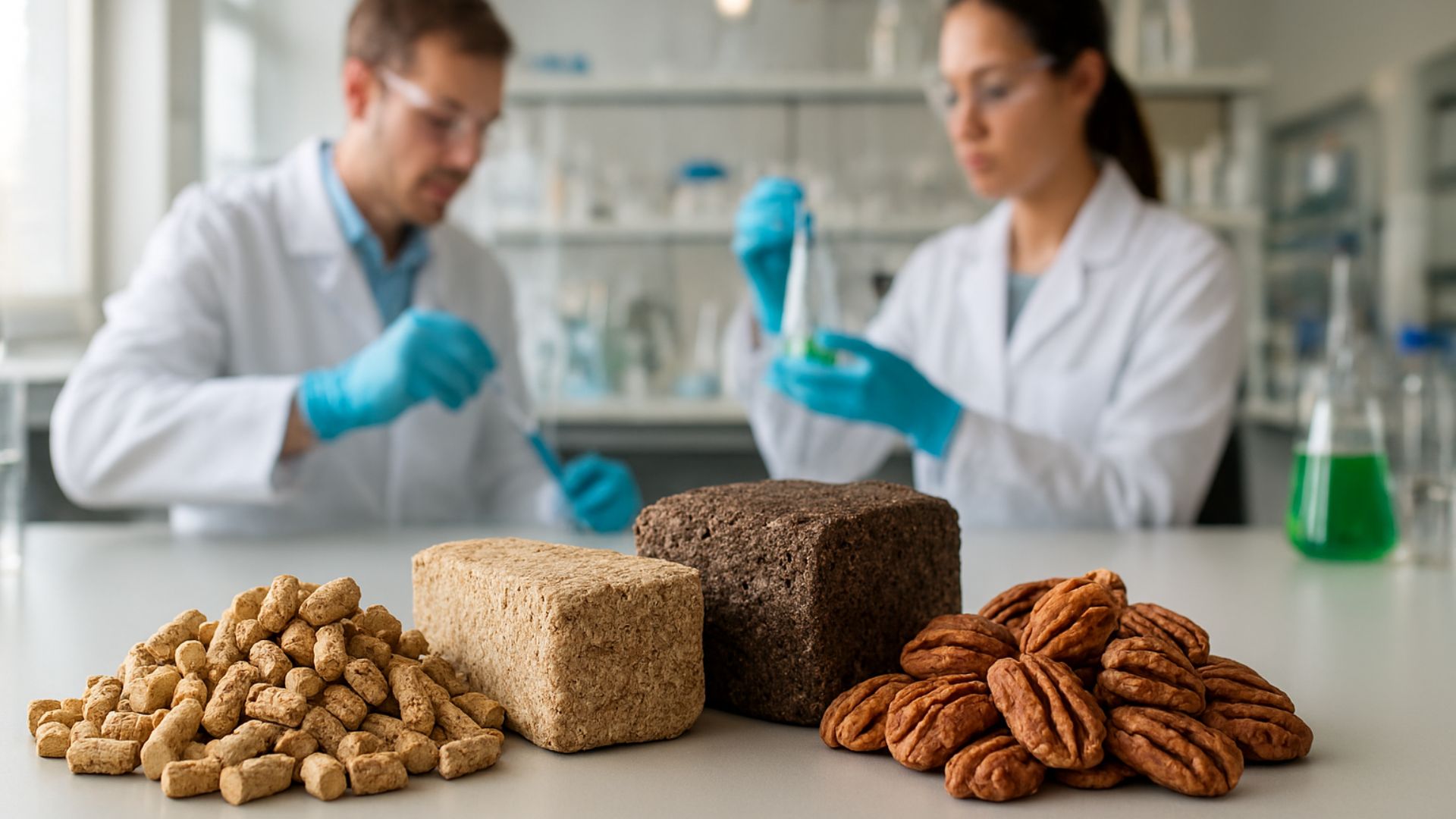
UFSM Presents An Innovative Technology That Transforms Pecan Shells Into High-Yield Solid Biofuels, Boosting Sustainability And Offering New Renewable Energy Solutions
The UFSM filed with the National Institute of Industrial Property (INPI) the patent application BR 10 2025 025818 8, regarding an innovative method to transform pecan shells into biofuels with high performance. The technology, developed by the LSCnano group at the university, allows for producing briquettes, pellets, and igniters with high calorific power, low cost, and great potential to reduce agro-industrial waste in Brazil.
Technology Developed by UFSM Generates Biofuels
According to the institution, the process utilizes an abundant waste from the pecan production chain and transforms it into a renewable alternative capable of replacing firewood and coal in various applications. This solution reinforces the role of academic research in advancing sustainability, favoring a circular economy, efficient resource use, and the search for new clean energy matrices.
The invention was created by researchers Jocenir Boita and Matheus Amancio Correa Neres, members of the LSCnano group, based at the Cachoeira do Sul campus. The laboratory, active since 2015, has already accumulated ten patents related to waste reuse, development of new materials, and improvements in industrial processes.
-
The Economist states that Brazil has a “secret weapon” against expensive oil and highlights how the country can reduce economic impacts even in international scenarios of high volatility.

-
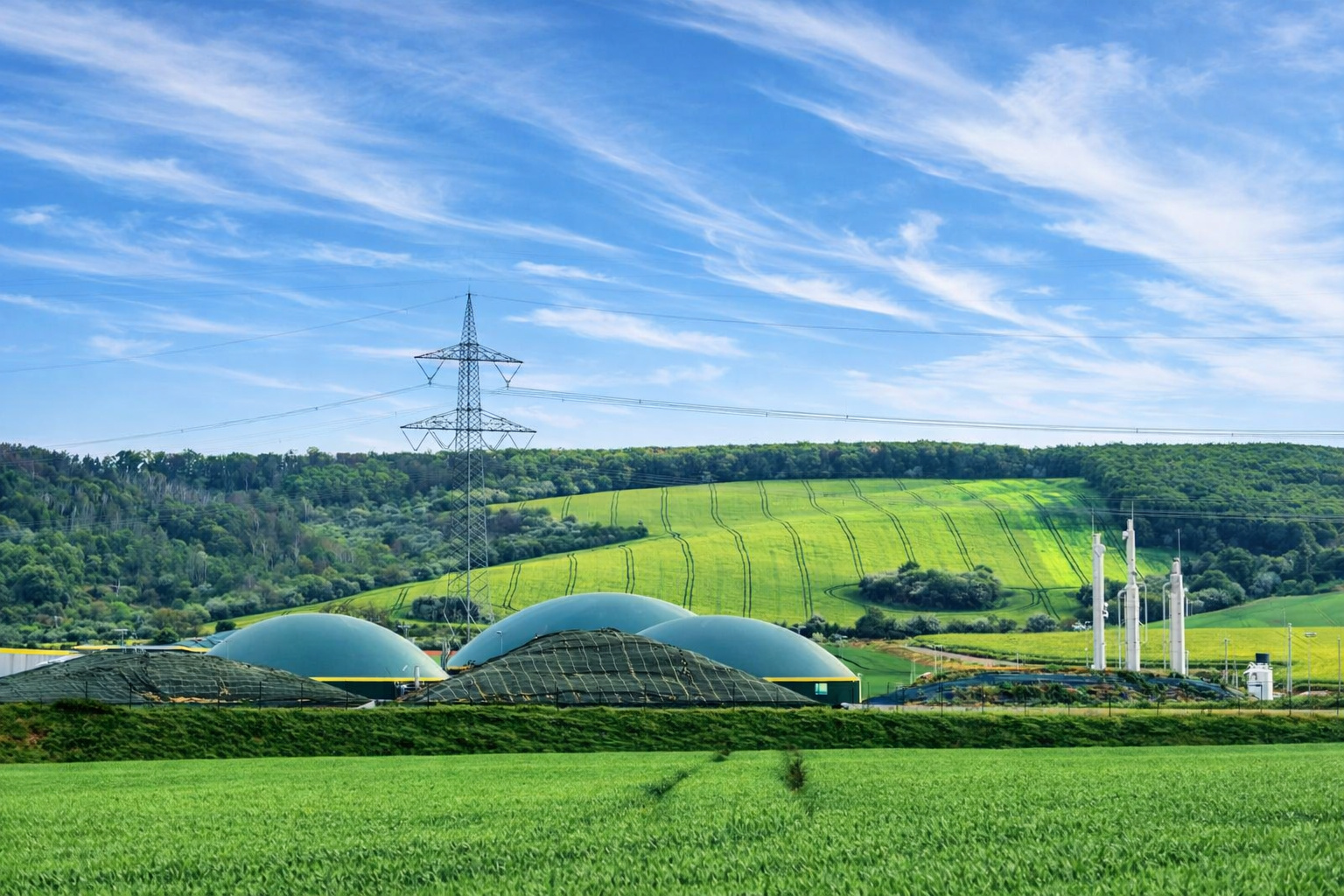
Brazil accelerates decarbonization in the South: International forum in Foz do Iguaçu gathers leaders to discuss the advancement of biomethane in the energy matrix and the potential of “caipira pre-salt.”
-
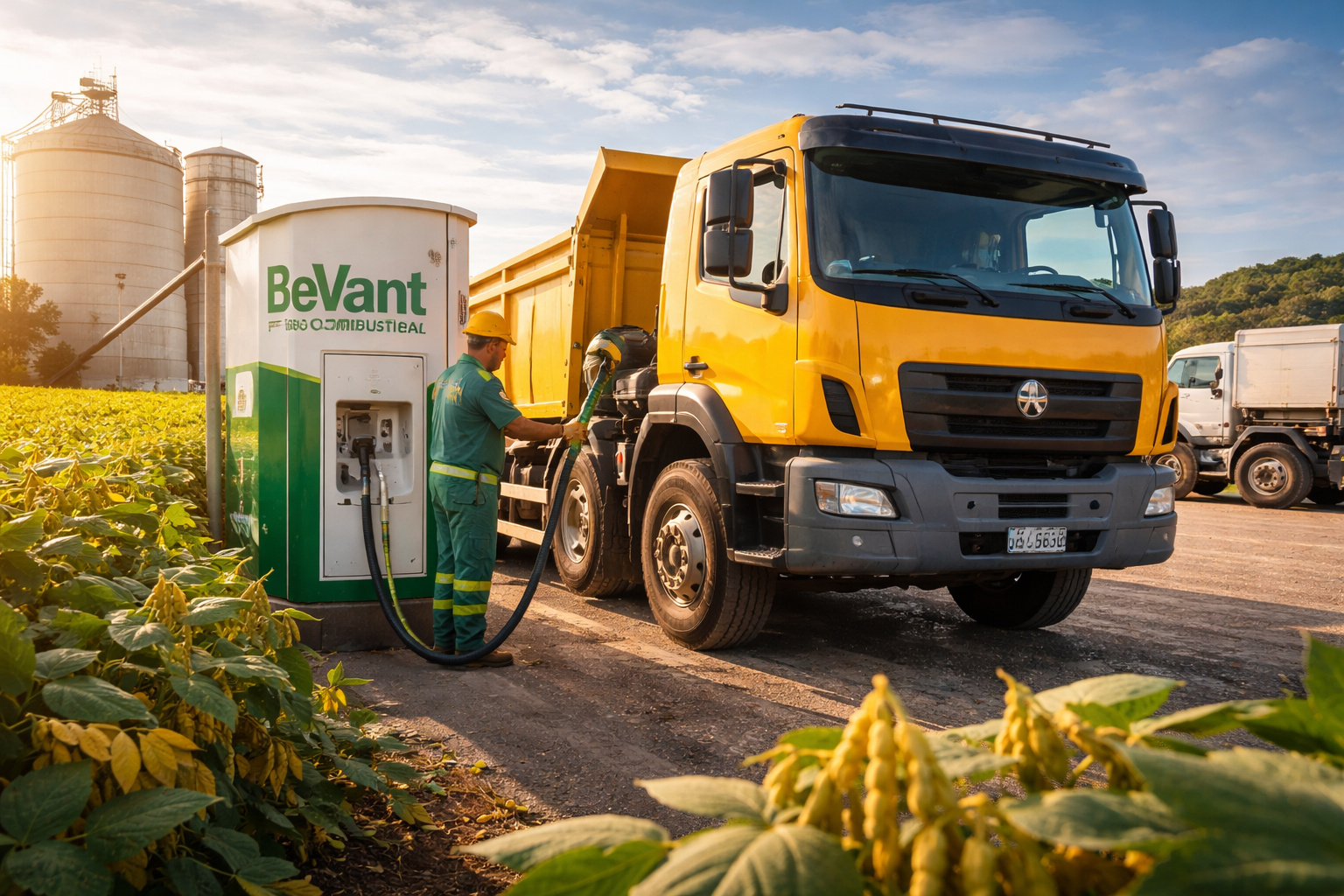
As diesel prices soar due to conflicts in the Middle East, a Brazilian city decides to test a little-known biofuel that promises to completely replace fossil fuel without adaptation and could change the future of energy in the country.
-
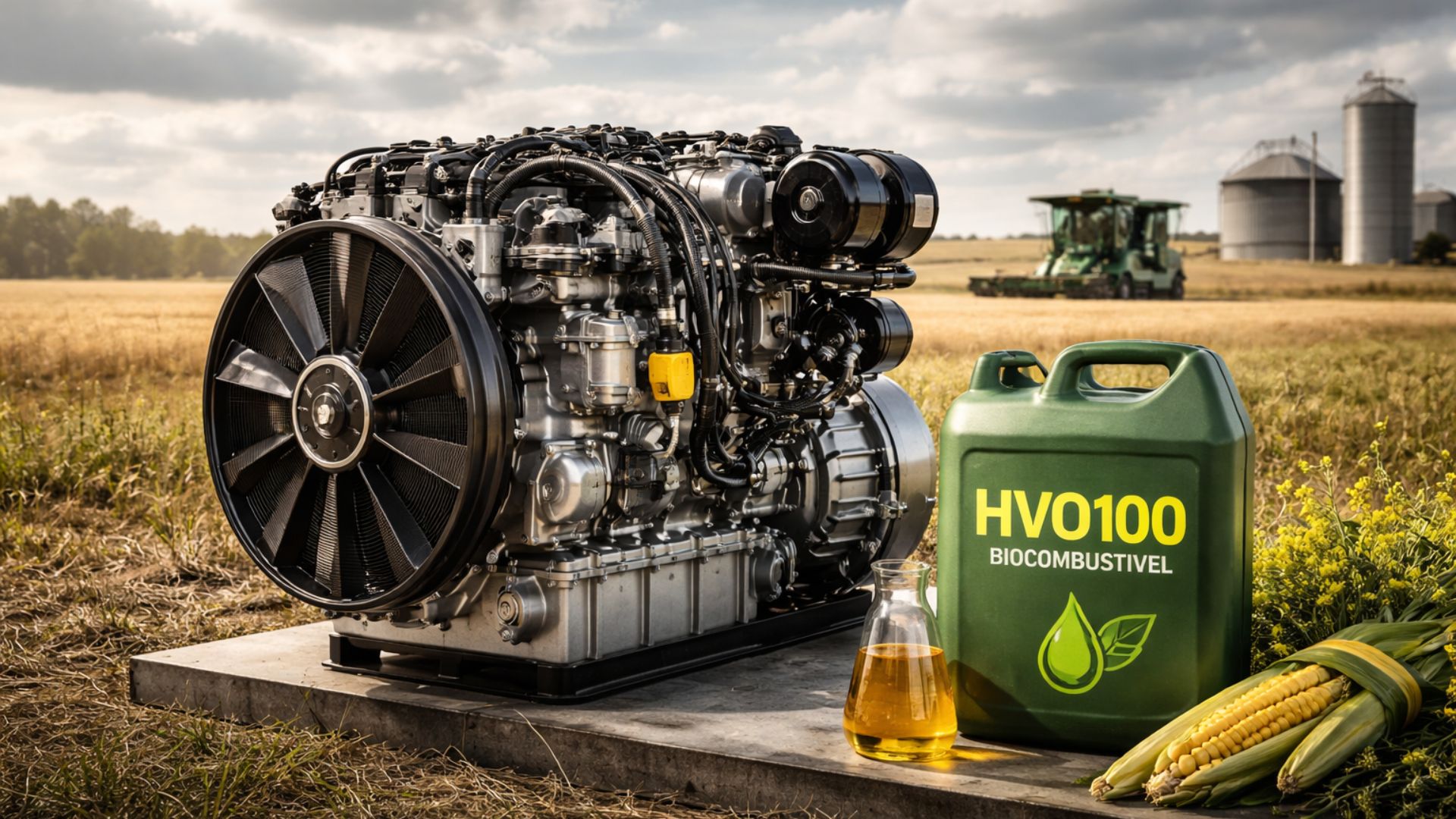
Innovation with biofuel engines transforms agribusiness by replacing diesel without the need for major adaptations, ensuring energy efficiency and helping to reduce dependence on oil.
The patented method involves steps such as drying, fragmentation, standardization, and compaction of the pecan shells. In some specific applications, the process allows for the impregnation of substances that assist in ignition, resulting in more efficient products and usage practices.
The result is three main types of solid biofuels:
- High-Density Briquettes for direct substitution of firewood;
- Standardized Pellets, ideal for automated systems or industrial use;
- Igniters, used in fireplaces, barbecues, and ovens.
All present high calorific values, lower moisture, low smoke emissions, and easy storage, essential characteristics to compete with traditional sources.
Utilization of Pecan Shells and Waste Reduction
The cultivation of pecans has grown in Brazil, especially in the South Region. However, the volume of shells generated after the processing of the fruits is still considered underutilized. Many producers simply discard the material in natural environments or landfills, generating environmental liabilities and disposal costs.
The new UFSM method proposes a direct solution to this problem. By using an abundant, cheap, and widely available waste, the technology stimulates the creation of a new market within the pecan production chain. What was once waste transforms into clean energy.
This reuse reduces the pressure on forest resources, decreases improper disposal, and strengthens the concept of a circular economy. Additionally, it adds value to the agricultural sector, expanding income opportunities for cooperatives, small producers, and industries in the field.
Sustainability and Positive Environmental Impact
The pursuit of sustainability has been one of the main motivations for the development of solid biofuels derived from waste. The technology proposed by UFSM reduces dependence on fossil fuels, encourages the use of discarded organic materials, and prevents the direct burning of waste, which often occurs irregularly in rural areas.
The method presents important environmental advantages:
- Reduction of emissions associated with the decomposition or uncontrolled burning of shells;
- Replacement of firewood obtained from deforestation;
- Decreased need for coal in small heating systems;
- Reuse of waste that would otherwise represent ecological impact.
Moreover, the briquette and pellet production process requires less energy than other biomass conversion methods, making it more efficient throughout the production chain.
UFSM Initiative: Practical Applications and Commercial Potential
The energy products generated by the new method can be used in various situations, such as:
- Residential heating;
- Biomass stoves and ovens;
- Fireplaces and barbecues;
- Small industries that require constant heat;
- Light metallurgical processes;
- Automated heating systems that use pellets.
By being standardized, the biofuels produced from pecan shells offer greater thermal stability than conventional firewood, improving performance in controlled systems.
UFSM also reported that the products resulting from the patent will be marketed under the brand EcoPecã – Solid Biofuels, demonstrating an intention to introduce the technology to the market through partnerships, licensing, or technology transfer.
This commercial potential is particularly relevant because:
- The demand for sustainable fuels grows year by year;
- The pecan crop has regional concentration, facilitating logistics;
- The final product has higher added value than the waste;
- The initial investment for production is low compared to other renewable sources.
The Role of Biotechnology in the Future of Clean Energy
The transformation of agricultural waste into energy has been one of the strongest trends within the energy transition. Technologies like that of UFSM show that it is not necessary to depend on large plants or million-dollar investments to generate significant environmental impact.
Similar research has already been carried out with waste such as rice husks, sugarcane bagasse, pequi shells, and coffee processing waste. However, few initiatives have specifically focused on pecan shells, which have a rigid structure, low moisture content, and excellent biomass composition.
This characteristic makes the waste especially suitable for conversion into briquettes and pellets. This means that UFSM’s innovation fills a real gap in the biofuels market, broadening the range of renewable resources available in the country.
Opportunities and Challenges to Expand the Use of Solid Biofuels
Despite the great potential of the technology, some challenges need to be considered for the production expansion and adoption of biofuels derived from pecan shells. Among them:
- Establish partnerships with agricultural cooperatives to ensure a continuous supply of waste;
- Develop affordable compacting machines for small and medium-sized enterprises;
- Create incentives for the replacement of firewood and coal in small industries;
- Ensure energy standardization of the products;
- Facilitate logistics for regions with significant pecan production.
On the other hand, there are important opportunities:
- Local production near producing areas, reducing costs;
- High market interest in sustainable alternatives;
- Low specific competition in the area of pecan biofuels;
- Possibility of export, considering the heated international market for pellets.
If these points are addressed, Brazil can transform a regional waste into a national reference in renewable energy.
Why This Innovation from UFSM Matters for The Future of Energy in Brazil
The patent filed by UFSM highlights the relevance of applied scientific research for building a more efficient, clean, and economically viable future.
By transforming a discarded material into a high-value solid biofuel, the university demonstrates how knowledge can generate real, practical solutions with immediate impact.
The advancement benefits the environment, boosts the regional economy, and strengthens renewable energy production. It is an initiative that connects agriculture, technology, science, and sustainability.









Seja o primeiro a reagir!