





 Portuguese
  English
  Spanish
  3 min of reading


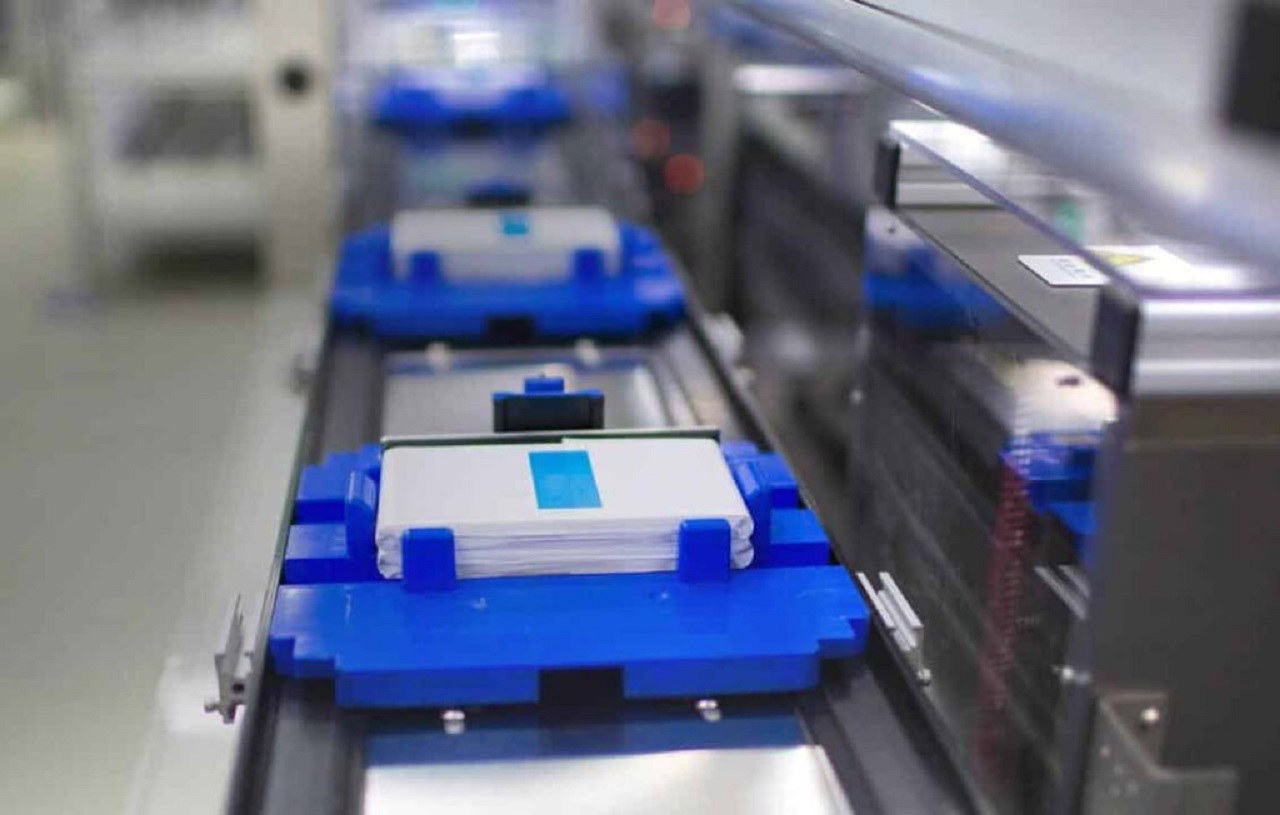
Researchers in the US Developed a Battery for Electric Cars That Does Not Use Cobalt. The New Component Promises Much Cheaper, More Efficient, and Pollutant-Free.
Scientists from the Oak Ridge National Laboratory (ORNL) in the United States are working on developing a new form of production that can generate better and cheaper cathodes for lithium-ion batteries, currently used in electric cars and electronic equipment. According to the scientists, this new cobalt-free approach allows for the development of more affordable energy cells, generated from a faster and less costly system that uses a much smaller amount of toxic material during the production process.
Cobalt Withdrawal Will Reduce the Price of Batteries for Electric Cars


According to the co-author of the study, chemical engineer Ilias Belharouak, this new method provides the main advantage of allowing the battery industry to have a cleaner production line with lower costs compared to the market, while also having an infinitely smaller carbon footprint.
The main obstacle overcome by the scientists was the elimination of cobalt used in the production of conventional lithium-ion energy cell cathodes. Besides being a rare metal, much of the cobalt used in battery production is mined abroad, increasing manufacturing costs. With this new method of producing batteries for electric and electronic cars, the researchers found a high-capacity cathodic material without the use of cobalt.
-
OMODA & JAECOO appoints Alessandra Souza as executive marketing director in Brazil and accelerates brand expansion with a focus on innovation, network, and hybrid portfolio.

-
Jaecoo 7 with super hybrid SHS system exceeds 1,200 km of combined range with a 1.5 turbo engine, high-density battery, and intelligent energy management.

-
Engineers propose a fourth traffic light for intersections – the change promises to affect crossings, queues, and waiting times.

-
Chevrolet Suburban Z71 lands in Brazil with a V8 engine, off-road design, air suspension, seven seats, and colossal size, a rare version imported for around R$ 1.3 million with luxury and exclusivity.

Instead of continuously agitating cathode materials with chemicals in a reactor, this hydrothermal synthesis approach crystallizes the cathode using metals dissolved in ethanol. According to the lead author of the study, Professor Rachid Essehli, ethanol is safer to store and handle than ammonia and can then be distilled and reused. Additionally, the time taken to produce particles and prepare the next batch of cathodes drops from several days to less than 12 hours.
New Battery Designed by Scientists at Oak Ridge National Laboratory (ORNL) Has Safer Charge and Discharge Cycles
The material manufactured during the production process of cobalt-free batteries has more uniform, round, and well-compacted particles. These characteristics are great for developing much more efficient and less polluting cathodes.
Another significant advantage of this new production method is that it allows energy cells to become more stable, generating safer charge and discharge cycles, while also significantly extending the lifespan of lithium-ion batteries.
For Professor Rachid Essehli, as its properties are similar to those of current cobalt cathodes, the new material can be seamlessly integrated into existing battery production processes, providing much more energy and reducing the prices of electric cars in the future.
Solid-State Battery May Be the Future of Electric Cars
The race to develop solid-state batteries to replace current lithium-ion cells is becoming increasingly competitive. Companies around the world are racing against time to develop a commercially viable solid-state battery.
The flammable liquid electrolyte in current batteries is replaced by a more stable solid in solid-state batteries, resulting in greater safety. Solid-state batteries can have higher power, faster charging rates, and longer lifespans.
The companies’ gold rush to develop their first batteries and put them into production in the market aims to demonstrate that this is a commercially lucrative category.








Seja o primeiro a reagir!