





 Portuguese
  English
  Spanish
  3 min of reading
  0 comments


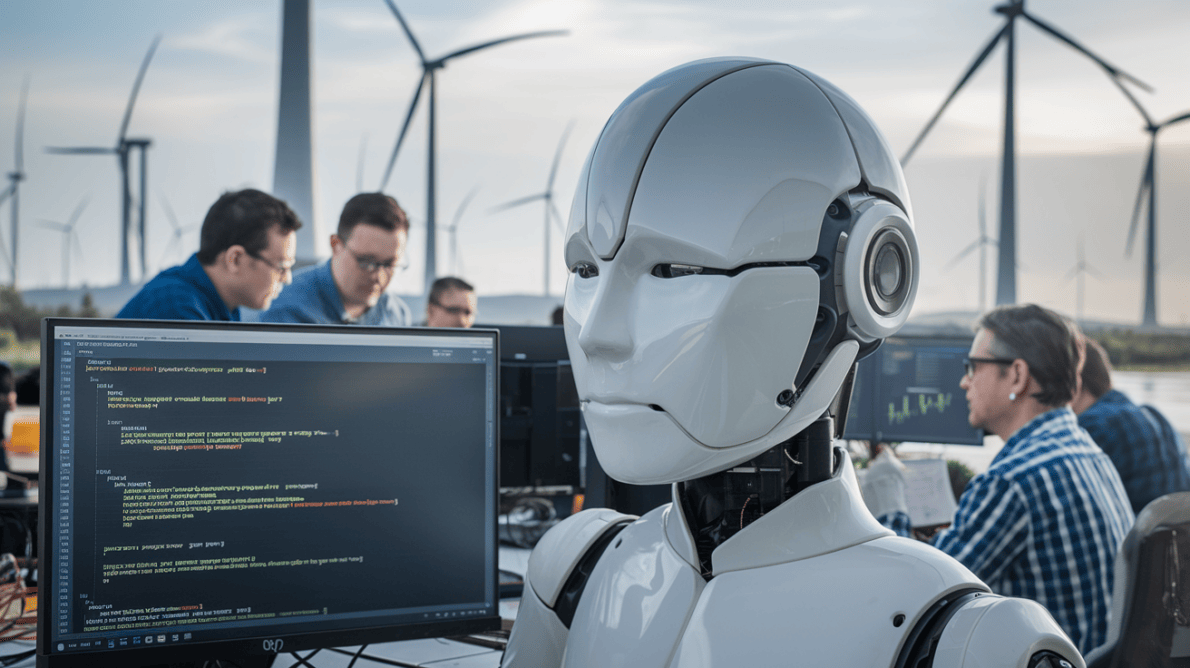
New Technology Developed by Scientists Uses AI to Identify Failures in Wind Turbines, Optimizing Maintenance and Increasing the Efficiency of Wind Power Generation.
Researchers have proposed a new technology capable of automatically identifying, locating, and measuring damage in wind turbine blades. The solution was presented in a paper published in the journal Scientific Reports, part of the Nature group, and has the potential to improve the efficiency of preventive maintenance in wind power generation parks.
The project is the result of the work of scientists who developed a hierarchical machine learning model, dubbed HHMLM (Hybrid Hierarchical Machine Learning Model), which utilizes acoustic data for structural monitoring. The system is aimed at low-power devices, being compatible with tinyML applications, a branch of artificial intelligence applied to small devices with limited processing capabilities.
Intelligent and Continuous Monitoring of Wind Turbine Blades
The system proposed by the scientists works by capturing sounds emitted by internal or external damage to the turbine blades. These sounds, referred to as acoustic emissions, are processed by algorithms trained to identify patterns indicating structural problems.
-
China accelerates global science and may surpass the United States in 2 years with increased public investment, continuous growth, and direct impact on the global technological competition.

-
Scientific studies indicate that drought may be strengthening a much greater silent threat: more resistant superbugs.

-
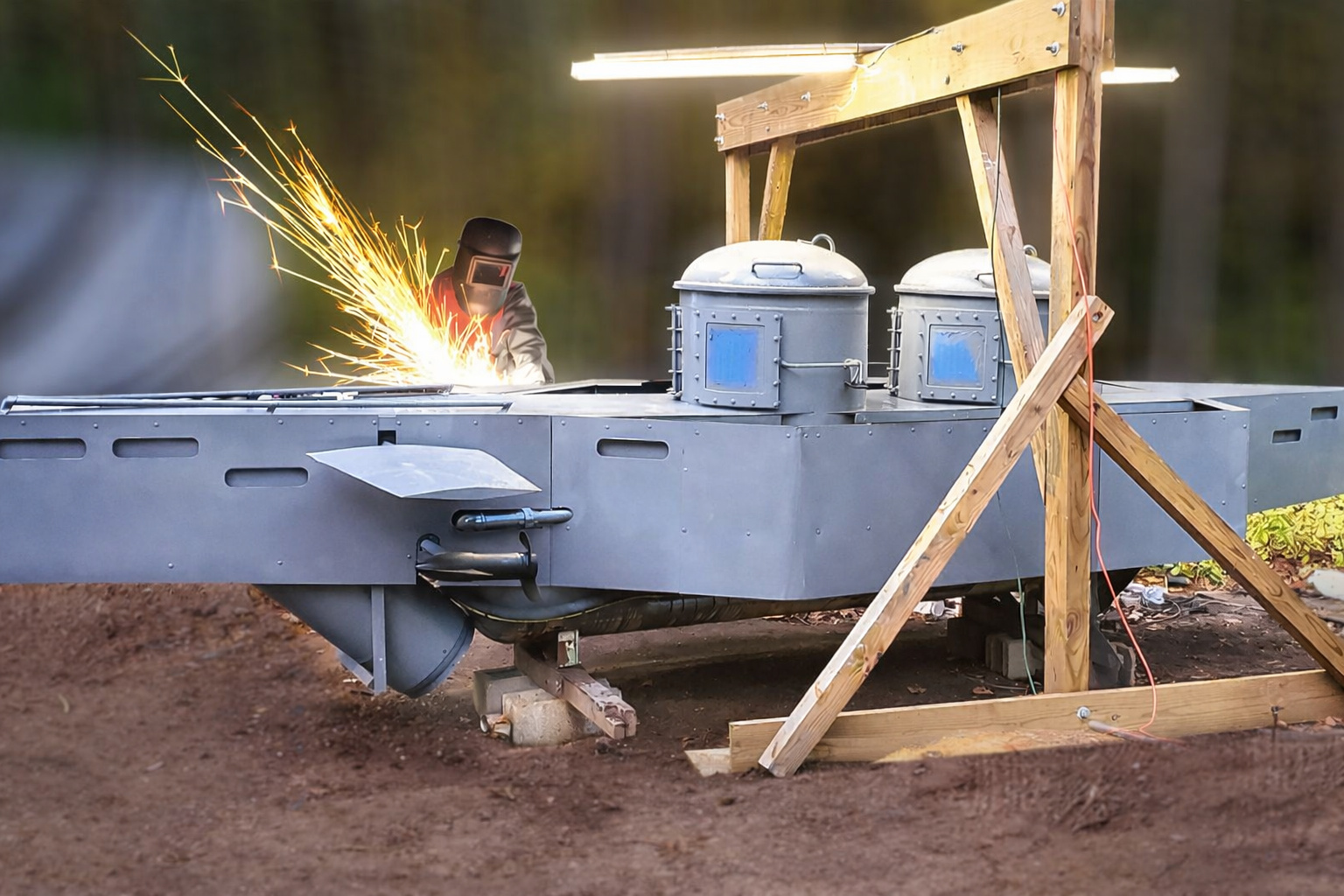
Man builds functional 5-meter submarine in his garage using gas cylinders, PVC pipes, and a refrigerator motor, and navigates with the vessel on a lake in Colombia.
-
Millions of people have been eating yam for centuries without knowing that this humble tuber contains a compound called diosgenin, which scientists have now discovered can improve memory and help control blood sugar levels.


During testing, the new technology was applied to composite material wind turbine blades. The researchers simulated various types of damage, such as cracks, impacts, and wear caused by the environment, with the goal of training and evaluating the model.
Based on this data, the system was able to identify damage with an accuracy rate exceeding 96%, outperforming other traditional models that tend to have lower performance. Additionally, the solution can process the information in real-time, facilitating a quick response for repairs or replacements.
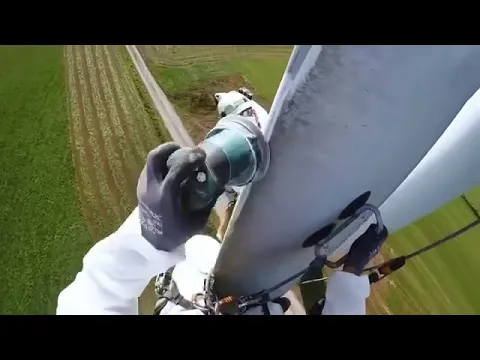

Scientists Seek Greater Efficiency for Wind Energy
Wind energy is one of the main renewable sources currently used in Brazil and worldwide. Efficient maintenance of turbines is crucial to ensure the continuous and safe production of this energy. The blades, in particular, are subject to high levels of stress, environmental impacts, and natural wear.
According to the study authors, the new technology can reduce operational costs, decrease downtime of wind turbines, and extend the lifespan of equipment. By automating the inspection process, which currently relies on specialized labor and expensive equipment, the system allows for a more efficient and economical approach for the sector.
Future Applications and Large-Scale Viability
In addition to detecting damage, the HHMLM model is also capable of estimating the type of failure and its exact location using only a single acoustic emission sensor. This represents an advance over other solutions that require multiple sensors or manual analysis steps.
The scientists highlight that the technology can be implemented in wireless sensors, allowing its use in remote or hard-to-access environments, such as offshore wind farms. This flexibility increases the feasibility of using the solution on a large scale.
The next step for researchers is to work on miniaturizing the system and integrating it with cloud monitoring platforms. This will allow the collected data to be accessed remotely and used for more precise and rapid decision-making.
Clean Energy Supported by Artificial Intelligence
As artificial intelligence advances and solutions like this are developed, scientists are broadening the possibilities for optimization in renewable energy sources. The application of cutting-edge technology in wind turbines is an example of how innovation can contribute to making the global energy matrix more sustainable.
The study reinforces the role of scientific research in creating tools that assist in the transition to a low-carbon economy. The new technology represents an important step in this direction by offering an intelligent and automated alternative for monitoring and maintaining the turbines used in wind energy generation.
Source: Scientific Reports








Seja o primeiro a reagir!