





 Português
  Inglês
  Espanhol
  3 min de leitura
  0 comentários


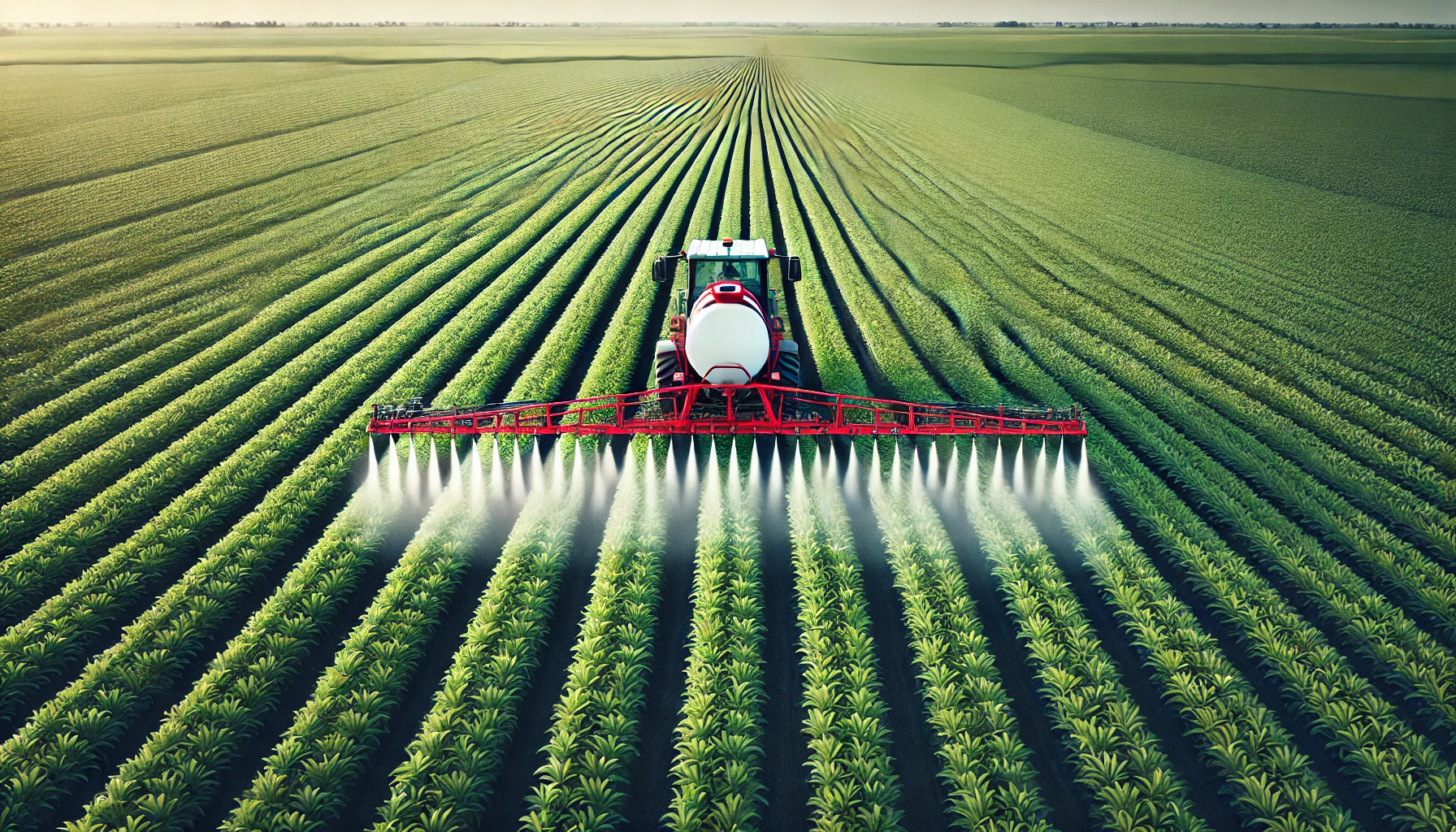
MIT Researchers Are Developing a New Technology That Promises to Revolutionize the Use of Agricultural Pesticides. The Innovation Increases the Adhesion of Pesticides and Fertilizers to Plant Leaves, Averting Waste and Contributing to More Efficient and Sustainable Agriculture.
Engineers from the Massachusetts Institute of Technology (MIT) have developed a new technology that could transform how pesticides, fertilizers, and other products are applied to crops.
The proposal is simple: improve the adhesion of droplets to leaves. But the impact could be enormous.
The innovation has the potential to reduce the use of chemicals in the field by up to 50%.
-
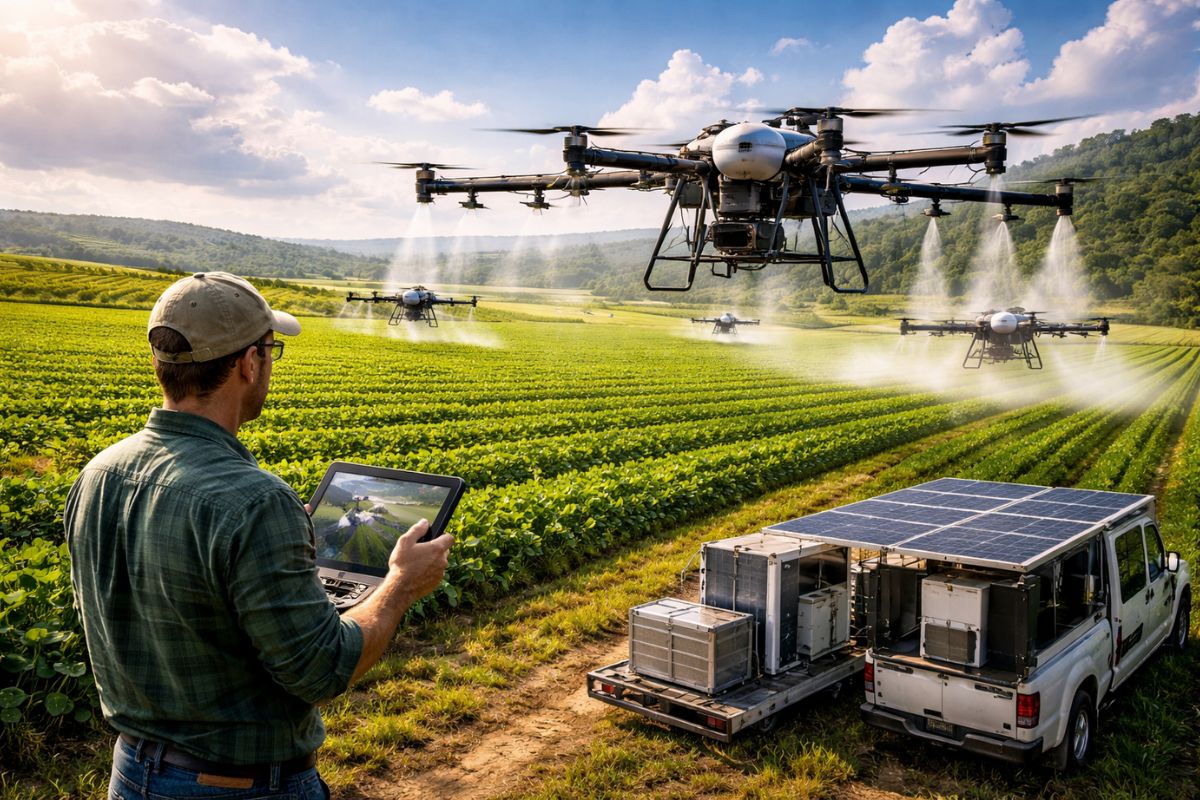
Alone, the producer applies 7,400 hectares with the T100 drone in an optimized structure, replaces the generator with a silent battery, and demonstrates how technology reduces costs, increases productivity, and even challenges the uniport in the field.
-
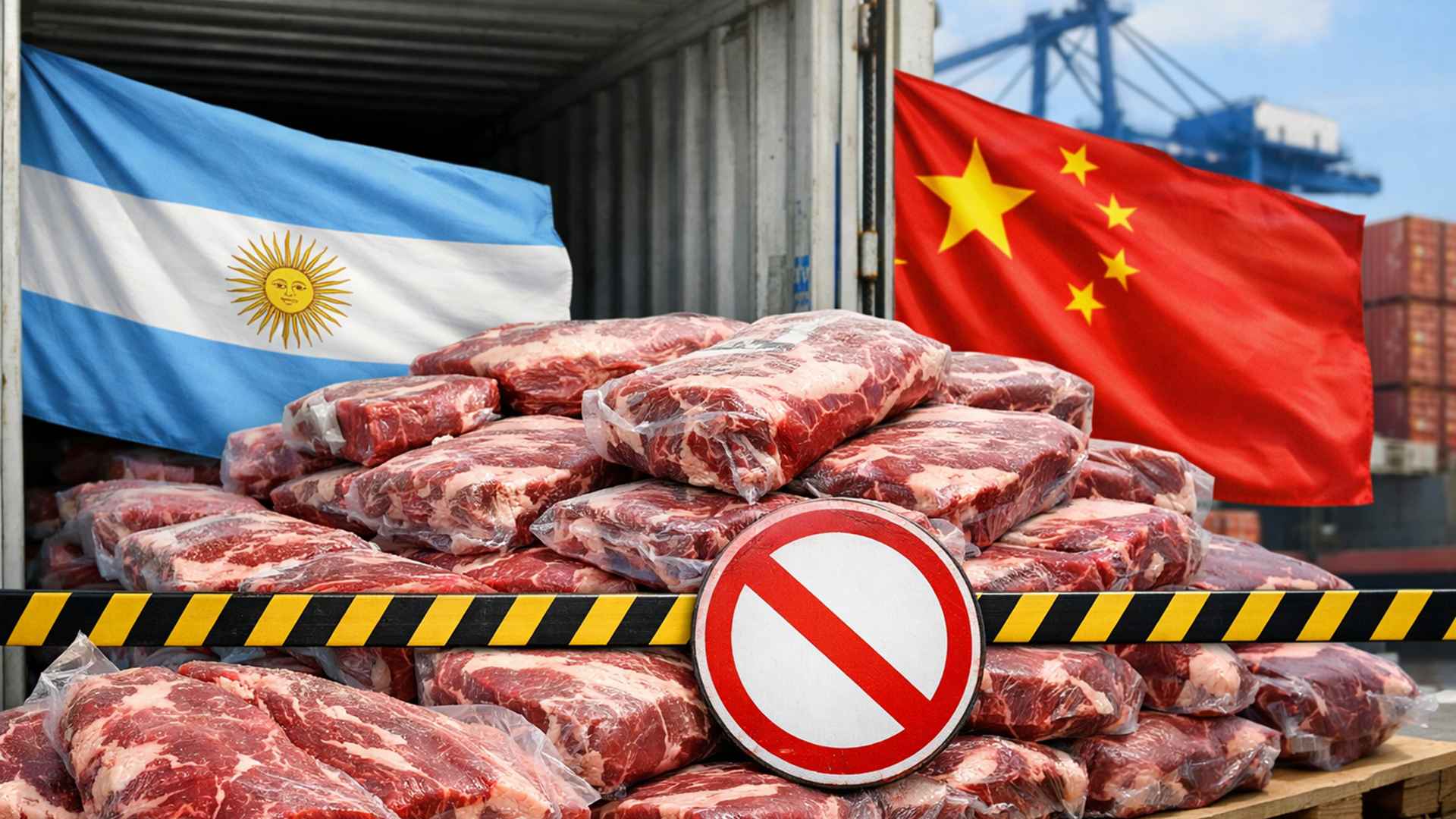
China banned the export of 22 tons of meat from Argentina.
-
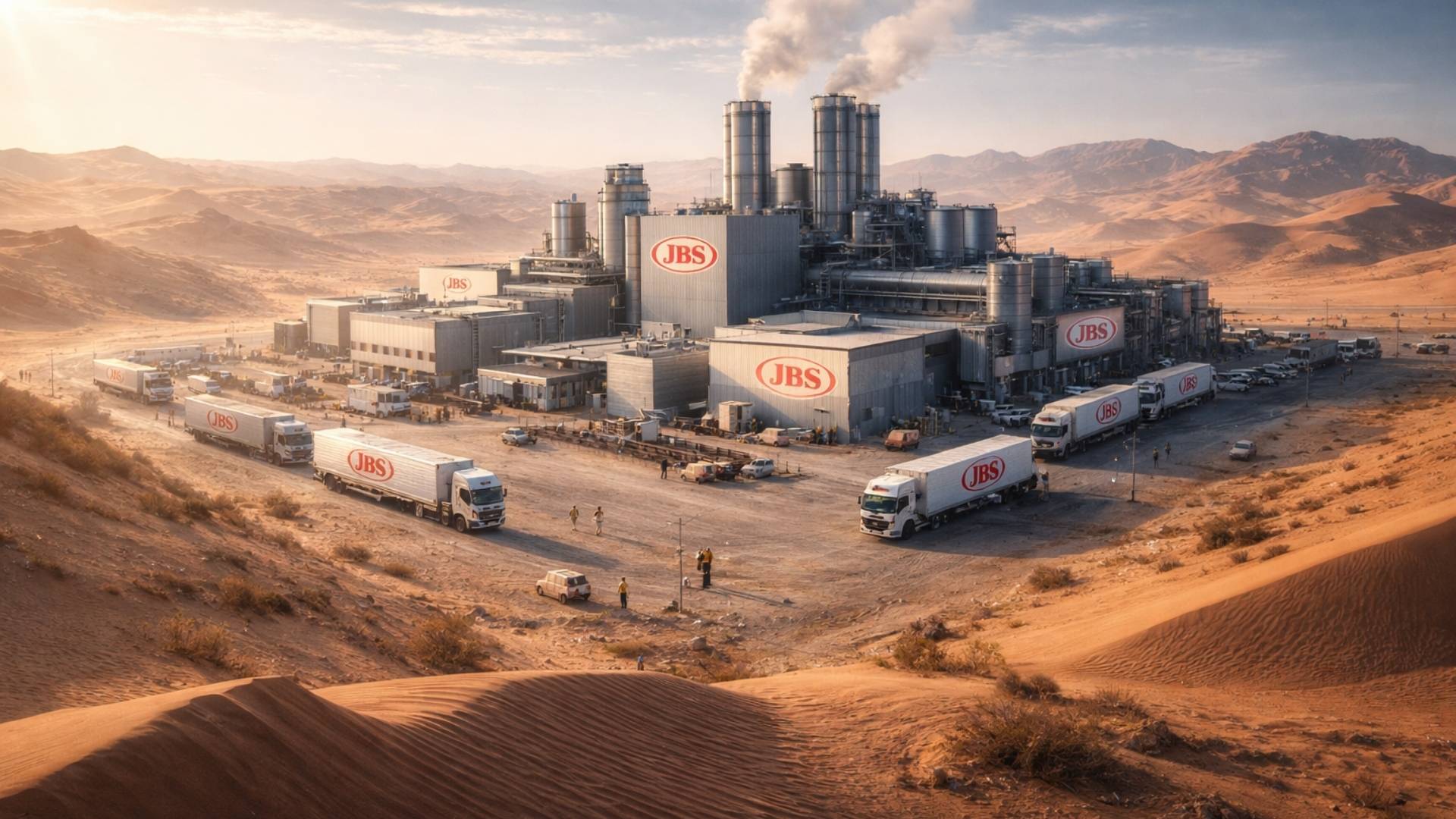
JBS, founded by the Batista brothers, continues to conquer the world: entrepreneurs built a ‘factory in the desert’ creating 3,000 jobs.
-
With only 1% of Brazil’s territory, Santa Catarina has built one of the most competitive industrial parks in the country, with 64,000 companies, nearly 1 million jobs, and a growth rate of 5.3% while the national industry is practically stagnant.


This represents savings for farmers and less contamination of soil and water. The system, which is already undergoing practical tests, has demonstrated up to 100 times more adhesion of treated droplets compared to traditional ones.
How Does the New System Work?
The central idea is to coat each droplet with a very thin layer of oil — less than 1% of the total volume. This coating prevents droplets from ricocheting off leaves, which often happens due to the hydrophobic nature of many plant surfaces.
The oily layer creates a small ring that acts as an anchor, securing the droplet to the leaf. This prevents waste and improves application efficiency.
Even with oil concentrations as low as 0.1%, the results are already significant. In laboratory tests with high-speed cameras, superior adhesion and reduced droplet bounce height were confirmed.
No New Chemical Products
One of the major advantages of the technology is its compatibility with existing products.
The same surfactants and adjuvants currently used in crops can be reused, as long as they are applied as a coating and not mixed with water.
This avoids the need for new products or different formulations. It also reduces the risk of unwanted effects, such as plant burns caused by high concentrations of additives.
The proposal is to change only the method of application, not the content of what is applied.
Savings and Results in the Field
The company AgZen, which collaborates with MIT in developing the technology, has already tested the system called RealCoverage on over 370,000 hectares in the United States and Europe.
The results are substantial:
- 30% to 50% savings in pesticides, just through more efficient application control.
- Double the product retention in crops like soy and kale.
- Potential for 100% additional efficiency with the use of optimized nozzles.
According to estimates, if farmers in the U.S. saved just 6% of what they spend on pesticides each year, that would represent a savings of US$ 1 billion.
More Than Pesticides
The application of the system is not limited to pesticides. The technology can also be used with:
- Insecticides.
- Herbicides.
- Fungicides.
- Foliage fertilizers.
This further amplifies the positive impact of the innovation. Any foliar treatment can become more effective, with less product and less pollution.
A Step Toward Sustainable Agriculture
Modern agriculture faces the challenge of increasing food production without expanding the use of land or inputs. The new technology helps tackle this challenge by making each application more efficient.
In addition to savings, the innovation reduces chemical runoff into rivers and soils, lowers contamination risks, and can also help protect farmers’ health.
Today, it is estimated that 31% of agricultural land is at risk due to pesticide use. Reducing this number is essential for ensuring safe and responsible food production.
Simple, Accessible, and Scalable
The MIT proposal does not require new machines or drastic changes. Compatibility with existing systems makes adoption easier and faster.
It is an example of how simple solutions can lead to significant transformations. And in this case, transforming agriculture into a cleaner, more efficient, and profitable activity.
The challenge now is to bring this technology to more farmers in more regions. If that happens, the impact will be global.










Seja o primeiro a reagir!