





 Portuguese
  English
  Spanish
  4 min of reading
  0 comments


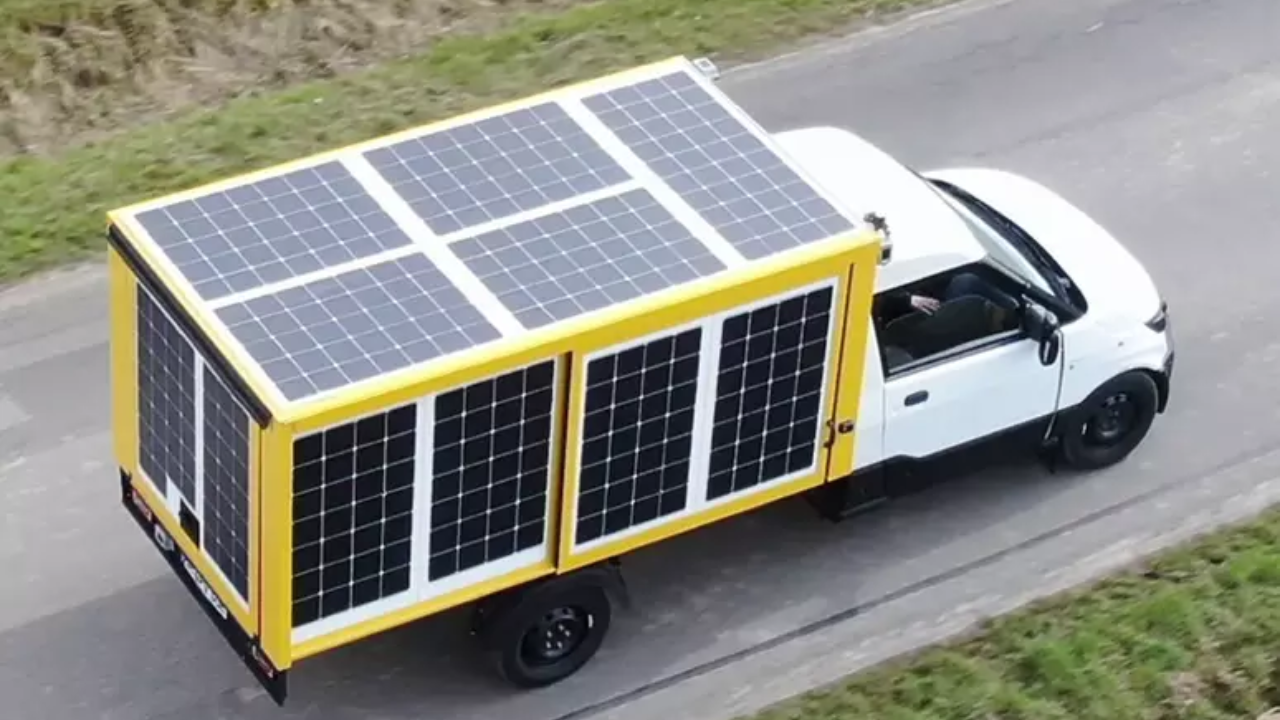
The Experience with a Van That Traveled Across Europe Reveals the Potential and Challenges of Solar Energy in Electric Vehicles
A van equipped with solar panels traveled across Europe for several months, producing results that, although promising, generate skepticism. Solar energy was considered a viable alternative to increase the range of electric vehicles, but researchers warn that the results are conditional and depend on specific factors. This experience raises important questions about the viability and efficiency of integrating renewable energy into the automotive sector.
The Range of Electric Cars and the Search for Solutions
Range anxiety is one of the main barriers faced by electric vehicles, especially when it comes to convincing skeptics about their viability.
For years, manufacturers have been looking for ways to increase the mileage that cars can travel on a single battery charge.
-
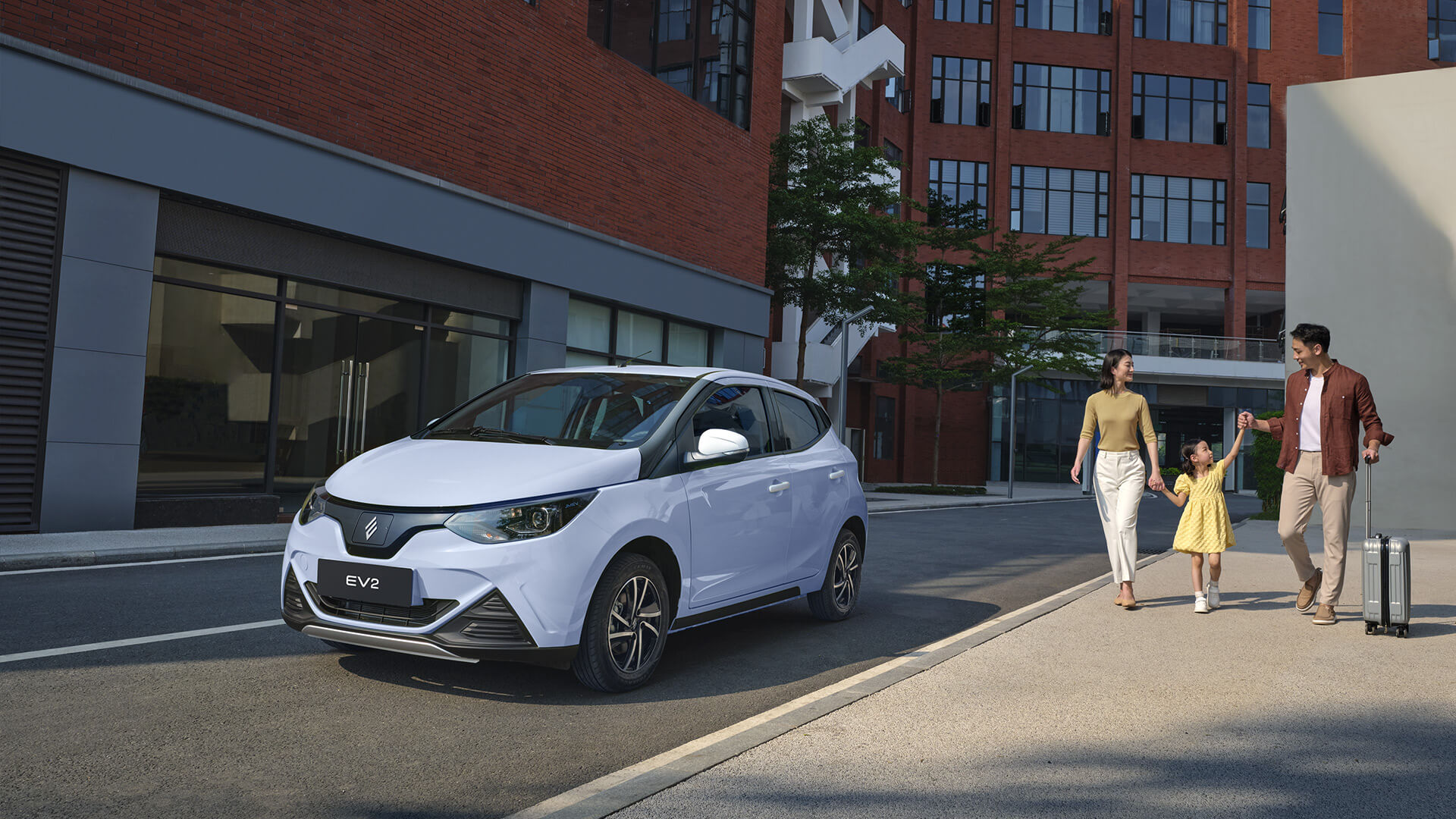
Goodbye expensive popular car: electric vehicle for less than R$ 70,000 starts being sold in Brazil with a range of 200 km and targets those looking to escape gasoline.
-
The Sol do Agreste Photovoltaic Complex begins operations in Pernambuco and accelerates the expansion of solar energy in Brazil, directly impacting the reduction of emissions and strengthening the sustainable energy matrix.

-
The Sol do Agreste Photovoltaic Complex begins operations in Pernambuco and accelerates the expansion of solar energy in Brazil, directly impacting the reduction of emissions and strengthening the sustainable energy matrix.

-
Renewable energy advances over protected areas in Brazil, and a survey by the Energy Transition Observatory reveals silent impacts that challenge environmental conservation and pressure sensitive traditional territories.


This dilemma involves discussions about whether it is more advantageous to increase battery size or improve charging times.
The concern about range is so significant that many consumers still hesitate to adopt electric vehicles, fearing running out of charge during their trips.
Solar Panels as a Promising Alternative
In this context, the use of solar panels has emerged as a potential solution to range issues. German researchers claim that it is possible to gain up to 30% more range with the implementation of solar energy in vehicles.

However, the results obtained so far have not been as satisfactory as expected.
The performance of solar panels on vehicles depends on various factors, such as sunlight intensity, panel position, and the area available for installation.
Additionally, the efficiency of solar systems installed on vehicles is generally lower than that of fixed systems on rooftops, as the surface available on cars is limited.
The Experience of the Van and the Future of Solar Panels
After a year of testing, the company responsible for the van announced that it would shut down its vehicle division, focusing only on its line of solar panels.
This decision clearly indicates how the application of renewable energy in automobiles can be challenging.
Promises of significant increases in range often do not materialize, leading to the forgetfulness of initiatives.
However, research in solar energy continues to advance, with innovations being developed to improve efficiency and integration of solar panels in vehicles.
Furthermore, it is important to consider that electric vehicle technology is constantly evolving.
New batteries are being developed, with better energy density and faster charging times, which may reduce dependence on solutions such as solar panels.
However, the combination of both technologies may offer a promising path towards more sustainable mobility.
Challenges and Opportunities in Automotive Solar Energy
Although the idea of using solar panels to extend the range of electric vehicles is appealing, the reality is complex.
The system may not be as effective as promised, and technical and logistical challenges still need to be overcome. Another point to consider is the cost involved in installing solar panels on vehicles.
The addition of solar technology may increase car prices, which can be a barrier for many consumers.
However, solar energy continues to be an area of interest, with the potential to revolutionize the automotive sector if the issues are resolved.
The growing awareness of environmental issues and the search for sustainable transportation solutions are driving demand for innovations in renewable energy.
For those who believe in renewable energy, the evolution of solar panels in vehicles represents an exciting opportunity for the future of sustainable mobility.
The Future of Solar Energy in Vehicles
As the world focuses on reducing carbon emissions and combating climate change, research and development in solar energy and electric vehicles becomes increasingly relevant.
Collaboration between companies, universities, and research institutions is crucial to drive innovations that can lead to significant improvements in vehicle efficiency.
Moreover, the integration of solar panels in vehicles can open new business opportunities, such as leasing services for solar vehicles and sustainable energy solutions for commercial fleets.
The ability to generate solar energy during operation can not only reduce the operational costs of vehicles but also contribute to lowering the carbon footprint of companies.
Reflections on the Potential of Solar Energy in Future Mobility
The use of solar panels in electric vehicles is an area that is still under development, filled with challenges and opportunities.
Although the initial results have not been as promising as expected, research continues to advance, and innovations in solar energy and electric vehicles may, in the future, transform urban mobility.
For consumers seeking sustainable alternatives, the combination of solar and electric technology may be the key to a greener and more efficient future.
SOURCE: TERRA









Seja o primeiro a reagir!