





 Portuguese
  English
  Spanish
 5 min of reading
  0 comments


Petrobras Advances in Pre-Salt with Bidding for FPSO P-91, Designed to Act as a Gas Hub in the Búzios Field, Reinforcing Energy Infrastructure
On this Friday (3), Petrobras announced the opening of the bidding process for contracting the FPSO P-91, a new floating production, storage, and offloading unit for oil and gas.
According to data from Petrobras itself, the announcement was made on the same day that the state-owned company celebrated 72 years, symbolizing a milestone of innovation and expansion. The FPSO P-91 will be installed in the Búzios Field, in the Santos Basin, and will serve as a strategic gas hub in the pre-salt, consolidating the area as one of the company’s largest producers in Brazil.
FPSO P-91: New Petrobras Platform for the Pre-Salt
The new platform will be the 12th dedicated unit for the Búzios Field and will play a central role in the export of natural gas. Unlike the previous ones, FPSO P-91 has been designed to process its own production and also export gas from other platforms that do not have this capability.
-
Brazilian giant expands borders in the Southeast: Petrobras confirms new oil discovery in ultra-deep waters in the pre-salt of the Campos Basin.

-
Alert in the global energy market: Severe tropical cyclone hits the coast and disrupts gas production at major plants in Australia, threatening global supply.

-
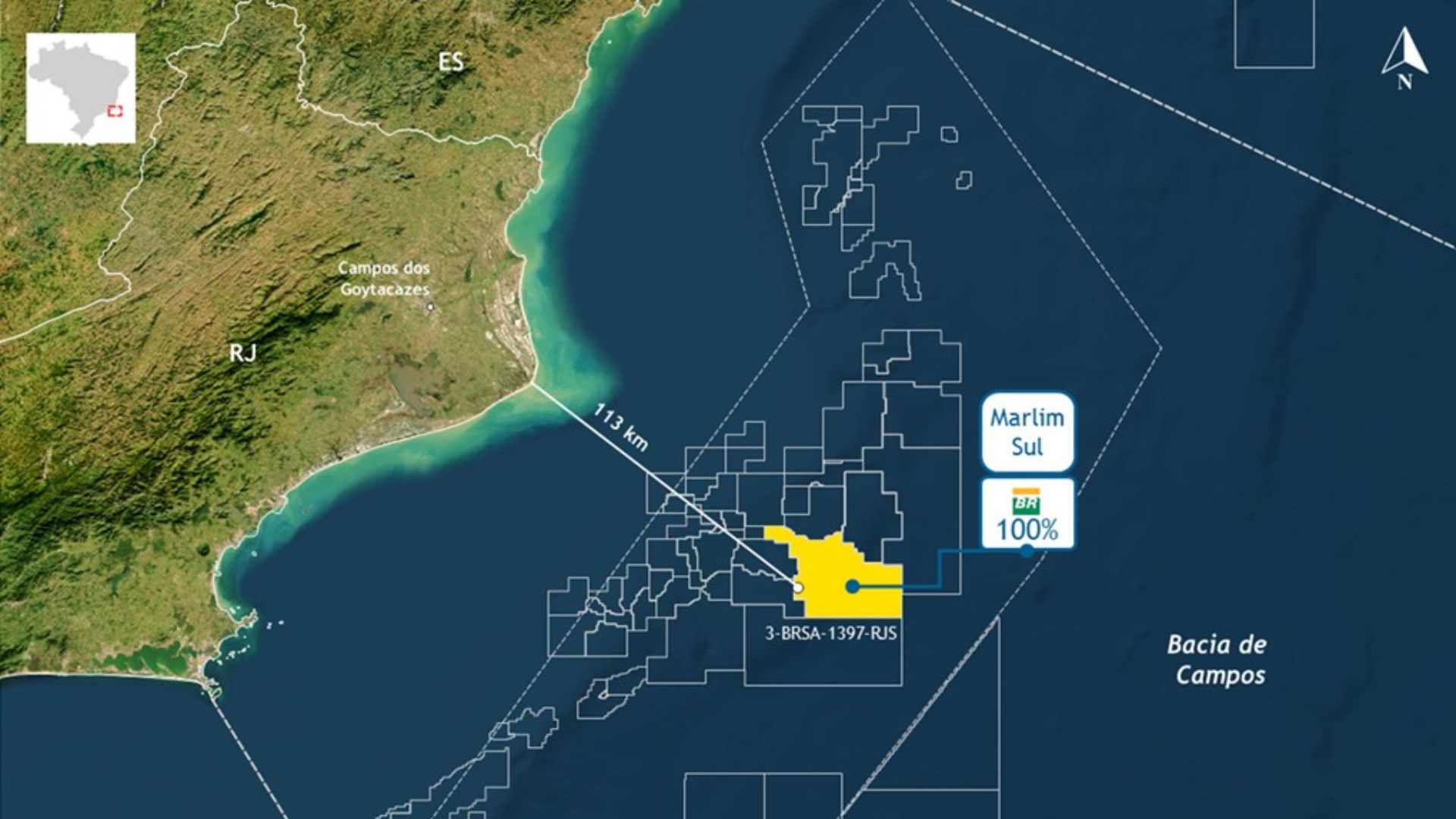
Petrobras finds high-quality oil in the pre-salt at 113 km from RJ and reignites expectations about strategic reserves in the Campos Basin.

-
Ocyan opens registrations for startups focused on innovation in the oil and gas sector and will select projects for Innovation Day with the support of Nexio.


The gas will be directed to the Boaventura Energy Complex, in Itaboraí (RJ), via the Rota 3 gas pipeline. With a production capacity of up to 180,000 barrels of oil per day and 12 million m³/day of natural gas, FPSO P-91 will be interconnected to 16 wells — eight producing and eight alternating water and gas injectors.
This operational model aims to increase the supply of natural gas in the Brazilian market, contributing to a more efficient and sustainable energy transition. Furthermore, the unit will have gas and water reinjection systems to maintain reservoir pressure, enhancing production efficiency and reducing environmental impacts.
Búzios Field: Pre-Salt Powerhouse
Located in the Santos Basin, the Búzios Field is one of the largest discoveries in the Brazilian pre-salt region. Since the beginning of its exploration, it has stood out for its high productivity and oil quality. With the arrival of FPSO P-91, Petrobras reinforces its bet in the region, which has already surpassed the Tupi Field in production volume.
According to ANP, the pre-salt represents over 70% of the national oil and gas production, consolidating Brazil as one of the leading global producers. The installation of new units such as FPSO P-91 further strengthens this leadership, ensuring energy security and generating wealth for Brazil.
BOT Model and Local Content: Innovation in Contracting
The bidding for FPSO P-91 will be conducted under the BOT (Build-Operate-Transfer) model, in which the contracted company will be responsible for the project, construction, assembly, and operation of the unit for a specified period before transferring the operation to Petrobras. This model allows for greater agility in implementation and reduction of operational costs.
The bidding document requires a minimum of 25% local content, encouraging the national industry and promoting job creation. Interested companies will have 180 days to submit their proposals from the publication of the Request for Proposals (RFP).
This contracting format represents an evolution in how Petrobras structures its offshore projects, allowing for greater flexibility and competitiveness.
Petrobras Gas Hub: Economic and Environmental Impact
The creation of a gas hub in the pre-salt has significant implications for the Brazilian energy market. In addition to increasing the supply of natural gas, it reduces dependence on external sources and enhances the competitiveness of the national industry. Gas is considered a transitional energy source, less polluting than coal and oil.
The president of Petrobras, Magda Chambriard, emphasized that P-91 is born with solutions to reduce emissions and increase energy efficiency, reflecting the company’s commitment to sustainability and social responsibility.
FPSO P-91 will feature advanced produced water treatment systems, heat recovery, and emission control, aligning with the best environmental practices of the global industry.
Pre-Salt and Infrastructure: Integration with the Boaventura Complex
The natural gas processed by FPSO P-91 will be sent to the Boaventura Energy Complex, formerly Comperj, located in Itaboraí (RJ). The complex is a key part of the strategy for transporting and processing pre-salt gas, and its revitalization has been a priority for the government and Petrobras.
The connection with the Rota 3 gas pipeline ensures safe and efficient gas transportation, integrating offshore production with terrestrial infrastructure. This model strengthens the energy sector’s value chain and expands the capacity to serve the domestic market.
The integration between FPSO P-91 and the Boaventura Complex represents a logistical and operational advancement for the natural gas sector in Brazil.
Petrobras and the Brazilian Energy Transition
Petrobras’ initiative with FPSO P-91 aligns with Brazil’s energy transition goals. Increasing the supply of natural gas contributes to replacing more polluting sources and ensures supply security. Furthermore, it strengthens the national energy matrix, which is already one of the cleanest in the world.
The operation of FPSO P-91 as a gas hub in the pre-salt is a decisive step in ensuring safe, competitive, and sustainable energy, as stated by Petrobras leadership.
The company has also invested in carbon capture projects, renewable energies, and operational efficiency, seeking to balance economic growth with environmental responsibility.

FPSO P-91 and the Future of Offshore Production in Brazil
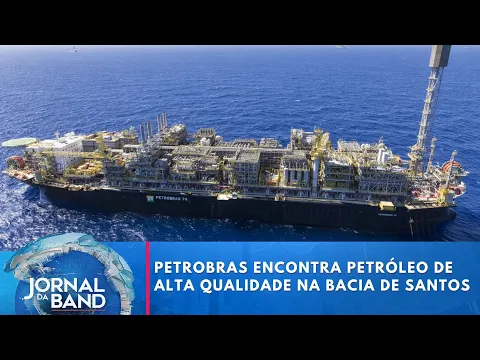
The opening of the bidding for FPSO P-91 marks a historic moment for Petrobras and for the Brazilian energy sector. The new unit, designed to serve as a gas hub in the pre-salt Búzios Field, represents innovation, efficiency, and commitment to the future.
With robust capacity, a modern contracting model, and a focus on sustainability, FPSO P-91 reinforces Petrobras’s position as a leader in oil and gas production in Brazil. The initiative also contributes to the energy transition and the country’s economic development.
The expectation is that, with the entry into operation of FPSO P-91, Brazil will further advance in consolidating its energy independence, promoting sustainable growth and generating value for society.








Seja o primeiro a reagir!