Portuguese
  Spanish


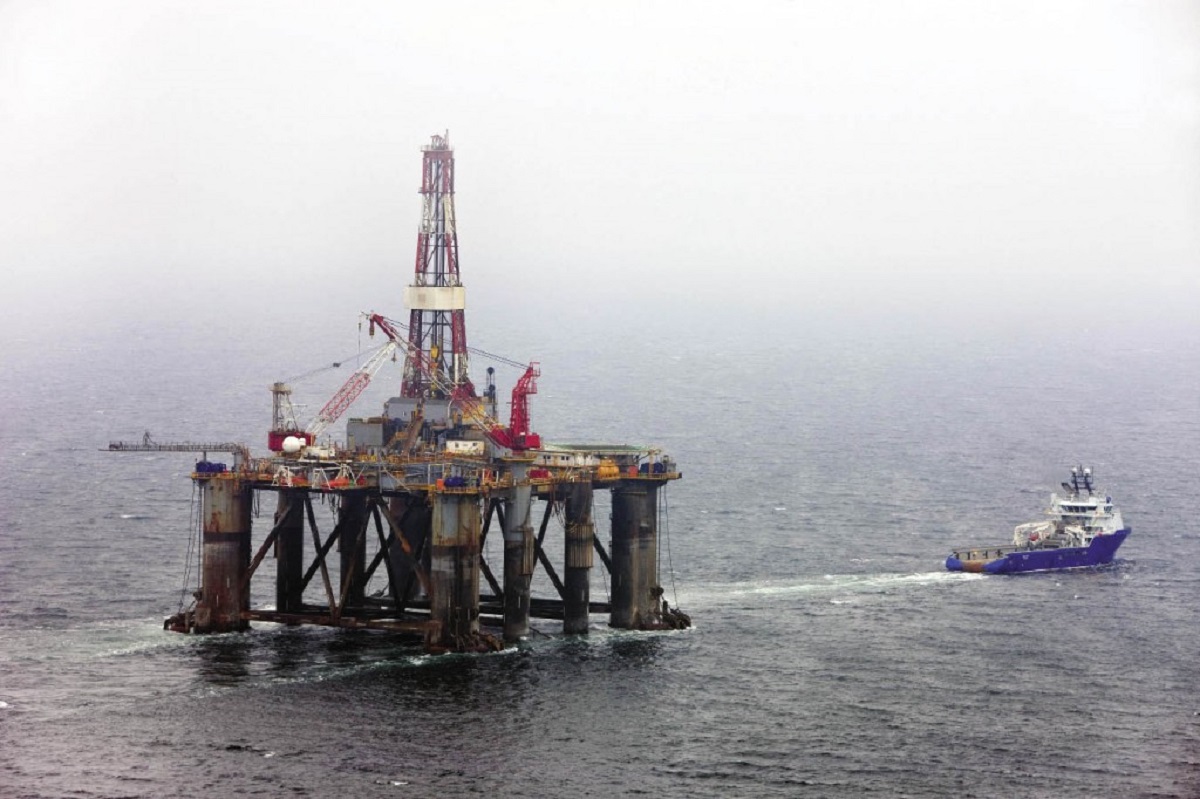

Petrobras’ New Auction Model Does Not Prove Agile and Bids for Three Anchored Drilling Rigs Experience Further Delay
The first auction under the new reverse auction model, entirely electronic through Petrobras’ business portal (Petrocnet), is taking longer than planned.
The reasons are twofold: first, suppliers have not taken well to the idea of conducting large auctions through Petrocnet, and second, there is a lack of familiarity with such a pioneering system.
Even with Petrobras lowering the level of requirements and extending the deadline for proposal submissions, the first reverse auction for the chartering of three anchored drilling units (launched at the beginning of the year) has already had its deadline postponed twice.
The original deadline was February, but it was pushed to early April and then postponed to the end of last week, with a date for each batch.
-
Over 2,000 Tons of Discarded Fishing Nets Since 2020 Repurposed into Durable Caps, Fins, and Parts

-
Seals and Sea Lions Lose Habitat and Food as Climate Change Advances, Impacting Ice, Prey, and Coastal Communities

-
Brazilian Innovator Uses 3D-Printed Device to Cool Two Rooms with One Air Conditioner
-
China Uses 432 Robots to Move a 7,500-Ton Historic Building in Shanghai, Preserving Architecture While Creating Space for Underground Center


Batch 1, for the rigs with a 750-meter water depth, had its proposal submission deadline postponed to 04/15, and Batch 2, for the rig with a 400-meter water depth, was rescheduled for 05/27.
As soon as the proposals are submitted, the auctions will take place the very next day, which surprised the market, as the announcement stated there would be a week between each auction.
How The Reverse Auction Works
The bidding for the three anchored rigs is not only the first under the reverse auction model, but also the first in accordance with the rules of the state-owned companies law (13.303/16).
In a reverse auction, companies submit bids and subsequently gain access to the competitors’ prices, but without knowing their names, and each company can lower its price if the price difference between the first and second place is less than 10%. The bidding committee may then reopen a new auction for all participants.
The contract period for the three rigs is three years and may be renewed for an additional two, and the drillers must be ready for operation within 270 days after signing the contract.