





 English
  Francês
  Alemão
  Italiano
  Japonês
  Norueguês
  Portuguese
  Spanish
  3 min of reading
  0 comments



Recent movement of Petrobras stocks exposes combined effects of Brent, exchange rate, and regulatory decisions on the energy sector and the economy
The 4.6% appreciation of Petrobras stocks, recorded on March 2, reignited strategic discussions in the company’s board.
This movement gained momentum with the rise in oil prices in the international market and the appreciation of the dollar, which alter the sector’s premises.
A market analysis released after the trading session indicates that the scenario reflected a macro risk often underestimated in Brazil.
In this context, a geopolitical shock in the Middle East raised Brent by about 6.7%, reaching approximately US$ 77.7.
The PETR4 stocks advanced about 4.6%, placing the company at a market value level not seen since 2024.
This advance brought new points of attention for the company’s management.
-
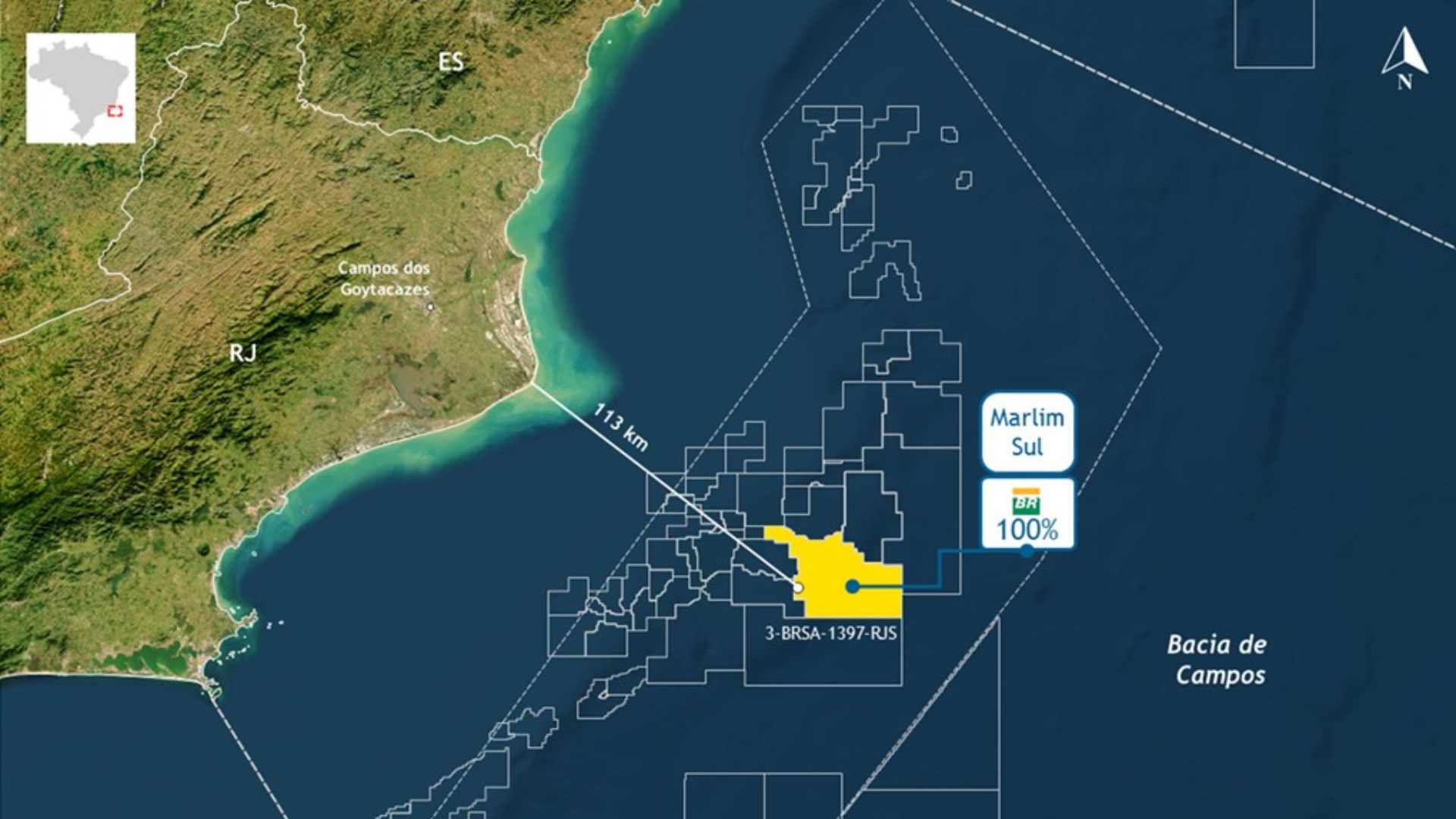
Petrobras announces new oil discovery in the pre-salt of the Campos Basin and reinforces Brazil’s prominence with high-quality reserves that can increase production and energy revenues.
-
Alert in the fuel market: Analysts and a former director of ANP warn that oil prices may worsen in the coming months due to global instability.

-
Ocyan brings executives and digital solutions to Macaé Energy 2026 and highlights offshore expansion with Nexio and a new base in Macaé.

-
Strategic partnership between Brazil and Bolivia secures new investments: Agreement for the expansion of natural gas strengthens infrastructure market prospects and promises to reduce industrial costs.


Rise in oil and dollar redefines revenue and risk scenario
On the same day, the dollar closed near R$ 5.16, with an intraday peak above R$ 5.21, according to financial market data.
The combined movement quickly altered the cash expectations of exporting companies.
The revenue in strong currency improves in the short term, which boosts immediate optimism.
At the same time, hedge costs, pass-through risks, and input volatility also increase.
Companies exposed to oil and the dollar operate in a more sensitive environment to external fluctuations.
Managers adjust strategic decisions more quickly in light of this scenario.
Regulation and pricing policy influence margins
The energy sector presents a relevant regulatory factor that does not always receive immediate attention.
Petrobras itself reports that domestic price management does not automatically react to isolated shocks.
This strategy preserves stability for consumers in the very short term.
On the other hand, it creates possible price lags.
These lags affect operational margins, imports, and commercial decisions of the company.
The balance between stability and competitiveness requires constant attention.
Fiscal impacts and effects on inflation come into focus
The government already recognizes that higher oil prices increase revenue.
This increase occurs through royalties and dividends, according to recent assessments from the economic area.
The scenario also presents important limitations.
If the shock persists, the rise in oil prices puts pressure on inflation.
This effect reduces the space for more flexible monetary policies.
The impact falls directly on the cost of capital in the economy.
Companies face real-time risk management test
Companies exposed to the dollar and oil face a more challenging scenario.
The situation goes beyond a tactical short-term opportunity.
The moment represents a test of risk policy, contractual discipline, and cash protection.
The scenario changes in hours, not quarters, requiring quick responses.
Managers need to act with agility and precision in the face of these changes.
To what extent can companies respond to such rapid transformations in the global market?
By: Marco Antônio Ruzene – Doctor and Master in Law from PUC-SP, specialist in tax law and partner at Ruzene Sociedade de Advogados










Seja o primeiro a reagir!