





 Portuguese
  English
  Spanish
  3 min of reading
  0 comments


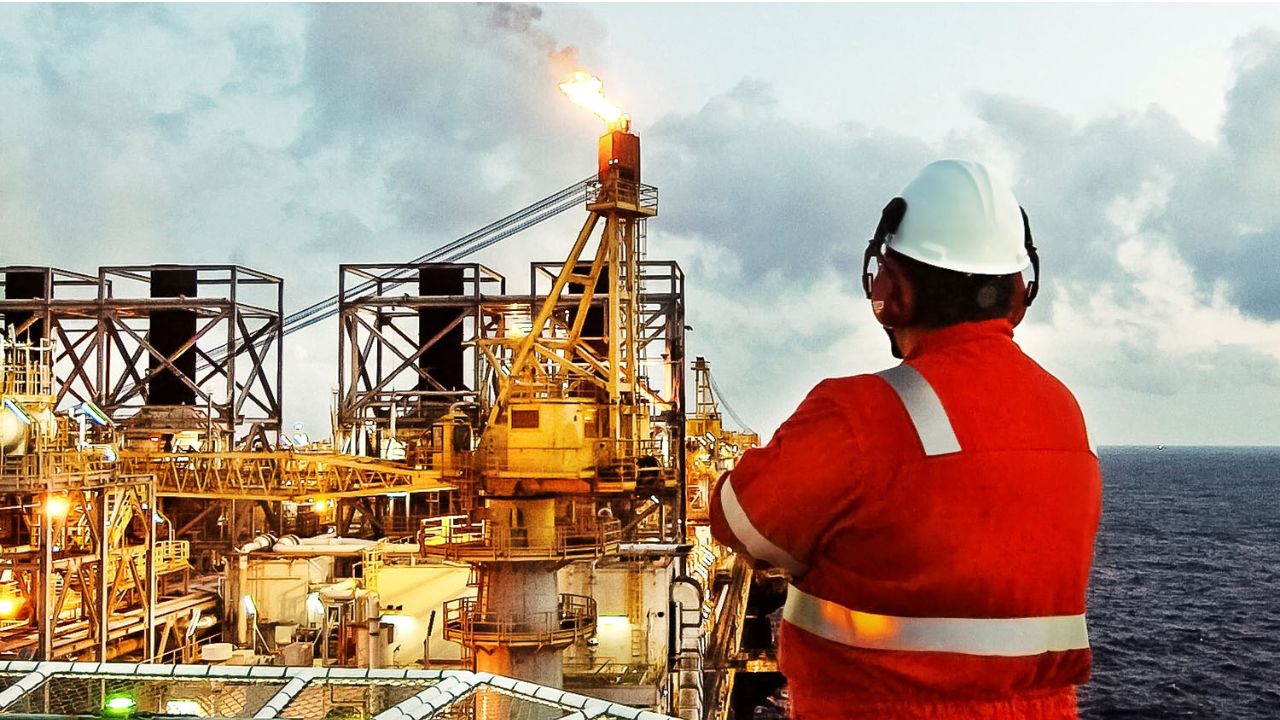
Petrobras Plans to Increase Gas Flow from the Pre-Salt to the Coast, Aiming to Reduce Input Costs for the Brazilian Industry and Strengthen the Competitiveness of the Sector.
Petrobras announced last Thursday (3) an investment package exceeding R$ 33 billion to expand the natural gas flow from the pre-salt to the Brazilian coast.
The strategy aims to lower the price of gas, especially for the industry, which has been facing high input costs. The announcement was made by the company’s president, Magda Chambriard, during a presentation in Rio de Janeiro.
The state-owned company intends to use the Rota 3 infrastructure, along with the Reduc refinery and petrochemical units in the metropolitan region of Rio, to enable this integration.
-
Brazilian giant expands borders in the Southeast: Petrobras confirms new oil discovery in ultra-deep waters in the pre-salt of the Campos Basin.

-
Alert in the global energy market: Severe tropical cyclone hits the coast and disrupts gas production at major plants in Australia, threatening global supply.

-
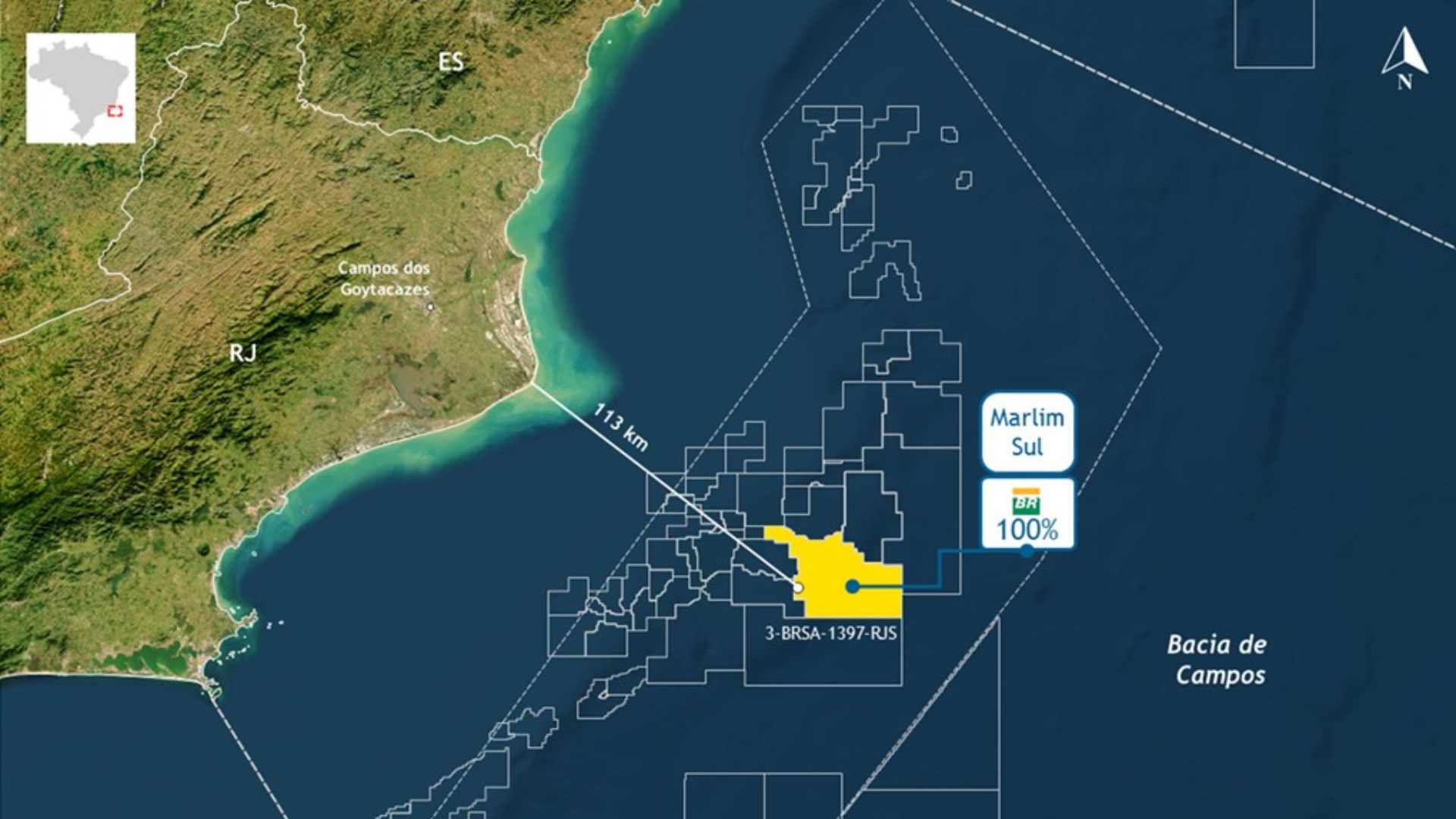
Petrobras finds high-quality oil in the pre-salt at 113 km from RJ and reignites expectations about strategic reserves in the Campos Basin.

-
Ocyan opens registrations for startups focused on innovation in the oil and gas sector and will select projects for Innovation Day with the support of Nexio.


“The more gas we can bring to the coast, the cheaper this gas will be for society,” said Chambriard.
Pre-Salt Gas Is a Priority to Reduce Costs and Boost the Industry
According to Petrobras’ president, the gas extracted from the pre-salt travels hundreds of kilometers before reaching the mainland.
This distance increases logistical costs and, consequently, the final price of the product. To address this reality, new platforms are being designed with a focus on the direct flow of gas.
An example is Búzios 12, a floating production platform that will serve as a gas hub, concentrating volumes before transporting them to the coast.
“We are working very hard to ensure this gas arrives in larger volumes because, in fact, the larger the volume that arrives, the cheaper it will also be,” explained the executive.
Gas Price Is an Obstacle to Industrial Competitiveness
The cost of natural gas in Brazil is one of the main complaints from entrepreneurs. A recent study by the National Confederation of Industry (CNI) indicated that the price can be up to ten times higher than in the United States.
Less than a month ago, the Minister of Mines and Energy, Alexandre Silveira, highlighted the urgency of reducing gas prices to boost national reindustrialization.
“It is essential to balance the business force with the understanding of Brazil’s needs,” he stated.
Petrobras Price Policy Aims for Accessibility
Magda Chambriard reiterated that Petrobras is committed to providing natural gas at fairer prices.
She highlighted the policy of localizing prices, which takes into account local production costs and the state company’s participation in the domestic market, seeking stability against fluctuations in the international market.
“Petrobras is a great partner of Brazilian society, and just like with liquid fuels, we are always looking to localize prices,” she said.
The president noted that Brazil imports gas from neighboring countries, such as Argentina and Bolivia, but the challenge lies in making prices accessible, not in supply.
“The problem is bringing gas to Brazil at accessible prices for the Brazilian industry,” she emphasized.
Additionally, Petrobras is working in partnership with the Colombian state company Ecopetrol, exploring gas fields in Colombia. However, there are still no guarantees about the feasibility of bringing this gas to the Brazilian market.








Seja o primeiro a reagir!