





 English
  Francês
  Alemão
  Italiano
  Japonês
  Norueguês
  Portuguese
  Spanish
  3 min of reading


With The Four New Drilling Rigs, Petrobras Will Reach 22 Offshore Units in Operation in Campos and Santos Basins by September This Year
Petrobras announced yesterday (05/17) in a material fact through a press release that it plans to receive a total of four drilling rigs this year to intensify exploratory and production development activities in the Campos, Espírito Santo, and Santos basins.
Read Also
- Gasoline Price Exceeds R$ 6 and Ethanol Nearly Reaches R$ 5 at Gas Stations, Punching Consumers’ Wallets
- Brazilian Oil Company Ipiranga Opens Selection Process for Recent Graduates; Job Vacancies in RJ with Hiring in July!
- Pipelines, Scaffolding, and Valves Fly Through the Air Following Explosion at Petrobras Refinery in Bahia
- Oil Rises Last Friday (05/14) and Petrobras Is Expected to Further Increase Gasoline and Diesel Prices; Ethanol Gains Advantage and Price Is Expected to Drop at Mills
- Aker Solutions Worker Died Yesterday (05/18) After Falling Ill Onboard a Petrobras Platform in the Campos Basin
With the four new vessels, Petrobras will have received 15 rigs since 2019 and will reach a fleet of 22 offshore units in operation by September this year.
According to Petrobras, this year has already seen the incorporation of the drillship NS-45 (Brava Star) in March and the semisubmersible SS-75 (Ocean Courage) in May. Both are already operating in the prospecting of new oil fields during exploratory campaigns in Campos, Santos, and Espírito Santo.
-
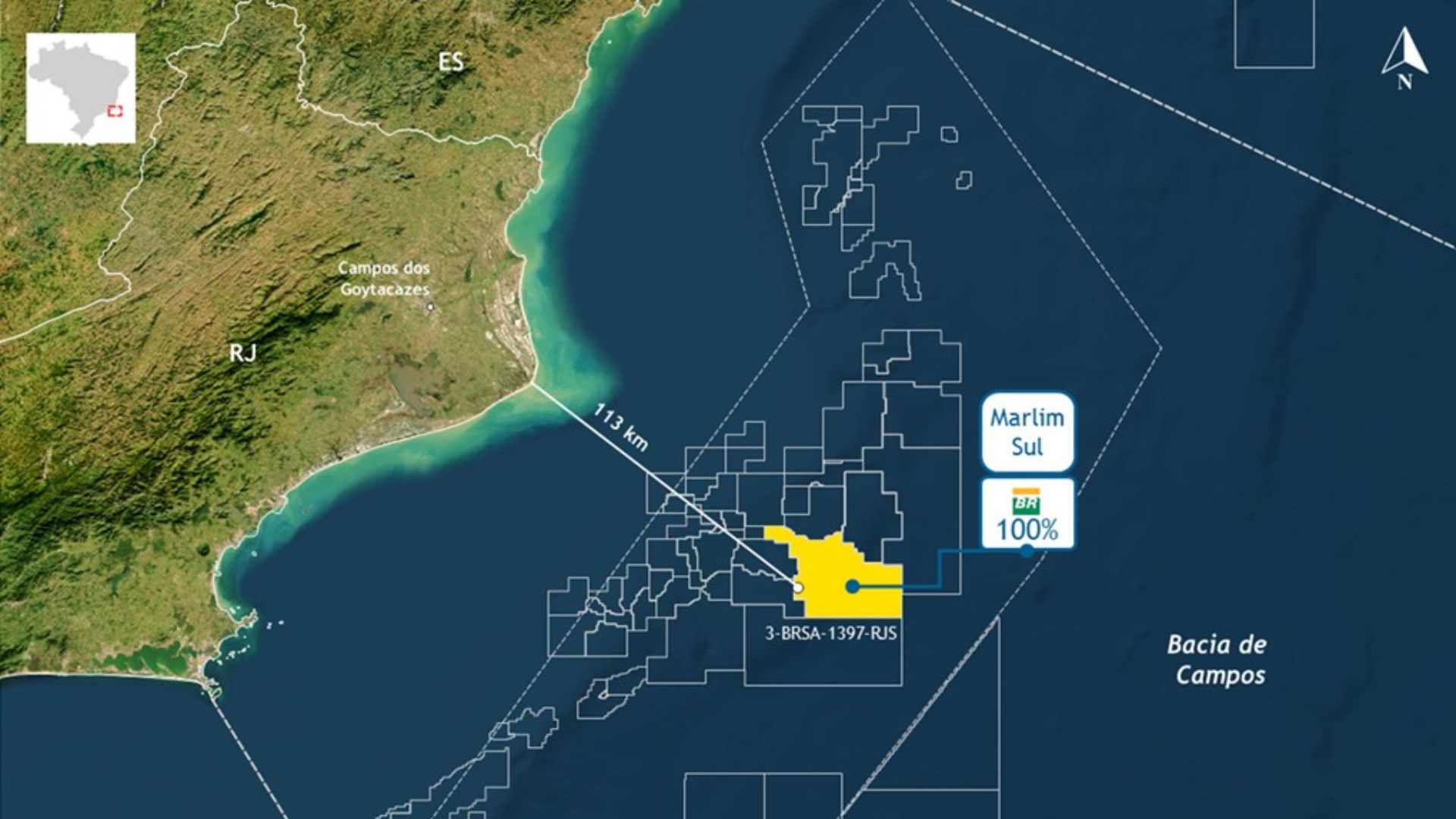
Petrobras finds high-quality oil in the pre-salt at 113 km from RJ and reignites expectations about strategic reserves in the Campos Basin.

-
Ocyan opens registrations for startups focused on innovation in the oil and gas sector and will select projects for Innovation Day with the support of Nexio.

-
Petrobras announces new oil discovery in the pre-salt of the Campos Basin and reinforces Brazil’s prominence with high-quality reserves that can increase production and energy revenues.
-
Alert in the fuel market: Analysts and a former director of ANP warn that oil prices may worsen in the coming months due to global instability.

By September, the drillship NS-32 (Norbe VIII) is scheduled to enter into operation for the Libra consortium, and the monocolumn SS-91 (Developer) for Petrobras’s exclusive projects in the Campos and Santos basins.
Petrobras Did Not Provide Details on the Locations Where the Rigs Would Operate
Petrobras did not provide further details on the locations where the drilling rigs would operate.
Last week, the Executive Director of Exploration and Production, Fernando Borges, pointed out in a conference with analysts and investors that the Libra consortium is still exploring the Central area of the Libra block in the pre-salt Santos Basin, after returning the Southeast part of the asset due to low potential.
The Libra block, the first offered in a production sharing auction in 2013, has so far led to the Mero field, the third largest producer in the pre-salt region.
Learn How a Drilling Rig Works
Equipped with the latest offshore drilling technologies, the new units have the capacity to operate in water depths of up to 3,000 meters, drilling wells up to 10,000 meters deep. To enable this, they are equipped with a system for generating 50 MW of power, sufficient to supply a city of 100,000 inhabitants – such as São Pedro da Aldeia, RJ.
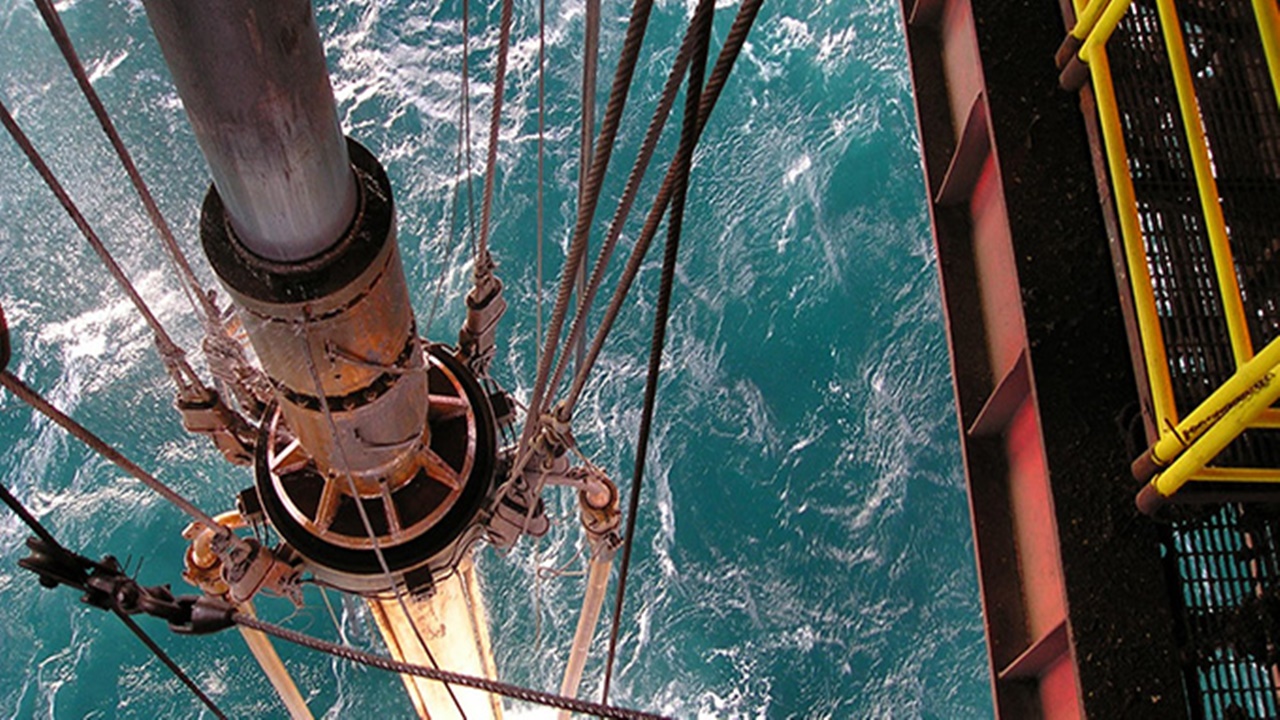
The drilling tower is located at the center of the unit, and through an opening in the hull (moonpool), the column and drilling equipment extend down to the seabed, from where the well is drilled to reach the oil reservoir. The main tower of these vessels rises 90 meters above sea level, equivalent to a 32-story building, and has the capacity to lift 900 tons of load, equivalent to the weight of 5 Boeing 747s. The length of the drillship is 230 meters, which is twice the height of Petrobras’s Headquarters Building (Edise).
Offshore drilling rigs are designed to drill underwater wells with the advantage of storing large quantities of materials (pipes, equipment, liquids, and bulk) and operate without the support of service or support vessels.









Seja o primeiro a reagir!