





 English
  Francês
  Alemão
  Italiano
  Japonês
  Norueguês
  Portuguese
  Spanish
  5 min of reading
  0 comments


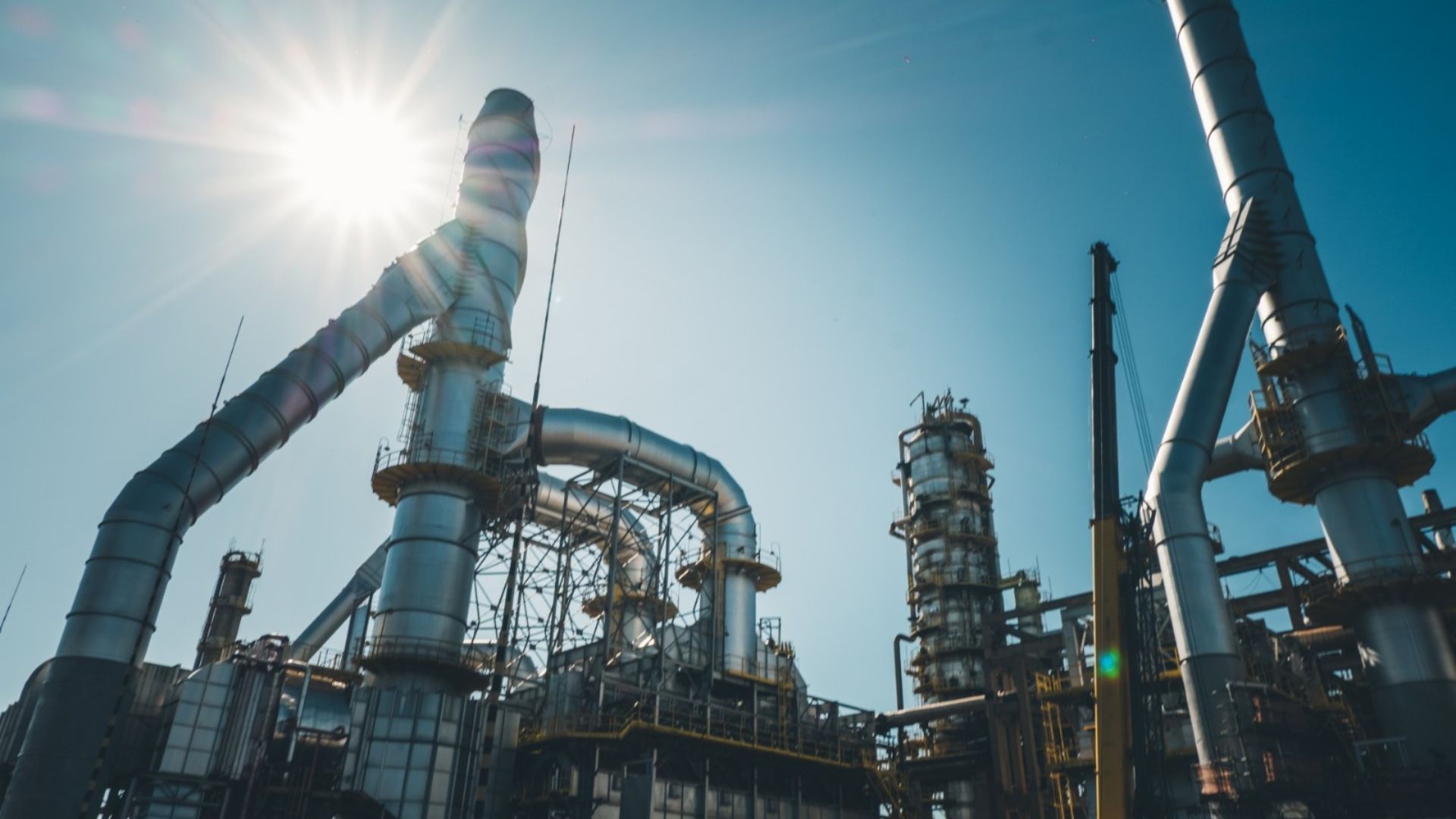
Petrobras Registers Significant Advances in Refining, Increases Supply of Diesel S-10, and Expands Production of Clean Fuels, with Operational Gains, Environmental Benefits, and Greater Energy Security in Brazil
Petrobras operates with high efficiency, expands its refining capacity, and consistently increases the production of clean fuels, especially diesel S-10, reinforcing its energy leadership and commitment to sustainability in Brazil. The information is based on official data released by the company this Wednesday (22), detailing operational performance between 2023 and 2025 and projected investments for 2026 and the coming years.
Petrobras Achieves High Operational Efficiency in Refining
Right from the start, the numbers highlight the extent of the advancements. Petrobras’ refineries recorded an average Utilization Factor (UF) of 92% between 2023 and 2025, up from 88% observed in 2022.
During this same period, the average production of derivatives grew by 3%, while the production capacity of diesel S-10 increased by more than 20%, with an addition of 138 thousand barrels per day. The results reflect structural gains in efficiency, reliability, and environmental quality, strategically positioning the company in the energy market.
-
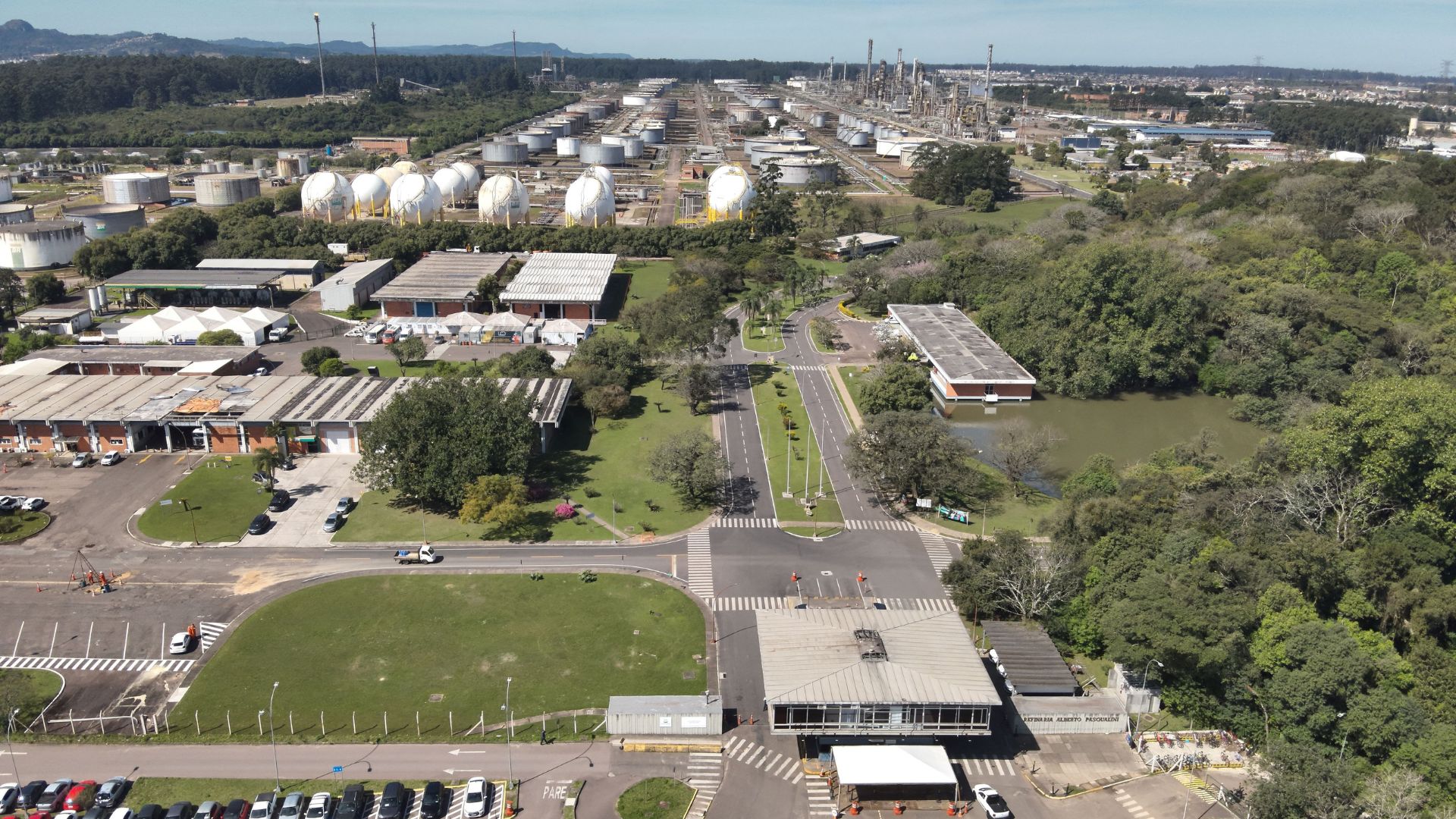
Petrobras’ Refap Sets Historic Records for Gasoline and S-10 Diesel Production in Canoas in Q4 2025, Surpassing Previous Figures
-
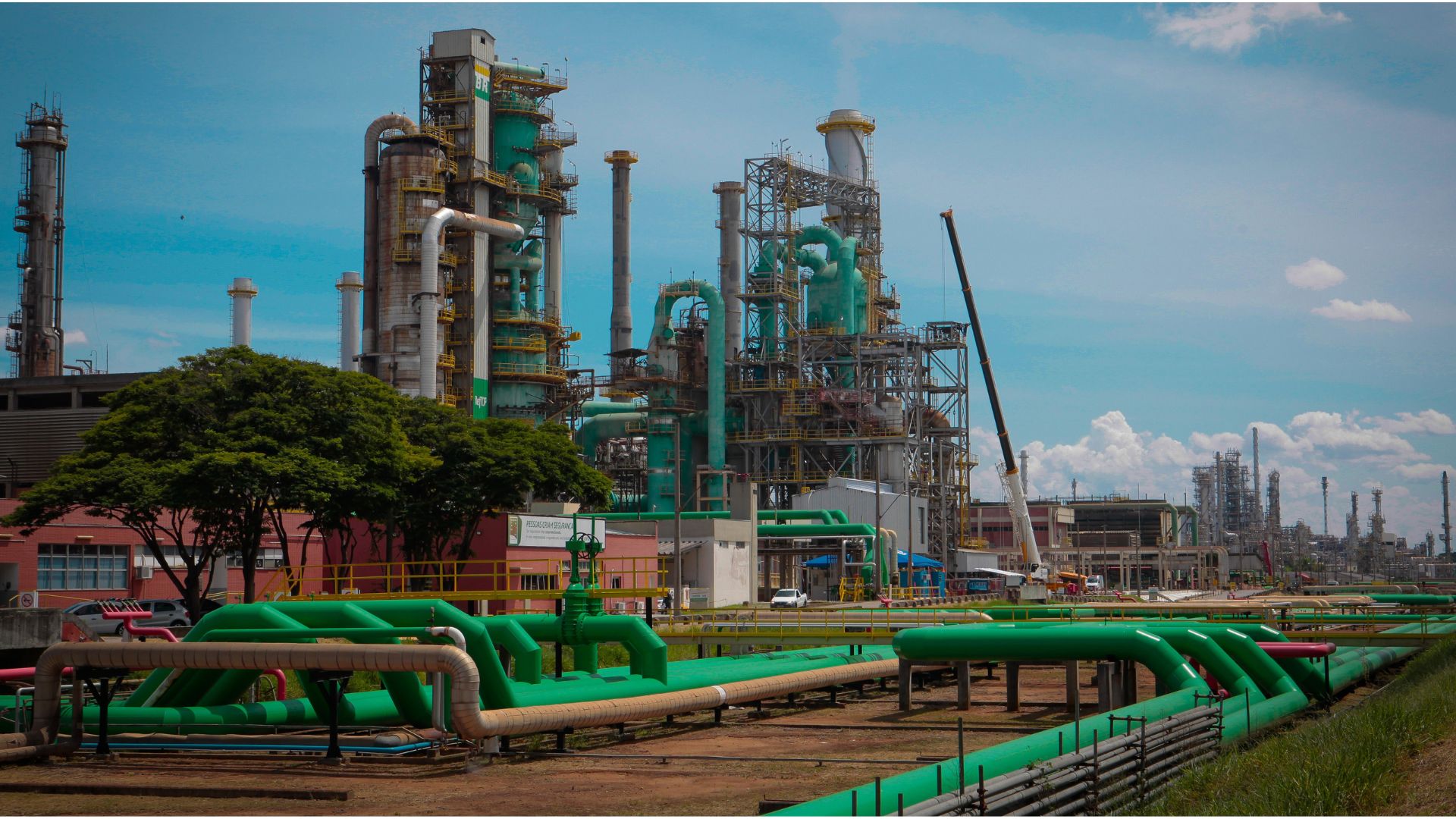
Revap Starts Operation of Modernized HDT and Petrobras Expands S-10 Diesel Production by 80% at the Refinery, Boosting Supply of Less Polluting Fuel in Brazil
-
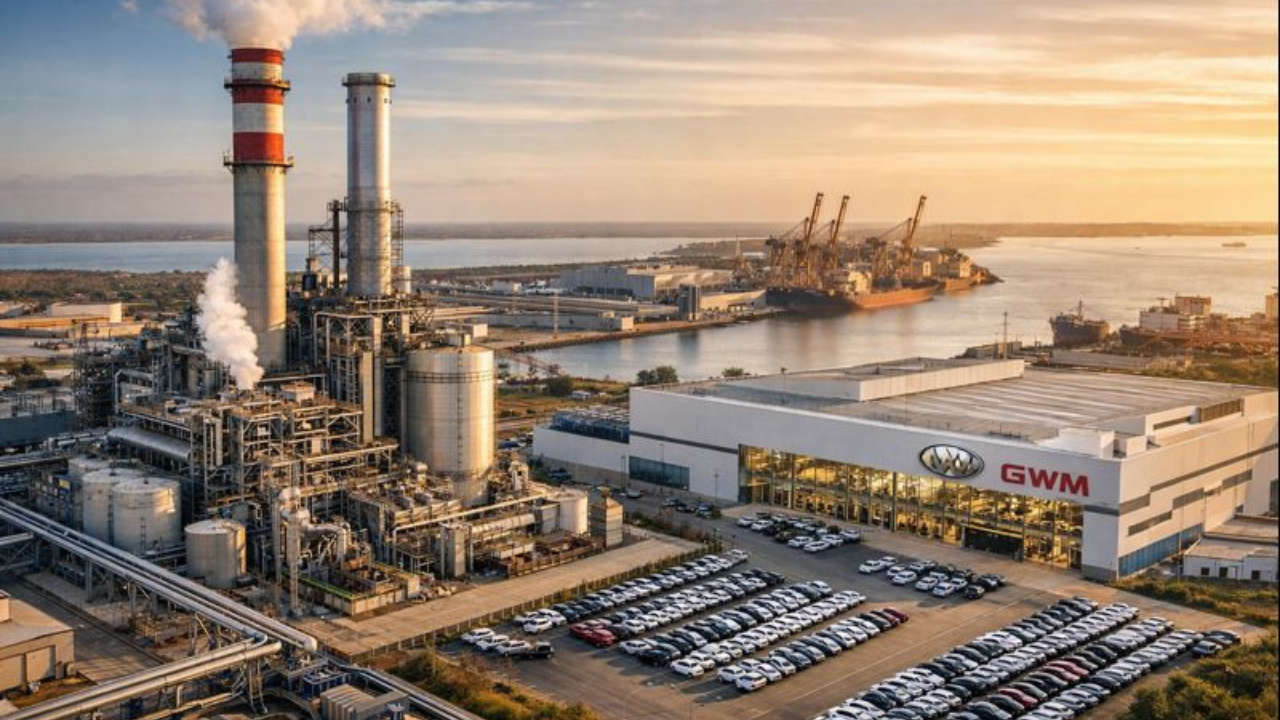
Thermal Power Plant in Rio Grande do Sul Is Key to Attracting GWM
-
Petrobras Refinery (Refap) Sets New Record: Production of 274.8 Million Liters of S-10 Diesel in November Boosts Supply of Clean Fuels
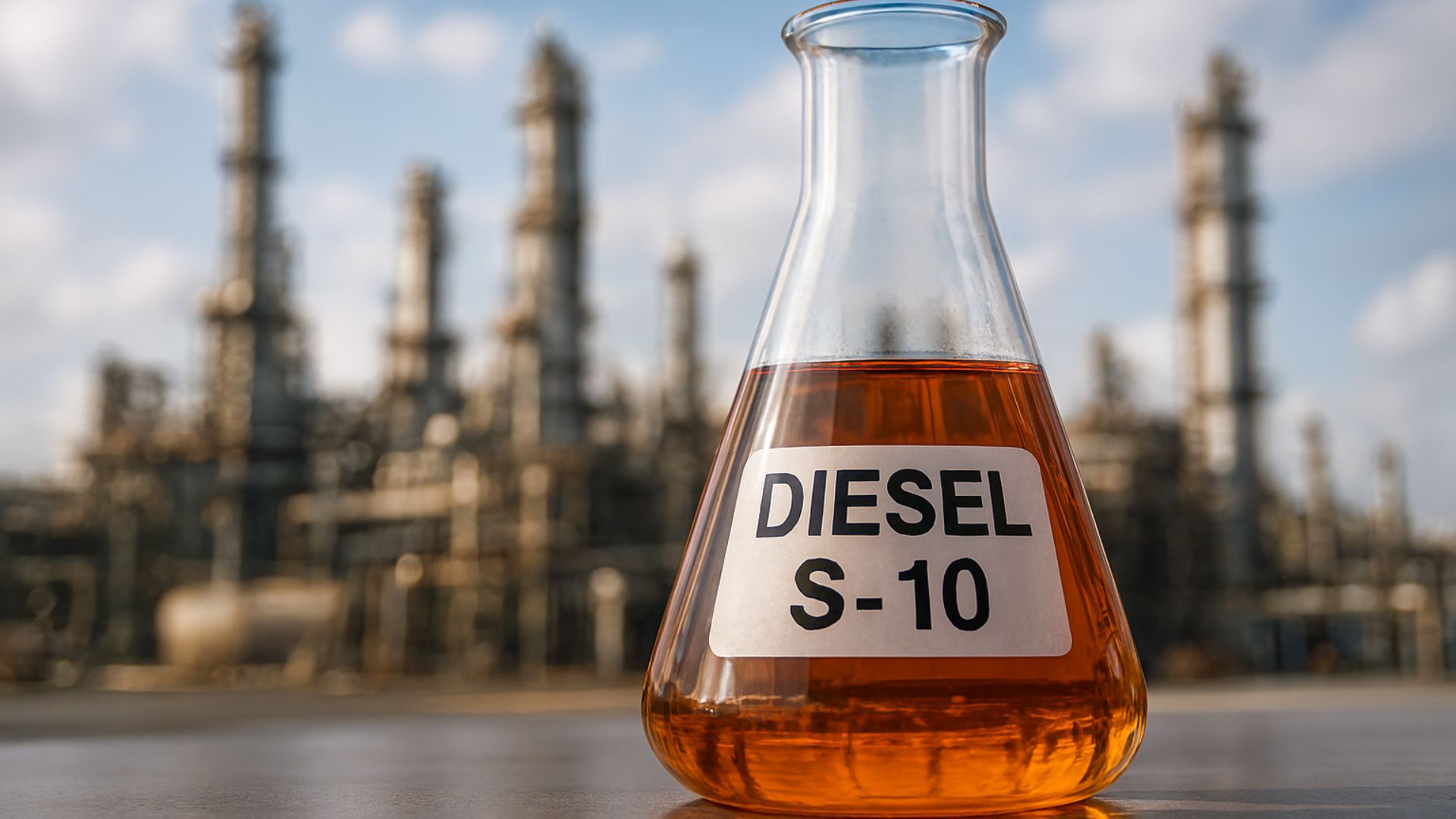

Operational efficiency has become one of the main competitive differentiators of Petrobras. The recent performance of the refining sector demonstrates that the company has managed to extract more value from its industrial assets through targeted investments, technological modernization, and process optimization.
Moreover, operating with a high UF indicates greater operational predictability and reduced unscheduled outages. More efficient refineries mean greater supply of derivatives, lower unit costs, and increased energy security for the country. Thus, Petrobras consolidates its position as the leading player in national refining.
Expansion of Refining and Increased Supply of Clean Fuels
The expansion of refining capacity was decisive in increasing the production of clean fuels, especially diesel S-10. Projects executed at the Reduc, Replan, Revap, and Rnest refineries allowed for a rise in the production of this fuel with lower sulfur content, essential for reducing atmospheric emissions.
As a result, the increase in the supply of diesel S-10 reduces dependence on imports and contributes to improved air quality. This is an environmental advancement with a direct impact on public health and the competitiveness of the Brazilian economy, especially in the transportation and logistics sectors.
Diesel S-10 Drives Records in Derivative Production
The gains in efficiency and capacity were reflected in successive records. Between 2023 and 2025, the average production of diesel grew by 3.1%, while gasoline production advanced by 9.3%. During this period, Petrobras achieved historical averages of 452 thousand barrels per day of diesel S-10 and 419 thousand barrels per day of gasoline.
In addition to the total volumes, several refineries recorded individual operational records. These results confirm Petrobras’ ability to combine scale, efficiency, and quality, maintaining a focus on clean fuels and meeting domestic market demands.
Investments Expand Refining Capacity Until 2026
The projects implemented between 2023 and 2025 increased the capacity for processing oil by approximately 48 thousand barrels per day, particularly at Rnest and RPBC. For 2026, new expansions are planned at Replan and Revap, which should add another 44 thousand barrels per day.
Furthermore, the advancement of the Trem 2 project at Rnest will enhance capacity by up to 130 thousand barrels per day. These investments reinforce the strategic role of refining for national energy security, while sustaining the expansion of diesel S-10 and other derivatives.
Biorefining Strengthens the Production of Clean Fuels
Biorefining occupies a central position in Petrobras’ strategy for diversifying the energy matrix. The refineries are already adapted for the production of diesel R, with an approximate capacity of 74 thousand cubic meters per month. Currently, the company sells diesel R5, used by public transport companies in Araucária, Paraná.
Additionally, tests conducted allowed for the production of diesel R10, used to fuel buses and generators during COP30, held in Brazil in 2025. These initiatives position Petrobras as a national standout in clean fuels, aligning technological innovation with emission reduction.


Advances in SAF and Renewable Fuels in Refining
In the aviation segment, Petrobras has made progress in adapting refineries for the production of SAF through co-processing. Starting in 2027, airlines operating in Brazil will be able to use this fuel, as provided by the Future Fuels Law and the Corsia program guidelines from ICAO.
At the same time, the company is conducting a bidding process to establish the first plant dedicated to the production of 100% renewable fuels at the Presidente Bernardes Refinery in Cubatão, with a capacity of 15 thousand barrels per day. The project represents a milestone for sustainable refining in the country.
First Brazilian Refinery with 100% Renewable Feedstock
By the end of the first quarter of 2026, Petrobras will begin operating the Riograndense Refinery as the country’s first unit with 100% renewable feedstock. Also in 2026, construction will commence on a plant dedicated to renewable production at this refinery, with an additional capacity of 15 thousand barrels per day.
With this, biorefining ceases to be merely complementary and becomes structurally integrated into Petrobras’ portfolio. The increase in clean fuel supply strengthens the energy transition without compromising supply security.
More Natural Gas and Renewable Energy in Petrobras Operations
In addition to refining liquid derivatives, Petrobras has increased the supply of natural gas. Processing capacity grew by about 21 million cubic meters per day, driven by the start of operations of Rota 3 and the Treatment Unit of the Boaventura Energy Complex.
In the field of renewable generation, the company already operates the first photovoltaic plant integrated with refining, installed at Regap, with a capacity of 10 MW. New plants will begin operations at Rnest and Replan, raising total capacity to 42 MW. These initiatives directly contribute to the reduction of greenhouse gas emissions.
Strategy that Solidifies Petrobras’ Energy Leadership
The results achieved between 2023 and 2025 demonstrate that Petrobras has managed to advance simultaneously in efficiency, expansion of refining, and sustainability. The increase in production of diesel S-10, the strengthening of biorefining, and investments in renewable energy reinforce the company’s position as the leader in the Brazilian energy sector.
By increasing the supply of clean fuels, reducing dependence on imports, and investing in innovation, Petrobras contributes to the country’s energy security and to the construction of a more diversified and sustainable matrix. This is a strategy that generates economic, environmental, and social value, preparing Brazil for the challenges of the future energy landscape.








Seja o primeiro a reagir!