





 Português
  Inglês
  Espanhol
  4 min de leitura
  0 comentários


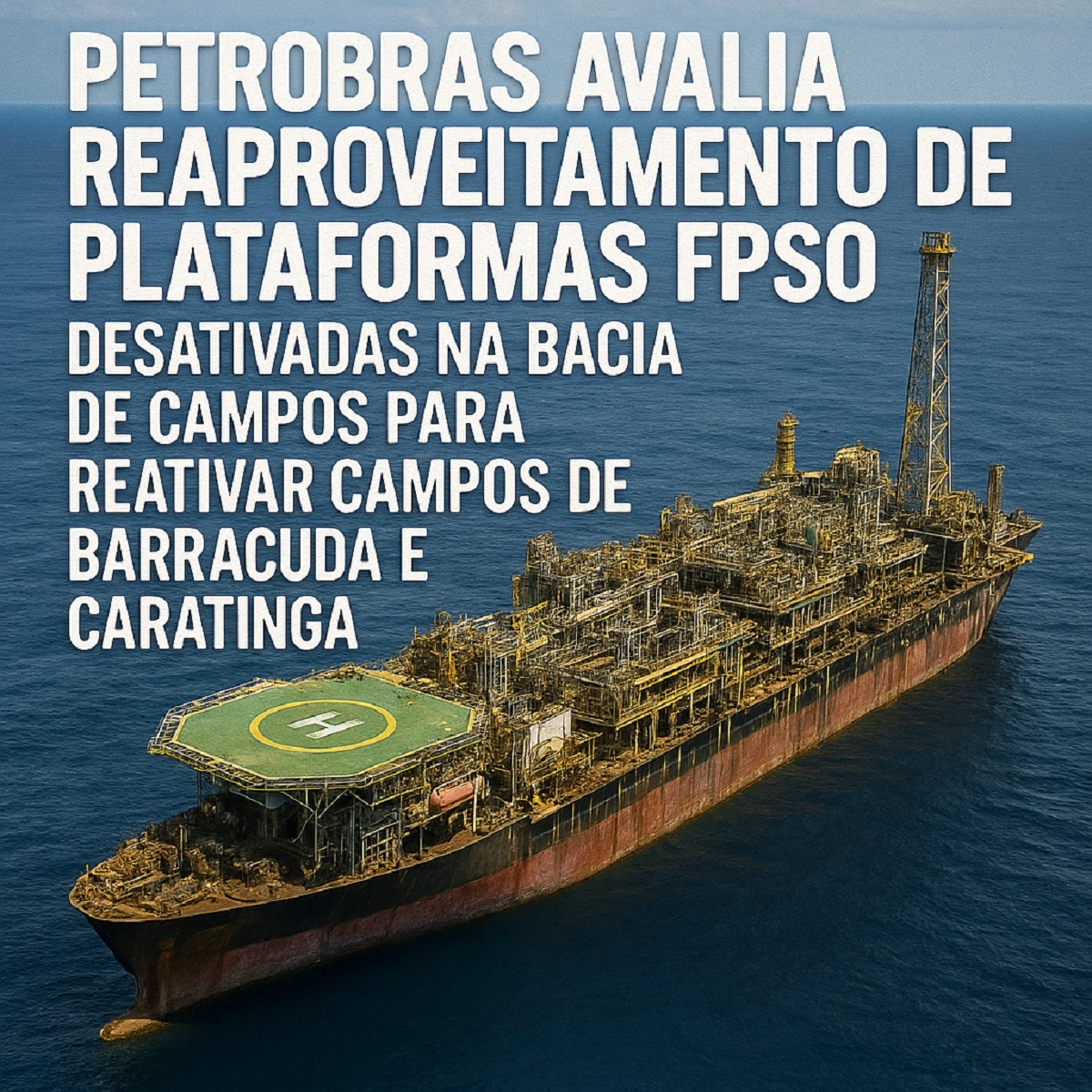
State-Owned Company Studies Technical And Financial Alternative To Resume Production In Mature Fields With Lower Cost And Environmental Impact
Facing the challenges of budget optimization in 2024, Petrobras has started to consider, as an alternative, the reuse of deactivated platforms, such as P-35 and P-37. The aim is to enable the resumption of oil production in the Barracuda and Caratinga fields, located in the Campos Basin, on the coast of Rio de Janeiro. This measure gained strength especially after the cancellation of the bidding for a new FPSO, announced in January 2024, since the costs of the only valid proposal exceeded the estimated value. According to information from the newspaper Valor Econômico, the Indian company Shapoorji Pallonji Energy presented values that, although technically feasible, were considered economically unfeasible by Petrobras.
Technical Alternative Emerged After Strategy Review In April 2024
With the interruption of the bidding process, the company then began to internally reassess alternatives that, in addition to being feasible, would allow for reduced investments without compromising operational continuity. Therefore, the possibility of adapting units already owned by the state-owned company was considered back in April 2024, as revealed by the newspaper O Globo. At the same time, technical studies indicated that the modernization process would take approximately six months. Subsequently, this estimate was confirmed by Petrobras’s engineering area in May of the same year. Although BOT (Build, Operate and Transfer) contracting models were evaluated, they were discarded, mainly because they involved greater contractual complexity and would also generate additional costs.
The Proposal Is In Line With The State-Owned Company’s Decommissioning Plan
Petrobras continues to implement its Strategic Plan 2024–2028, publicly presented in December 2023, which includes the planned deactivation of offshore units. Within this agenda, the state-owned company plans to invest US$ 9.9 billion by 2028, covering the decommissioning of ten platforms. In addition, the National Petroleum Agency (ANP) approved, in February 2024, financial guarantees amounting to R$ 72 billion to meet legal obligations in 127 fields. The reuse of own structures aims, therefore, to contribute to the balance between continuous production and environmental responsibility.
-
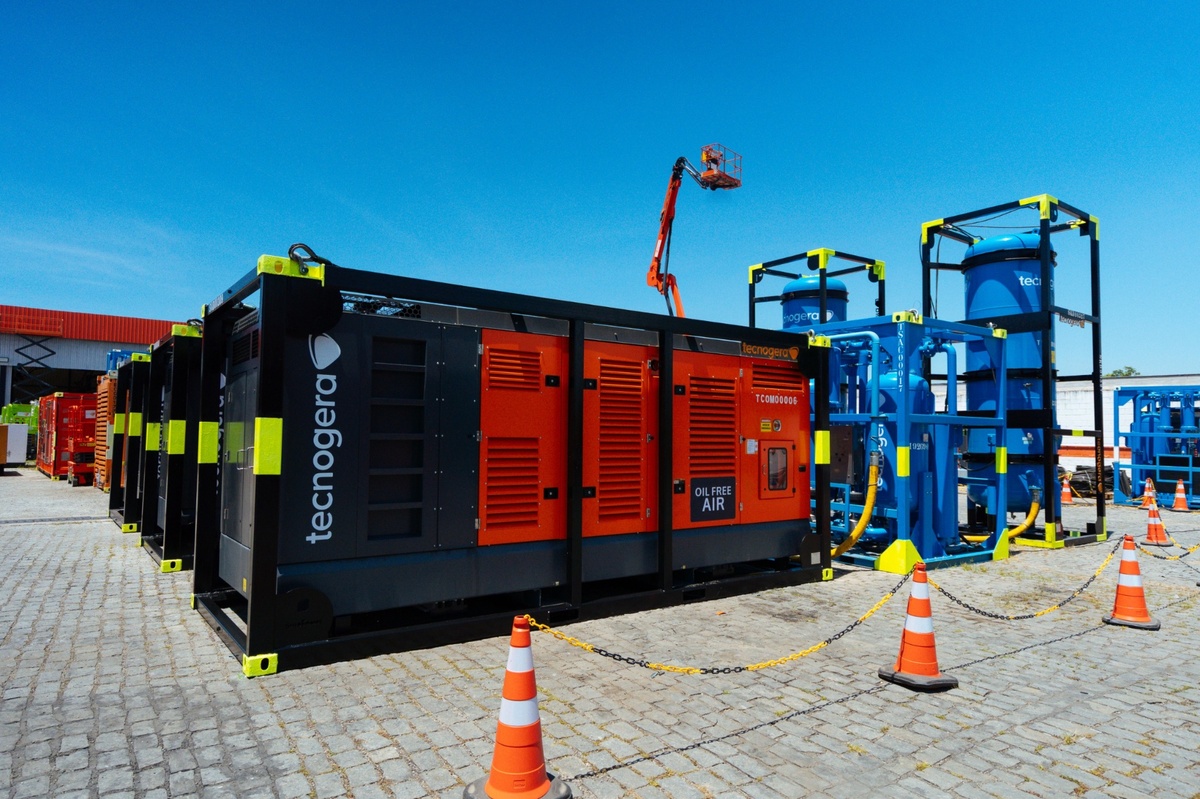
Offshore industrial demand in Macaé skyrockets with the recovery of oil and gas and could grow by up to 396% by 2026 in the Campos Basin.
-
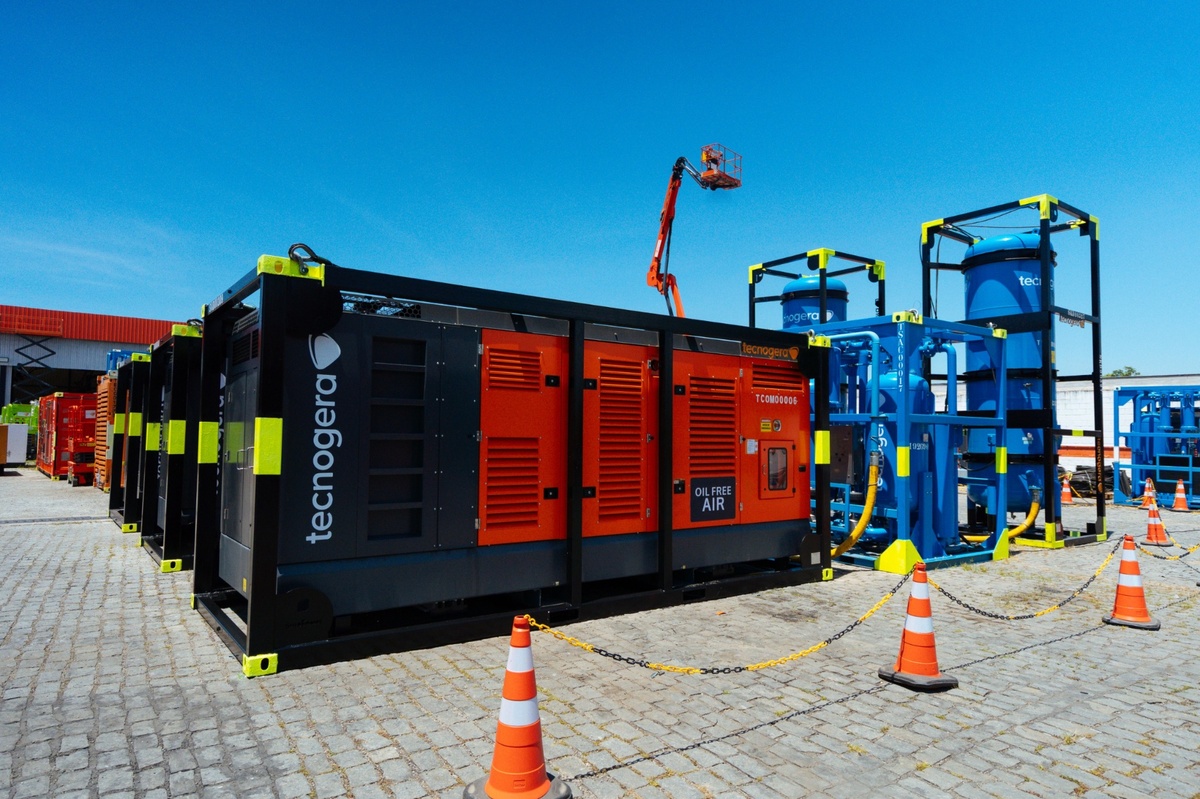
Offshore industrial demand in Macaé surges with the recovery of oil and gas and could grow by up to 396% by 2026 in the Campos Basin.
-
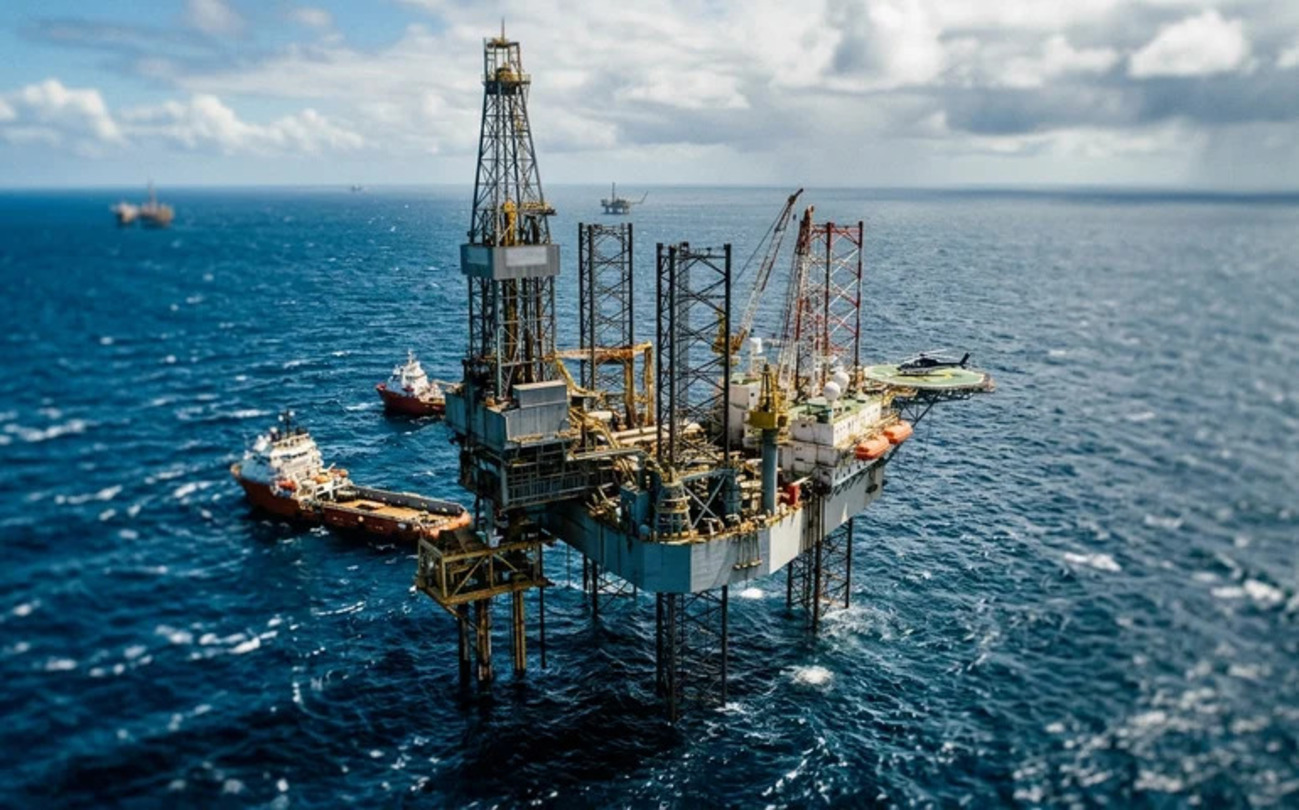
Brazilian giant expands borders in the Southeast: Petrobras confirms new oil discovery in ultra-deep waters in the pre-salt of the Campos Basin.
-
Alert in the global energy market: Severe tropical cyclone hits the coast and disrupts gas production at major plants in Australia, threatening global supply.

Technical And Financial Criteria Motivated The Cancellation Of The Bid
The bidding process, initiated in October 2023, aimed to charter a new FPSO for the fields in question. However, the company considered the only offer received from Shapoorji Pallonji incompatible with its budget, as confirmed in January 2024. After attempts at negotiation, the state-owned company announced the definitive termination of the process in February 2024, prioritizing its own and more economical solutions. The team officially communicated the decision to the press in March 2024, based on technical viability and cost criteria.
Operational Advantages Of Reuse Are Under Technical Evaluation
According to an internal technical note from Petrobras presented in April 2024, adapting the P-35 and P-37 platforms can bring direct operational benefits. Among the main points evaluated are the possibility of utilizing already decommissioned structures, reducing construction or chartering costs, decreasing the time required to resume operations, and mitigating environmental impact. The EPBR Agency reported that technical consultancies are monitoring the process and assessing the feasibility of the plan as part of the revitalization of the Campos Basin.
Context Of Production In Barracuda And Caratinga
The Barracuda and Caratinga fields, in operation since 2004, are among the most mature in the Campos Basin. According to data from ANP, these fields began to record a production decline in 2020, exacerbated by the technological lag of the platforms. With the resumption of operations scheduled for 2026, Petrobras expects to extend the productive longevity of the fields, enhance the national production of light oil, and ensure energy stability in the Southeast. This action is directly related to the revitalization plan of the Campos Basin, launched in 2022.
Sustainability Is Integrated Into The Operational Approach
As described in the Sustainability Report 2023, published in July of the same year, Petrobras has prioritized the responsible use of resources. The reuse of platforms contributes to reducing the environmental impacts associated with shipbuilding and the disposal of equipment. Measures like this represent advances in the environmental commitment of the Brazilian offshore industry.
Market Interprets Measure As Cautious And Strategic
Analyses published by XP Investimentos and BTG Pactual in April 2024 indicate that Petrobras is acting with budgetary responsibility by avoiding contracts with values outside the market. Reports from Wood Mackenzie add that the reuse of platforms is an increasingly common practice in mature fields. According to the consultancies, the decision reinforces the reputation of the state-owned company as an operator focused on technical efficiency and financial sustainability.
The Team Will Define The Timeline After Completing The Feasibility Studies
Petrobras stated that it will conclude the technical and economic studies by September 2025. If it approves the adaptation work, it will begin operations still in the same year, with the expectation of operations starting in 2026, according to a note from Agência Brasil. The state-owned company emphasizes that any progress will depend on feasibility analyses, regulatory compliance, and environmental licensing.










-

Uma pessoa reagiu a isso.