





 Português
  Inglês
  Espanhol
  3 min de leitura
  0 comentários


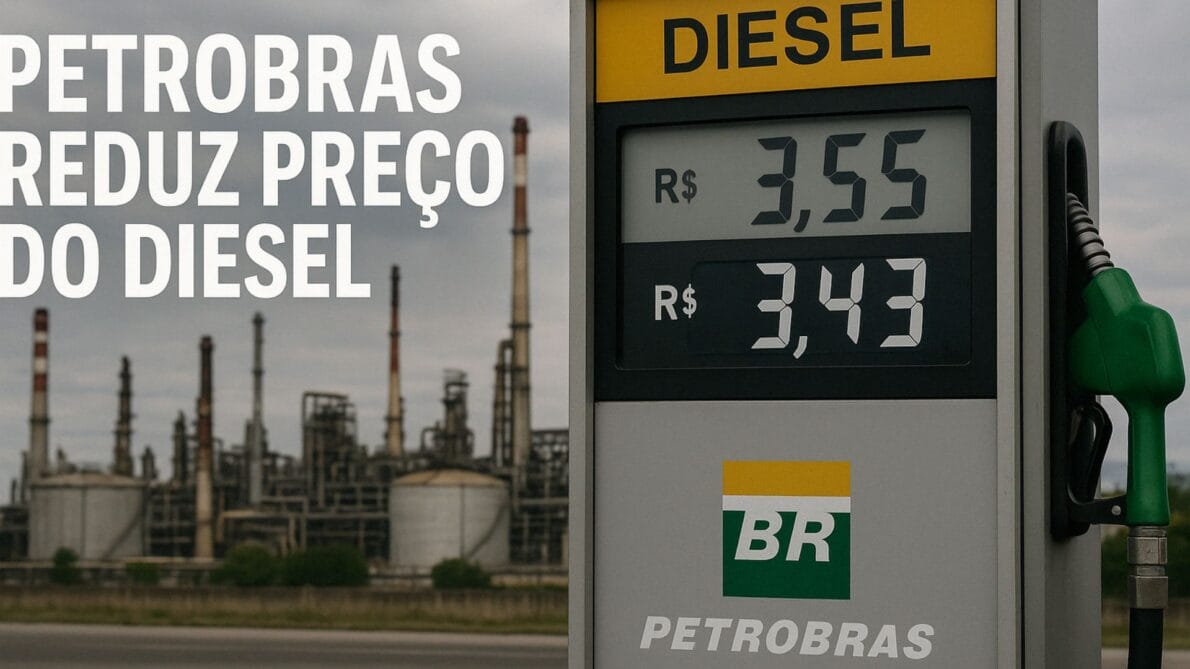
Reduction Reflects International Oil Price Drop and Market Pressures; Fuel Price at Pumps Still Depends on Other Factors.
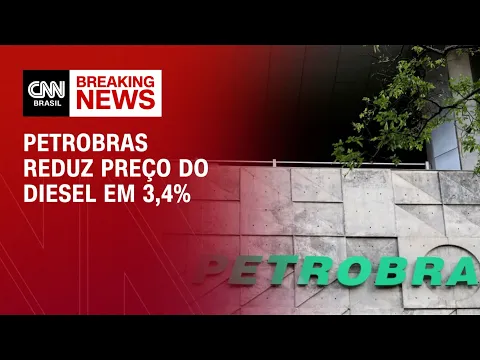
Petrobras announced on Thursday (17) a new reduction in the price of diesel sold to refineries. Starting Friday (18), the price per liter of the fuel will drop to an average of R$ 3.43 for distributors. The cut represents a reduction of R$ 0.12 per liter, equivalent to 3.38%.
This is the second drop promoted by Petrobras in less than 20 days and comes amid the recent depreciation of the oil barrel in the international market. However, the measure only affects the amount passed on by the state-owned company to distributors. The price of fuel to the end consumer will still depend on other factors, such as taxes, profit margins, and the percentage of biodiesel mix.
Accumulated Reduction Since 2022 Exceeds R$ 1 Per Liter
Since the end of 2022, Petrobras has accumulated a reduction of R$ 1.06 per liter in the price of diesel for distributors. Considering inflation during this period, the real drop in value reaches R$ 1.59 per liter, representing a cut of 31.7%.
-
Offshore industrial demand in Macaé skyrockets with the recovery of oil and gas and could grow by up to 396% by 2026 in the Campos Basin.
-
Offshore industrial demand in Macaé surges with the recovery of oil and gas and could grow by up to 396% by 2026 in the Campos Basin.
-
Brazilian giant expands borders in the Southeast: Petrobras confirms new oil discovery in ultra-deep waters in the pre-salt of the Campos Basin.

-
Alert in the global energy market: Severe tropical cyclone hits the coast and disrupts gas production at major plants in Australia, threatening global supply.


According to the composition of diesel sold at gas stations, which currently consists of 86% diesel A and 14% biodiesel, Petrobras’s share in the final price to consumers will be approximately R$ 2.95 per liter. This means a drop of R$ 0.10 per liter in the price of diesel B, as the final product distributed at the pumps is known.

Conservative Cut Amid Uncertain International Scenario
In an interview with Reuters, Eduardo Oliveira de Melo, managing partner of Raion Consultoria, stated that the cut announced by Petrobras was a conservative move, considering the current instability of the global energy market.
“In our calculations, we saw a measured potential of up to 30 cents (of cut), so they made the move of 12 cents, which is practically in the middle,” said Melo.
He added that the price of Brent crude oil is already showing signs of recovery, which may have influenced the state-owned company’s decision not to implement a more aggressive reduction in fuel prices.
Petrobras Monitors Market and Participates in Decisions with Social Focus
The president of Petrobras, Magda Chambriard, recently stated that the company constantly monitors the market conditions, including the behavior of Brent crude and the exchange rate, when making decisions about fuel prices. She emphasized that the state-owned company also considers market share and the impacts on Brazilian society.
This new reduction follows the previous cut made on March 31, when the price of diesel was reduced by R$ 0.17 per liter (or 4.6%). At that time, it was the first cut since December 2023. Prior to that, in February, Petrobras had raised the price of fossil fuel by 6%.
Drop in Oil Relates to International Trade Tensions
The recent drop in oil prices is linked to movements in the financial market in response to trade policies from the United States. The price of Brent crude fell from US$ 75 to about US$ 65 after measures taken by former President Donald Trump in early April, including the imposition of tariffs and trade restrictions on partners like Mexico and Canada.
According to analysts, the fear of a global economic recession—generated by this new policy—put pressure on oil prices. The possible contraction in global demand for fuels has directly influenced Petrobras’s decisions regarding the price of diesel.
Transfer to Stations Is Not Immediate
Despite the drop announced by Petrobras, consumers may not perceive the reduction in fuel prices at the pumps immediately. This is because the final price depends on variables such as state and federal taxes, the cost of biodiesel, distribution and resale margins, as well as the stock of fuels previously purchased at higher prices.
The time for the transfer to consumers may vary depending on the location, dynamics of the regional market, and policies adopted by gas stations.
Source: ISTOÉ and Agência Brasil










Seja o primeiro a reagir!