





 English
  Francês
  Alemão
  Italiano
  Japonês
  Norueguês
  Portuguese
  Spanish
 5 min of reading
  0 comments


Petrobras Was Designated to Store and Treat Millions of Liters of Seized Fuels from Refit, Reinforcing Its Strategic Role in the National Energy Sector
A Petrobras was officially designated as responsible for storing and treating approximately 200 million liters of seized fuels from the Refit refinery in a national operation conducted by the Federal Revenue Service.
According to a report published by Money Times this Thursday (13), the action represents a milestone in the management of irregular assets and environmental protection, as well as reinforcing the role of the state-owned company in regulating the Brazilian energy sector.
National Operation of the Federal Revenue Service Seizes Fuels from Refit
The seizure of the fuels occurred during a Federal Revenue Service inspection operation, which resulted in the closure of Refit, a private refinery located in Rio de Janeiro. The company was responsible for supplying approximately 10% of the fuel market in São Paulo and 20% in Rio de Janeiro, highlighting the impact of the action on the supply chain.
-
Petrobras Expands Refining in Brazil, Increases Production of Diesel S-10 and Gasoline, Enhances Operational Efficiency, and Reduces Import Dependence Between 2023 and 2025

-
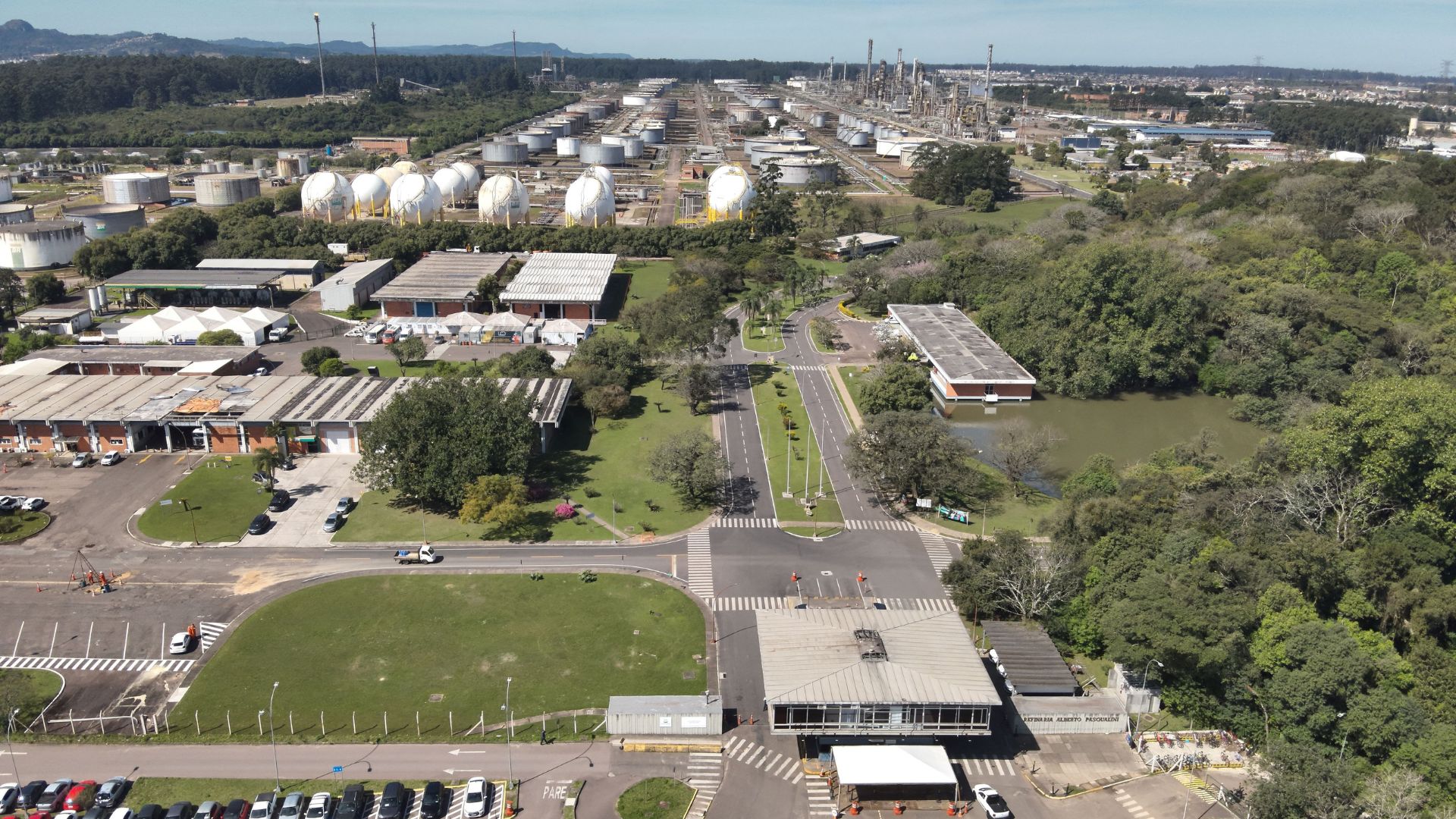
Petrobras’ Refap Sets Historic Records for Gasoline and S-10 Diesel Production in Canoas in Q4 2025, Surpassing Previous Figures
-
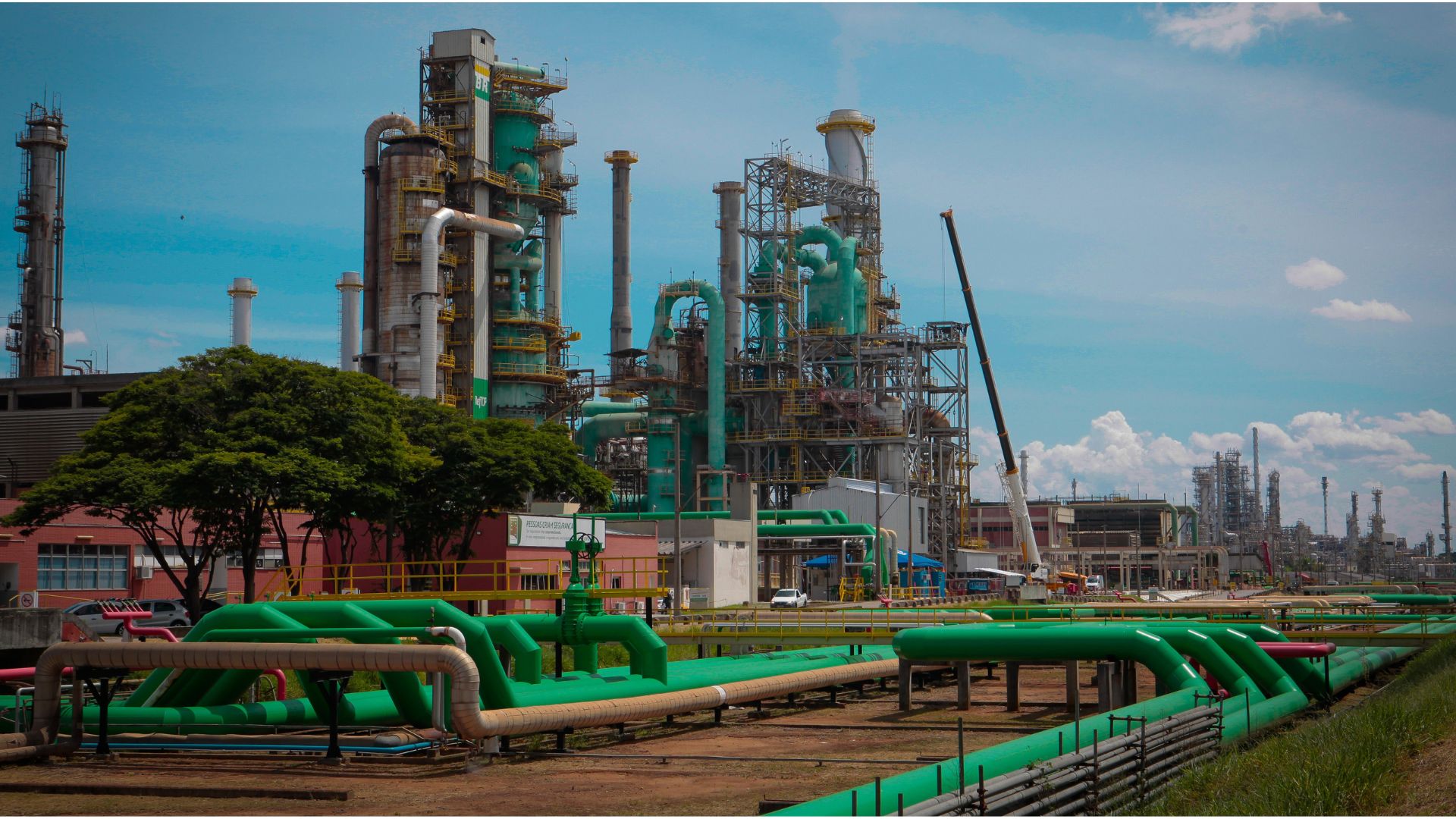
Revap Starts Operation of Modernized HDT and Petrobras Expands S-10 Diesel Production by 80% at the Refinery, Boosting Supply of Less Polluting Fuel in Brazil
-
Thermal Power Plant in Rio Grande do Sul Is Key to Attracting GWM


According to the Legal Fuel Institute (ICL), the seized products were imported and were in an irregular situation. The operation aimed to combat tax fraud and illegal practices in the sector, such as the sale of fuels not in compliance with the standards of the National Agency of Petroleum (ANP).
Petrobras Takes Responsibility for Storage and Treatment
Petrobras was chosen as the custodian of the fuels due to its robust infrastructure and technical capacity to properly treat the products. The responsibilities of the state-owned company include:
- Transporting fuels from ships to secure units.
- Analyzing the quality and composition of the products.
- Storing in appropriate tanks.
- Disposing in accordance with environmental and regulatory standards.
Avoiding the improper disposal of millions of liters of fuels is essential to preserving the environment and ensuring public safety.
The fuels were stored on four ships — three docked at the Port of Rio de Janeiro and one at the Port of Santos. Petrobras confirmed to Reuters that it has already begun the logistical procedures to take custody of the products.
Economic Impacts of Proper Disposal with Petrobras
The proper disposal of the seized fuels is crucial to avoid risks such as:
- Soil and water contamination.
- Emission of toxic gases.
- Logistic accidents involving flammable products.
Furthermore, the operation represents significant savings for the State, which avoids costs related to disposal and potential environmental fines. Petrobras, in turn, reinforces its image as a responsible agent committed to sustainability.
Refit: History of Irregularities and Consequences of the Closure
Refit has been involved in other investigations for suspected tax evasion and the sale of fuels not meeting ANP’s required standards. The current closure results from identified irregularities in the import and storage of products.
With the halt of Refit’s activities, the market faces:
- Reduction in the regional fuel supply.
- Reorganization of the distribution chain.
- Increased demand for products from Petrobras and other compliant refineries.
The operation strengthens the fight against illegality and enhances the regulation of the sector.
Federal Revenue Service and Legal Fuel Institute: Strategic Partnership
The Federal Revenue Service has intensified actions against fraud in the fuel sector, which moves billions of reais annually. The partnership with the Legal Fuel Institute allows:
- Identification of companies qualified to store seized products.
- Ensuring environmental compliance.
- Reducing economic losses and public health risks.
Cooperation between public agencies and private entities is essential for efficient governance of resources.
This collaboration between the Federal Revenue Service and ICL was decisive in defining the disposal of the seized fuels, preventing the products from being improperly discarded or remaining in a risky situation.
Petrobras’ Logistics for Dealing with Seized Fuels
Petrobras has already initiated procedures to receive the fuels, which involve a complex logistical operation. The state-owned company is expected to conduct:
- Technical inspection of the ships and tanks.
- Land and sea transportation to storage units.
- Evaluation of the possibility of reusing the products.
The state-owned company will also need to follow strict safety and environmental control protocols, as required by Brazilian legislation. It is expected that part of the fuels may be reused in industrial processes, while another part will be disposed of safely.
Relevance of the Action for the Fuel Sector
The appointment of Petrobras as the custodian of the seized fuels from Refit represents a step forward in managing irregular assets in Brazil. The Federal Revenue Service operation demonstrates the effectiveness of oversight and the importance of the proper disposal of potentially dangerous products.
The action protects the environment, strengthens legality in the sector, and reaffirms Petrobras’ role as a reference in corporate responsibility.
For consumers, these measures ensure more safety and quality in marketed fuels. For the market, they represent a step forward in transparency and fair competitiveness.
With Petrobras assuming the custody of the fuels, it is expected:
- Technical evaluation of the products for potential reuse.
- Forwarding for industrial use or safe disposal.
- In-depth investigation into the origin and legality of the cargoes.
The Federal Revenue Service will continue to monitor the sector, focusing on illegal practices and tax evasion. It is expected that new operations will be carried out in the coming months, expanding the fight against irregularities in the fuel market.
What This Operation Reveals About the Future of Energy Regulation
The operation involving Petrobras, Refit, and the Federal Revenue Service reveals a scenario of increased regulatory rigor and oversight in the Brazilian energy sector. The proper disposal of liters of seized fuels shows that the country is advancing in managing environmental and economic risks.
Furthermore, Petrobras’ actions reinforce the importance of companies with technical capacity and commitment to sustainability in dealing with complex situations. The state-owned company demonstrates that it can be part of the solution in critical moments, contributing to market stability and the protection of natural resources.









-

-

-

-

-

27 pessoas reagiram a isso.