





 Portuguese
  English
  Spanish
  4 min of reading


Offshore Platforms Dedicated To Pre-Salt Account For An Impressive 78% Of Brazilian Oil Production And Over 1/3 Of Production In Latin America!
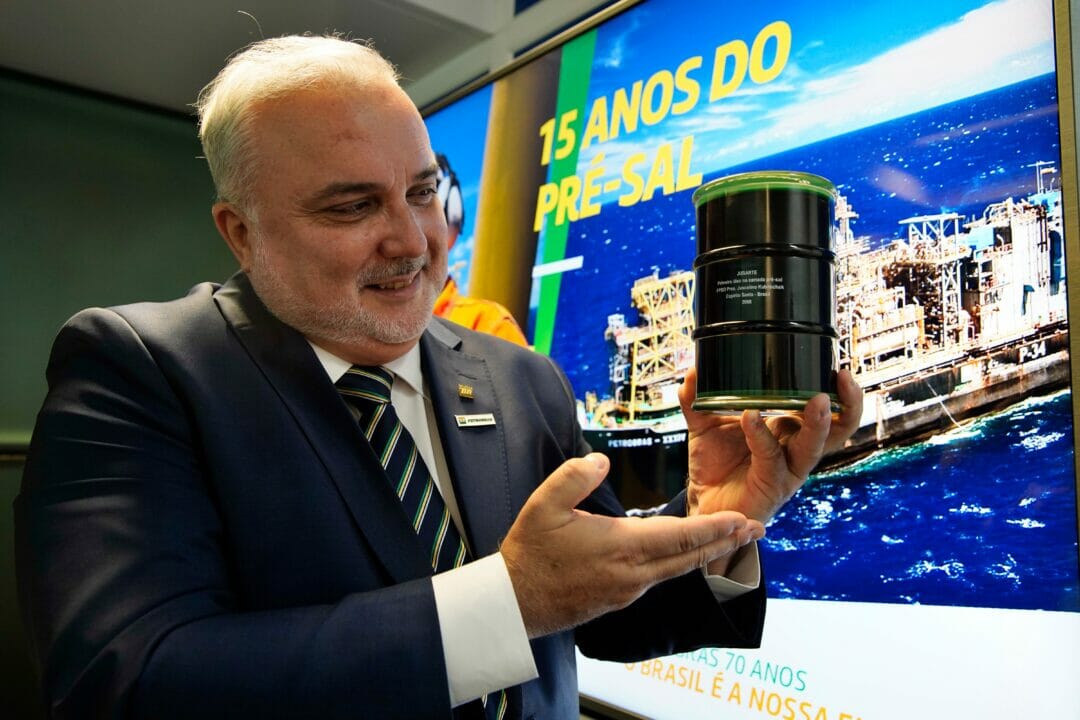
Petrobras celebrated on September 18 a historic milestone that significantly changed the course of oil and gas production in Brazil: the 15 years since the extraction of the first pre-salt oil in the Jubarte field, located in the Espírito Santo portion of the Campos Basin.
The celebration event, which took place in Vitória (ES), brought together key figures from Petrobras, including the company’s president, Jean Paul Prates, and executive directors. They praised this milestone as an achievement of the Brazilian people, which transformed the country into one of the main global hubs for deep and ultra-deep water production.
Watch The Video Below And Check Out The Tribute To The 15 Years Of Pre-Salt


The Evolution Of Pre-Salt Production And Its Importance For Brazil And Latin America
The production of Brazilian pre-salt began in September 2008 in Espírito Santo, with the P-34 platform, originally designed to operate in post-salt. It was successfully adapted to produce the first pre-salt oil in the Jubarte field. Currently, in addition to post-salt production with the P-57, the field continues to produce in pre-salt with the FPSO Cidade de Anchieta and the P-58, one of Petrobras’ major units.
-
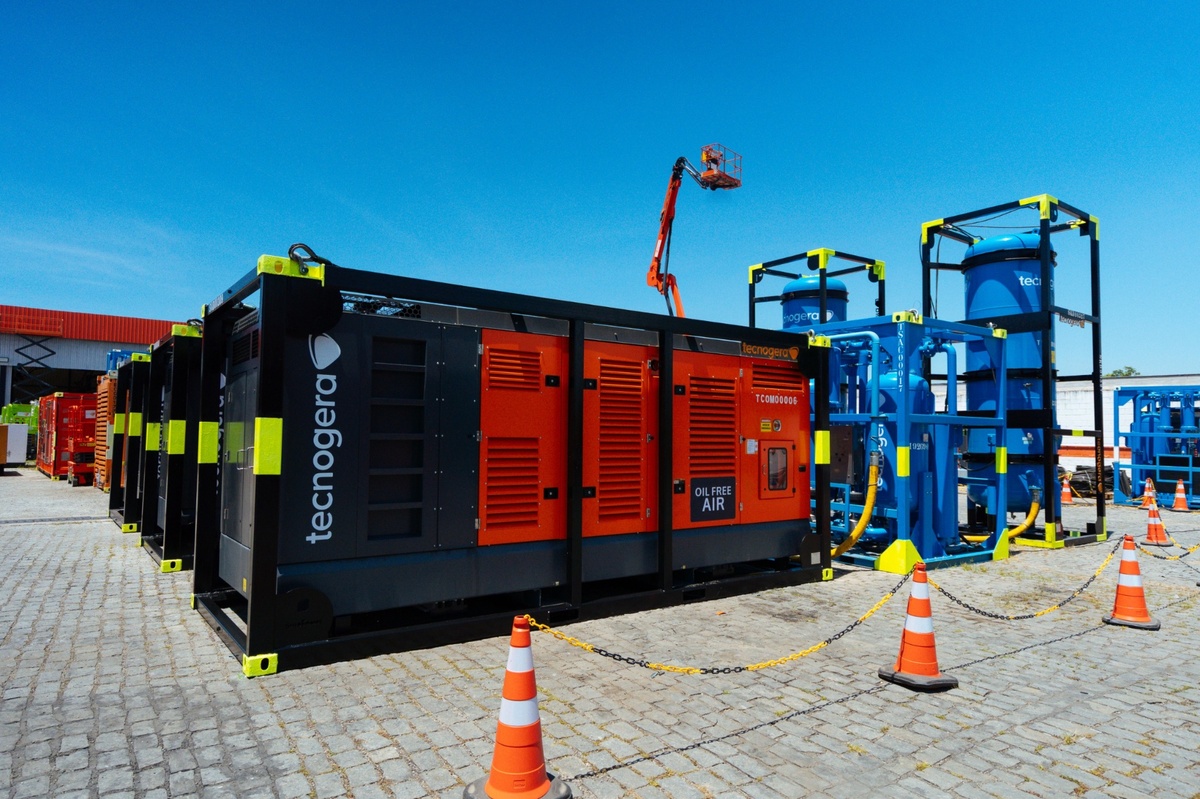
Offshore industrial demand in Macaé skyrockets with the recovery of oil and gas and could grow by up to 396% by 2026 in the Campos Basin.
-
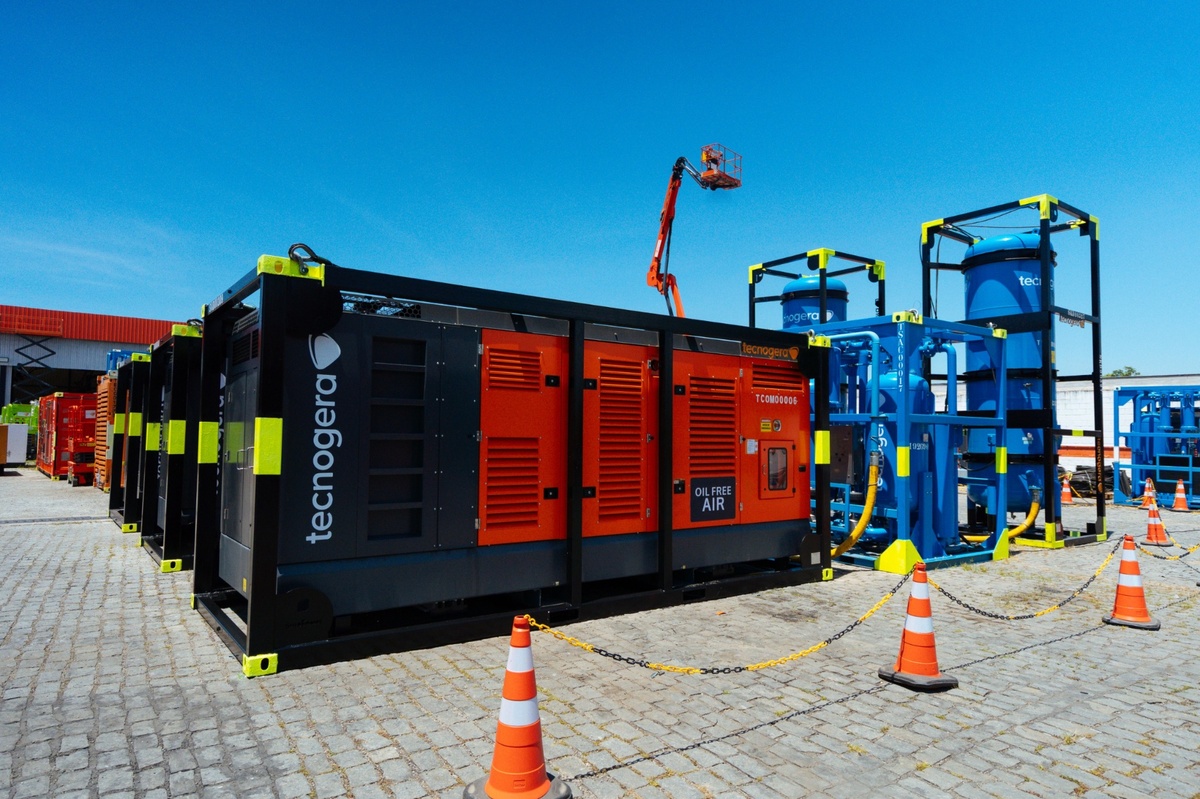
Offshore industrial demand in Macaé surges with the recovery of oil and gas and could grow by up to 396% by 2026 in the Campos Basin.
-
Brazilian giant expands borders in the Southeast: Petrobras confirms new oil discovery in ultra-deep waters in the pre-salt of the Campos Basin.

-
Alert in the global energy market: Severe tropical cyclone hits the coast and disrupts gas production at major plants in Australia, threatening global supply.


Since the first oil extracted to the present day, pre-salt production has expanded to the Santos Basin, and currently, 31 platforms are in operation in this layer, of which 23 are entirely dedicated to pre-salt. This evolution has led pre-salt to account for an impressive 78% of Brazilian oil production and over 1/3 of the production in Latin America.
Petrobras Employs Over 10 Thousand People And Contractors In Espírito Santo
Jean Paul Prates, president of Petrobras, highlighted the pre-salt as proof of the Brazilian people’s ability to overcome challenges. He emphasized that the pre-salt represents the synthesis of Petrobras’ journey of innovation, which faced technical and economic challenges, developing unprecedented technologies that revolutionized the oil sector. The company made a previously unexplored frontier a reality, in ultra-deep waters 300 km from the coast.
Espírito Santo holds a prominent position in Petrobras’ oil and gas production, ranking third among the states, behind only Rio de Janeiro and São Paulo. The company employs over 10 thousand employees and contractors linked to its Espírito Santo headquarters, the majority of whom are involved in offshore operations.
Petrobras’ investments in Espírito Santo remain promising, with a strategic plan that aims to allocate R$ 22 billion to Exploration and Production projects in the state, including the innovative Maria Quitéria platform, scheduled to begin operations in 2025.
Petrobras Enters Into Partnership With Equinor For An Ambitious Offshore Wind Energy Project
In addition to its ongoing commitment to oil and gas, Petrobras is also focusing on renewable energy development. The company, in partnership with Equinor, is studying the technical and environmental feasibility of the Aracatu II project, an ambitious offshore wind energy project along the coast of Espírito Santo, with a total generation capacity of 4GW. This project is part of a broader strategy for investment in offshore wind energy, encompassing areas in different regions of Brazil, totaling a potential 23 GW in offshore wind generation capacity.
The Maria Quitéria, of the FPSO type (Floating Production, Storage and Offloading), will be an “all electric” platform with a combined cycle for energy generation, resulting in lower greenhouse gas emissions. Throughout its production cycle, the application of these new technologies will contribute to an estimated reduction of over 5 million tons of CO2.
Social And Environmental Responsibility And Local Development
Petrobras is also committed to social and environmental responsibility projects in Espírito Santo, investing R$ 59 million in nine projects, four of which are environmental and five social. These initiatives benefit thirteen municipalities, contributing to local development and the well-being of communities.
Over these 15 years, Petrobras has undergone a remarkable transformation journey in the oil and gas industry in Brazil. From the first pre-salt oil extracted in Jubarte to the commitment to energy transition and sustainable development, the company continues to play a key role in the country’s energy landscape. With its future-oriented vision, Petrobras is determined to continue innovating and leading the industry, providing jobs, technology, and energy for Brazil and beyond.









Seja o primeiro a reagir!