





 English
  Francês
  Alemão
  Italiano
  Japonês
  Norueguês
  Portuguese
  Spanish
  3 min of reading



The Company Reported in a Statement That It Has Completed Industrial Scale Tests for Renewable Diesel Production
Petrobras reported in a statement released on July 11 that it has completed industrial scale tests for renewable diesel production. You can check the full statement released by the company below.
See Also Other News:
- Cutters, Welders, Boilermakers, and Many Job Vacancies Today (07/14) to Serve an Engineering Company Focused on the Oil and Gas, Electrical, and Industry Sector in MG
- 160 Vacancies for High School Graduates Were Opened for the Municipal Guard Contest of São Gonçalo – RJ; Salary of R$ 3,506.47
- Port of Suape and Terminal in Bahia Will Receive LNG Imported by Golar Power
“Rio de Janeiro, July 14, 2020 – Petróleo Brasileiro S.A. – Petrobras informs that, on July 11, it successfully completed industrial scale tests for the production of renewable diesel. The tests were conducted at the Presidente Getúlio Vargas Refinery (Repar), in Araucária, Paraná, where 2 million liters of soybean oil were processed, resulting in the production of approximately 40 million liters of diesel oil with renewable content. The new fuel brings environmental benefits by reducing greenhouse gas emissions and improving engine performance compared to biodiesel.
-
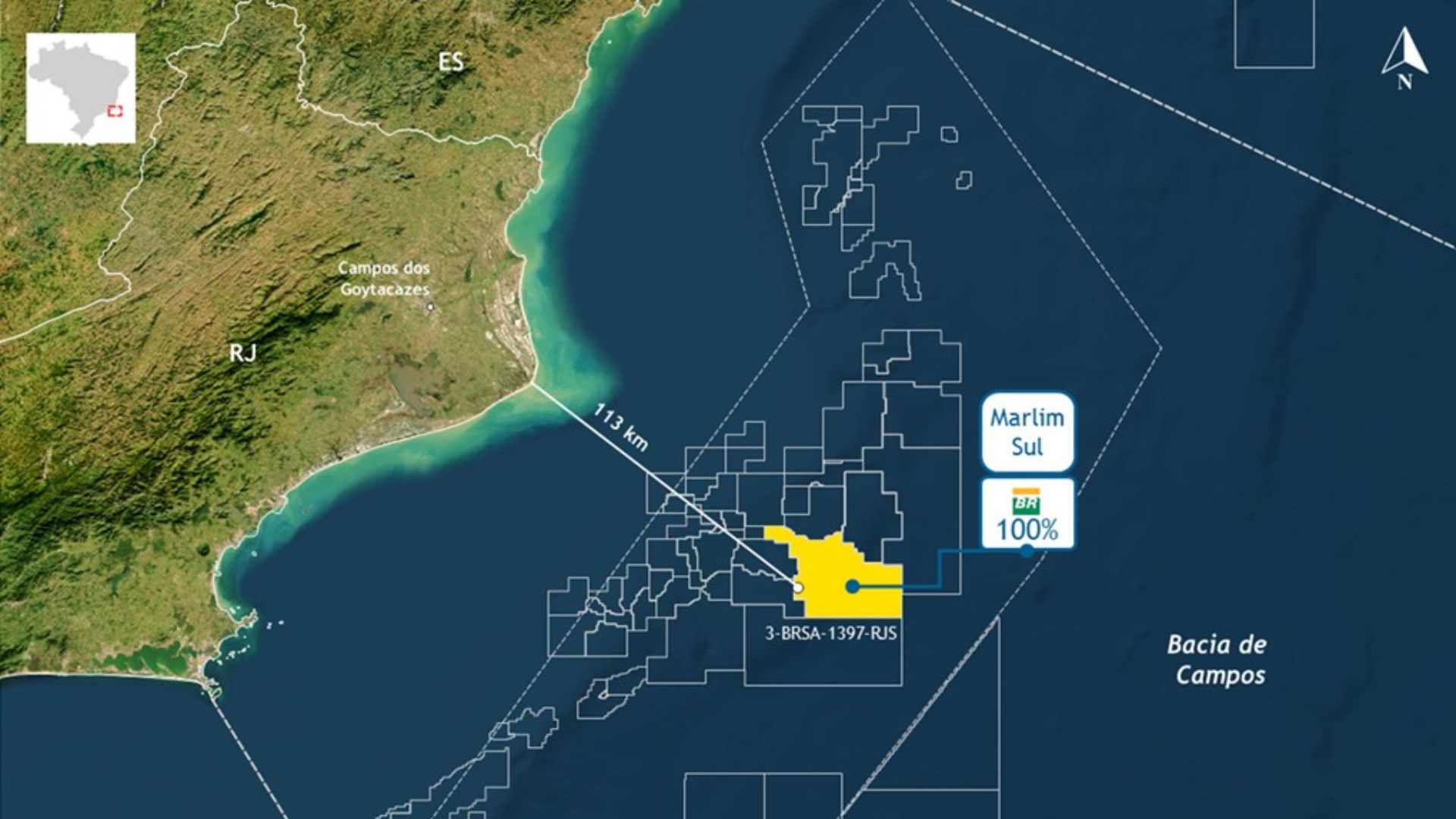
Petrobras finds high-quality oil in the pre-salt at 113 km from RJ and reignites expectations about strategic reserves in the Campos Basin.

-
Ocyan opens registrations for startups focused on innovation in the oil and gas sector and will select projects for Innovation Day with the support of Nexio.

-
With 160,000 m² of collectors, an area larger than 20 football fields, Silkeborg, in Denmark, hosts a solar thermal plant that heats 19,500 homes and could become the largest solar heating plant in the world.

-
Petrobras announces new oil discovery in the pre-salt of the Campos Basin and reinforces Brazil’s prominence with high-quality reserves that can increase production and energy revenues.

According to studies by APROBIO, the Brazilian Biodiesel Producers Association, renewable diesel reduces approximately 70% of greenhouse gas emissions compared to mineral diesel (derived from oil) and 15% compared to biodiesel, for the same oil source. In comparison with biodiesel, the use of renewable diesel also improves engine performance, preventing issues such as clogging of filters, pumps, and injectors. The renewable diesel produced by Petrobras does not contain glycerin or metallic contaminants, and its molecules are identical to those of mineral diesel, allowing it to be mixed with diesel oil without restrictions.
Renewable diesel depends on regulation by the National Agency of Petroleum, Natural Gas and Biofuels (ANP) to be marketed in Brazil. The results obtained will be reported to the ANP to contribute to the regulation of the product. The goal is to meet, along with the existing biodiesel, the portion of biofuel that must be blended with the diesel sold at gas stations. Currently, biodiesel is blended with mineral diesel at a minimum proportion of 12% by fuel distributors, and it will reach 15% by 2023.
Renewable Diesel Production
Renewable diesel is produced through the processing of renewable raw materials, such as vegetable oil or animal fats, along with mineral diesel in processing units within refineries. The process results in a product chemically identical to mineral diesel, with renewable origin, which is internationally known as Green Diesel, Renewable Diesel, Hydrotreated Vegetable Oil (HVO), or Renewable Paraffinic Diesel.
Petrobras has a patented technology since 2006 for the co-processing of vegetable oils using the process called “HBIO”. This technology results in a fuel that is more stable than biodiesel. Although it is not used in the mixing of diesel in Brazil, renewable diesel is used in countries in Europe and the United States. The new fuel is suitable for the latest technologies of engines being introduced in Brazil.”









Seja o primeiro a reagir!